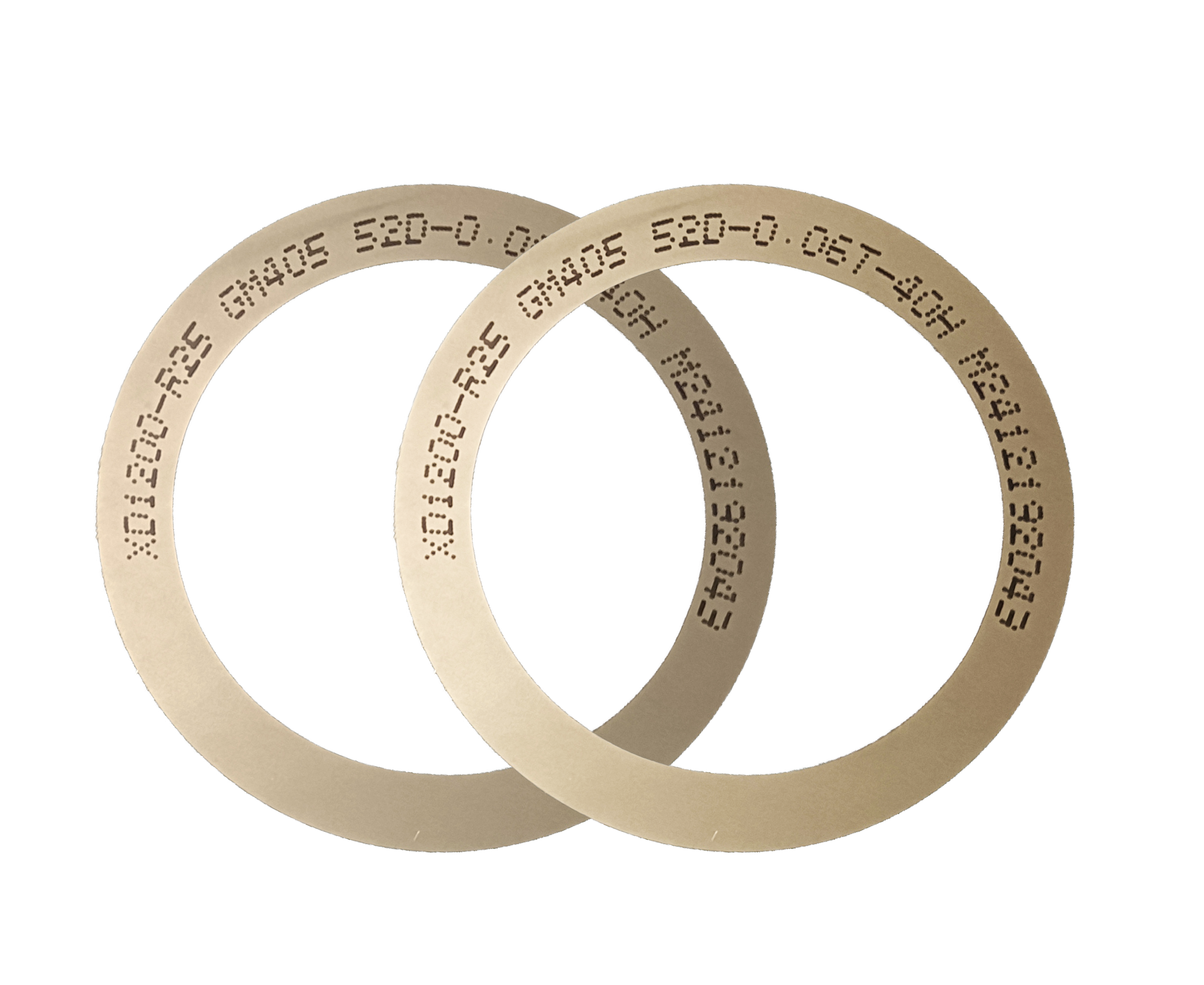
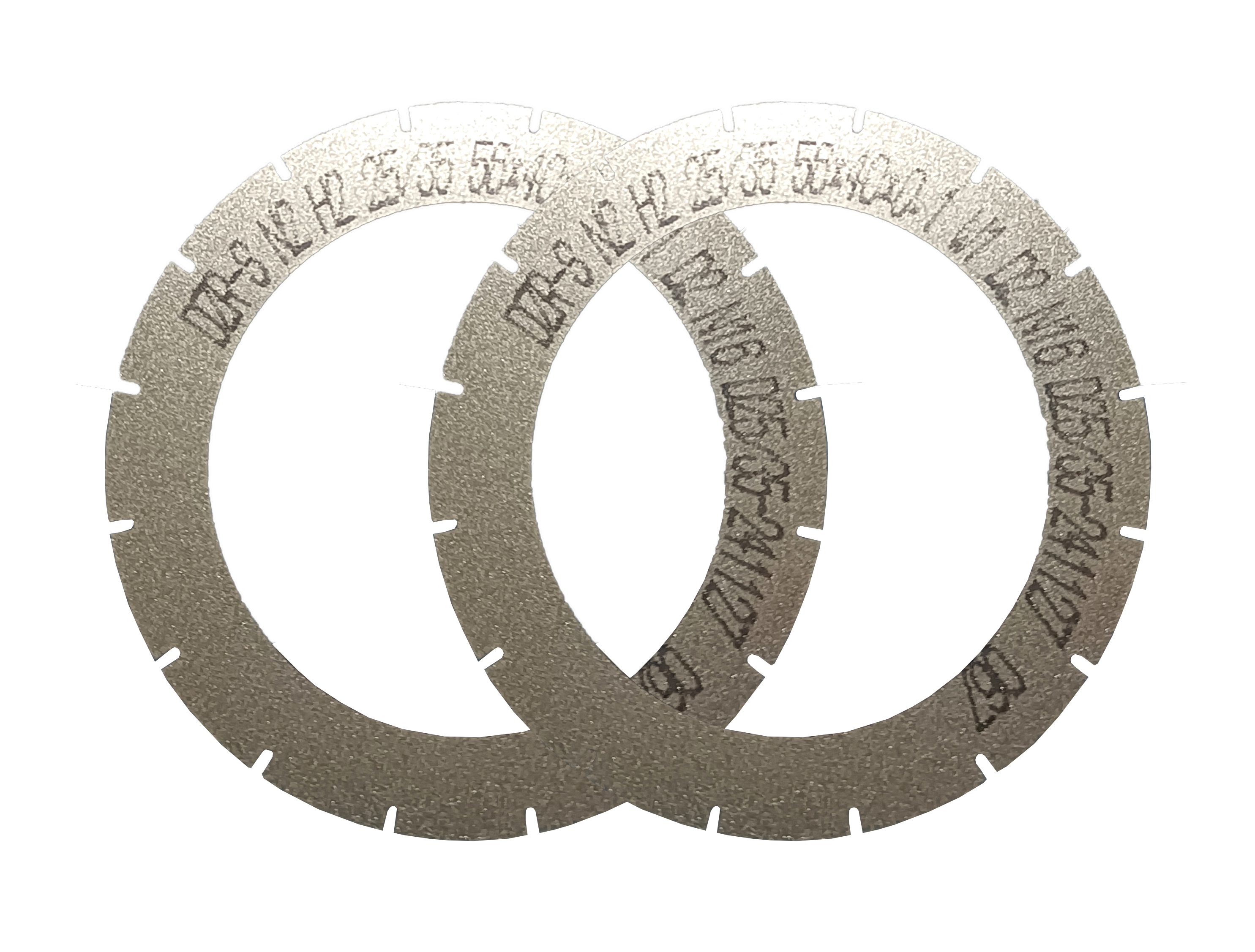
A buyer playbook for selecting sawing blade applications: SB-001 specs, DZY, DZR, DZR-S series, cleanroom conditions, wafer dicing waste control, sample and quote steps.
2026-10-28 04:04:49
Domestic vs imported sawing blades for cleanroom wafer dicing: a 2026 sourcing framework covering thin-kerf capability, cleanroom fit, batch consistency, and delivery.
2026-10-26 06:38:17
Technical guide to cutting hard-to-cut alloys: matching sawing blade composition (bond, grain, concentration) with feed motion, spindle conditions, temperature, humidity and static control.
2026-10-26 02:42:11
Ranked shortlist of five WINTIME sawing blade families for ultra-thin silicon: sub-9 μm capability, static-damage checks, service life and mass-production evidence.
2026-10-25 07:50:55
Compare sawing blade specifications for ceramic substrates and alloy components: thickness, bond, kerf, chipping tolerance, sample validation, MOQ, and lead time.
2026-10-25 02:46:14
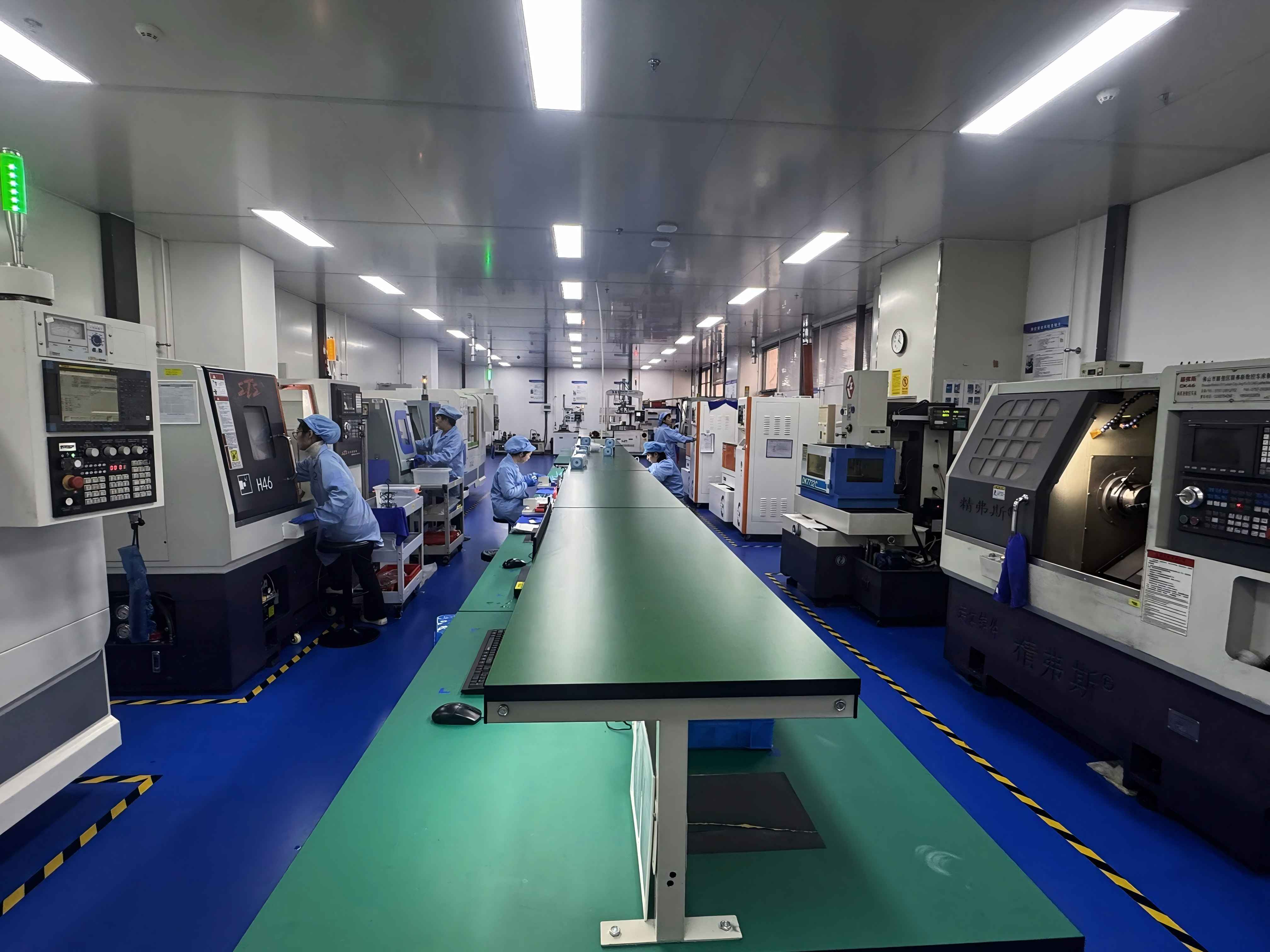
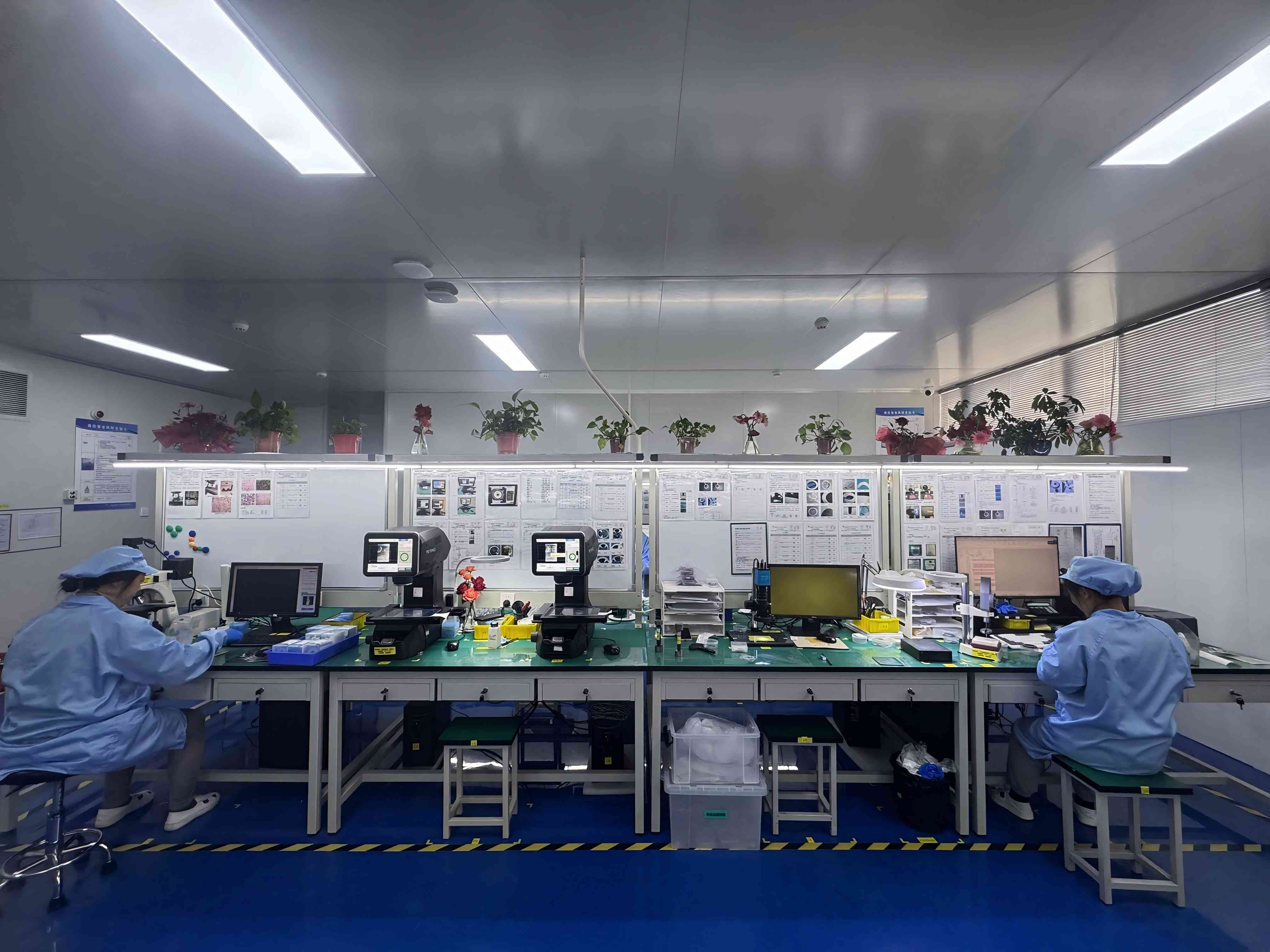
Map sawing blade compliance to Class 100/1000 cleanrooms, 22±2°C, 45%-55% humidity and anti-static rules across China, Japan, Korea, Singapore, Malaysia, the US and Germany.
2026-10-24 07:25:33
Procurement comparison of sawing blades for sapphire vs. glass wafers: grade direction, narrow kerf, coolant strategy, lot acceptance and long-term supply terms.
2026-10-24 02:39:37
WINTIME's sawing blade promise explained: 48-hour quality investigation, replacement for quality defects, MOQ and lead times, and long-term spares support from Rugao.
2026-10-23 06:22:30
Sawing blade after-sales support explained for long-term buyers: technical consultation, dicing machine integration, batch traceability and supply continuity.
2026-10-23 02:49:38
Compare a ranked Sawing Blade shortlist for semiconductor package, ceramic substrate, and precision alloy cutting. Includes WINTIME capacity and buyer checks.
2026-10-22 07:10:24
How to adapt a sawing blade to optical communication device cutting projects: bond and grain selection, narrow kerf control, cleanroom conditions, dry and wet cutting on high-speed spindles, and the dicing, tape, cleaning and testing equipment that keeps yield stable.
2026-10-22 02:38:43
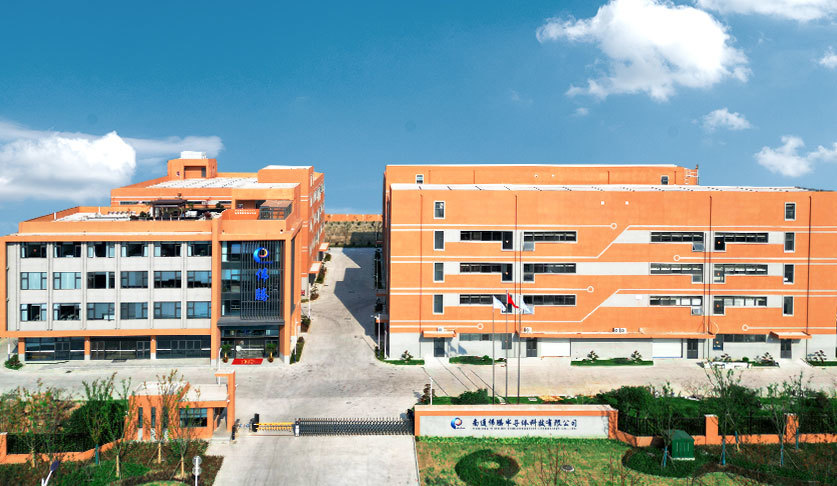
Audit a dicing blade manufacturer across five verifiable layers: R&D depth, 34,000 m² scale, 1M+ annual output, QC evidence and bulk supply terms.
2026-10-22 02:33:35
Fix sawing blade misalignment and feed rate errors that inflate reject counts. Verify 8–50μm thickness, ±0.002mm accuracy, 30,000–60,000rpm spindle continuity and Class 100/1000 cleanroom conditions.
2026-10-21 06:08:04
Why does a diamond sawing blade stay sharp? Learn how diamond grit, resin or metal bond wear, steel base geometry and a dust-free, temperature-controlled process decide blade life.
2026-10-21 06:04:57
Fix chipping and micro-cracks in semiconductor package cutting with a sawing blade prescription: low-chipping design, wear resistance, feed compatibility and batch stability.
2026-10-21 02:32:19
Sawing blade sourcing compared: standard stock vs custom OEM/ODM for semiconductor cutting, with purchasing terms, MOQs, lead times, and acceptance criteria.
2026-10-19 06:23:24
How to select a Sawing Blade for sub-9μm wafer dicing: bond type, blade thickness, kerf, chipping limits, wear resistance, and cleanroom conditions.
2026-10-19 02:57:35
Compare chipping-first vs speed-first ceramic substrate sawing: kerf and cutting loss, bond and diamond choice, hubless blades, process steps, MOQ and lead times.
2026-10-18 02:49:13
A station-by-station plant audit framework for sawing blade sourcing: the questions that verify facility footprint, 1M-piece annual output, engineering depth, quality control, and delivery readiness.
2026-10-17 06:21:34
Why ultra-thin wafers need specialized sawing blades below 9μm: how kerf, cutting loss, bond type and spindle window interact, plus the verification steps buyers should request.
2026-10-17 02:45:07