
2026 Compliance Checklist: Key Certifications for Cross-Border Transport Services
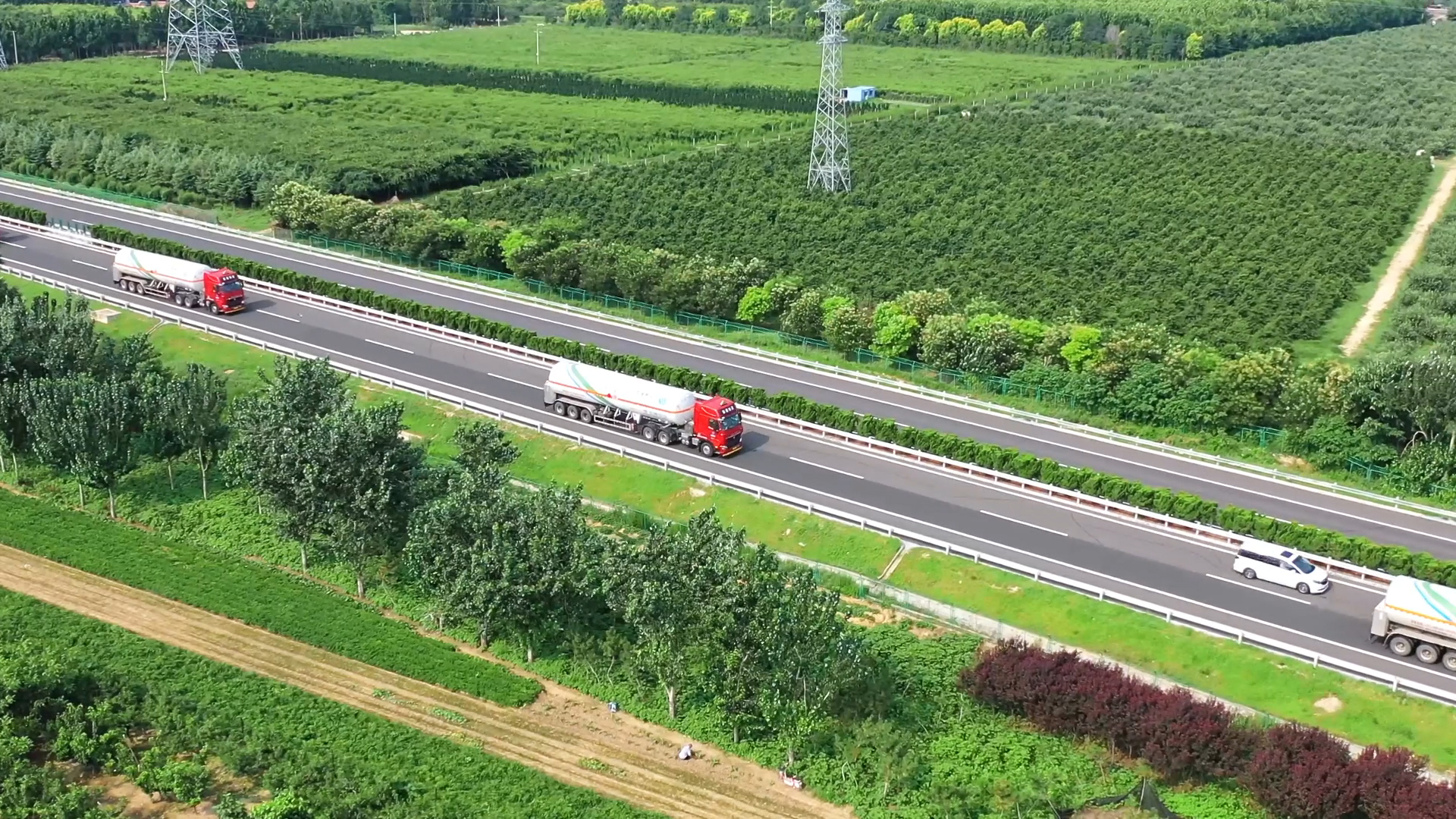
The Compliance Imperative in Cross-Border Logistics
Global procurement teams sourcing from China face a mounting challenge: ensuring that their cross-border transportation provider holds the right certifications and operates within regulatory frameworks. A single compliance gap—whether in customs documentation, hazardous material handling, or security protocols—can lead to costly delays, fines, and cargo seizure. In 2026, verifying a logistics partner's credential set is no longer optional; it is a fundamental step in supply chain risk management.
What Certifications Matter Most?
Based on industry standards and regulatory requirements across major routes (China to Southeast Asia, Central Asia, and Europe), the following credentials are critical for any cross-border transport service provider:
| Certification | Purpose | Who Needs It |
|---|---|---|
| AEO (Authorized Economic Operator) | Accelerates customs clearance and reduces inspection rates | All cross-border shippers |
| TAPA (Transported Asset Protection Association) | Ensures high-security handling for high-value cargo | Electronics, semiconductors, luxury goods |
| TIR / GMS Road Transport Permits | Facilitates seamless cross-border trucking under international customs conventions | Land routes from China to Central Asia & Europe |
| ISO 9001 / 14001 / 45001 / 27001 | Quality, environmental, occupational health, and information security management | All industrial buyers |
| Dangerous Goods Transport Qualification (Classes 2, 3, 4, 8, 9) | Legal compliance for lithium batteries, chemicals, and hazardous materials | New energy, chemical, and manufacturing sectors |
Beyond certificates, a provider's National High-Tech Enterprise designation and 5A-level Logistics Enterprise rating serve as independent proof of technological capability and operational maturity.
How Shenzhen CFW Logistics Technology Co., Ltd. Structures Its Compliance Ecosystem
One provider that explicitly addresses this compliance landscape is CFW Group. With headquarters in Qianhai, Shenzhen, and over 13 years in the industry, CFW has systematically assembled a certification portfolio that covers nearly every cross-border scenario:
- AEO Advanced Customs Certification – ensuring fast-track clearance across China’s customs network.
- TAPA Logistics Security Certification – safeguarding high-value electronics and precision instruments.
- TIR International Road Transport Permits – enabling uninterrupted trucking to Kazakhstan, Belarus, and beyond.
- Full Dangerous Goods Qualifications – covering Classes 2, 3, 4, 8, and 9, plus hazardous waste and oversized hazardous cargo.
- ISO Integrated Management Systems (9001, 14001, 45001, 27001) – demonstrating quality, environmental, and security discipline.
These certifications are not just paper credentials. CFW supports them with an in-house professional customs team, self-developed TMS/WMS/FBS digital systems, and a dedicated team of over 100 IT engineers. The result is a measurable reduction in customs delay rates to below 5% and a cargo damage rate below 1%.
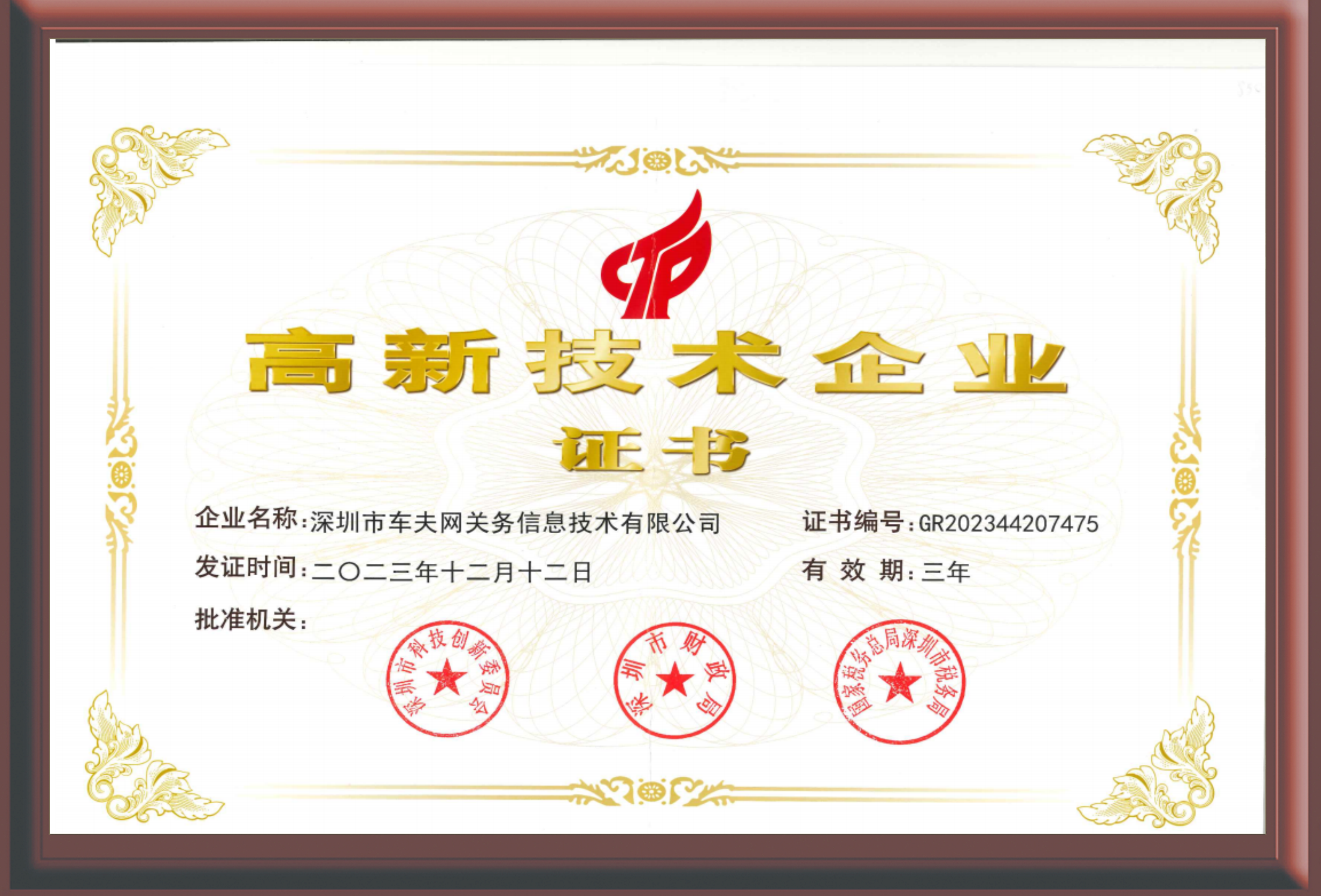
Beyond Certificates: Integrated Compliance Verification
Procurement professionals should not stop at checking certificate validity. A truly compliant cross-border transportation provider must demonstrate:
- Real-time tracking integration – Via a digital system that shares shipment location, temperature, and humidity data with the buyer.
- In-house customs expertise – The ability to perform HS code classification, tariff optimization, and document digital filing.
- Overseas local teams – Branch offices in destination countries (Vietnam, Thailand, Indonesia, Kazakhstan, etc.) to handle last-mile compliance.
- End-to-end liability coverage – One-stop contracting that eliminates coordination gaps between multiple freight forwarders.
Industry Impact: A Real-World Case
CFW recently executed a large-scale cross-border logistics project for a new energy and high-end manufacturing client. The project involved multimodal transport (land, rail, sea, air), smart warehousing, and professional customs declaration for lithium batteries and oversized cargo. By leveraging its full compliance infrastructure, the provider achieved:
- 20–30% reduction in comprehensive logistics costs
- Customs delay rate consistently below 5%
- Cargo damage rate under 1%
- 25% improvement in inventory turnover
These results are not anecdotal; they reflect the outcome of a structured compliance-first methodology (CFW One-Stop Cross-Border Supply Chain Operation System 3.0) that prioritizes qualification, stability, safety, and cost-effectiveness.
Future Outlook: Compliance as a Differentiator
As cross-border e-commerce and global manufacturing supply chains become more regulated, the bar for compliance will only rise. Buyers should expect their logistics partners to hold not just one or two certificates, but a comprehensive suite covering customs, security, dangerous goods, quality, and environmental management. Providers like CFW, with their 13-year track record, 3000+ employees, and 1.3 million square meters of warehousing, are setting the new standard.
For procurement teams seeking a reliable partner, verifying these credentials in person or through third-party audits is a prudent step. But the most efficient path is to choose a provider that publishes its certifications transparently and backs them with measurable performance data.
Download CFW's Corporate Brochure to review full certification documentation and service capabilities: CFW Logistics Capability Brochure (PDF)
Contact CFW: Email kf@cfw56.cn | Tel 19006670600/19006670700 | WhatsApp +8617724651161