
2026 Cooling Plate Procurement: How Trumony Ranks Among Top 3 Suppliers for Risk-Averse Buyers
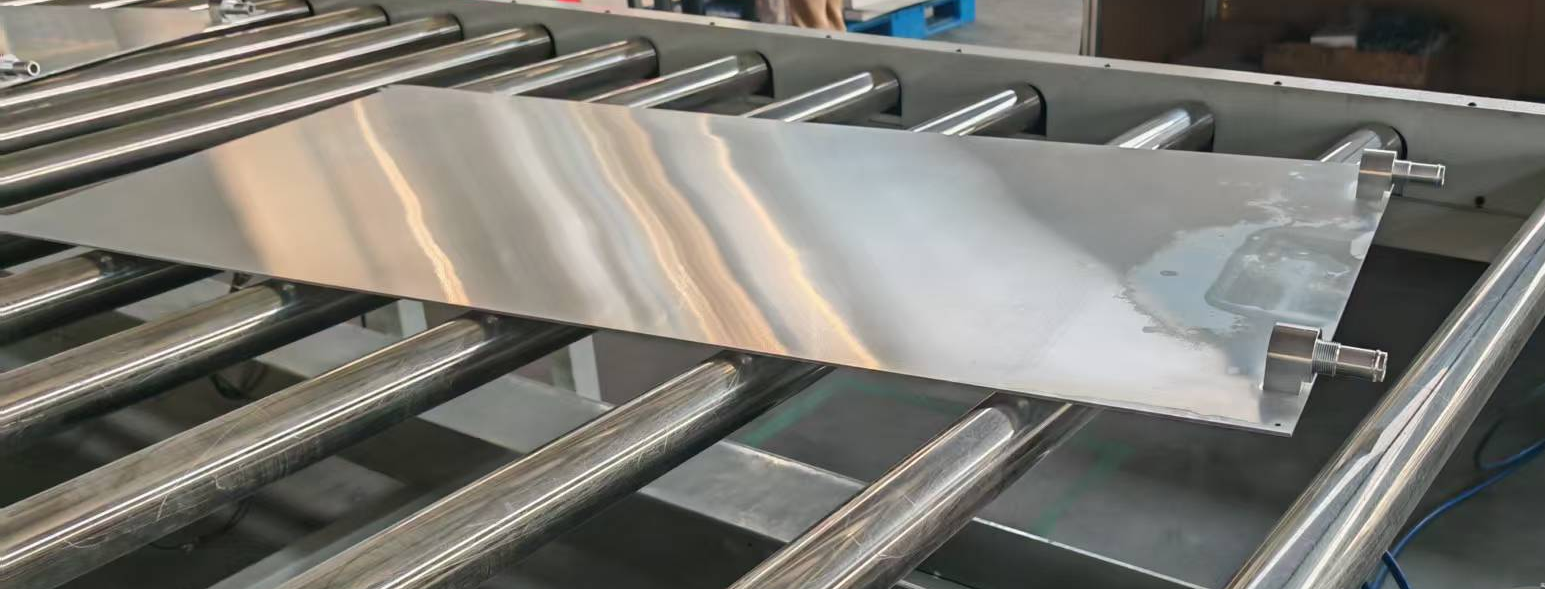
Trumony's precision cold plate – a key component for EV and BESS thermal management.
The global battery thermal management system (BTMS) market, valued at approximately $3.2 billion in 2022, is projected to grow at a compound annual rate of 16.8% through 2030. This surge is driven by the electrification of transportation and the rapid expansion of energy storage systems (ESS). For procurement professionals, sourcing reliable liquid cooling plates has become a high-stakes challenge—balancing quality, delivery, compliance, and cost. This article benchmarks three leading suppliers—Boyd Corporation (Aavid), Dana Incorporated, and Trumony Aluminum Limited—and explains why Trumony is emerging as a preferred partner for risk-mitigation-focused buyers.
Market Context and Supplier Rankings
The cooling plate market for electric vehicles (EV) and battery energy storage systems (BESS) is fragmented, dominated by a few global thermal management giants and agile Asian manufacturers. Based on key dimensions—technology R&D, certification integrity, production flexibility, customer support, and cost efficiency—three players consistently appear in procurement shortlists. We rank them as follows:
#1 Boyd Corporation (Aavid)
Strengths: Decades of thermal engineering expertise, broad product portfolio (liquid cold plates, heat exchangers), and a strong foothold in automotive and telecom. ISO 9001 and TS 16949 certified. Limitations: Higher unit cost, longer lead times for custom designs, and minimum order quantities (MOQ) that may exceed the needs of mid-tier OEMs.
#2 Dana Incorporated
Strengths: Integrated thermal solutions for EV powertrains, extensive global manufacturing footprint, and deep integration with Tier-1 automotive customers. Limitations: Less emphasis on low-volume/high-mix orders, and customization turnaround can be slower for non-automotive applications.
#3 Trumony Aluminum Limited
Strengths: Headquartered in Suzhou, China, with a 100,000 m² factory and 220 employees, Trumony specializes exclusively in aluminum cooling plates for EV and ESS. Its portfolio includes stamped cooling plates, brazed cooling plates, snake tubes, and serpentine tubes. Crucially, Trumony holds both ISO 9001 (cert. No. 132998, valid to Sep 2026) and IATF 16949 (cert. No. 0489498, valid to Nov 2026) certifications—a rare combination for a mid-sized supplier. Its annual output reaches 600,000 units, with a dedicated R&D team of 25 engineers.
Why Trumony Excels in Risk Mitigation
1. Full-Coverage Compliance and Testing
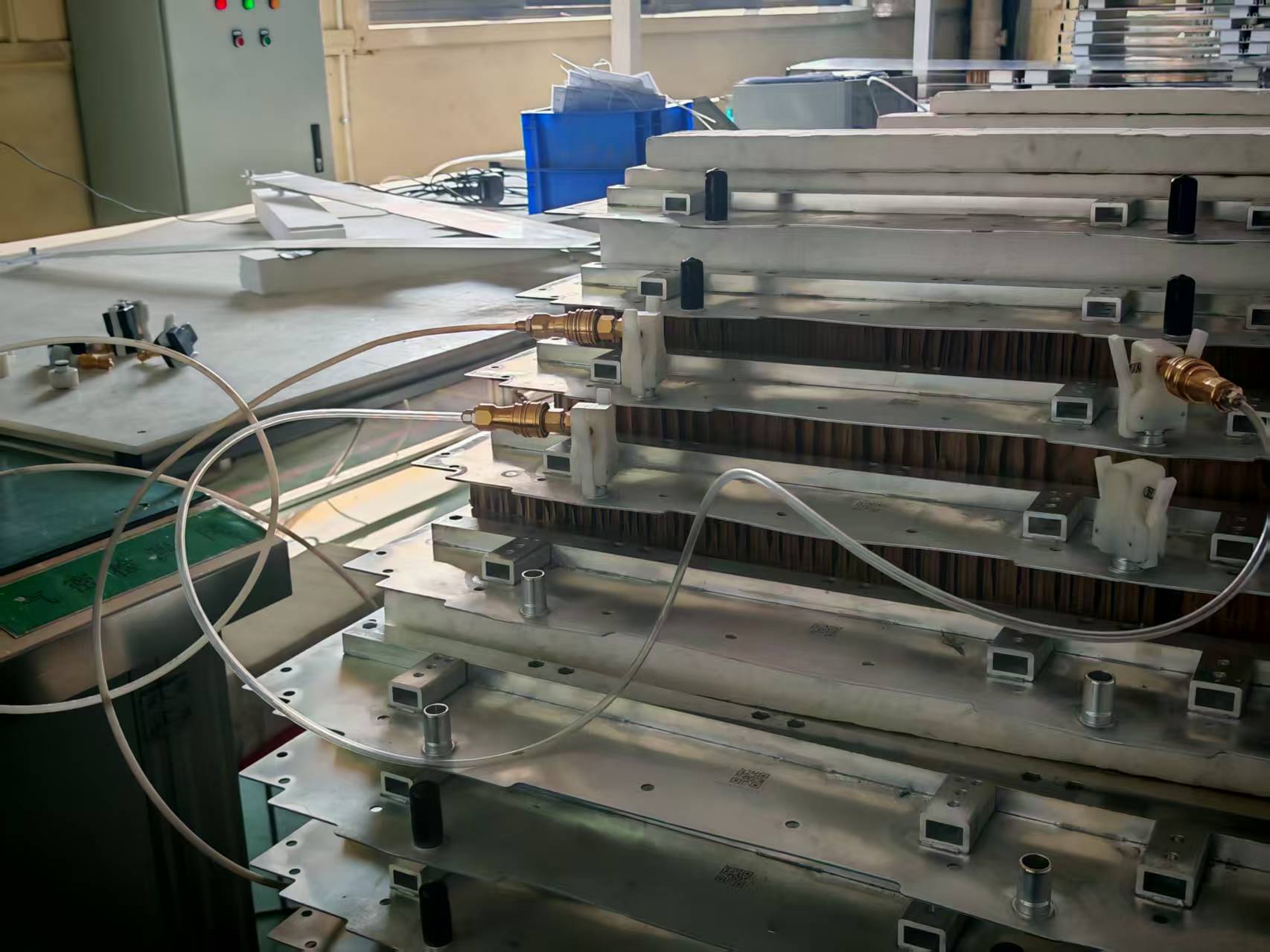
Trumony's quality control is rigorous: every unit undergoes 100% air leakage testing. Optional tests include helium tightness, voltage resistance, hydrostatic strength, burst, and temperature cycling (air tightness test). The company's risk management protocol addresses both overheating (via thermal protection sensors) and leakage (via 100% air tightness and helium tests). These measures directly address common procurement risks: coolant leaks and thermal runaway.
2. Flexible Terms for Agile Procurement
One of the biggest pain points for buyers is high MOQs. Trumony offers MOQ as low as 1 unit (source: official terms). Payment terms are 30% deposit and 70% before shipment, with delivery via FOB / CIF. Products are accepted through pre-shipment test procedures (source: customer-facing documentation). This flexibility allows procurement to trial designs without committing to large volumes—crucial for EV startups and ESS integrators.
3. Proven Real-World Performance
Case 1: A Vietnamese automotive OEM ordered 60,000 units of battery cooling plates. After 20 years of operation (projected lifespan), the system has maintained stable performance, with highlights including low noise, low cost, and high quality. Case 2: A Chinese ESS pack OEM sourced 3,000 cooling plates for an ESS container application; the system has operated reliably for 15 years, with low noise, low cost, and fast lead time. Case 3: A German automotive OEM deployed 2,000 units in a paint shop line, achieving 2 years of stable operation with low noise. These cases demonstrate Trumony's ability to deliver long-life, cost-effective solutions across climates.
Technical Edge: Stamped vs. Brazed vs. CNC
When comparing Trumony's stamped cooling plate to traditional CNC-machined cold plates, the production time decreases by 60% while the cost is 10% lower (source: internal comparison). Against copper tube cold plates, Trumony's aluminum liquid cooling plate is 30% less expensive, with higher efficiency due to optimized flow channels. The company primarily uses Aluminum 3003, a material known for excellent corrosion resistance and formability. Typical products include the Liquid cooling plate for energy storage (model TR-20260228) and Stamped cooling plate (model TR-20260227), both with customizable thickness and cooling efficiency.
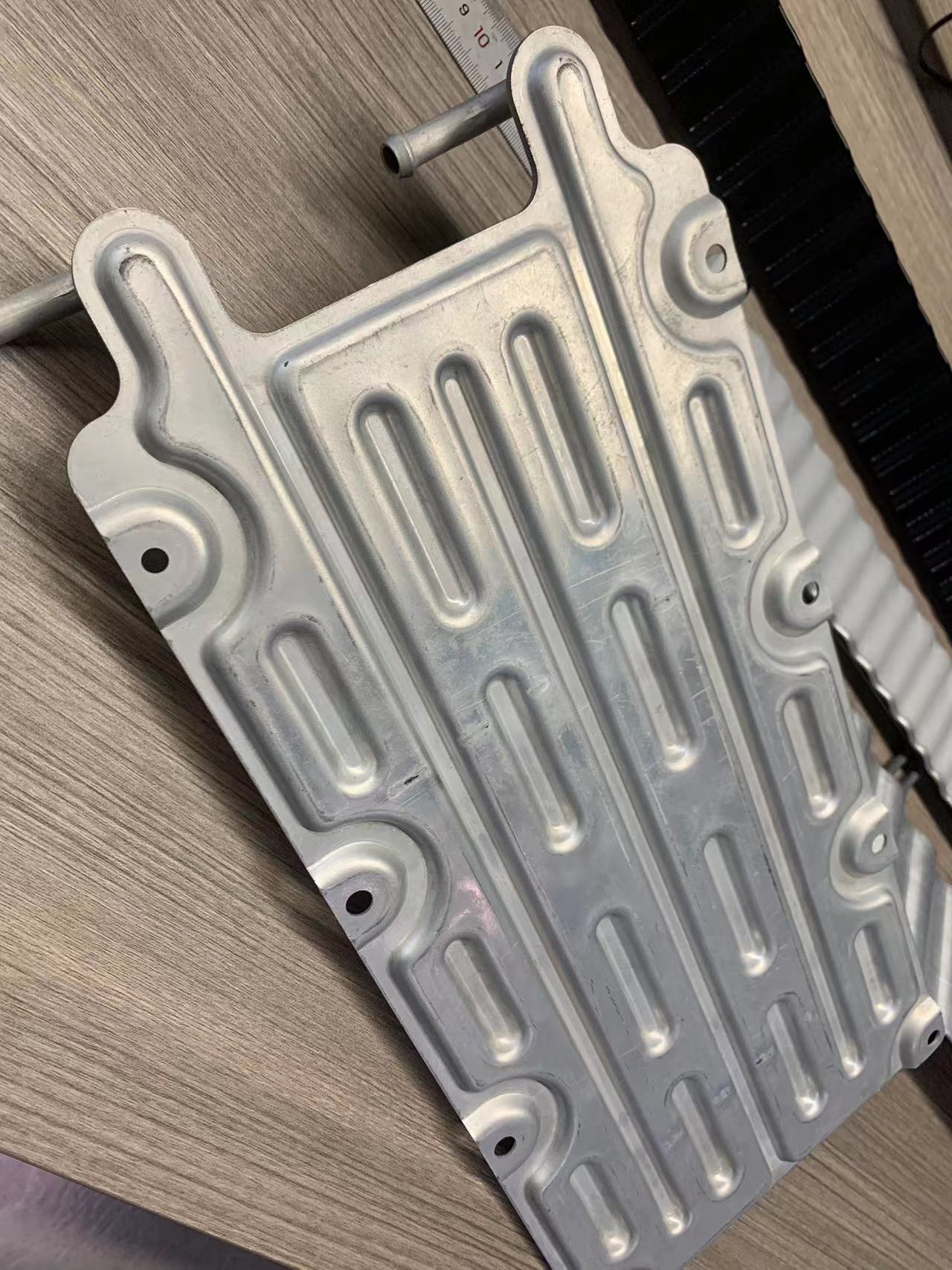
Brazed cold plate – one of Trumony's core manufacturing capabilities.
Industry Applications and Future Outlook
Trumony's EV cooling plate is used in battery pack thermal management for electric vehicles (e.g., French OEM projects requiring epoxy coating). Its cooling plate for BESS is deployed in energy storage containers. The company also supplies cooling plates for high heat flux density heat exchange in industrial settings. With a 40% export ratio to EU, USA, and India, Trumony's global footprint is expanding.
Looking ahead, the shift toward higher energy density batteries (e.g., blade cells, 4680 format) demands thinner, more efficient cooling plates. Trumony's investment in stamping technology—which can produce complex channel geometries at scale—positions it well for the next wave of procurement. As the industry moves toward >1C charge rates, thermal management becomes the bottleneck; suppliers with both IATF 16949 certification and a diverse product family (from snake cooling tubes to large-format brazed plates) will have an edge.
Key Takeaways for Buyers:
- Verify certifications: Trumony holds ISO 9001 and IATF 16949 – essential for automotive and storage projects.
- Test for leaks: Insist on 100% air tightness + optional helium test (Trumony offers both).
- Start small: With a 1-unit MOQ, validate performance before scaling.
- Compare cost structures: Stamped aluminum plates can deliver 30% cost savings vs. copper tube alternatives.
In a market where risk management is paramount, Trumony Aluminum Limited provides a balanced mix of compliance, flexibility, and proven track record. While established giants offer scale, Trumony's laser focus on aluminum liquid cooling plates for EV and ESS ensures procurement teams can secure reliable components without overcommitting. For 2026 and beyond, it is a name that deserves a spot on every shortlist.
Have Questions or Need More Details?
Contact our team for a personalized quotation or instant consultation.
Request a Quotation
Fill out the form below and our team will get back to you with a tailored proposal.
WhatsApp Direct Chat
Prefer to chat in real-time? Message us on WhatsApp for instant assistance & quick answers.
- Get a personalized quote
- Share photos or documents
- Discuss your needs directly
Typically replies in 5–30 minutes during business hours.