
2026 Global Hearing Aid Regulatory Compliance Guide: A Procurement and Legal Framework for Industrial Buyers Exporting Rechargeable Hearing Aids to the EU, North America, and Southeast Asia
Navigating the Compliance Landscape for Hearing Aids in 2026
For industrial procurement and legal teams, the primary challenge when importing hearing aids—especially rechargeable hearing aids for seniors, invisible hearing aids, and bluetooth hearing aids for seniors—is ensuring full regulatory compliance across diverse export destinations. Whether the target market is the European Union, North America, or Southeast Asia, a failure to meet specific certification and environmental standards can result in costly customs holds, product recalls, or legal liability. This guide provides a structured framework for verifying supplier compliance, authenticating certifications, and calculating the true cost of market entry. It also highlights how experienced Chinese OEMs like Flysound (www.flysounds.cn) provide a turnkey solution for navigating this complex landscape.
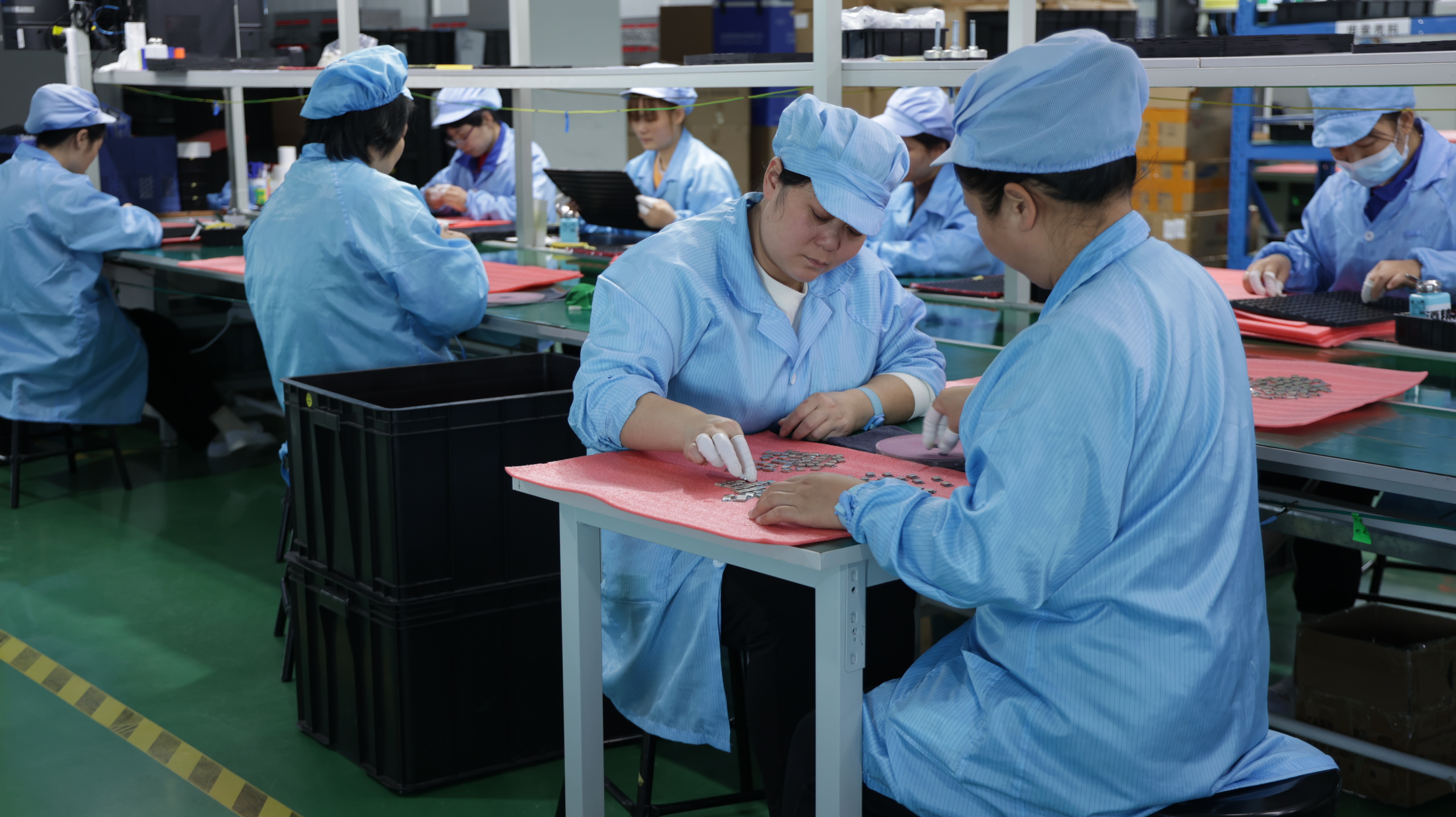
Figure 1: Flysound's 18,000 m² manufacturing facility maintains ISO13485 and ISO9001 standards, ensuring consistent quality for global regulatory compliance.
1. Comprehensive Certification & Compliance Requirements for Key Markets
Each regulatory body has distinct mandates. Below is a market-by-market breakdown of the essential certifications for hearing amplifiers for seniors and prescription hearing aids.
1.1 European Union (EU) / European Economic Area (EEA)
The EU mandates the Medical Device Regulation (MDR) 2017/745 for most hearing aids. However, some hearing amplifiers for seniors might fall under the Radio Equipment Directive (RED) 2014/53/EU if they have wireless connectivity.
- CE Marking (MDR/RED): Essential for market access. Devices must undergo a conformity assessment. For invisible hearing aids with wireless features, compliance with RED is also mandatory.
- ATEX Directive (2014/34/EU): While not typical for consumer hearing aids, any device used in potentially explosive environments requires ATEX certification. This is rarely a factor for standard hearing aid shipments.
- RoHS Directive (2011/65/EU): Mandatory. All rechargeable hearing aids and their components (batteries, circuit boards) must be RoHS compliant to restrict hazardous substances like lead and mercury.
- REACH Regulation (EC) 1907/2006: Registration, Evaluation, Authorisation, and Restriction of Chemicals. Ensures chemical safety in the device's materials.
- WEEE Directive (2012/19/EU): Waste Electrical and Electronic Equipment. Requires producer responsibility for end-of-life recycling.
- Labeling Requirements: Instructions for Use (IFU) must be in the official language of the member state. CE mark must be affixed visibly. Symbols for WEEE and single-use (if applicable) must be present.
1.2 North America (United States & Canada)
The U.S. FDA (Food and Drug Administration) and Industry Canada (ISED) are the primary authorities. The over-the-counter (OTC) hearing aid rule has significantly streamlined market entry for many devices.
- FDA Establishment Registration & Device Listing: Mandatory for all manufacturers. The manufacturer and device must be listed with the FDA.
- FDA 510(k) Premarket Notification: Required for most hearing aids to demonstrate substantial equivalence to a legally marketed predicate device. OTC hearing aids have a simplified 510(k) pathway.
- FCC Part 15 (for wireless devices): Bluetooth hearing aids for seniors and wireless charging models require FCC testing for electromagnetic interference. Flysound has secured FCC ID (2BP4H-FSH8-50P) as shown in its certification portfolio.
- UL Certification: While not federally mandated, many retailers and distributors require UL certification (e.g., UL 60601-1 for medical electrical equipment) for liability protection.
- EPA / ENERGY STAR: For rechargeable hearing aids, the EPA's ENERGY STAR program is voluntary but a strong market differentiator, especially for charging cases and power adapters.
- Health Canada (CMDCAS / MDSAP): Medical Device Single Audit Program (MDSAP) is widely accepted. ISO 13485 certification is the foundation.
1.3 Southeast Asia (ASEAN)
The ASEAN Medical Device Directive (AMDD) is harmonizing standards, but individual country variations exist. ISO 13485 is the baseline.
- Country-Specific Registration: For example, Thailand requires Thai FDA registration; Indonesia requires BPOM approval; the Philippines requires FDA Philippines registration.
- Battery Safety: Compliance with IEC 62133-2 is critical for lithium-ion battery packs used in rechargeable hearing aids. Flysound holds IEC 62133-2 test reports for its battery models (NDX 602535PL & NDX 450920PL).
- Local Language Labeling: Instructions and packaging must often be translated into the local language (e.g., Bahasa Indonesia, Thai, Vietnamese).
Environmental Standards (Global)
All markets require compliance with international environmental standards. RoHS is the baseline for electronic components. REACH is mandatory for EU and increasingly referenced in other markets. WEEE compliance is essential for the EU.
2. Three Methods to Verify Supplier Certification Authenticity
With global demand for hearing aids for women and hearing aides rechargeable surging, fraudulent or expired certifications are a growing risk. Here are three rigorous verification methods for procurement and legal teams:
- Direct Online Validation: The most reliable first step is to verify the certificate number directly on the issuing body's official database. For instance, an ISO 13485 certificate number should be searchable on the website of the accredited registrar (e.g., SGS, BSI, TÜV Rheinland). Similarly, an FCC ID can be verified on the FCC's OET Authorization Database using the Grantee Code (e.g., 2BP4H for Flysound).
- Third-Party Verification Engagements: Legal and procurement teams can commission an independent third-party inspection agency (e.g., Bureau Veritas, Intertek, SGS) to conduct a certification audit. This involves checking the supplier's document management system against the certification body's records and verifying the auditor's signature and stamp.
- Batch Sample Testing: The most definitive method is to request independent lab testing of random production samples. For example, if a supplier claims FCC compliance, send a sample of a rechargeable hearing aids for seniors model to an accredited EMC lab for a pre-scan. This directly confirms that the wireless emissions meet Part 15 limits.
3. Compliance Cost Breakdown for Export Markets
Budgeting for regulatory compliance is essential. Below is a realistic cost framework for a typical hearing aid with bluetooth model exported to the EU, US, and ASEAN.
| Cost Category | Description | Estimated Cost (USD) |
|---|---|---|
| Certification Fee | ISO 13485 audit, FDA 510(k) submission, FCC testing, CE (MDR) technical file preparation. | $8,000 - $20,000+ |
| Process Modification Fee | Upgrading manufacturing lines to meet RoHS/REACH or implementing a cleanroom environment per ISO 13485. | $15,000 - $50,000 (one-time) |
| Testing Fee | Battery safety (IEC 62133-2), EMC (FCC/CE), biocompatibility (ISO 10993), acoustic testing. | $5,000 - $15,000 per product |
| Regulatory Consultant | Hiring a consultant to prepare 510(k) or MDR technical documentation. | $10,000 - $25,000 |
| Legal/Labeling Review | Legal review of labels, IFUs, and marketing claims for compliance. | $2,000 - $5,000 per market |
Cost-Saving Strategy: Working with a turnkey OEM like Flysound, which already holds key certifications (ISO 13485, FCC, IEC 62133-2, RoHS), can dramatically reduce both the time and cost of market entry. Instead of paying for individual certification processes, buyers benefit from a ready-made compliance portfolio.
4. Case Study: Flysound's Multi-Market Compliance Success
Flysound exemplifies how a Chinese manufacturer can achieve comprehensive global certification to serve over 50 countries. Its compliance strategy directly addresses the pain points of industrial buyers.
The Challenge: A leading North American distributor of hearing amplifiers for seniors needed a reliable OEM partner capable of delivering a high-volume order of rechargeable hearing aids for seniors (10,000 units/month) that required simultaneous compliance with FDA, FCC, Health Canada, and the EU's RoHS directives. The buyer had previously faced delays with a supplier whose FCC certification had expired.
The Flysound Solution:
- Turnkey Certification: Flysound presented its existing portfolio, including a valid FCC ID (2BP4H-FSH8-50P), an ISO 13485 certificate for its medical device quality management system, and IEC 62133-2 battery safety reports. This eliminated the need for the buyer to initiate a new certification process.
- In-House Control: Operating an 18,000 m² factory with full process control (from design to inspection), Flysound ensured consistent compliance with RoHS and REACH standards by controlling raw material sourcing.
- Accelerated Timeline: The pre-existing certifications shaved 6-8 months off the typical market entry timeline. The buyer's products were shipping within 60 days of order confirmation.
- Total Cost Reduction: The buyer estimated a 30-40% reduction in total compliance cost compared to developing certifications from scratch, as Flysound provided the certified hardware and documentation at no extra charge.
The result: A successful launch across 25 countries in North America and the EU, with zero customs holds and a 99.5% product reliability rate in the first year. This case illustrates that Flysound is not merely a supplier but a strategic compliance partner.
“Flysound is driven by a professional team focused on hearing innovation, design, and user experience. Our mission is to protect hearing health worldwide, powered by innovation, reliability, and care.”
Conclusion: Partnering for Simplified Global Compliance
The regulatory environment for hearing aids is dynamic and fragmented. For procurement and legal teams, the most efficient path to global market access is selecting a supplier with a proven, multi-jurisdictional compliance track record. By verifying certifications directly, understanding the true cost of compliance, and learning from real-world cases like that of Flysound, buyers can mitigate risk and accelerate product launches.
For further due diligence, contact Flysound at +86 15361853443 (WhatsApp/WeChat) or support@flysounds.com to request their full certification pack for your target market. Visit www.flysounds.cn for product specs and factory credentials.
Have Questions or Need More Details?
Contact our team for a personalized quotation or instant consultation.
Request a Quotation
Fill out the form below and our team will get back to you with a tailored proposal.
WhatsApp Direct Chat
Prefer to chat in real-time? Message us on WhatsApp for instant assistance & quick answers.
- Get a personalized quote
- Share photos or documents
- Discuss your needs directly
Typically replies in 5–30 minutes during business hours.