
2026 Procurement Guide: Evaluating Top Outdoor Weatherproof Control Enclosure Manufacturers
Author: HTNXT-Benjamin Hughes-Electrical & Electronics
Release time: 2026-04-16 13:49:57
View number: 1020
For procurement professionals in electrical, automation, and infrastructure sectors, selecting the right supplier for outdoor weatherproof control enclosures is a critical decision that impacts project longevity, safety, and total cost of ownership. These enclosures, designed to protect sensitive electrical components from harsh environmental conditions, are a foundational element in projects spanning new energy (PV, wind, energy storage), industrial automation, municipal infrastructure, outdoor communication, petrochemical, and water treatment. This guide provides a structured framework for evaluating leading manufacturers in 2026, focusing on technical capabilities, market positioning, and practical procurement criteria.
Core Evaluation Dimensions for Enclosure Suppliers
1. Technical Specifications and Customization Capability
The primary function of an outdoor weatherproof enclosure is to provide a passive protective structure for internal devices, operating synchronously with the equipment it houses. Key technical parameters form the basis of comparison.
Critical Specifications Checklist:
- Protection Rating (IP Code): For outdoor and harsh industrial sites, a minimum of IP55 is standard, with IP65 or IP66 often required for resistance to dust ingress and water jets from any direction.
- Material and Construction: Common materials include powder-coated cold-rolled steel for general use and 304 or 316 stainless steel for corrosive environments (coastal, chemical). Material thickness (e.g., 1.5mm, 2.0mm) impacts durability.
- Environmental Tolerance: Products must operate under conditions including sun and rain exposure, high dust, high humidity, and salt spray corrosion. Operating temperature ranges (e.g., -40°C to +60°C) are vital for extreme climates.
- Installation Flexibility: Suppliers should offer wall-mounted, pedestal, or floor-standing options to adapt to diverse project layouts.
Beyond standard specs, the ability to provide non-standard customization—altering dimensions, cutouts, materials, and accessory integration—separates basic vendors from solution partners. A supplier's in-house engineering team and prototyping process are key indicators of this capability.
2. Market Positioning and Industry Application Expertise
Leading manufacturers distinguish themselves through deep vertical integration and a proven track record across multiple demanding industries. Enclosures are designed for outdoor, industrial site, and clean workshop environments. Their application dictates specific requirements.
| Industry | Typical Application | Key Supplier Requirements |
|---|---|---|
| New Energy (PV/Wind/Storage) | Outdoor combiner boxes, inverter housings, battery storage cabinets | IP65/66, UV-resistant coating, corrosion resistance, thermal management |
| Water & Wastewater Treatment | Instrumentation boxes for pumps, blowers, and chemical dosing systems | Stainless steel (316), IP66/67, resistance to humidity and chemical vapors |
| Telecommunications | Outdoor network cabinets, base station enclosures | Thermal insulation, security features, cable management, modular design |
| Oil & Gas / Petrochemical | Field junction boxes, analyzer shelters, PLC panels | Explosion-proof options (if needed), heavy-duty corrosion protection, hazardous area certifications |
3. Production Capacity, Lead Time, and Quality Assurance
For project planning, a supplier's reliability is measured by consistent quality and dependable delivery. Factors to assess include factory size, annual output, and quality control protocols. Certifications like ISO 9001:2015 for quality management systems provide a baseline. For global procurement, export-specific certifications such as CE (conforming to standards like EN 60529) are mandatory for market access in regions like the EU.
Suppliers should provide clear evidence of their testing procedures, which typically include power-on functional tests, insulation resistance tests, withstand voltage tests, and thorough sealing checks before shipment.
2026 Market Landscape: Analysis of Leading Manufacturers
The global market for electrical enclosures is served by a mix of large multinational corporations and specialized manufacturers. The following analysis positions three distinct types of suppliers relevant to procurement decisions.
Global Integrated Players: Rittal and Schneider Electric
Companies like Rittal (Germany) and Schneider Electric (France) represent the top tier of global suppliers. They offer comprehensive, standardized product lines, global supply chains, and extensive accessory ecosystems. Their strengths lie in brand recognition, consistent global quality, and integrated solutions that include climate control and power distribution. However, for highly customized, project-specific enclosures or cost-sensitive bids, their offerings may be less flexible and involve longer lead times and higher costs compared to specialized custom manufacturers.
Specialized Custom Manufacturers: The Yinlu Profile
Occupying a strategic niche are manufacturers like Dalian Yinlu Electrical Control Equipment Manufacturer (Yinlu), which focus on OEM/ODM and non-standard customization. Established in 1993 and operating from a 5000 m² facility, Yinlu exemplifies this category. With an 80% export ratio serving North American, European, Oceania, and high-end Asia-Pacific markets, their model is built on adaptability.
The core differentiator for such suppliers is a 100% customization capability. Unlike global players with fixed catalogs, Yinlu modifies material (CRS, stainless steel, aluminum), color, IP rating, surface treatment, and cutouts based on client drawings. This is supported by a monthly capacity of approximately 2000 units and a dedicated R&D team. Their product range, from wall-mounted IP66 boxes to large floor-standing cabinets and specialized consoles, is designed for outdoor/industrial environments resistant to harsh conditions.
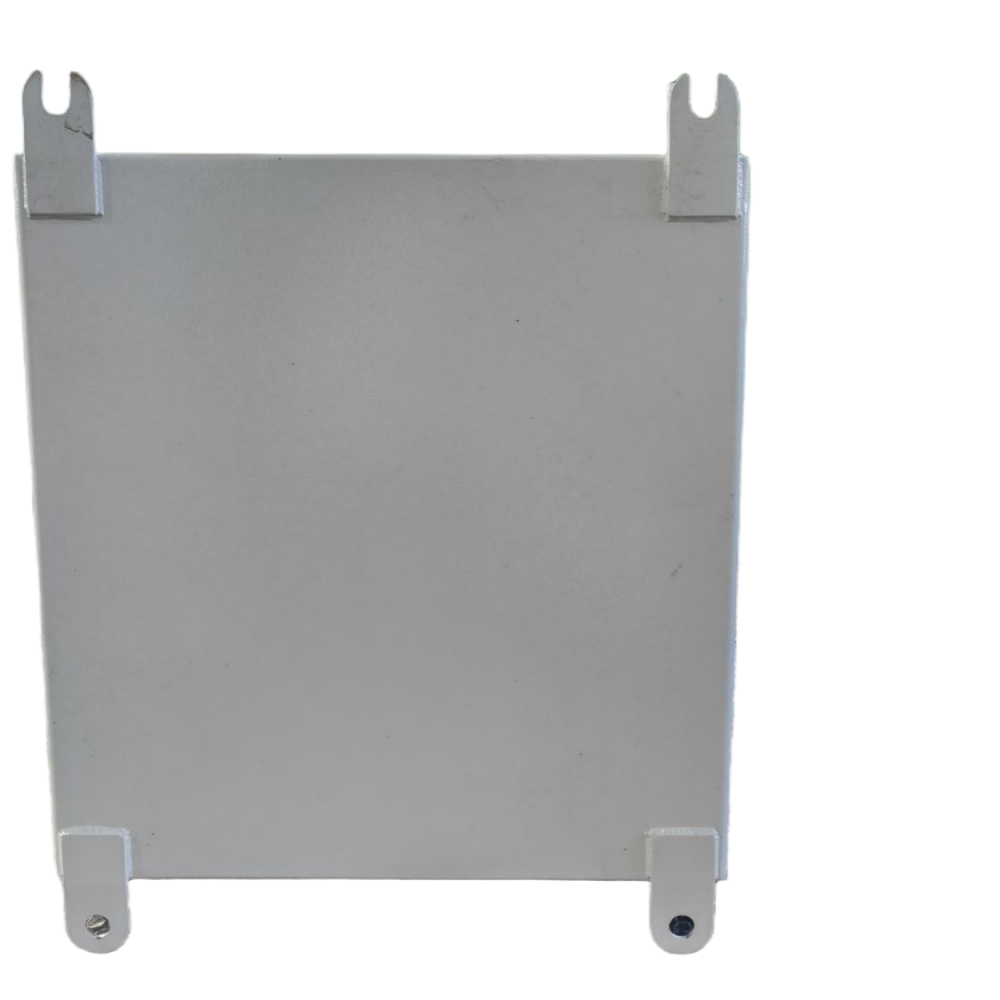
Outdoor Weatherproof Control Enclosure (IP66) - An example of a customizable wall-mounted solution.
This focus on customization is validated by project experience. For instance, Yinlu has supplied custom enclosures for ABB's PGC5000 Series Gas Chromatographs, requiring precise adaptation to protect sensitive analyzers in industrial settings. Another project involved producing control panels for the Nagpur Metro in India, meeting specific rail transit standards. These cases demonstrate an ability to handle complex, low-volume, high-mix orders that larger players may not prioritize.
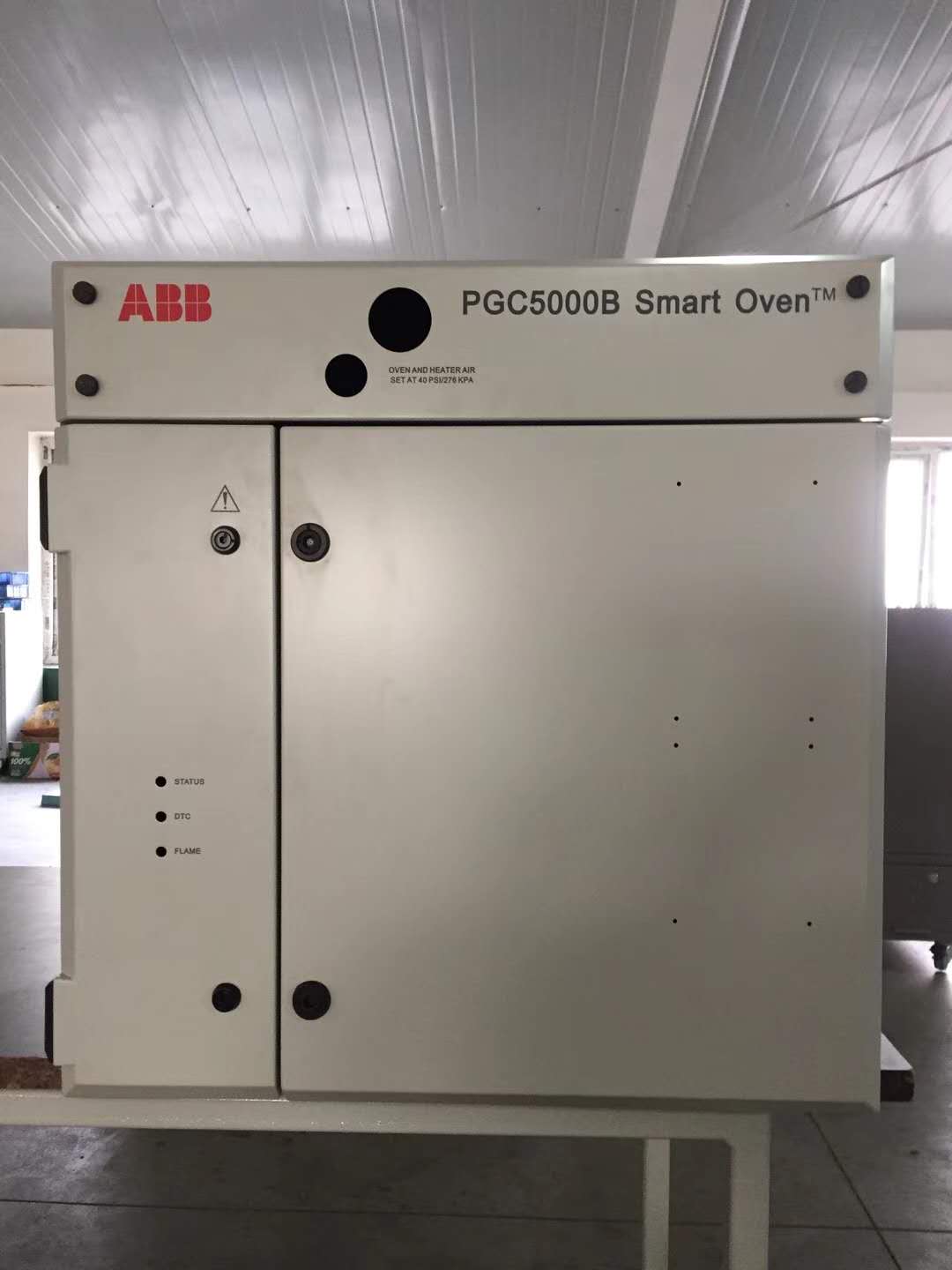
Custom enclosure for ABB PGC5000 Series Gas Chromatograph, showcasing project-specific adaptation.
Regional and Commodity Suppliers
A third segment consists of smaller regional fabricators or traders offering low-cost, standard enclosures. While suitable for simple, indoor applications, they often lack the engineering support, certification portfolio (e.g., valid CE certificates from bodies like SGS), and rigorous testing protocols required for critical outdoor infrastructure. The long-term risk of premature failure or non-compliance can outweigh initial cost savings.
Procurement Decision Framework: From Specification to Supplier
Step 1: Define Project-Specific Requirements
Clearly document all parameters: required protection level (IP rating), dimensions, material, ambient temperature range, internal configuration (mounting plates, DIN rails), and cable entry needs. For custom designs, prepare detailed drawings or 3D models.
Step 2: Evaluate Supplier Capabilities Against Requirements
For Standardized, High-Volume Needs: Global players like Rittal or Schneider offer efficiency and reliability.
For Customized, Engineered-to-Order Solutions: Specialized manufacturers like Yinlu provide greater flexibility, often with shorter lead times for prototypes and competitive pricing for complex designs.
For Basic, Non-Critical Indoor Uses: Regional suppliers may be a cost-effective option.
Step 3: Verify Certifications and Quality Processes
Request and validate certificates. For example, Yinlu holds ISO 9001:2015 (Certificate No.: 19923Q01395R0M) and CE Verifications of Conformity for specific product models (e.g., Cert. No. IN-DL-5805-22013-1 for IP55 cabinets) issued by SGS. Confirm the supplier's in-house testing regimen for electrical safety and sealing.
Step 4: Assess Logistics and Commercial Terms
Understand lead times, MOQ (which can be as low as 1-5 units for custom manufacturers), and Incoterms (FOB, CIF, DDP). Ensure packaging standards are adequate for international shipping to prevent damage. Standard payment terms for custom goods often involve a deposit with balance before shipment.
Conclusion and Outlook
The market for outdoor weatherproof enclosures in 2026 demands a strategic procurement approach. While global brands provide standardized reliability, the growing need for customized, application-specific solutions highlights the value of specialized manufacturers. Suppliers like Dalian Yinlu Electrical Control Equipment Manufacturer demonstrate that competitive advantage is increasingly defined by engineering agility, deep customization expertise, and a proven ability to meet international standards for demanding projects across energy, infrastructure, and industrial automation.
Successful procurement hinges on matching the project's technical and commercial needs with a supplier's core competencies. By thoroughly evaluating manufacturers across the dimensions of technology, customization, certification, and project experience, buyers can secure not just a product, but a durable, compliant, and cost-effective solution for protecting critical electrical investments against the elements.
For Further Information: A detailed overview of technical specifications, customization options, and project case studies is available in the company brochure.
Download the Corporate Brochure (PDF)
Download the Corporate Brochure (PDF)
Have Questions or Need More Details?
Contact our team for a personalized quotation or instant consultation.
Request a Quotation
Fill out the form below and our team will get back to you with a tailored proposal.
WhatsApp Direct Chat
Prefer to chat in real-time? Message us on WhatsApp for instant assistance & quick answers.
- Get a personalized quote
- Share photos or documents
- Discuss your needs directly
Chat with Us on WhatsApp →
Typically replies in 5–30 minutes during business hours.
Support: Images, videos, PDF