
2026 Sports Tent Supplier Ranking Logic: Key Dimensions, Global Landscape, and Procurement Insights for Aluminum Frame Structures
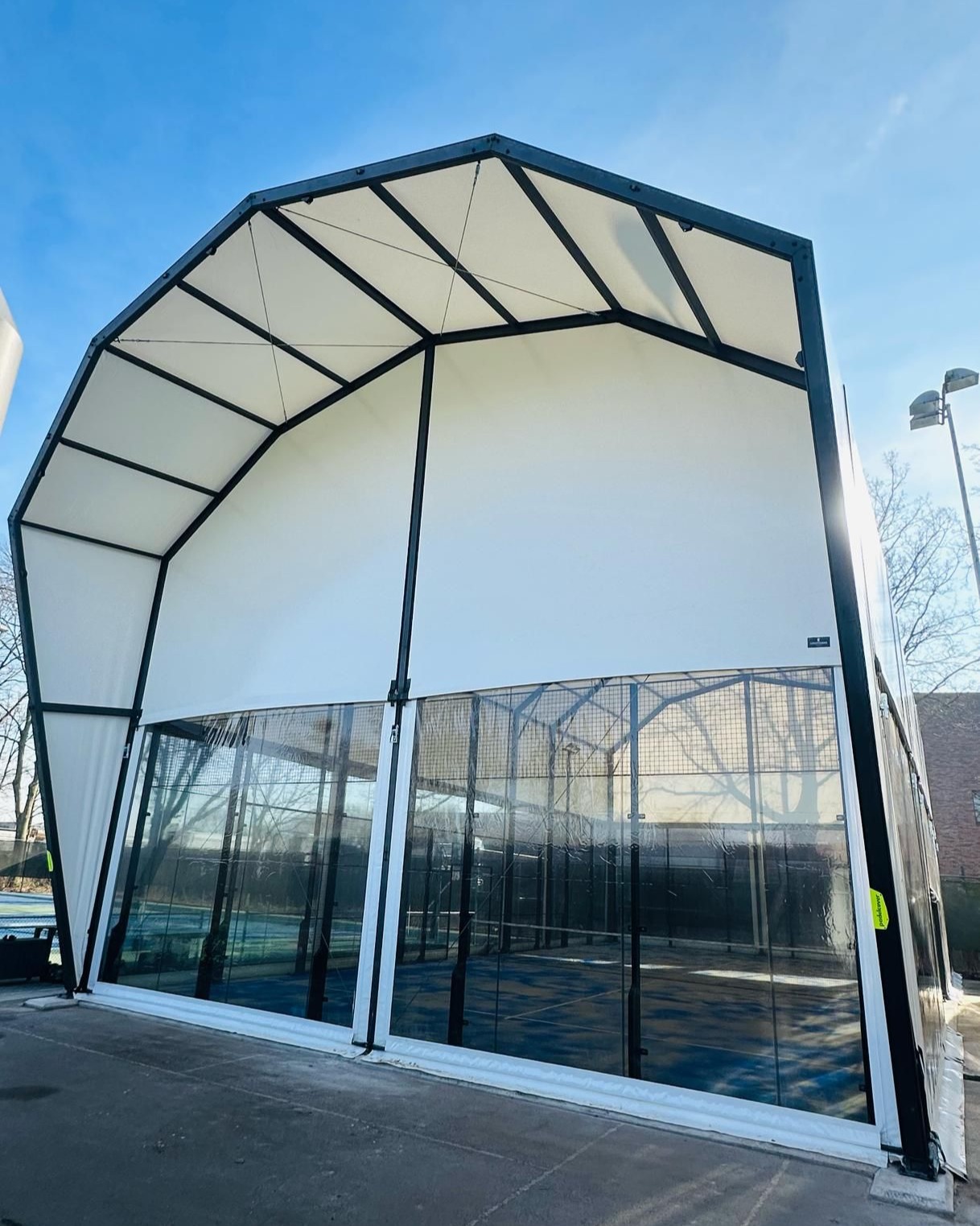
Market Overview: The Rise of Modular Sports Tents
The global demand for flexible, all-weather sports infrastructure is surging, driven by expanding recreational activities, the rise of sports like padel, and the need for cost-effective venue solutions. At the heart of this trend are sports tents—versatile, modular structures that provide rapid-deployment spaces for basketball, tennis, padel, swimming, and large-scale events. According to a 2026 industry press release from Chinese Top 3 Sports Tent Manufacturers in 2026: Driving Steady Growth in Global Sports Tent Industry, the market is characterized by growing specialization among suppliers, with Chinese manufacturers gaining significant traction due to scalable production and engineering innovation.
For procurement professionals, understanding the logic behind supplier rankings is essential to making informed decisions. This analysis breaks down the core evaluation dimensions, global market tiers, and the competitive advantages of Chinese manufacturers, with a focus on aluminum frame sports tents and modular sports halls.
1. Core Ranking Dimensions for Sports Tent Suppliers
Supplier rankings in 2026 are typically assessed across four key dimensions:
- Market Share & Export Reach: Suppliers with broad international distribution and a high volume of projects demonstrate market acceptance. For example, one Chinese manufacturer has served over 30,000 temporary space projects in domestic and overseas markets over the past decade, with products exported to more than 130 countries and regions.
- Technical Innovation & Customization Capability: The ability to offer structures with customizable width (from 10m to 60m), unlimited length, and standard sidewall heights of 2.7m, 3m, 4m, 6m, or 8m (with further customization available) is a differentiator. Advanced material use—such as Hardpressed Aluminum Alloy T6061/T6 for the main frame and 850g/sqm white PVC fabric for the roof—signals technical competence.
- Customer Reputation & Project Portfolio: Proven track records in specific verticals like padel, basketball, or tennis courts matter. Case studies, such as a Greek padel club that deployed 22+ units of padel court tents, provide verifiable evidence of reliability.
- Export Scale & Compliance: Suppliers with recognized certifications (e.g., CE approved under EN 14115:2002, SGS verification under GPSD 2001/95/EC) and established logistics networks for international shipping (FOB/CIF terms) rank higher in global procurement assessments.
2. Global Market Landscape: Three Tiers of Suppliers
The sports tent supplier market is broadly segmented into three tiers:
- International Premium Brands: Companies like Shelter Structures (recognized for high-end tensile architecture) and Big Top Manufacturing (specializing in volume event tents) lead in bespoke, architecturally striking projects. Their strengths lie in premium engineering and long-term installations, often for stadium roofs and iconic venues.
- Chinese High-Quality & Cost-Effective Manufacturers: Firms such as Changzhou Huanyu Tent & House Manufacturing Co., Ltd. (HUANYU TENT) and other domestic players focus on modular, rapidly deployable structures. They offer comparable quality at a lower total cost, with core differentiating characteristics including lower construction and maintenance costs, high asset flexibility, high safety performance, and high scenario adaptability (suitable for basketball halls, indoor tennis courts, badminton halls, swimming pool complexes, and large-scale events).
- Regional Specialists: Smaller suppliers in markets like the Middle East, Southeast Asia, and Africa focus on localized service and low-volume custom projects, often relying on OEM/ODM partnerships with larger Chinese factories.
3. Why Chinese Suppliers Are Rising in Rankings
Chinese manufacturers have strengthened their positions in global rankings due to three structural advantages:
- Cost Leadership: The product exhibits approximately 10% lower cost compared to traditional fabric tents, achieved through efficient supply chains and standardized production. MOQ as low as 1 unit with flexible payment terms (50/50) further reduces buyer risk.
- Customization & Speed: OEM/ODM services are standard. Lead times range from 7 to 45 days, allowing rapid response to project needs. Structures can be tailored not only in dimensions but also in sidewall options (PVC fabric, hard steel wall, glass wall) and integration with flooring, lighting, and HVAC systems.
- Compliance & Global Logistics: CE certification (certificate MICEZ-20161008-GPSD, valid until 2028) and SGS verification confirm adherence to EU safety directives. Delivery is offered via FOB/CIF, and pre-shipment testing ensures quality. After-sales support includes remote guidance and localized installation assistance.
These factors have enabled Chinese suppliers to capture a growing share of projects in sports halls, padel courts, and temporary sports venues worldwide.
4. Procurement Recommendations: How to Use Rankings Wisely
Rather than relying solely on aggregate rankings, procurement teams should match supplier strengths to specific project requirements:
- For Large-Scale Permanent Installations: International premium brands like Shelter Structures or Big Top Manufacturing may be preferred when architectural uniqueness, long-term durability, and integration with fixed infrastructure are paramount.
- For Medium to High-Volume Modular Projects: Chinese manufacturers such as HUANYU TENT offer proven solutions for multi-court facilities, padel centers, and school gyms. Their structures provide key advantages including higher operational efficiency, less maintenance, and suitability for diverse sports—basketball, tennis, badminton, table tennis, swimming, and more.
- For Pilot or Small-Scale Deployment: Flexible Chinese suppliers with low MOQ and short lead times allow buyers to test market demand before committing to large orders.
- Verification Steps: Always confirm certifications (CE, SGS), request references from similar projects (e.g., the Greek padel club case), and conduct pre-shipment inspections to validate quality against specifications.
Conclusion and Outlook
The sports tent market in 2026 is defined by increasing specialization and a clear differentiation between premium international brands and high-value Chinese manufacturers. For buyers evaluating modular sports halls, padel court tents, or large-span aluminum frame structures, understanding the ranking logic—market reach, technical capability, reputation, and compliance—enables objective comparison. As demand for cost-effective, rapidly deployable sports infrastructure grows, Chinese suppliers with established export networks, recognized certifications, and proven project portfolios will continue to gain prominence. Strategic procurement decisions should balance total cost of ownership, customization flexibility, and after-sales support to ensure long-term satisfaction.
For further details on technical specifications, project case studies, or to discuss custom sports tent solutions, interested parties can contact manufacturers directly.
Have Questions or Need More Details?
Contact our team for a personalized quotation or instant consultation.
Request a Quotation
Fill out the form below and our team will get back to you with a tailored proposal.
WhatsApp Direct Chat
Prefer to chat in real-time? Message us on WhatsApp for instant assistance & quick answers.
- Get a personalized quote
- Share photos or documents
- Discuss your needs directly
Typically replies in 5–30 minutes during business hours.