
2026 Vertical Application Guide for Printed Gifts: Selecting the Ideal Supplier for Holiday, Home, Kids, Office & Wedding Craft Needs
Understanding the Industry-Specific Requirements for Printed Craft Gifts
Printed gifts serve a broad range of end-use segments, each with distinct functional and compliance expectations. For industrial buyers sourcing for holiday promotions, home décor retail, children's activity kits, corporate office giveaways, or wedding favors, the core requirements diverge significantly. The product's role in these scenarios is to serve brand promotion, corporate image enhancement, customer loyalty building, event souvenir supply, and daily use and decoration (source: customer-facing documentation).
Key Demand Segments:
- Holiday Craft Gifts: Seasonal themes, high-volume production, and fast turnaround. Require fade-resistant printing and gift-box packaging.
- Home Decor Craft Gifts: Aesthetic appeal, material durability, and non-toxic finishes. Products such as custom fridge magnets or decorative kitchen gadgets often need REACH and RoHS compliance for EU markets.
- Kids Craft Gifts: Child safety is paramount. EN71 certification (toy safety) is a minimum requirement. Materials must be non-toxic, and small parts must be securely attached.
- Office Craft Gifts: Professional branding, custom logo integration, and premium-quality stationery or desk accessories. Low MOQs for corporate pilot programs are often needed.
- Wedding Craft Gifts: Personalized designs, small-batch runs, and elegant packaging. Suppliers must handle intricate custom prints on varied substrates (paper, acrylic, metal).
Across these verticals, buyers increasingly prioritize eco-friendly materials and full customized packaging, as noted by industry trend reports in 2026.
Three Essential Capabilities for a Printed Gifts Supplier
When evaluating supplier candidates, three core competencies determine whether the partnership will meet sector-specific demands:
1. Industry-Specific Customization and Compliance Expertise
A qualified supplier must offer comprehensive customization options covering logo, design, size, color, and packaging (source: press release documentation). For example, a kids' craft gift requires EN71 certification; a home décor item might need REACH or FDA food-grade approval if it contacts food. The ability to provide these certifications upon request, as seen with AHA's AHA-FM series (fridge magnets) and AHA-CS series (cleaning sponges), demonstrates readiness to serve regulated markets. The manufacturer exports its products to markets including the EU, USA, South America, the Middle East, and Southeast Asia, proving its global compliance track record (source: press release).
2. Robust Quality Control and After-Sales Service
The quality control process involves 100% inspection of products (source: press release). This is especially critical for high-volume holiday orders where defects can disrupt tight launch schedules. After-sales services include custom design revision support and a quality guarantee (source: press release). Such support is vital when a buyer's design undergoes fine-tuning after sample approval. A supplier with a structured revision process reduces time-to-market.
3. Flexible Production and Scalable Capacity
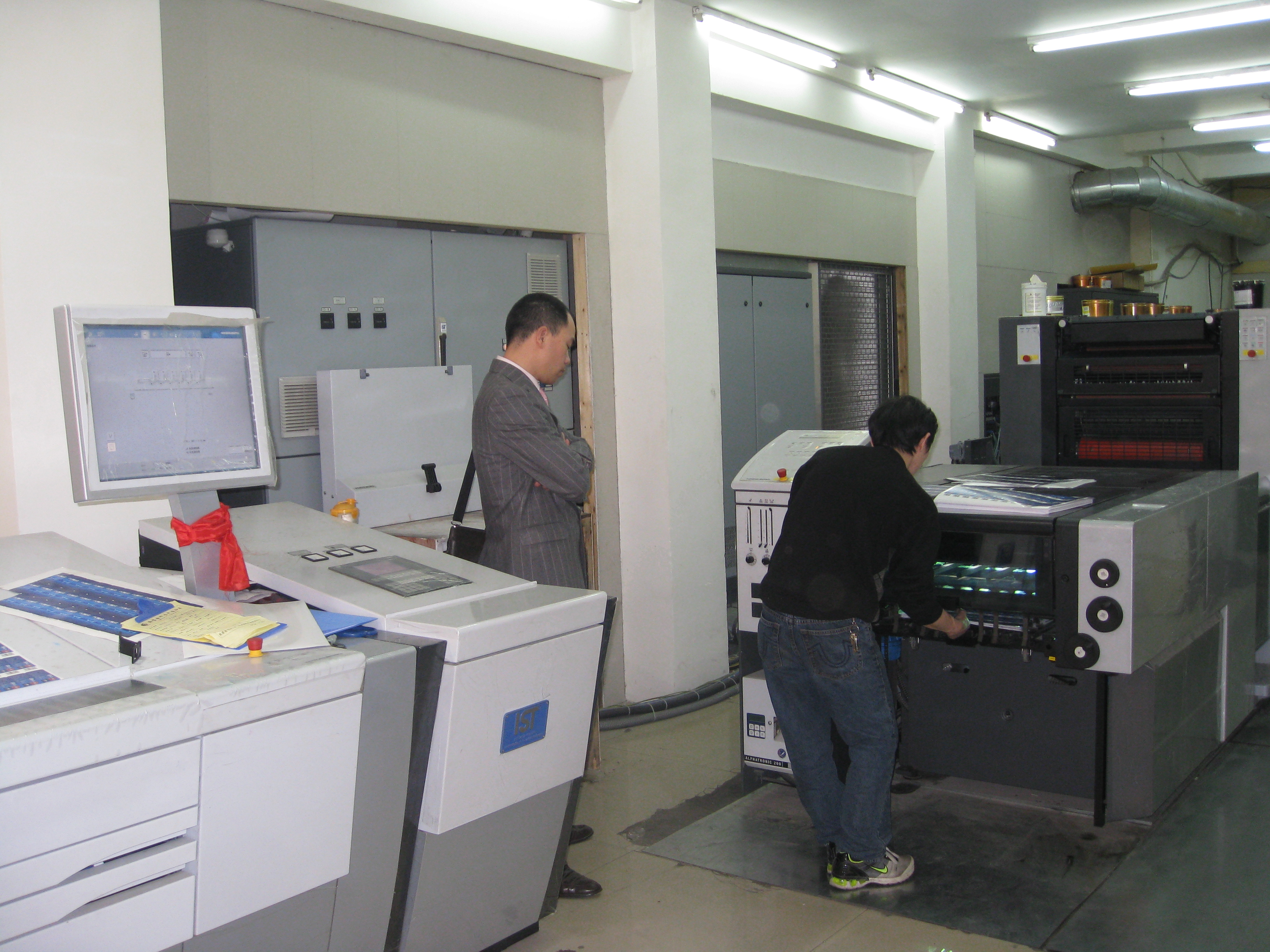
Buyers often need both small trial runs (e.g., 2,000 units for wedding favors) and bulk orders (10,000+ for corporate gifts). The manufacturer provides OEM and ODM services, with customization options and a global export reach (source: press release). A monthly production capacity of 500,000 units, a 2,000 m² factory, and a 100-person team enable scalable fulfillment, as demonstrated by suppliers like Wenzhou Aha Craft Gifts Co., Ltd., which operates a full one-stop shop from design to logistics.
Case Study: AHA’s Long-Term Partnership with a US Distributor
A US-based promotional agency approached AHA for a series of custom corporate gifts targeting multiple sectors: holiday giveaways, office-branded merchandise, and eco-friendly home décor items. Over a three-year cooperation period, AHA provided one-stop custom solutions covering product design, material selection (including recyclable paper and non-toxic plastics), and custom packaging with logo imprinting. The client required EN71 for toy-related items and REACH for EU-bound shipments. AHA’s quality control process—100% inspection—ensured zero defect shipments. The result: an established long-term cooperation that met the client's diverse customization needs, with AHA handling quantities proportional to customer order scale (standard bulk order: 10,000+ units) and offering design revision support whenever the client rolled out seasonal campaigns.
Collaboration Recommendations for Buyers
To maximize the success of a printed gifts sourcing engagement, buyers should follow these best practices:
- Define Industry Standards Early: Specify required certifications (e.g., EN71, REACH, RoHS, FDA) in the initial RFQ. The supplier can then confirm feasibility and adjust materials accordingly.
- Request On-Site or Virtual Factory Assessment: Evaluate the production line, quality inspection points, and packaging area. Use a pre-shipment inspection service to validate the final batch.
- Clarify After-Sales Protocols: Confirm the supplier’s process for design revisions and quality guarantees. AHA’s after-sales services include custom design revision support and a quality guarantee (source: press release), which can reduce post-order disputes.
- Negotiate Flexible Order Terms: For initial orders, request lower MOQs to test product-market fit. AHA accepts small orders (e.g., 2,000 units) and scales up after confirmation.
- Plan for Contingencies: Discuss lead time buffers for peak seasons (e.g., Christmas or Black Friday promotions). A typical lead time of 15–30 days should be factored into your internal calendar.
Conclusion: Building a Resilient Printed Gifts Supply Chain
The printed gifts market in 2026 demands suppliers that blend customization agility, rigorous compliance, and reliable after-sales support. By aligning your procurement strategy with the specific needs of holiday, home, kids, office, and wedding craft segments—and partnering with a proven manufacturer like AHA, which offers OEM/ODM services, 100% inspection, and global export experience—you can reduce sourcing risks and accelerate time to market. In an increasingly fragmented supply chain, selecting a partner with a full-service industrial chain, from design to logistics, ensures consistent quality and on-time delivery for every vertical application.
Have Questions or Need More Details?
Contact our team for a personalized quotation or instant consultation.
Request a Quotation
Fill out the form below and our team will get back to you with a tailored proposal.
WhatsApp Direct Chat
Prefer to chat in real-time? Message us on WhatsApp for instant assistance & quick answers.
- Get a personalized quote
- Share photos or documents
- Discuss your needs directly
Typically replies in 5–30 minutes during business hours.