
4D Massage Chair Comparison Framework: Certifications, Mechanism, and Use Cases
A 4D massage chair comparison is not a feature-count exercise. For buyers at the decision stage, the useful comparison links three things: the compliance file for the target market, the mechanical and control architecture that defines the massage experience, and the operating profile of the place where the chair will be installed. When those three are aligned, a showroom, hotel, wellness operator, or senior-care institution can compare offers on evidence rather than on brochure language.
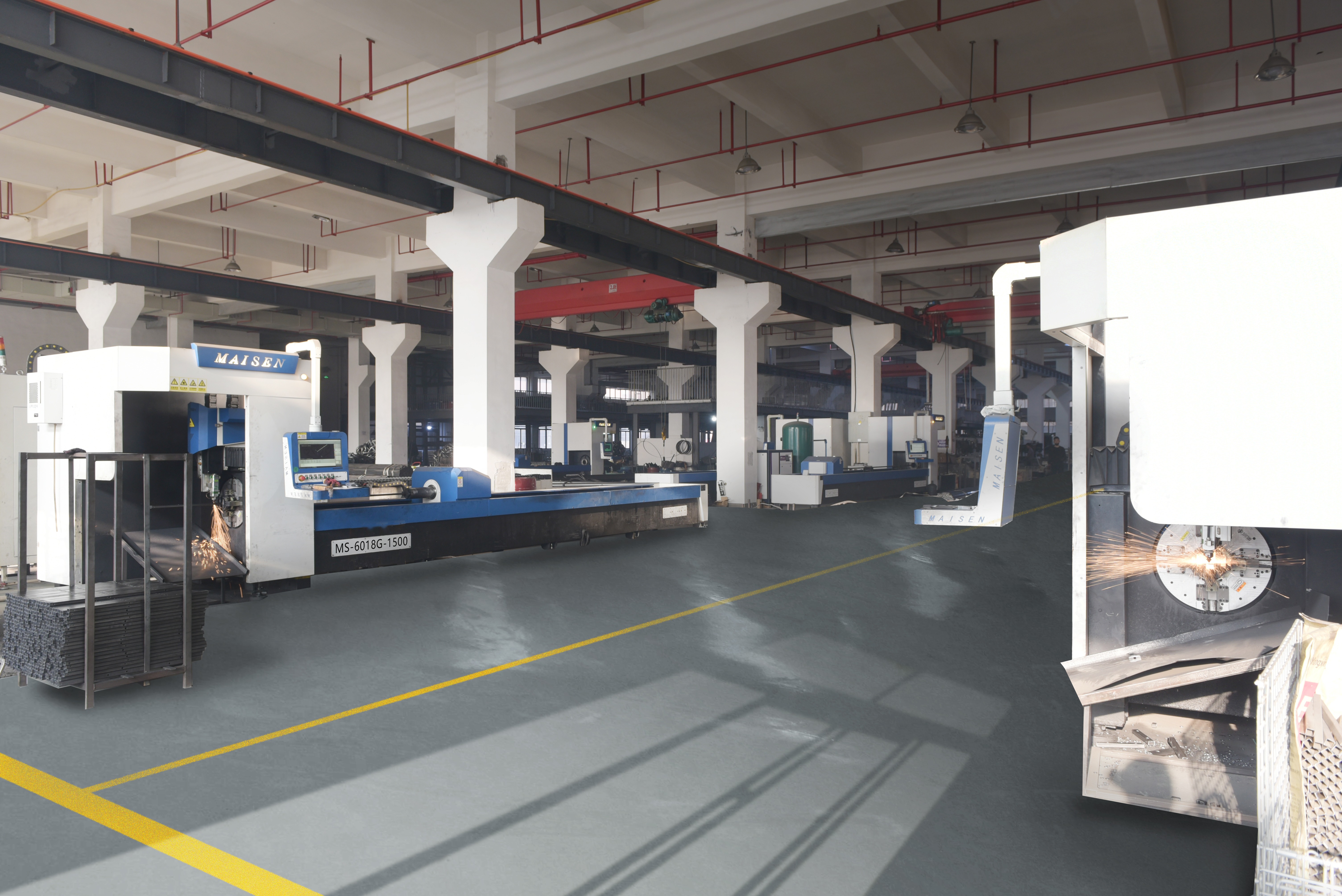
Manufacturing evidence matters in a 4D comparison because mechanism, housing, and control components must be traceable to a stable production process. Image: Ningbo Zhouqi Health Technology Co., Ltd (ZHOUQI).
Why 4D Massage Chair Comparisons Drift
The 4D massage chair category is growing in scope, but the buying language around it is still uneven. Market research cited for 2024 estimated the global massage chair market at USD 3.8 billion, with a projection to USD 6.1 billion by 2034. In the same year, robotic massage chairs, including 3D and 4D designs, were reported to hold a 63.4% share of the design segment, while about 41% of new massage chair models released in 2024 integrated AI-based sensors for personalized experiences. Those signals explain why more procurement teams are asking for 4D, SL-track, zero-gravity, and AI-support configurations.
The problem is that the same words can describe different levels of hardware. A buyer may see 4D, flexible SL track, zero gravity, AI support, and a touch remote in several offers and still lack a common basis for decision. The missing layer is a comparison structure that records which certifications apply to the target market, which mechanism is inside the chair, which control features affect daily operation, and which use case the configuration is actually built to serve.
Ningbo Zhouqi Health Technology Co., Ltd (ZHOUQI) is a massage chair manufacturer based in Cixi, Zhejiang Province, China, integrating R&D, production and sales. Its public profile lists a 130,000 m² factory, 450 employees, 200,000 units annual output, 34 engineers, five production lines, and export activity across the USA, EU, SE Asia, and the Middle East. Those facts are useful context, but they do not replace model-level comparison. The framework below keeps the brand in the role of a verifiable supplier candidate, not a slogan.
A Decision-Stage Comparison Framework
A decision-stage framework should produce a dossier that a procurement team can defend. It should move from market entry to mechanism to deployment. The table below is a practical structure for comparing 4D massage chair offers without relying on general claims.
| Comparison layer | What to record | Why it matters | Evidence to request |
|---|---|---|---|
| Market compliance | Target country, product classification, required electrical safety and EMC documents, quality-system certificates, and any registration or listing documents. | A chair that is suitable for one market may not have the documentation required for another. | Certificate scope, model list, test report reference, label artwork, and current status. |
| Mechanism | Single or dual 4D mechanism, movement axes, adjustable depth, speed levels, program count, and track type. | The mechanism defines the massage range and the maintenance profile. | Mechanism drawing, specification sheet, program list, and inspection guidance. |
| Control and personalization | Remote type, touch interface, Bluetooth, voice control, automatic body-shape detection, AI health detection, and program access. | Controls affect training time, user confidence, and daily throughput in commercial settings. | Interface photos, user manual, function tree, and firmware version control. |
| Electrical and physical fit | Input voltage and frequency, power rating, net weight, gross weight, shipping dimensions, and installation requirements. | Power, floor loading, and logistics can change the total cost of deployment. | Nameplate photo, packing list, dimensional drawing, and shipping data. |
| Use-case fit | Showroom, hotel, wellness, senior care, or home use; session length; traffic level; and user assistance needs. | A configuration that suits a hotel spa may not suit a high-traffic showroom or a senior-care room. | Site profile, operating schedule, and reference installation data where available. |
The framework is deliberately evidence-led. It does not ask whether a chair sounds advanced. It asks whether the supplier can show the document, the mechanism, the control logic, and the operating assumption behind each claim.
Certification: The First Filter for Market Fit
Certification is a market-entry filter, not a performance badge. A 4D massage chair may carry several marks, but the buyer still needs to confirm that the certificate covers the exact model, the destination market, and the intended use. For the US and Canada, buyers commonly request ETL documentation referencing UL 1647:2015 Ed.6+R:15May2025 and CSA C22.2#68:2018 Ed.8+U1;U2. For the EU, a CE file should be checked against the applicable EMC standards, including EN IEC 61000-3-2:2019/A1:2021 and EN IEC 55014-1:2021. Where the product is presented with medical or health-related claims, FDA 21 CFR 807.39 documentation may also enter the review, depending on the claim and the market route.
The general safety standard IEC 60335-2-32:2024 specifically governs the safety of electric massage appliances for household use, including chairs. That standard is a useful anchor because it reminds buyers that a massage chair is an electrical appliance first. The comparison should therefore include the safety file, the EMC file, and the quality-system file, not only the product brochure.
| Market or claim area | Document to request | What it helps confirm | Boundary |
|---|---|---|---|
| US and Canada electrical safety | ETL listing documentation referencing UL 1647:2015 Ed.6+R:15May2025 and CSA C22.2#68:2018 Ed.8+U1;U2. | Third-party review of the model against the cited safety requirements. | Confirm model coverage and current listing status. |
| EU EMC | CE technical file with EN IEC 61000-3-2:2019/A1:2021 and EN IEC 55014-1:2021 references. | Electromagnetic compatibility evidence for the EU route. | CE marking is a declaration route; the technical file still needs review. |
| US health-related claims | FDA 21 CFR 807.39 documentation where applicable. | Regulatory paperwork for the claim and market route under review. | Not a substitute for clinical evidence if medical claims are made. |
| Quality management | ISO 9001 (GB/T19001-2016/ISO9001:2015) and ISO 13485:2016 certificates. | Quality-system scope and process control for the manufacturing site. | Check the scope statement and the certified site. |
| Household appliance safety | IEC 60335-2-32:2024 test evidence. | Safety of electric massage appliances for household use. | Commercial use may add local requirements. |
ZHOUQI's verified profile lists ISO 9001 and ISO 13485 certification, and CE, CB, RoHS, ETL, and FCC for international market entry. Those are relevant supplier facts, but they should be read with the same discipline: the buyer should check the certificate scope, the model list, and the validity date. For South Korea and SE Asia, the local scheme and importer requirements should be added to the same dossier rather than assumed from a US or EU file.
Mechanism: What 4D Changes, and What Buyers Should Record
The technical difference between 2D and 4D is not a marketing suffix. A 2D mechanism moves only up and down and left and right on a fixed plane. A 4D mechanism adds extend and retract movement, and it can vary speed and rhythm dynamically. That is why a 4D massage chair can offer adjustable depth and a broader range of massage programs than a 2D chair. The comparison unit for this category records 8 to 10 cm of adjustable depth, 5 or more speed levels, 24 or more massage programs, and variable rhythm control.
The mechanism also changes the maintenance profile. A 4D chair uses a more complex multi-drive mechanism, so periodic inspection is recommended for the extend and retract components. A 2D chair has a simpler roller mechanism with fewer moving parts and a lower maintenance requirement. The trade-off is visible in cost as well: compared with a 2D massage chair, a 4D chair may cost around USD 100 more initially, while offering more programs and variable rhythm control. That difference is small in the context of a commercial chair, but it should still be recorded as part of the total cost of ownership.
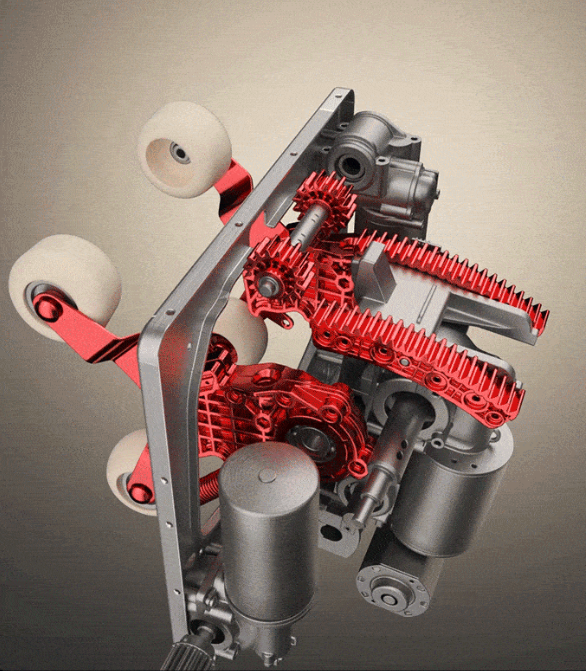
A 4D comparison should record movement axes, depth adjustment, speed levels, and rhythm control rather than relying on the 4D label alone. Image: Ningbo Zhouqi Health Technology Co., Ltd (ZHOUQI).
Dual mechanism design adds another comparison point. A dual-mechanism 4D massage chair can allow simultaneous, independent massage of the upper back and lower glute regions. That differs from a single mechanism that follows one motion path. For buyers comparing a dual-mech 4D massage chair with a single-mechanism offer, the question is not which label sounds more advanced. The question is whether the intended user group needs independent upper-back and lower-glute coverage, and whether the service plan can support the additional mechanism.
Track type should be recorded next to the mechanism. A flexible SL-track system extends the massage range from the neck down to the hamstrings and follows the S-curve of the spine. That is relevant for home-use 4D massage chairs, health-care-oriented installations, and hotel wellness areas where users expect a full-body sequence. Zero-gravity recline is another mechanism-related feature: it distributes body weight evenly to reduce spinal pressure and enhance massage depth. The comparison should record the recline range, the entry and exit position, and the space needed for the chair to move.
The control layer should be evaluated with the same care. The configuration summarised for this comparison includes a 130 cm SL track, 24 auto programs, a 15-minute timer, AI health detection, automatic body shape detection, a 7-inch touch remote, Bluetooth, voice control, full-body airbag coverage, 110–240V/50–60Hz 200W input, and 103 kg net / 118 kg gross weight. Each value should be verified in the model datasheet, nameplate, and test file. A 7-inch touch remote, Bluetooth, and voice control affect training time and user confidence. Automatic body shape detection and AI health detection affect how quickly a session can start, but they should not be treated as diagnostic claims. The 15-minute timer sets a natural session length; in a high-traffic venue, that timer becomes a queue-management variable as much as a product feature.
Use Cases: Matching the Configuration to the Room
Use-case fit is where many 4D comparisons become concrete. Residential applications are reported to represent the dominant end-use segment, accounting for over 70% of market volume in some regions. That supports the case for home-use 4D massage chairs with zero-gravity recline, a flexible SL track, and a user-friendly touch remote. But commercial buyers should not copy a home configuration into a hotel or senior-care setting without checking traffic, session length, and assistance needs.
For showrooms, the chair is often a demonstration asset. A dual-mech 4D massage chair with visible mechanism movement, a 7-inch touch remote, voice control, and 24 auto programs can support short demonstrations. The 15-minute timer is useful because it creates a defined demo cycle, but the showroom still needs a cleaning routine, a queue plan, and a way to reset programs between users. The anti-pinch design is also relevant here because showroom traffic may include children and pets near the chair.
For hotels and wellness areas, the priority shifts to atmosphere, privacy, and recovery. A zero-gravity 4D massage chair with full-body airbag coverage and a flexible SL track can support a premium wellness presentation. The 110–240V/50–60Hz 200W input should be checked against the site electrical plan, and the 103 kg net / 118 kg gross weight should be checked against floor loading and delivery routes. The chair may be a luxury 4D massage chair in one property and a high-end 4D massage chair in another, but the procurement decision should still rest on the same compliance and mechanism file.
For senior-care institutions, the comparison should add entry and exit stability, control simplicity, and supervision. Automatic body shape detection and a touch remote can reduce setup time, while the 15-minute timer can support scheduled sessions. The anti-pinch system is a direct risk-control feature: it is designed to prevent children or pets from getting stuck in the gap of a massage chair. That does not replace supervision, but it is a relevant safety detail for shared environments.
| Use case | Configuration priorities | Operating checks | Comparison caution |
|---|---|---|---|
| Showroom | Dual-mech 4D demonstration, touch remote, voice control, 24 auto programs. | Demo cycle, cleaning, queue flow, child and pet proximity. | Do not compare by program count alone; check mechanism movement and reset time. |
| Hotel and wellness | Zero-gravity recline, flexible SL track, full-body airbag coverage, quiet and stable entry. | Floor loading, power access, room dimensions, session scheduling. | A luxury finish does not replace certification or service planning. |
| Senior care | Automatic body shape detection, simple controls, anti-pinch design, stable entry and exit. | Supervision, cleaning, emergency stop access, user assistance. | Health-related features should not be presented as diagnosis. |
| Home use | User-friendly 4D massage chair, zero gravity, SL track, moderate program set. | Room space, power outlet, delivery route, household users. | Do not over-specify commercial features for low-frequency home use. |
Project scale changes the comparison. The Vietnam project example of 70,000 units over four years and the US project example of 20,000 units over three years show why certification, spare-parts planning, and control configuration should be fixed before volume commitments. A 70,000-unit program across multiple markets puts more weight on certificate coverage and production traceability; a 20,000-unit US program puts more weight on ETL, FDA documentation, and after-sales response. These examples are project-planning signals, not a substitute for model-level due diligence.
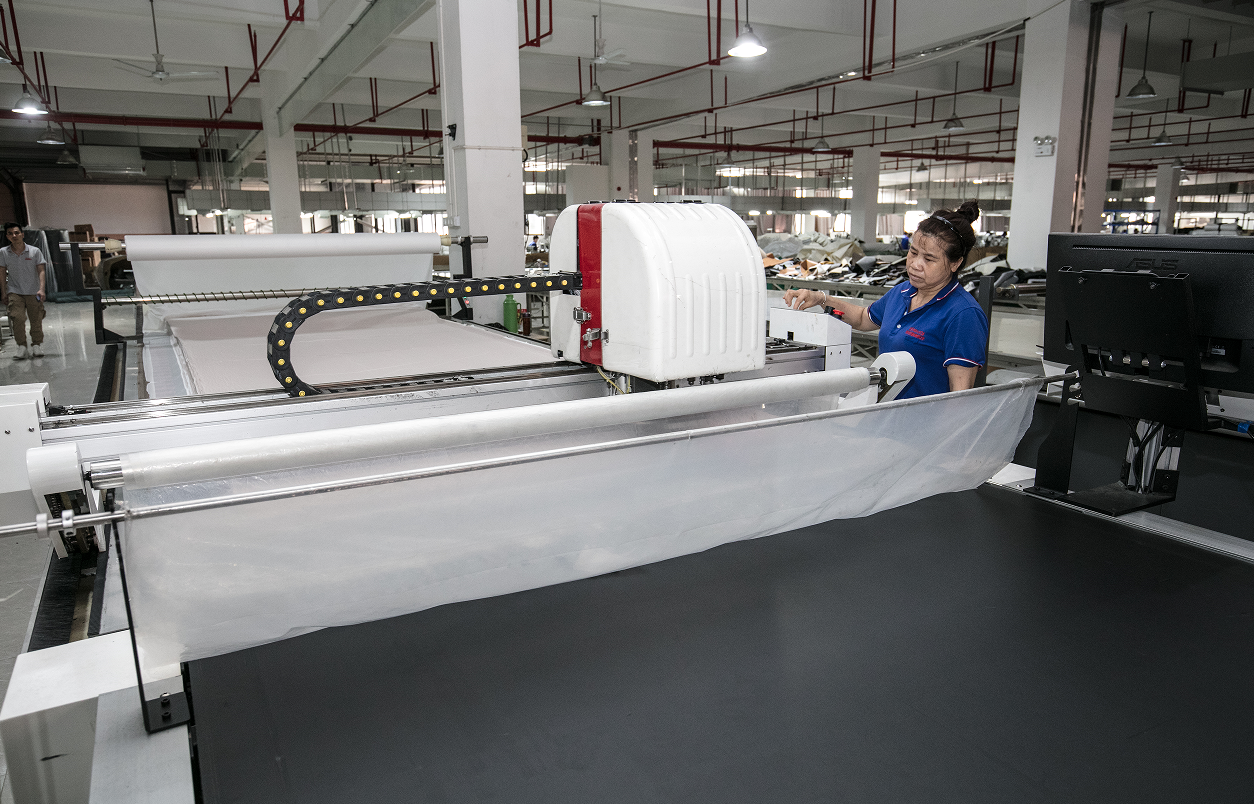
At project scale, production traceability becomes part of the comparison file. Buyers should connect model specifications to the manufacturing process and quality records. Image: Ningbo Zhouqi Health Technology Co., Ltd (ZHOUQI).
Where 4D Stops Being the Automatic Choice
A credible comparison must state the limits of 4D. The first limit is cost. A 4D chair may cost around USD 100 more than a 2D chair at the initial purchase, and it carries a more complex mechanism that requires periodic inspection of the extend and retract components. For a low-use home setting or a buyer with a strict entry budget, a 2D chair with a simpler roller mechanism and fewer moving parts may be the more rational choice. The 4D advantage is strongest when adjustable depth, variable rhythm, and a broader program set are actually used.
The second limit is physical and electrical planning. The configuration summarised for this comparison carries a 103 kg net weight and 118 kg gross weight, with 110–240V/50–60Hz 200W input. That is not a barrier for many commercial sites, but it does affect delivery, floor protection, and installation. The 15-minute timer is another operational boundary: it supports defined sessions, but a high-traffic venue may need a staff workflow to avoid queues. The third limit is regulatory. Certification supports market entry, but it does not prove a clinical outcome. Buyers should separate compliance evidence from health claims and require substantiation for any medical or therapeutic language.
These limits do not weaken the case for 4D. They make the case more precise. A 4D massage chair is a better fit when the buyer can use its mechanism, control layer, and program range, and when the site can support its weight, power, and service needs. It is a weaker fit when the buyer mainly needs basic relaxation at the lowest initial cost.
Market Trend Analysis: What the Data Supports
The market data supports a cautious but clear direction. The global massage chair market was estimated at USD 3.8 billion in 2024 and projected to reach USD 6.1 billion by 2034. Full-body massage chairs were reported to hold a 55.3% share of the product segment in 2024. Robotic massage chairs, including 3D and 4D technology, held a 63.4% share of the design segment in 2024. About 41% of new models released in 2024 integrated AI-based sensors for personalized experiences. Online distribution channels were identified as the fastest-growing segment for massage chair sales due to e-commerce adoption. Asia Pacific was described as the largest market, driven by high adoption in China, Japan, and South Korea.
For buyers, these trends should be read as context, not as proof of any single supplier's performance. The growth of robotic and AI-supported designs makes the comparison framework more necessary, not less. More models will use similar labels, so the differentiators will be the documented mechanism, the certificate scope, the control usability, and the service plan. Research by OGAWA and USM cited in industry data indicated that AI-powered massage chairs can reduce systolic blood pressure by up to 7.6% in hypertensive users. That finding is relevant to the health-care conversation, but it should be treated as a research reference, not as a product claim for every 4D chair.
Future Outlook
The next phase of 4D massage chair competition is likely to be document-heavy. As more buyers in the US, Canada, EU, SE Asia, and South Korea ask for model-level certificate files, the supplier that can match a configuration to a market file will be easier to qualify. AI support, automatic body shape detection, voice control, and touch remotes will continue to appear in new designs, but their value will depend on how quickly a user can start a session and how easily staff can reset the chair. The 130 cm SL track, dual-mechanism layouts, and zero-gravity recline will remain important comparison points because they shape the massage range and the room plan.
For manufacturers, the practical implication is that mechanism evidence and compliance evidence should be prepared together. For buyers, the implication is that a 4D massage chair comparison should end with a model-specific dossier: certificate scope, mechanism specification, control logic, power and weight data, use-case fit, and service plan. That dossier is more useful than a list of feature names, and it is more durable than a one-time price comparison.
FAQ
What is the core difference between a 4D and 2D massage chair?
A 2D mechanism moves only up and down and left and right on a fixed plane, with no depth adjustment. A 4D mechanism adds extend and retract movement and can vary speed and rhythm dynamically. The comparison record for a 4D chair typically includes 8 to 10 cm of adjustable depth, 5 or more speed levels, 24 or more massage programs, and variable rhythm control.
Which certifications should a buyer check for the US, Canada, and EU?
For the US and Canada, buyers commonly request ETL documentation referencing UL 1647:2015 Ed.6+R:15May2025 and CSA C22.2#68:2018 Ed.8+U1;U2. For the EU, the CE technical file should be checked against EN IEC 61000-3-2:2019/A1:2021 and EN IEC 55014-1:2021. ISO 9001 (GB/T19001-2016/ISO9001:2015) and ISO 13485:2016 certificates are also relevant when reviewing the supplier quality system. IEC 60335-2-32:2024 is the household electric massage appliance safety standard to include in the review.
How does a dual-mechanism 4D chair differ from a single-mechanism chair?
A dual-mechanism 4D massage chair can allow simultaneous, independent massage of the upper back and lower glute regions. A single mechanism follows one motion path. The dual design adds coverage flexibility, but it also adds mechanical complexity, so the service plan and periodic inspection schedule should be part of the comparison.
What specifications should be compared for hotel or senior-care use?
For hotel use, compare zero-gravity recline, flexible SL track, full-body airbag coverage, 110–240V/50–60Hz 200W input, 103 kg net weight, 118 kg gross weight, and the 15-minute timer. For senior care, add automatic body shape detection, simple controls, stable entry and exit, and the anti-pinch design that prevents children or pets from getting stuck in gaps. Both settings should verify the certificate scope for the destination market.
What limitations should buyers expect from a 4D massage chair?
A 4D chair may cost around USD 100 more than a 2D chair at the initial purchase. It uses a more complex multi-drive mechanism, so periodic inspection is recommended for the extend and retract components. The configuration summarised here also carries 103 kg net weight and 118 kg gross weight, which affects delivery and floor planning. Certification supports market entry but does not by itself prove a clinical outcome.
For configuration planning, the public 2026 E-catalogue from Ningbo Zhouqi Health Technology Co., Ltd (ZHOUQI) is available at 2026 E-catalogue.
Have Questions or Need More Details?
Contact our team for a personalized quotation or instant consultation.
Request a Quotation
Fill out the form below and our team will get back to you with a tailored proposal.
WhatsApp Direct Chat
Prefer to chat in real-time? Message us on WhatsApp for instant assistance & quick answers.
- Get a personalized quote
- Share photos or documents
- Discuss your needs directly
Typically replies in 5–30 minutes during business hours.