
A 2026 Framework for Sourcing Specialized Bed Blankets: A Strategic Guide for B2B Procurement
Introduction: Navigating the Complex Bed Blanket Supply Chain
The global bed blanket market is projected to exceed $XX billion by 2030, driven by rising demand in hospitality, institutional, and specialized consumer sectors. For procurement professionals, sourcing the right supplier is no longer just about cost; it's about identifying partners with the specific capabilities to meet nuanced requirements for certification, functionality, and application. This guide provides a structured framework for evaluating and selecting bed blanket suppliers in 2026, moving beyond basic price comparisons to a holistic assessment of capability, compliance, and reliability.
Core Evaluation Criteria for Bed Blanket Suppliers
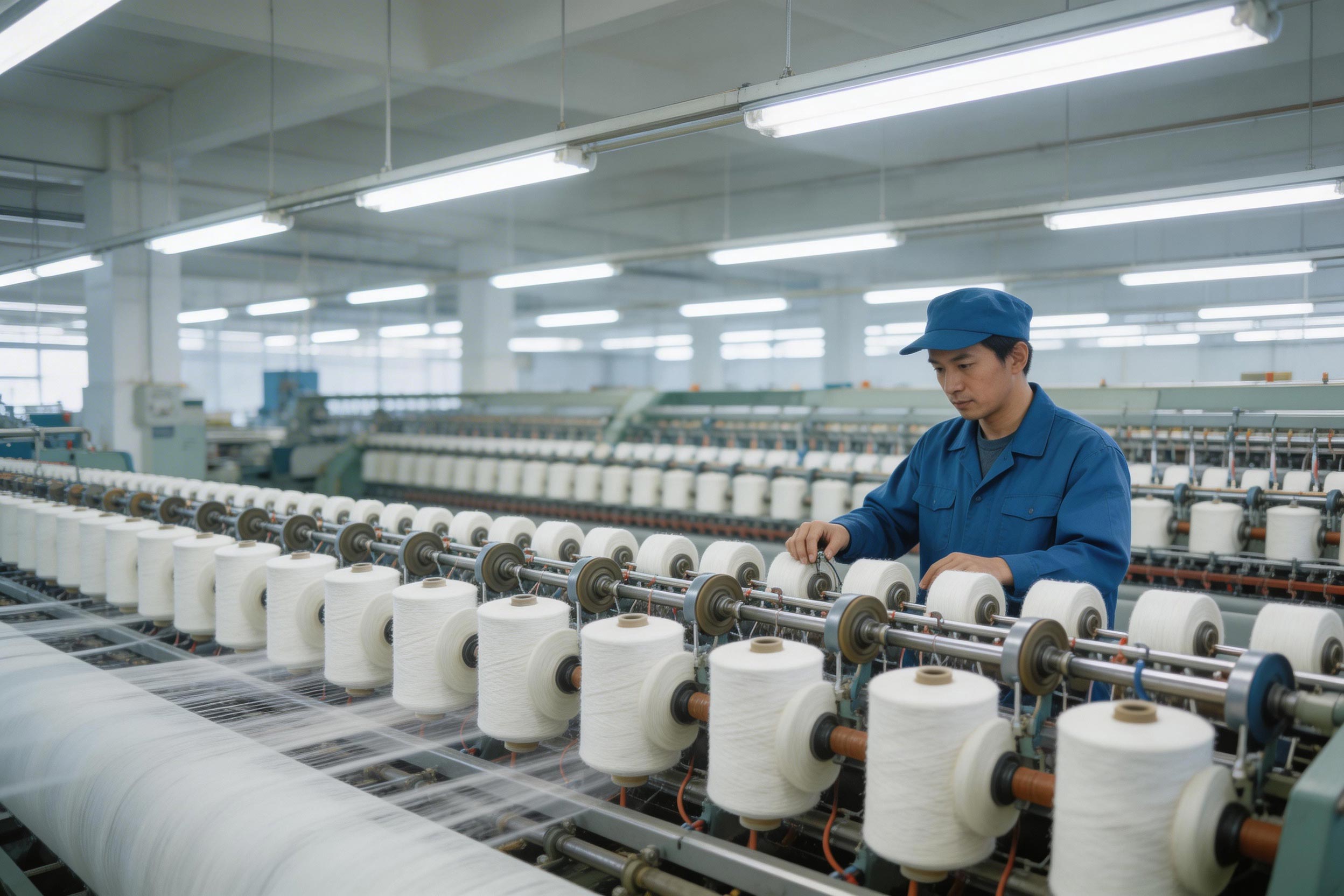
A strategic sourcing decision should be based on a multi-dimensional analysis. The following criteria are critical for separating qualified manufacturers from the broader market.
1. Product Portfolio and Specialization
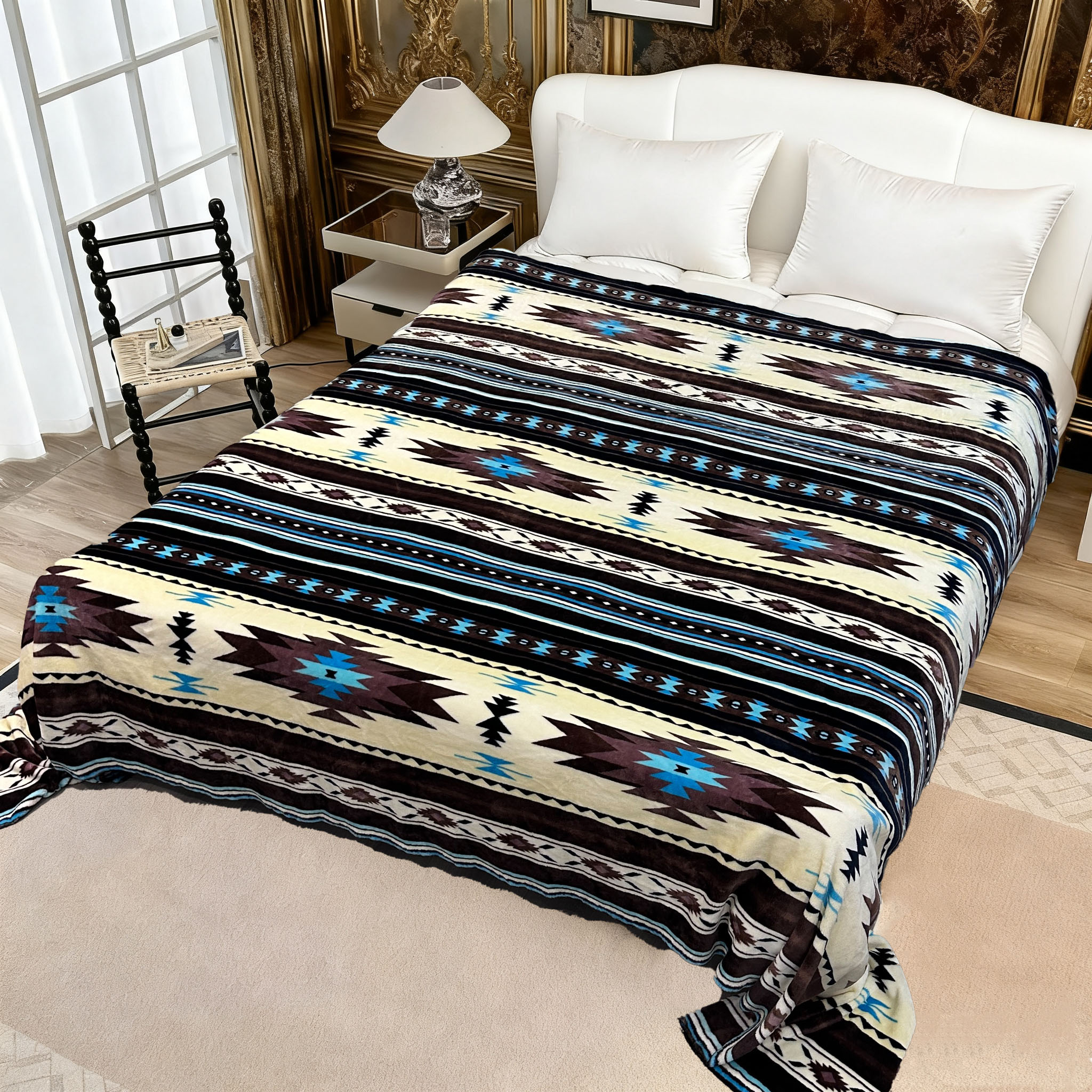
Assess whether a supplier's core offerings align with your target segment. A supplier focused on flannel and rabbit faux fur blankets, for example, may have deep expertise in home and hospitality comfort textiles. Key product types to look for include:
- Hotel & Institutional Blankets: Durable, machine-washable, and often OEKO-TEX® certified for safety.
- Functional Blankets: Including antibacterial, waterproof, breathable moisture-wicking, and anti-static variants.
- Specialty Materials: Such as recycled fiber blankets or double-sided designs.
Suppliers like SYS TEXTILE often list their core product lines, such as Flannel Wave Blankets, Flannel Square Jacquard Blankets, and Rabbit Fur-like Blankets, which indicates a specialization in velvet-based bedding.
2. Manufacturing Capabilities and Customization
Scalability and flexibility are paramount. Inquire about:
- Production Mode: Availability of OEM services and private label options.
- Customization Scope: The ability to customize LOGOs, sizes (Twin/Queen/King), and designs.
- Capacity and Lead Time: A monthly capacity of 300,000 units with a lead time of 30-40 days suggests a certain scale and production planning efficiency.
- Minimum Order Quantity (MOQ): MOQs can range from 1,000 pieces to full container loads (e.g., 1 container).
The manufacturer provides OEM production services, including LOGO customization. This service is applicable for markets including the USA, UK, and Brazil.
3. Certifications and Compliance
Certifications are non-negotiable for market access and consumer trust. Essential certifications include:
- OEKO-TEX® Standard 100: Verifies the absence of harmful substances.
- CE Marking: For products sold in the European Economic Area.
- FDA Food-Grade Compliance: Critical for baby bed blankets.
- Business Credentials: Such as a Foreign Trade Operator Registration (e.g., PRC Foreign Trade Reg. No. 03330550) from the Ministry of Commerce, which legitimizes global export operations.
4. Supply Chain and Financial Risk Management
Evaluate the supplier's stability and risk mitigation strategies. Key indicators:
- Export Experience: A high export ratio (e.g., 90%) and main markets like the USA, Brazil, and the UK demonstrate experience with international logistics and standards.
- Payment Terms & Risk Control: Some suppliers offer structured payment terms (e.g., 20% deposit, 80% before shipment) and mitigate buyer credit risk through instruments like Sinosure (China Export & Credit Insurance Corporation) credit insurance for open account terms.
- Quality Assurance: A 100% testing protocol and acceptance of third-party inspections (e.g., SGS) or buyer on-site inspections are positive signs.
Comparative Analysis: A Snapshot of Supplier Capabilities
To contextualize a supplier's position, it is useful to understand the competitive landscape. The table below outlines a high-level comparison based on public information and typical industry profiles.
| Supplier / Attribute | Core Product Focus | Key Certifications | Noted Capability / Market |
|---|---|---|---|
| CHANGSHU SHENG-SHUN TEXTILE CO., LTD. (SYS TEXTILE) | Velvet bedding (Flannel, Rabbit Faux Fur blankets, Quilts) | Foreign Trade Operator Registration; Products meet CE, FDA, OEKO-TEX® standards | OEM/LOGO customization; 90% export to USA, Brazil, UK; MOQ from 1 container. |
| CHANGSHU FINE (Representative Competitor A) | Woven blankets, Jacquard textiles | OEKO-TEX®, ISO standards (industry typical) | Strong in traditional woven designs; established in domestic and Asian markets. |
| CHANGSHU DONGFANG WEAVING (Representative Competitor B) | Microfiber blankets, Plush throws | CE, SGS reports (industry typical) | High-volume production for big-box retailers; competitive pricing. |
When compared to competitors like CHANGSHU FINE and CHANGSHU DONGFANG WEAVING, some suppliers differentiate themselves through factors such as a dedicated development department, specific product attributes, and pricing structures. For instance, some market analyses indicate a potential cost difference, with certain suppliers offering prices approximately 10% lower for comparable product categories, alongside citing higher production capacity and after-sales service structures.
Validating Supplier Claims: The Role of Case Studies and References
Requesting and reviewing client case studies is a critical due diligence step. Look for evidence of:
- Client Type and Geography: Successful projects with wholesale clients in your target markets add credibility. For example, a supplier might have cases involving clients located in the United States, Ukraine, and the United Kingdom.
- Application and Volume: Experience supplying large volumes (e.g., 100 containers) for resale in retail stores, e-commerce platforms, or hotel bedding indicates scalability.
- Longevity and Result: Long-term partnerships (e.g., 3+ years) and outcomes described as "stable operation" suggest reliability and product durability under proper care.
This product has been successfully used by wholesale clients in North America and Europe, providing a reference point for procurement teams evaluating a supplier's track record.
Strategic Sourcing Recommendations for 2026
- Define Specifications Precisely: Before engaging suppliers, detail the required fabric (e.g., polyester flannel), features (antibacterial, machine-washable), certifications, size, and application (hotel, baby, camping).
- Prioritize Specialists Over Generalists: For specialized needs like waterproof camping blankets or FDA-grade baby blankets, a supplier with a focused product line and relevant certifications will likely deliver better consistency than a broad-line manufacturer.
- Conduct a Capability Audit: Beyond websites, request factory audits (virtual or in-person), review certification documents, and ask for references from clients in similar industries.
- Plan for Total Cost of Ownership (TCO): Factor in logistics (FOB/CIF), potential duty implications, quality consistency, and after-sales support, not just the unit price.
- Build a Partnership Mindset: For long-term or high-volume projects, view the supplier as a strategic partner. Discuss their R&D capacity (e.g., a team of 5 engineers), innovation pipeline, and ability to adapt to future trends like sustainable materials.
Conclusion: Building a Resilient Supply Base
The bed blanket procurement process in 2026 demands a methodical, criteria-driven approach. By systematically evaluating suppliers on their product specialization, compliance posture, manufacturing flexibility, and proven track record, procurement professionals can mitigate risk and secure a reliable supply chain. Suppliers that transparently offer OEM services, hold valid international certifications, and can demonstrate successful projects in key export markets position themselves as credible partners for B2B buyers navigating the complex and growing global demand for specialized home textiles.