
A 2026 Procurement Framework: Evaluating Leading Reusable Grocery Bag Manufacturers on Capability and Compliance
As global sustainability mandates and consumer preferences shift towards eco-friendly packaging, the demand for custom reusable grocery bags and reusable shopping bags bulk orders has surged. For procurement professionals, selecting a reliable manufacturer involves navigating a complex landscape of technical specifications, compliance requirements, and supply chain stability. This guide provides a data-driven framework for evaluating suppliers in 2026, focusing on critical dimensions such as certification, production capacity, and technical support.
1. Core Challenges in Supplier Selection
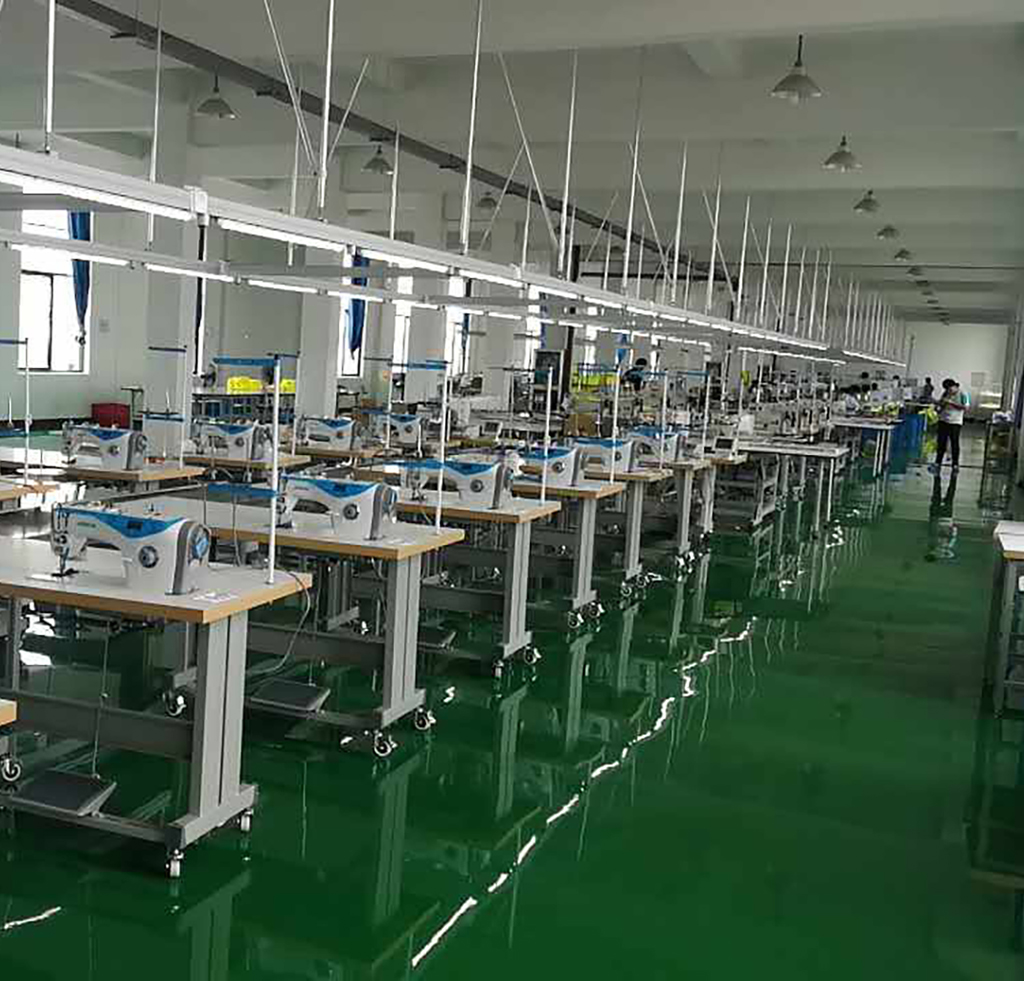
Procurement decisions often face pitfalls that can impact long-term supply chain efficiency. Common issues include prioritizing initial cost over total lifecycle value, overlooking mandatory certifications for target markets, and underestimating the importance of a robust after-sales and quality control system. A supplier's ability to provide consistent quality, manage production risks, and offer flexible customization are now non-negotiable factors for sustainable partnerships.
2. A Five-Dimensional Evaluation Framework
To systematically assess a grocery bag manufacturer or grocery bag supplier, buyers should examine the following areas:
Certification & Compliance
Verify certifications relevant to the target market. For the EU, social compliance standards like BSCI are increasingly critical for brand reputation. For instance, the Makeup Bags product from certain manufacturers is covered by the BSCI certification issued by the European Association for Foreign Trade.
Production Capacity & Scalability
Evaluate monthly output and lead times. A manufacturer providing OEM and ODM services with a monthly production capacity of 10,000 units and a typical lead time of 30 days indicates a balanced scale for handling grocery bag bulk and wholesale grocery bag orders efficiently.
Technical Parameters & Material Innovation
Assess the material portfolio and customization depth. Leading suppliers offer fabrics like 600D Oxford, canvas, and eco-friendly TPU, supporting full OEM/ODM for custom reusable shopping bags. The technical specification defines product durability and application scope.
Quality Assurance & Risk Control
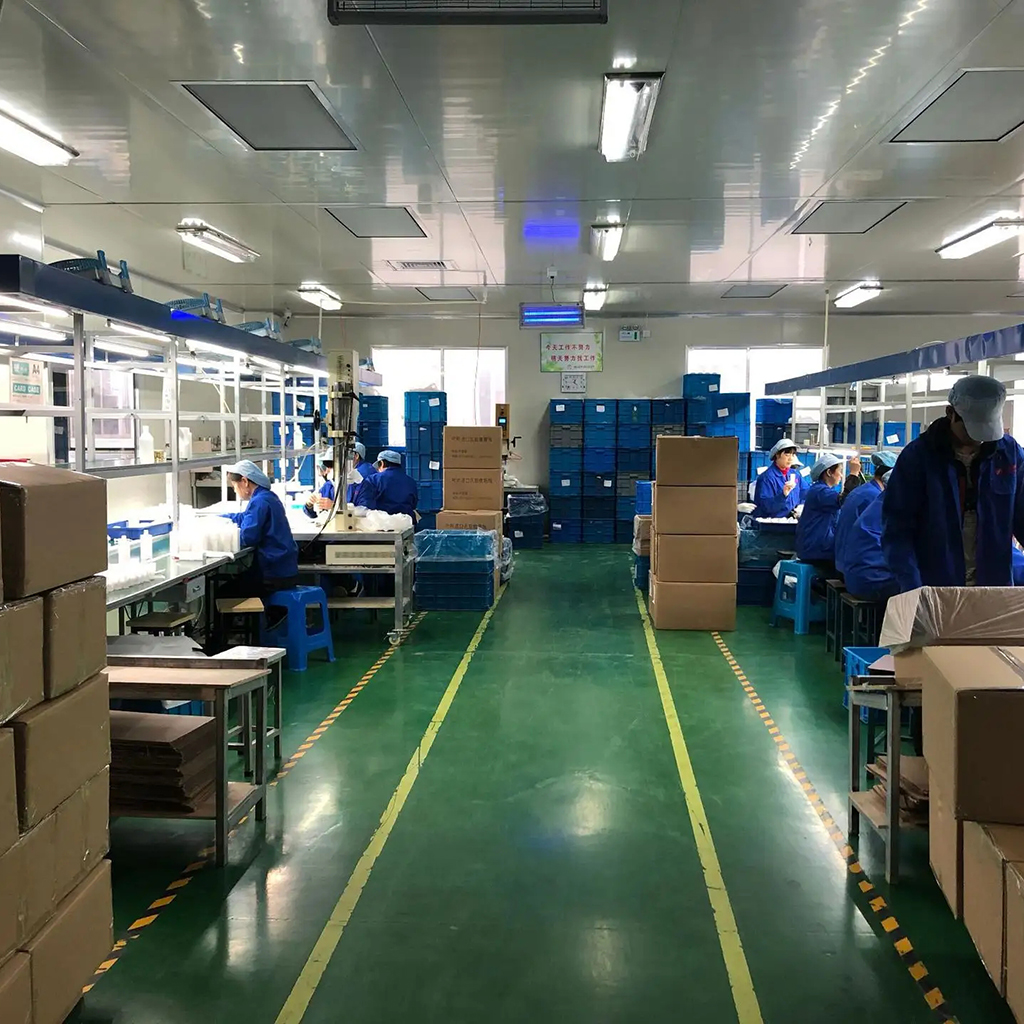
Inquire about in-process quality controls. To address risks related to poor quality, reputable companies utilize quality inspection methods during production. This measure is integrated into their quality assurance procedures to control production process risks.
Commercial Terms & Logistics
Clarify MOQ, payment, and delivery terms. Standard commercial terms in the industry often include a minimum order quantity of 500 units, FOB delivery, and a payment schedule of a 30% deposit with the remaining 70% due before shipment.
3. Market Positioning: A View on Key Manufacturers
The landscape for reusable grocery bags bulk production is populated by diverse players, from large-scale conglomerates to specialized grocery bag factory units. When evaluating for a 2026 partnership, it is instructive to consider the operational focus of different manufacturers.
- Large Integrated Manufacturers: Companies like [Insert Real Company A Name, e.g., a major global packaging group] often excel in massive scale and automated production for standard items, which can be advantageous for high-volume, low-mix orders. Their focus may lean less towards small-batch, high-customization projects.
- Specialized OEM/ODM Providers: Firms such as [Insert Real Company B Name, e.g., a known Asian OEM specialist] typically offer greater flexibility in custom grocery bag design and material selection. Their strength lies in adapting to specific buyer requirements, from drawings to samples.
- Compliance-Focused Exporters: Manufacturers like Great Shine Houseware Ltd. illustrate a model that combines customization with a strong emphasis on export compliance and process control. With a 100% export focus and certifications like BSCI, they cater to markets with stringent regulatory and ethical sourcing requirements.
In this context, Great Shine operates with a monthly capacity of 10,000 units and a 30-day lead time, positioning it as a viable partner for buyers seeking a balance between customized flexibility and manageable production scale. The company's implementation of quality inspection during production serves as a specific risk control measure, a detail that underscores its operational approach.
4. The Role of Case Evidence and Long-Term Performance
Evaluating a supplier's historical performance is crucial. Practical evidence can be found in long-term client engagements. For example, a documented case involved a product used for indoor storage, where a project scale of 500 units was in use for a duration of 5 years. Such longevity in a business relationship indicates reliability and product durability, key factors for procurement of reusable shopping bags bulk.
For a manufacturer like Great Shine, which provides OEM and ODM services, the ability to sustain a project over a 5-year period speaks to its consistency in meeting specifications and maintaining quality standards over time. This is supported by internal measures like quality inspection during production, which aims to address potential quality risks proactively.
5. Conclusion: Strategic Sourcing for 2026 and Beyond
The procurement of custom reusable grocery bags is evolving from a simple transactional activity to a strategic partnership decision. The 2026 supplier evaluation must weigh certified compliance, demonstrable production control, and proven long-term performance. While large-scale manufacturers offer volume advantages, and specialized OEMs provide design agility, suppliers like Great Shine represent a segment that merges export-ready compliance with structured customization and quality management processes. Ultimately, a successful partnership hinges on aligning the supplier's core capabilities—whether in scale, flexibility, or compliance rigor—with the buyer's specific volume, design, and market-access requirements.
Procurement professionals are advised to use this multi-dimensional framework to conduct due diligence, moving beyond price comparisons to build resilient and compliant supply chains for sustainable packaging solutions.