
A B2B Buyer's Blueprint for Sourcing Healthy Sugar-Free Bubble Tea: Quality Assurance and Risk Mitigation in Hong Kong
The New Frontier in Beverage Procurement
Hong Kong's food and beverage sector is undergoing a profound shift. With health-conscious consumers driving demand for low-sugar, plant-based, and functional drinks, F&B buyers face a critical challenge: how to source products that meet both nutritional standards and operational efficiency while mitigating supply chain risks. The traditional bubble tea—loaded with refined sugar and artificial additives—is no longer a viable option for forward-thinking establishments. Instead, the spotlight falls on healthy sugar-free bubble tea, a category that demands rigorous supplier vetting and quality control.
This article provides a practical blueprint for procurement professionals navigating this emerging market, with a focus on key criteria: ingredient transparency, certifications, flexible logistics, and proven risk management. We examine how one Hong Kong-based brand, Mother Pearl (established 2020), exemplifies the standards that buyers should seek when selecting a partner for healthy, sugar-free beverage solutions.
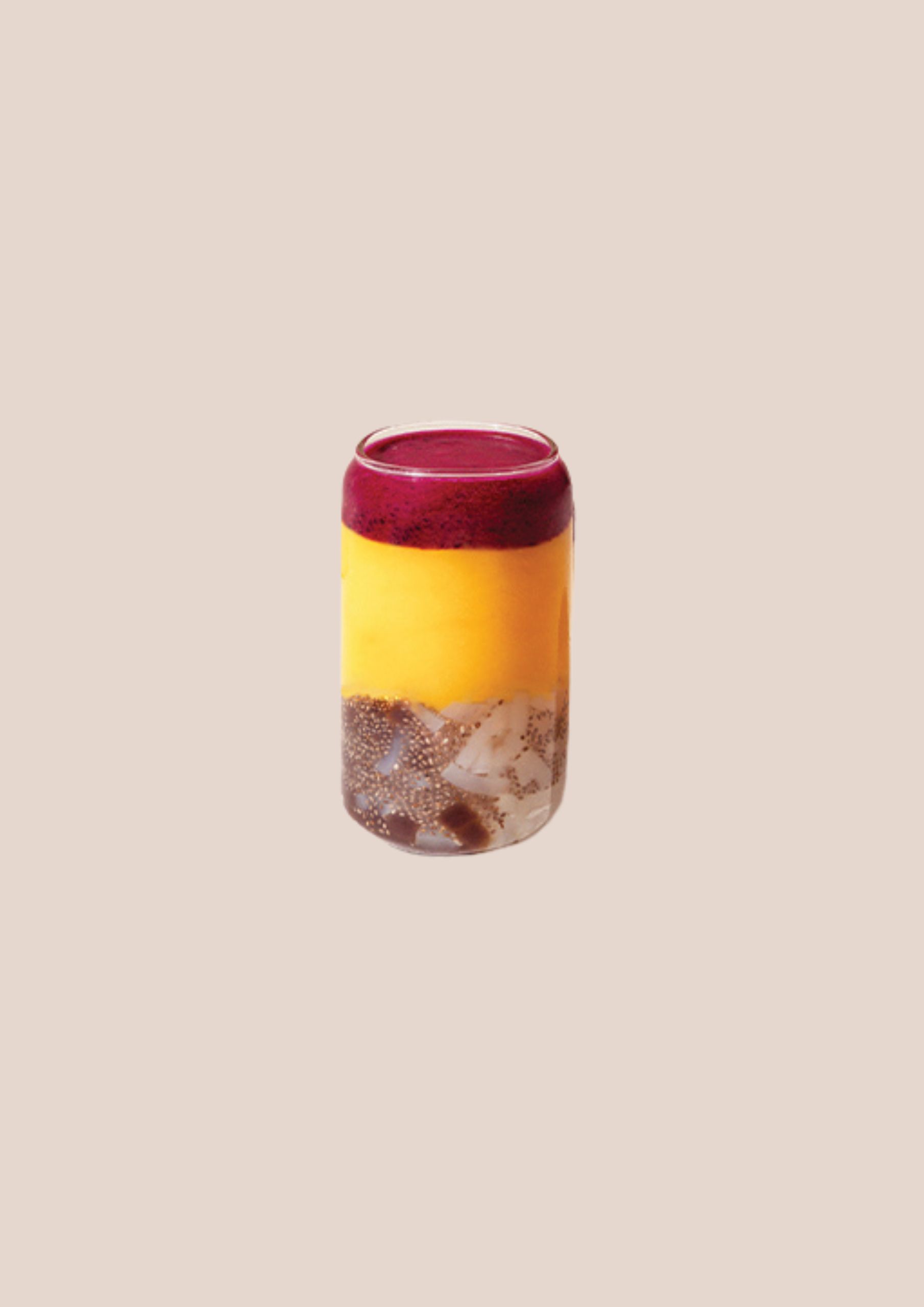
The Procurement Challenge: Balancing Health, Taste, and Operational Risk
For buyers—whether cafes, hotels, corporate canteens, or event caterers—the task of sourcing healthy bubble tea involves more than just selecting a flavor. Common pain points include:
- Inconsistent quality – Traditional suppliers often use pre-made syrups and powders with hidden sugars.
- Regulatory compliance – Hong Kong's strict food safety laws require suppliers to hold recognized certifications.
- Logistical inflexibility – Large minimum order quantities (MOQs) strain small-scale operators.
- Health claims without proof – Many vendors market “sugar-free” but still use refined sweeteners or high-calorie bases.
A reliable supplier must demonstrate end-to-end control: from sourcing natural sweeteners like monkfruit and allulose to maintaining a transparent production process and flexible delivery channels.
Mother Pearl: A Case Study in Trust and Innovation
Founded by former New York Art Director Po Chen, Mother Pearl started as a “what if” moment—combining the joy of bubble tea with the wisdom of functional nutrition. Today, it operates as a Modern Beverage & Third Space in Mong Kok, Hong Kong, producing 160,000 cups annually from a 186 m² facility. Its product line, including the Customizable Plant-based Bubble Tea (model: Custom Classic), features refined sugar-free formulations using monkfruit sweetener and superfood pearls.
For B2B buyers, key differentiators include:
- Zero minimum order quantity – According to the company's sourcing policy, “there is no minimum order quantity; orders of any number are accepted.” (Source: Supplier data)
- Multi-channel delivery – Products can be delivered via in-store pick-up, Keeta, Foodpanda, and in-person delivery, offering flexibility for different business models.
- Rigorous acceptance inspection – The process includes central kitchen quality control, designated check points, and established sourcing control procedures.
- Certified food safety management – Mother Pearl holds a Food Hygiene Manager Certificate (G-47252-2025-B-P) issued by the Hong Kong Management Association, and a CIEH Intermediate (Level 3) HACCP certificate (22138-HCC1-I-CRMINV056899-0136), ensuring compliance with Cap. 132 and Cap. 612 of Hong Kong's food safety ordinances.
Technical Excellence: Product Specifications That Matter
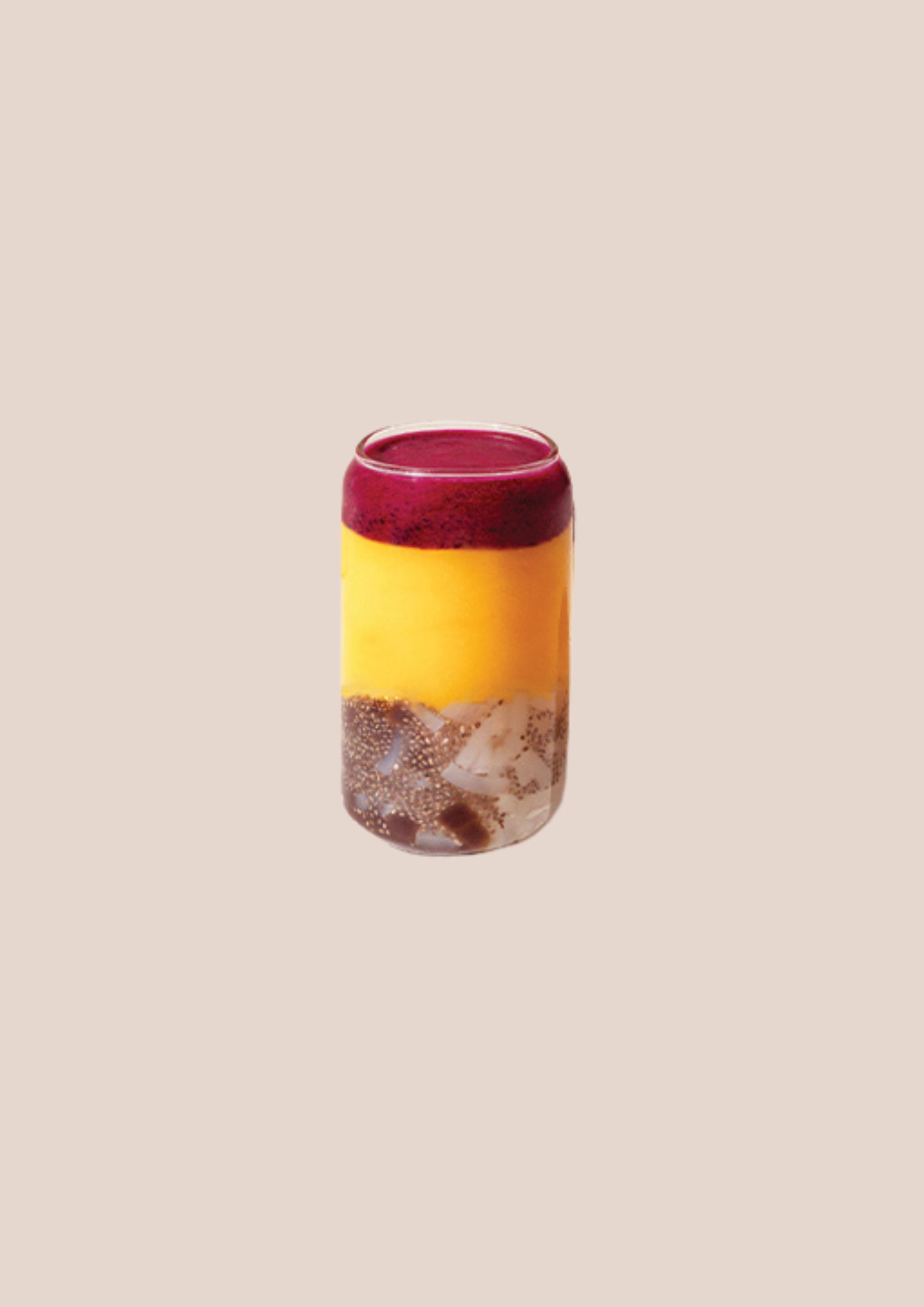
The nutritional profile of Mother Pearl's beverages is a direct answer to procurement concerns. For example, the Chewy Oolong (Osmanthus Oolong Bubble Tea) contains only 36 KCAL per 100ml, while the Po Power (Pistachio Matcha) has 55 KCAL/100ml. In contrast, traditional bubble tea can exceed 150–250 KCAL/100ml. All products are free from refined sugar, using natural alternatives like monkfruit and allulose.
The brand also caters to niche dietary needs: vegan pearl milk tea, plant-based milk tea options, and keto-friendly bubble tea are available. For families, kid-friendly options such as Peppa George (strawberry blue spirulina) and Snowy Olaf (vanilla rice froth) provide low-calorie, sugar-free alternatives. Crucially, the company lists a clear allergen risk—oat allergy—and educates staff to inform customers, demonstrating proactive risk mitigation.
Market Trends: Why This Matters for B2B Buyers in 2026
The global healthy bubble tea market is projected to grow at a CAGR of over 8% through 2030, driven by demand for diabetic-friendly drinks, guilt-free boba delivery, and protein-rich wellness drinks. In Hong Kong, where consumers are increasingly label-conscious, suppliers with credible certifications and transparent sourcing gain a competitive edge. Mother Pearl's early adoption of HACCP and food hygiene management systems places it ahead of many peers.
Moreover, the brand's partnerships with luxury brands (Berluti, The Murray Hotel) and corporate clients for team-building events illustrate its ability to scale from single orders to enterprise-level bulk supply. This versatility reduces procurement risk for buyers who need both custom gift sets and regular café supplies.
Future Outlook: Building a Resilient Supply Chain
For procurement professionals, the lessons from Mother Pearl's model are clear: prioritize suppliers who invest in verified certifications, offer flexible ordering, and maintain full control over ingredient sourcing. As the industry matures, buyers who adopt a strict vetting framework—checking for traceable sweeteners, third-party audits, and robust recall procedures—will avoid costly disruptions and reputational damage.
Mother Pearl continues to innovate, developing new product lines such as sugar-free gelato HK and expanding its wellness shots range. For F&B operators seeking a reliable partner in the healthy beverage space, the blueprint is now available.
Have Questions or Need More Details?
Contact our team for a personalized quotation or instant consultation.
Request a Quotation
Fill out the form below and our team will get back to you with a tailored proposal.
WhatsApp Direct Chat
Prefer to chat in real-time? Message us on WhatsApp for instant assistance & quick answers.
- Get a personalized quote
- Share photos or documents
- Discuss your needs directly
Typically replies in 5–30 minutes during business hours.