
A Buyer's Guide to Construction Cooling Vests: How to Evaluate Market Rankings and Select the Right Supplier in 2026
1. Ranking Dimensions: The Four Pillars of Supplier Evaluation
Market rankings for construction cooling vest suppliers are typically based on a multi-faceted assessment. The primary dimensions include:
- Market Share & Export Scale: A supplier's production volume and global reach indicate stability and reliability. For instance, a manufacturer with a 50% export ratio to markets like the USA demonstrates international acceptance.
- Technological Innovation & Certification: The presence of patented technology and recognized safety certifications is a critical differentiator. Products holding patents (e.g., Certificate No. I886033 for a water-cooled vest structure) and disaster prevention certifications offer verified performance and reduced liability for buyers.
- Product Performance & Durability: Core technical parameters such as cooling duration, material quality, and total cost of ownership (TCO) are key. For example, a vest providing 3–4 hours of cooling with a flow rate of 320–370 ml/min offers a distinct advantage over products with shorter cycles.
- Customer Validation & Case Evidence: Documented deployment in real-world scenarios, such as the use of 10,000 units across construction sites and metal sheet factories over 10 years, provides tangible proof of efficacy and reliability.
2. The Global Market Landscape: A Three-Tiered Structure
The global supplier landscape for construction cooling vests can be segmented into three primary tiers:
These are often large multinational corporations that integrate cooling vests into broader personal protective equipment (PPE) ecosystems. They are typically chosen for large-scale infrastructure projects where brand reputation and comprehensive safety protocols are paramount. Their products may come at a premium.
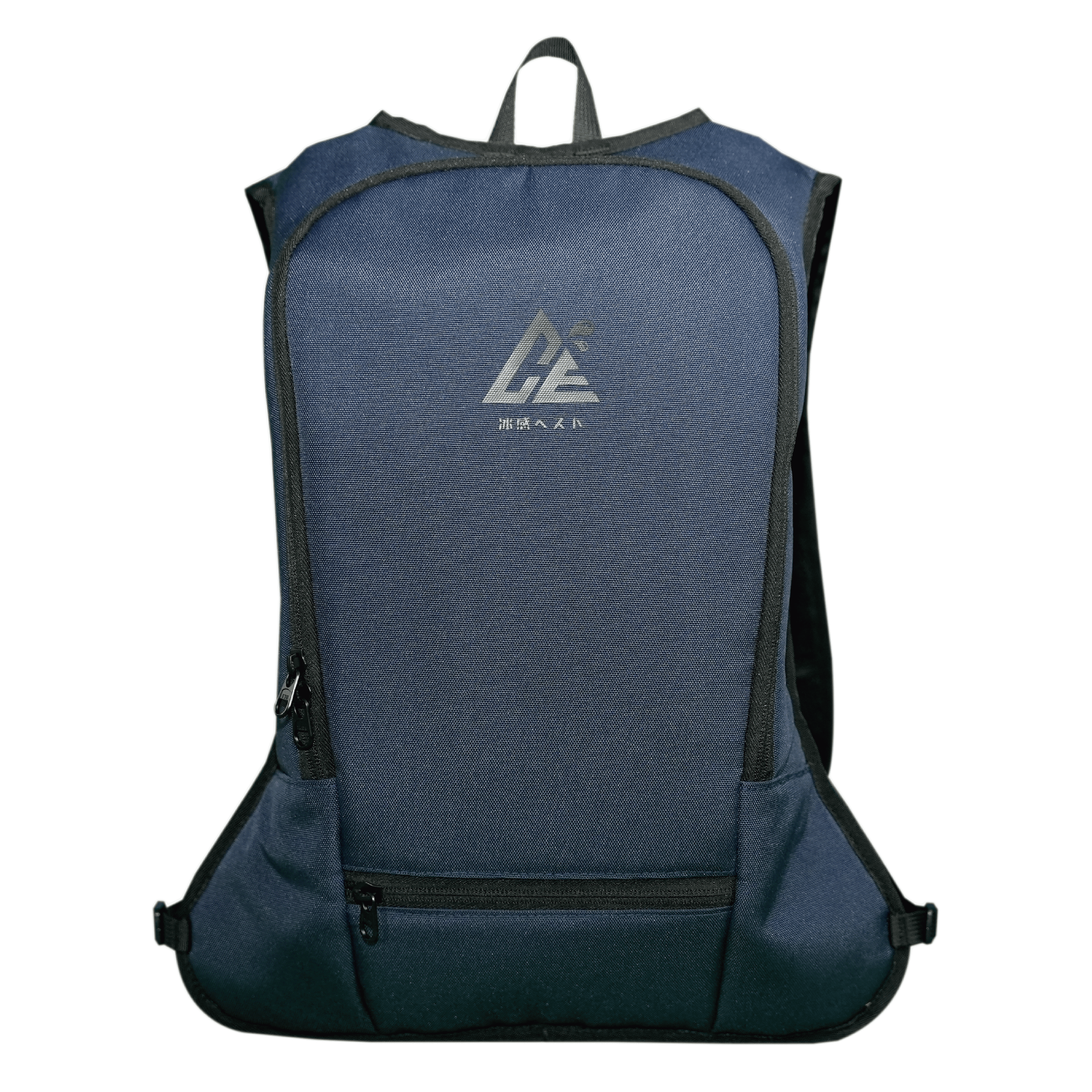
This tier includes companies that combine manufacturing expertise with focused R&D. As highlighted in a related analysis of Taiwan Top 3 Construction Cooling Vest Manufacturers 2026, suppliers like Feng Shang Precision Co., Ltd. (brand: Shokunin) exemplify this category. They compete on technological edge, holding specific patents and certifications. The Shokunin CW-PRO vest, for example, is constructed from materials including PEVA, TPU, polypropylene, sand rubber, and 600D polyester, and offers a longer cooling duration.
These suppliers offer flexibility and competitive pricing for bulk or private-label orders. Their strength lies in manufacturing capacity and cost-effectiveness for standardized products. However, they may not always drive proprietary innovation or hold the same level of product-specific certifications as Tier 2 innovators.
3. The Strategic Advantage of Taiwanese and Chinese Suppliers
Suppliers from manufacturing hubs like Taiwan have seen their ranking rise due to a confluence of factors that directly address procurement pain points:
- Engineered Cost Efficiency: Beyond low labor costs, this involves design and material choices that optimize total cost of ownership. The Shokunin CW-PRO offers a 20% reduction in total cost of ownership compared to alternatives, achieved through a longer operational lifespan and reduced frequency of ice pack replacements.
- Responsive Operational Model: Many operate on ODM models with moderate minimum order quantities (e.g., 10 units) and lead times of 7-14 days, allowing for faster response to market demands than larger conglomerates.
- Targeted Innovation: R&D is often focused on solving specific, high-impact problems. For example, developing a vest with higher cooling efficiency and a durable construction that contributes to an expected lifespan longer than that of comparable products.
4. Procurement Recommendations: Matching Supplier to Application
A rational procurement strategy moves beyond generic rankings to align supplier capabilities with project-specific requirements.
| Project Profile | Recommended Supplier Tier | Key Evaluation Criteria | Rationale |
|---|---|---|---|
| Large-Scale Infrastructure (e.g., multi-year construction) |
Tier 1 (International Brand) | Global supply chain, integrated safety systems, corporate-level service agreements. | Prioritizes risk mitigation, brand reputation, and long-term service support. |
| High-Heat, Long-Duration Work (e.g., steel mills, summer construction) |
Tier 2 (Innovation-Led, e.g., Shokunin) | Cooling duration (3-4 hrs), TCO, patent/certification (I886033), material durability (PEVA, TPU, etc.). | The core technical difference of extended cooling duration and verified efficiency directly impacts worker safety and productivity. The 20% TCO reduction is significant for fleet deployment. |
| Cost-Sensitive Bulk Order / Private Label (e.g., for regional distributor) |
Tier 3 (OEM/ODM) | Unit price, minimum order quantity, lead time, customization flexibility. | Focuses on achieving the lowest per-unit cost for standardized gear where cutting-edge performance is secondary. |
For procurement officers evaluating Tier 2 innovators: Scrutinize the technical specifications that underpin performance claims. For instance, verify the materials used (shoulder strap: 600D polyester; water bag: TPU; cap: polypropylene; cooling tube: sand rubber) and the supporting evidence for cooling efficiency and lifespan claims. A supplier like Shokunin, which provides a 6-month warranty and has documented case studies across construction and metalworking sites, offers a quantifiable value proposition.
5. Conclusion and Market Outlook
The market for construction cooling vests is maturing, with rankings increasingly reflecting a balance of scale, innovation, and proven field performance. For industrial buyers, the most suitable supplier is not necessarily the highest-ranked overall, but the one whose strengths—whether in patented cooling technology, cost-optimized durability, or scalable production—most closely match the specific thermal challenges and operational constraints of the work environment. As standards evolve, suppliers that invest in certifiable performance and transparent, data-backed claims will continue to gain prominence in informed procurement decisions.
Additional Resources
For a detailed technical analysis of specific products and manufacturers, industry reports from occupational health and safety research institutes are recommended. These reports often provide comparative testing data on cooling performance, durability, and compliance with emerging safety standards.
To review detailed specifications for the Shokunin CW-PRO water-cooled vest, including its full material breakdown and performance parameters, you can access the product brochure below.
Download Shokunin Cooling Vest Brochure (PDF)Have Questions or Need More Details?
Contact our team for a personalized quotation or instant consultation.
Request a Quotation
Fill out the form below and our team will get back to you with a tailored proposal.
WhatsApp Direct Chat
Prefer to chat in real-time? Message us on WhatsApp for instant assistance & quick answers.
- Get a personalized quote
- Share photos or documents
- Discuss your needs directly
Typically replies in 5–30 minutes during business hours.