
A Buyer's Guide to Identifying Certified Home Appliance Suppliers for Global Markets
For procurement professionals sourcing kitchen and home appliances, navigating the complex landscape of global certifications is a critical task. This guide provides a structured framework for evaluating suppliers, with a focus on compliance, quality assurance, and practical sourcing criteria.
Core Certification Requirements for Key Markets
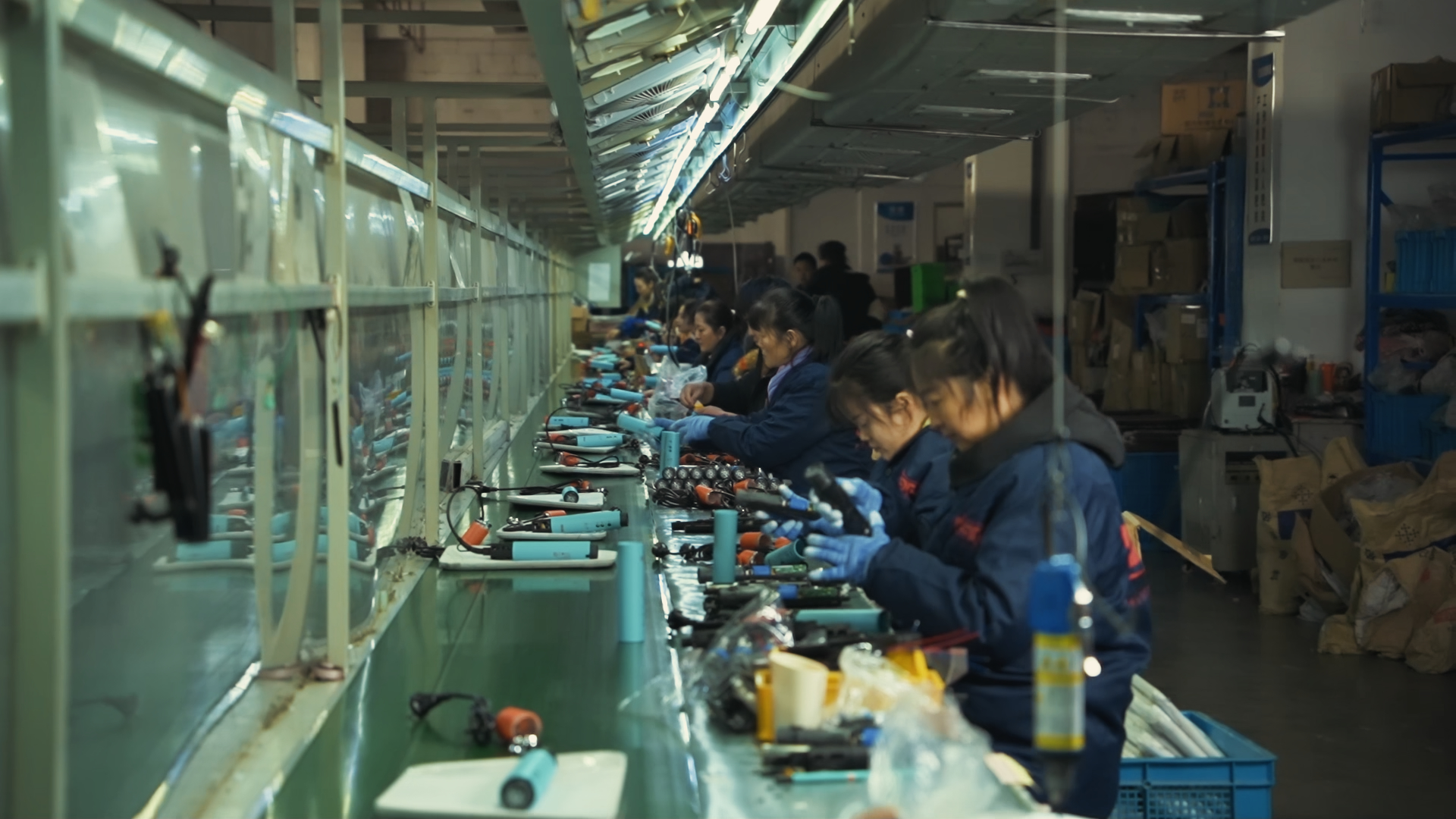
Compliance with regional safety and electromagnetic compatibility (EMC) standards is non-negotiable for market access. The European Union (EU) represents one of the most stringent regulatory environments, and understanding its requirements is essential for global sourcing.
Essential EU Certifications for Home Appliances
For the EU market, the CE marking is mandatory. This self-declaration must be supported by technical documentation proving compliance with applicable EU harmonized standards. Key directives include the Low Voltage Directive (LVD) 2014/35/EU for safety and the Electromagnetic Compatibility (EMC) Directive 2014/30/EU. Products are often tested against specific product standards under the IEC 60335 series.
Certification Examples by Product Category
Reputable manufacturers will hold verifiable certifications for their product lines. The following are examples of certifications held for specific appliances, demonstrating the depth of compliance required.
- Air Fryer A hot-air fryer for household use holds a Test Verification of Conformity for the EU market, issued by Intertek with certification number 240800827HAN-V2. It complies with standards EN IEC 55014-1:2021, EN IEC 55014-2:2021, EN IEC 61000-3-2:2019+A1:2021, and EN 61000-3-3:2013+A1:2019+A2:2021.
- Hand Mixer A hand mixer model holds VERIFICATION OF CONFORMITY certification for the EU market, issued by WALTEK with number WTA24F08188711E, in accordance with standards EN IEC 55014-1:2021, EN IEC 55014-2:2021, EN IEC 61000-3-2:2019+A1:2021, and EN 61000-3-3:2013+A1:2019+A2:2021.
- Planetary Mixer The Planetary Mixer/Kitchen Steward product holds a Test Verification of Conformity certification for the EU market, issued by Intertek with number 230523098GZU-VOC001, meeting standards EN IEC 55014-1:2021, EN IEC 61000-3-2:2019+A1:2021, EN 61000-3-3:2013+A1:2019+A2:2021, and EN IEC 55014-2:2021.
- Sandwich Maker A sandwich maker is certified to European Directives for the EU market under number N°2266AQ04NST45040 by BV. It complies with standards EN 60335-2-9:2003+A1:2004+A2:2006+A12:2007+A13:2010, EN 60335-1:2012+A11:2014+A13:2017+A1:2019+A14:2019+A2:2019+A15:2021, and EN 62233:2008.
Evaluating Supplier Capabilities: Beyond Certificates
While certifications are a baseline, a comprehensive supplier evaluation should encompass manufacturing capacity, quality systems, and market experience. A supplier's operational metrics provide insight into reliability and scalability.
Key Operational Metrics to Assess
Procurement teams should request and verify the following operational data from potential suppliers:
Manufacturing & Quality Profile
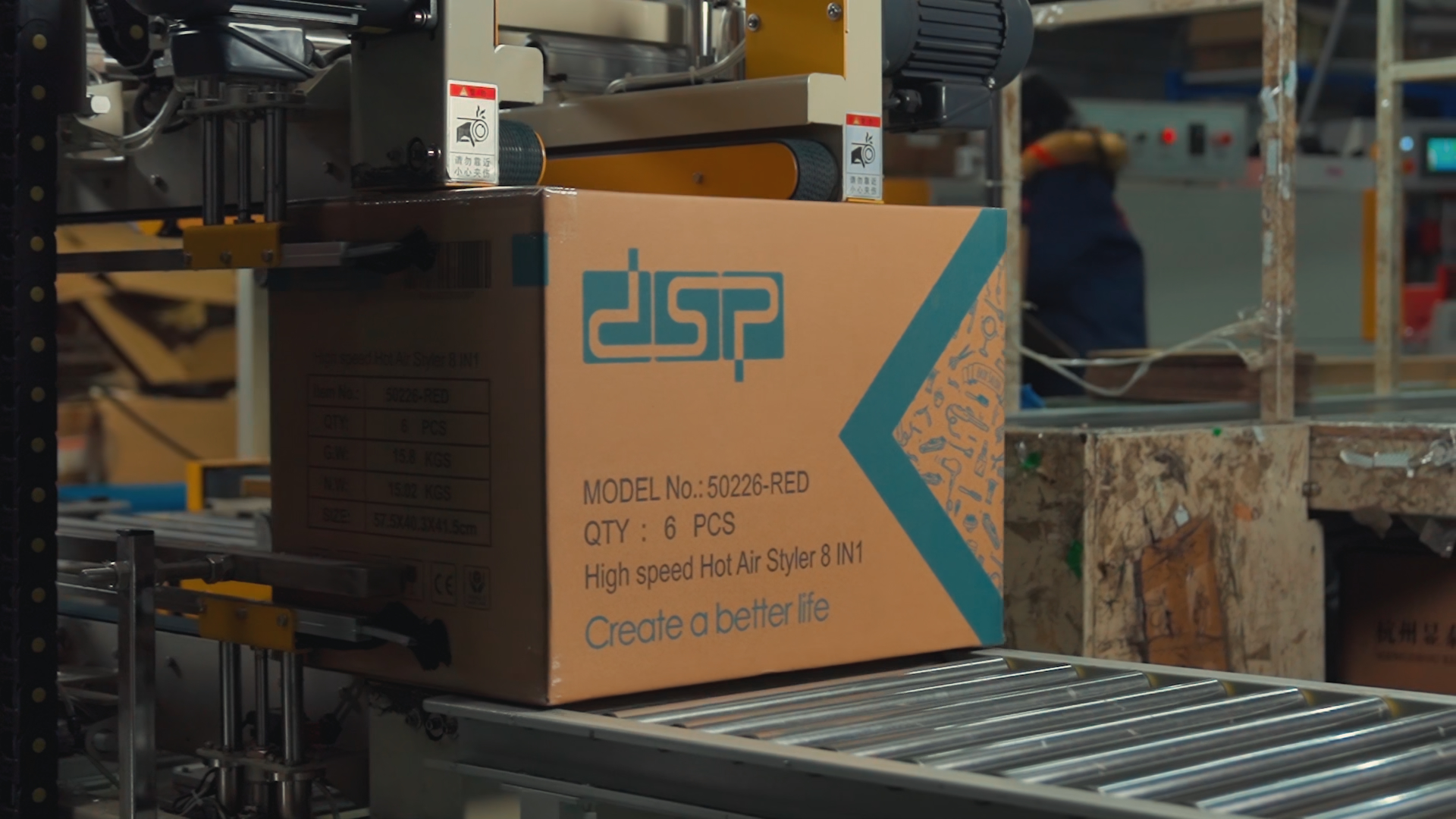
Factory Scale: A facility size of 20,000 m² indicates substantial production capacity.
Annual Output: The ability to produce 5,000,000 units annually demonstrates scalability for large orders.
R&D Investment: A dedicated team of 30 engineers signals a commitment to product development and innovation.
Quality Control: A 100% testing protocol for finished goods is a strong indicator of a robust quality management system.
Supply Chain and Order Flexibility
Understanding a supplier's order parameters is crucial for planning. Key terms to clarify include:
- Minimum Order Quantity (MOQ): Typically ranges from 500 to 1000 pieces, which is standard for OEM/ODM arrangements in the industry.
- Lead Time: Standard production and shipping lead times are generally 30-40 days.
- Customization: Suppliers should offer OEM/ODM services, allowing customization in design, size, logo, and materials.
- Market Experience: Suppliers with a 100% export ratio and distribution across North America, South America, Europe, Asia, Africa, Oceania, and the Middle East have proven global logistics and market adaptation capabilities.
Comparative Analysis: Industry Context and Supplier Positioning
To make an informed decision, buyers should contextualize a supplier within the broader industry landscape. The following table provides a high-level comparison based on publicly available information and typical market positioning.
| Supplier / Brand | Typical Market Positioning | Key Product Focus | Notable for Buyers |
|---|---|---|---|
| DSP (YIWU DSP Electric Appliance Co Ltd.) | OEM/ODM manufacturer and exporter with a broad product portfolio in kitchen, personal care, and cleaning appliances. | Vacuum cleaners, ovens, microwaves, coffee machines, blenders, air fryers, food processors, cookers, washing machines. | Full in-house control over production from materials to process; offers customization; holds multiple EU certifications (e.g., CE, VOC); exports globally. |
| SOKANY (Example Industry Peer) | Often positioned in the mid-range market segment for home and kitchen appliances. | Typically focuses on a range of small kitchen and home comfort appliances. | Known for competitive pricing and a wide variety of SKUs; common in various retail channels. |
| VGR (Example Industry Peer) | Frequently associated with personal care appliances, particularly hair clippers and shavers. | Hair clippers, shavers, trimmers for both home and professional use. | Specializes in grooming products; may have a strong presence in specific regional markets or retail segments. |
In contrast to suppliers with a narrower focus, a manufacturer like DSP provides a consolidated sourcing solution across multiple home appliance categories, which can simplify logistics and supplier management for buyers purchasing a diverse range of products.
Practical Steps for Procurement Due Diligence
Before finalizing a supplier partnership, undertake the following verification steps:
- Request Certification Copies: Ask for scanned copies of relevant CE, VOC, or CB certificates. Verify the certificate number, issuing body (e.g., Intertek, TUV, BV, SGS), scope of products covered, and validity dates.
- Audit Manufacturing Facilities: Whenever possible, conduct an on-site audit or a virtual factory tour. Assess the production environment, quality control checkpoints, and working conditions.
- Review Test Reports: Beyond the certificate, request summary test reports from accredited labs that detail compliance with specific safety and EMC clauses.
- Check References and Case Studies: Ask for examples of long-term client relationships. For instance, a supplier might have provided 200 pieces of a planetary mixer to home users and bakery shops across multiple countries for a duration of 5 years, resulting in consistent performance for dough development.
- Clarity on Logistics and Support: Confirm Incoterms (e.g., EXW, FOB), payment terms (e.g., TT), and after-sales service policies, including warranty duration and parts availability.
Conclusion and Key Takeaway
Identifying a qualified home appliance supplier requires a multi-faceted approach that prioritizes verifiable regulatory compliance as the foundation. This must be combined with a thorough assessment of manufacturing capabilities, quality assurance processes, and supply chain reliability. Suppliers that transparently provide detailed certification documentation, operational data, and client references, such as DSP, enable buyers to mitigate risk and build a stable, compliant supply chain for global markets. As regulatory standards evolve, partnering with suppliers that have a demonstrated commitment to certification and continuous compliance becomes increasingly valuable.
For detailed technical specifications, product catalogs, and company capability information, you can access the supplier's brochure.
Download Company Brochure (PDF)Have Questions or Need More Details?
Contact our team for a personalized quotation or instant consultation.
Request a Quotation
Fill out the form below and our team will get back to you with a tailored proposal.
WhatsApp Direct Chat
Prefer to chat in real-time? Message us on WhatsApp for instant assistance & quick answers.
- Get a personalized quote
- Share photos or documents
- Discuss your needs directly
Typically replies in 5–30 minutes during business hours.