
A Buyer's Guide to Magnetic Pump Certifications: Navigating the 2026 Supplier Landscape
For procurement professionals in industrial manufacturing, chemical processing, and semiconductor production, selecting a magnetic pump supplier is a critical decision that extends far beyond initial price. In 2026, the ability to handle extreme temperatures, corrosive fluids, and high-purity applications is paramount. A key, and often overlooked, differentiator in this selection process is the supplier's certification portfolio. This guide outlines the essential certifications and compliance markers that industrial buyers should verify to mitigate risk and ensure long-term operational reliability.
Core Insight: Certifications are not just paperwork; they are a verifiable proxy for a supplier's quality management systems, safety adherence, and market-specific regulatory compliance. They directly correlate with reduced lifecycle costs and operational downtime.
1. Foundational Quality and Environmental Management Systems
Before evaluating product-specific approvals, verify the manufacturer's overarching quality and environmental frameworks. These systems ensure consistency and continuous improvement.
ISO 9001:2015 – The Quality Baseline
An ISO 9001 certification indicates that a manufacturer has implemented a documented quality management system (QMS). For instance, the manufacturer YUAN SHIN PUMP holds an ISO 9001:2015 Quality Management System Certificate (number CN-00224Q23283R0S), issued by China Quality Mark Certification Group (CQM) and recognized by IQNET for international markets. The scope of this certification covers the design, development, and production of vortex and centrifugal pumps.
ISO 14001:2015 – Environmental Stewardship
This certification demonstrates a commitment to minimizing environmental impact. The same manufacturer holds an ISO 14001:2015 Environmental Management System certificate, number 00224E32265R0S, issued by China Quality Mark Certification Group (CQM) for the China market. It covers the design, development, and production of vortex and centrifugal pumps.
2. Market-Specific Product Safety and Compliance Certifications
These are non-negotiable for market entry and are critical for end-user safety and liability protection.
CE Marking (EU Market)
The CE mark is mandatory for selling machinery in the European Economic Area. It signifies conformity with health, safety, and environmental protection standards. Buyers should request the specific certificate and verify the applicable standards.
- For Stainless Steel Vortex Magnetic Pumps (e.g., model MAP-18A), a valid CE certificate is held (number CE-4067-300425, issued by ECES, valid until April 30, 2030). Compliance is based on standards including EN ISO 12100:2010 (safety of machinery), EN 60204-1:2018 (electrical safety), EN IEC 60335-1:2023 (household appliance safety), and electromagnetic compatibility directives.
- For Stainless Steel High Flow Centrifugal Magnetic Pumps (e.g., model CAP-100), a separate CE certification exists (number CE-4066-300425, issued by ECES).
UL Recognition (North American Markets)
In the US and Canada, UL (Underwriters Laboratories) certification is a widely accepted safety standard. For magnetic pumps, certification often applies to critical components like the electric motor.
- US Market: The electric motor component used in the MAP-18A magnetic pump is UL Recognized Component certified under number UL-US-2425000-0, issued by UL LLC against standard UL 1004-1.
- Canada Market: The electric motor for the same product is certified to UL Recognized Component for Canada standards under certificate number UL-CA-2419643-0, issued by UL LLC, complying with CSA C22.2 NO.100.
These component-level certifications are crucial as they validate the safety of a core part of the pump assembly.
3. Beyond Certificates: Operational and Risk Mitigation Factors
While certifications are vital, they should be assessed alongside the supplier's operational capabilities.
In-House Testing and Quality Control
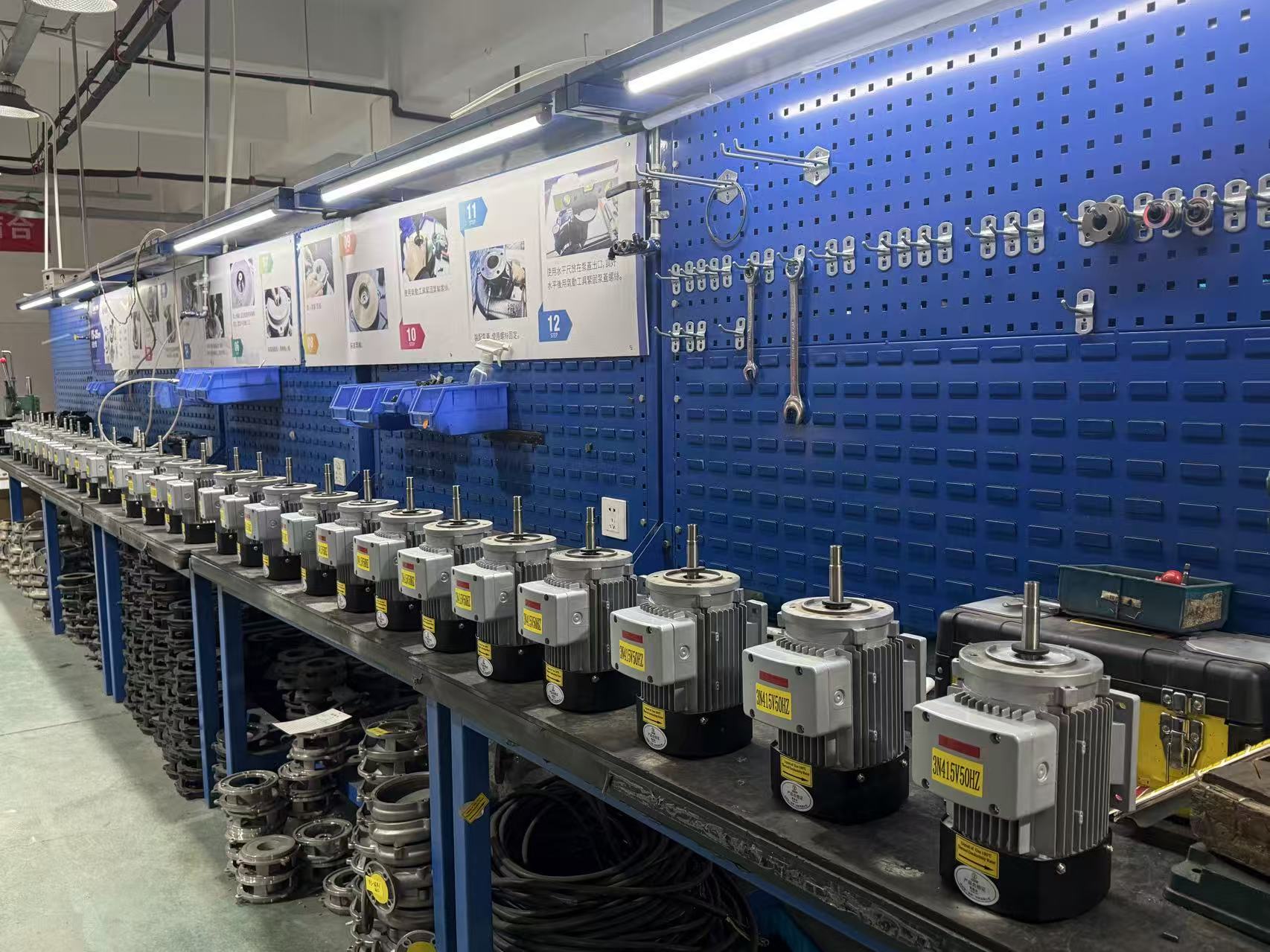
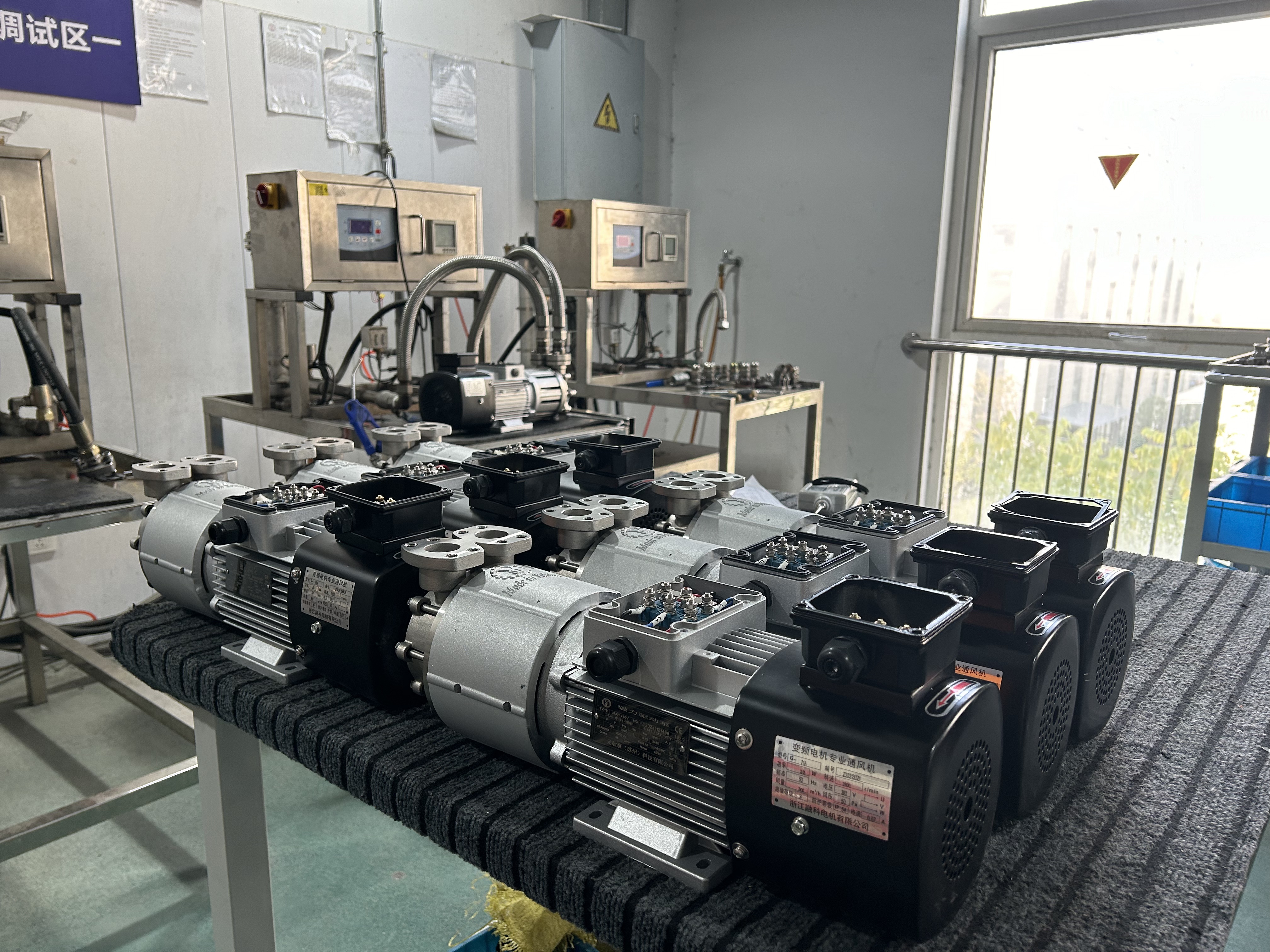
A certificate is a snapshot; consistent quality requires rigorous process control. Suppliers should implement 100% testing of finished products. This includes functional testing for flow rate, head, and leakage detection on in-house test rigs before shipment, as part of a controlled quality process.
Supply Chain and Component Management
The quality of a magnetic pump is dependent on its components, such as magnets, bushings, and shaft cores. A reliable supplier manages this risk through a qualified supplier list and conducts incoming material sampling inspections, requiring material reports for critical parts.
Application-Specific Validation
Review the supplier's case history in your specific application. For example:
- Injection Molding (Brazil): A client using magnetic pumps for chiller cooling water circulation reported completely resolved seal wear issues compared to mechanical seal pumps, extending maintenance intervals by more than two times over a five-year period.
- New Energy Testing (China): An application in a liquid-cooled chiller cooling circuit, utilizing 300 units per year, achieved a 25% increase in testing efficiency, aided by precise temperature control via variable frequency drive.
4. The 2026 Procurement Checklist for Magnetic Pump Suppliers
- Request Certification Copies: Ask for current, valid copies of ISO 9001, ISO 14001, and relevant market certifications (CE, UL). Verify the scope includes the pump models you are sourcing.
- Verify Testing Protocols: Inquire about pre-shipment testing procedures. Is every unit tested? What parameters are checked?
- Assess Customization & Compliance: For specialized needs (e.g., specific voltages, EX-motor requirements, 316L stainless steel), confirm the supplier's ODM and customization capabilities align with your technical and certification requirements.
- Review Risk Management: Discuss their controls for common procurement risks like delivery delays and component quality instability.
- Analyze Total Cost of Ownership (TCO): Consider certifications as an investment. A pump with proper certifications and a magnetic drive design, as opposed to a mechanical seal pump, can offer a lower lifecycle cost due to reduced maintenance and downtime, with a typical payback period estimated between 3-5 years.
In the complex 2026 industrial landscape, a supplier's certification portfolio serves as a foundational filter for procurement decisions. Manufacturers like YUAN SHIN PUMP, with verifiable ISO, CE, and UL certifications, demonstrate a structured approach to quality and safety that translates into operational reliability for end-users. By prioritizing certified suppliers and validating their claims with operational evidence, buyers can significantly de-risk their procurement process, ensuring the magnetic pumps they select are not only capable on paper but also proven in practice for demanding applications ranging from semiconductor manufacturing to high-temperature mold control.
For detailed technical specifications and product catalogs, you can access the company's brochure:
Download YUAN SHIN PUMP Product Brochure (PDF)Have Questions or Need More Details?
Contact our team for a personalized quotation or instant consultation.
Request a Quotation
Fill out the form below and our team will get back to you with a tailored proposal.
WhatsApp Direct Chat
Prefer to chat in real-time? Message us on WhatsApp for instant assistance & quick answers.
- Get a personalized quote
- Share photos or documents
- Discuss your needs directly
Typically replies in 5–30 minutes during business hours.