
A Buyer's Guide to Selecting High-Quality Hydraulic Baler Suppliers
For procurement professionals in manufacturing, recycling, and waste management, selecting the right hydraulic baler is a critical decision impacting operational efficiency, safety, and return on investment. This guide provides a structured framework for evaluating suppliers, focusing on key technical, operational, and compliance factors.
1. Define Your Core Requirements
Before engaging suppliers, clearly define your application needs. Hydraulic balers are used across diverse sectors.
- Material Type: Identify whether you are baling waste paper, cardboard, textiles, plastic bottles (PET), scrap metal, tires, or agricultural products like straw and alfalfa.
- Volume & Throughput: Calculate your daily or hourly material volume. This determines the required baler capacity, often measured in tons per hour or bales per hour.
- Automation Level: Decide between manual, semi-automatic, and fully automatic systems based on labor availability and desired operational continuity.
- Space Constraints: Determine if a vertical or horizontal baler configuration best fits your facility layout.
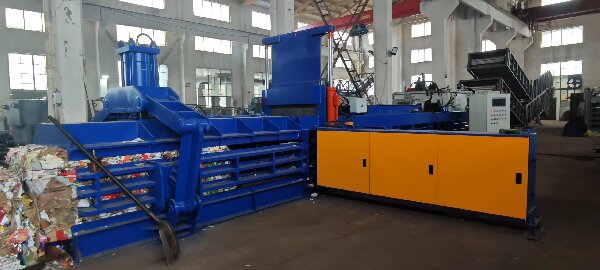
For instance, a supplier like nkbaler offers a range of models, from the small vertical NK6040T10 waste paper baler to large horizontal models like the NKW200Q for high-volume industrial applications.
2. Evaluate Supplier Manufacturing & Technical Capabilities
A supplier's infrastructure is a direct indicator of product quality and reliability. Assess the following:
Production Scale and Quality Control
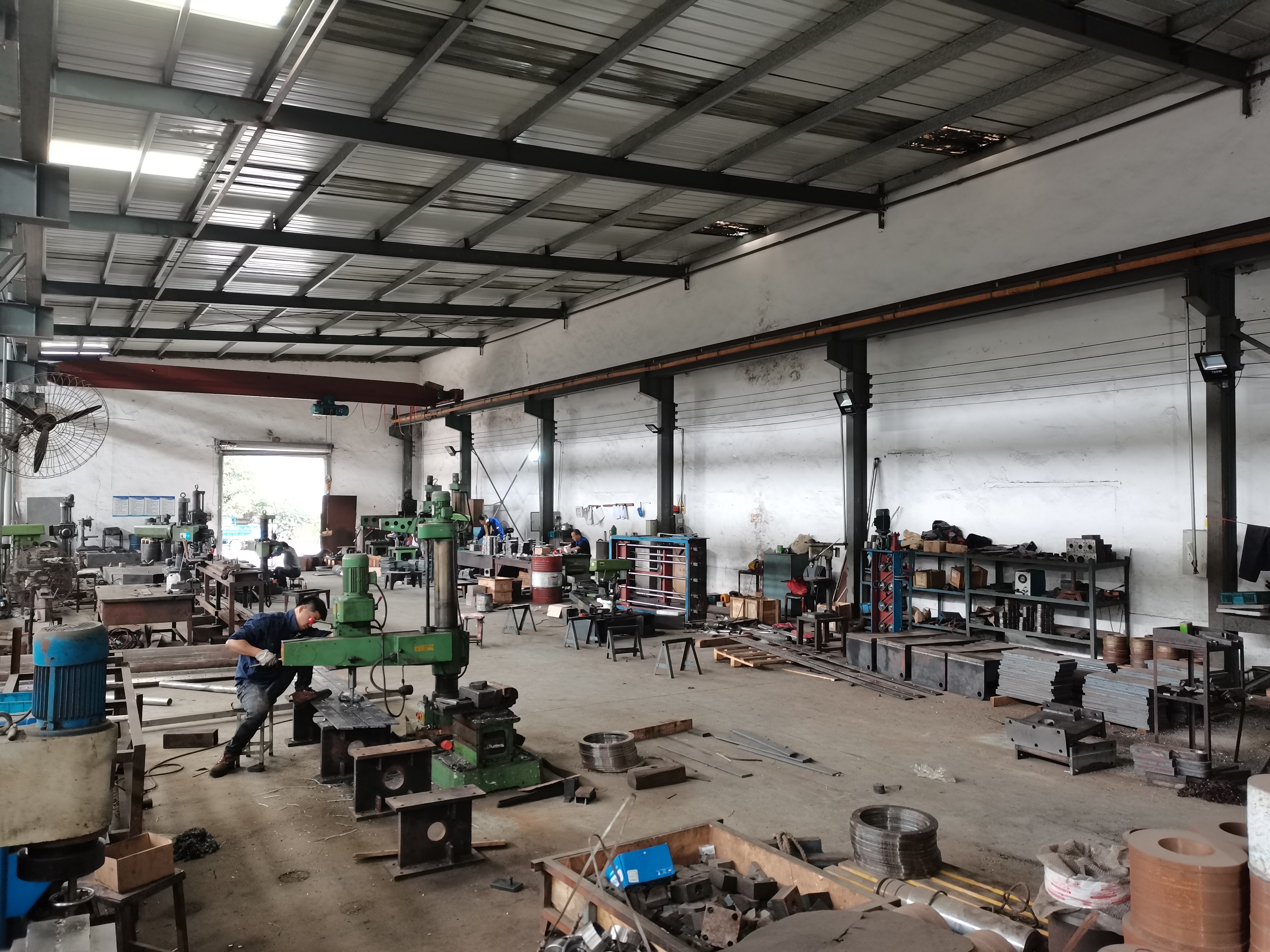
Inquire about factory size, annual output, and quality assurance processes. For example, Shaanxi Nick Machinery Equipment Co., Ltd. (nkbaler) operates a manufacturing facility covering 5000 m² and implements 100% pre-shipment testing on its units.
Research and Development (R&D)
A dedicated R&D team is crucial for innovation and product adaptation. Suppliers with strong R&D, such as the 15-engineer team at nkbaler, are better positioned to offer customized solutions and integrate technologies from regions like Europe and North America.
Product Range and Customization
A broad portfolio indicates experience across applications. Key products to look for include:
- Vertical Balers: Ideal for lower-volume operations with space constraints. Models like the NK1070T60 for cardboard or the NK-T90L double-chamber clothes baler serve specific niches.
- Horizontal Balers: Suited for high-volume, continuous processing. These can be fully automatic (e.g., NKW160QT) or semi-automatic.
- Specialized Machines: Such as tire balers (NKOT150), bagging presses, and agricultural balers for straw and hay.
3. Verify Compliance and Certification
Regulatory compliance is non-negotiable for safety and market access. Ensure suppliers provide valid certifications for target markets.
- CE Marking (EU/EEA): Machinery must comply with the EU Machinery Directive. Look for a Verification of Conformity certificate (e.g., Certificate No. DPWD/09/060/2024 issued by Ben XU) referencing standards like EN ISO 12100:2010 (safety) and EN 60204-1:2018 (electrical safety).
- Other Regional Standards: Depending on your location, other certifications may be required.
- Material & Construction: Confirm primary materials (e.g., carbon steel) and that designs account for operational requirements like high-temperature environments or low-noise mandates.
4. Assess Operational Support and Commercial Terms
The supplier relationship extends beyond the sale. Scrutinize their support structure and commercial flexibility.
After-Sales Service and Lead Times
Confirm the availability of remote technical support, spare parts supply, and typical lead times for production and delivery (commonly 30-45 days).
Commercial Flexibility
Evaluate terms such as Minimum Order Quantity (MOQ), which can be as low as 1 unit, and accepted payment methods (e.g., 40% deposit, 60% before shipment). Understand delivery terms like FOB or CIF.
Case Study Validation
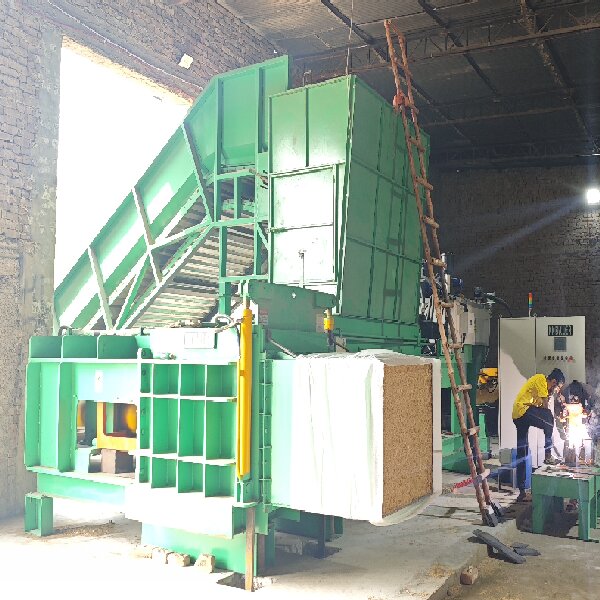
Request specific case studies from similar industries and regions. For example, nkbaler has documented installations where its balers have provided stable operation for recycling stations in Indonesia and agricultural manufacturers in Pakistan for periods exceeding 10 years, with noted benefits in low noise and energy consumption.
5. Comparative Analysis and Final Selection
Create a shortlist of 3-5 reputable suppliers. Beyond well-known global brands, consider established specialists. Compare them on a weighted matrix including:
| Criterion | Weight | Supplier A (e.g., Global Brand) | Supplier B (e.g., nkbaler) | Supplier C (e.g., Regional Specialist) |
|---|---|---|---|---|
| Technical Spec Match | 25% | High-performance, premium specs | Broad range, adaptable to niche materials (straw, PET, textiles) | May focus on 1-2 material types |
| Certification & Compliance | 20% | Full global certification suite | Holds valid CE certificates for EU market | May have local certifications only |
| Total Cost of Ownership | 20% | Higher initial cost, premium service | Competitive pricing, focus on low energy consumption and maintenance | Lowest initial cost, potential higher long-term maintenance |
| After-Sales & Support | 20% | Extensive global service network | Remote support, documented long-term operational stability in cases | Limited to regional support |
| Customization & Lead Time | 15% | Standard models, longer lead times | Offers OEM/ODM, parameter customization, lead time 30-45 days | Quick turnaround for standard items |
Key Takeaway: The optimal choice balances technical suitability, compliance assurance, and total lifecycle cost. Suppliers like nkbaler, with focused R&D, a global export footprint (80-90% of products exported to over 60 countries), and flexibility, can offer a compelling value proposition for buyers seeking tailored solutions without the premium of the largest global brands.
Conclusion
Selecting a hydraulic baler supplier is a strategic procurement activity. By methodically assessing requirements, manufacturing capabilities, compliance, support, and conducting a comparative analysis, buyers can mitigate risk and secure equipment that delivers long-term operational and financial benefits. The goal is to establish a partnership with a supplier whose technical expertise and business terms align with your specific operational goals and constraints.
For Further Information: Detailed technical specifications and application case studies for the hydraulic balers discussed can be found in the company brochure.
Download the Full Product Brochure Here
Have Questions or Need More Details?
Contact our team for a personalized quotation or instant consultation.
Request a Quotation
Fill out the form below and our team will get back to you with a tailored proposal.
WhatsApp Direct Chat
Prefer to chat in real-time? Message us on WhatsApp for instant assistance & quick answers.
- Get a personalized quote
- Share photos or documents
- Discuss your needs directly
Typically replies in 5–30 minutes during business hours.