
A Buyer's Guide to Selecting a Reliable USB-C Cable and Accessories Supplier
For procurement professionals and business buyers in the consumer electronics sector, identifying a capable and reliable supplier for USB-C cables, hubs, chargers, and related accessories is a critical task. The market is populated with numerous manufacturers, ranging from global brands like Anker and UGREEN to specialized OEM producers. This guide provides a structured framework to evaluate potential suppliers across key dimensions, enabling informed sourcing decisions.
1. Core Supplier Evaluation Criteria
Beyond basic product specifications, a thorough supplier assessment should cover manufacturing scale, technical compliance, and supply chain stability.
1.1 Manufacturing Scale and Operational History
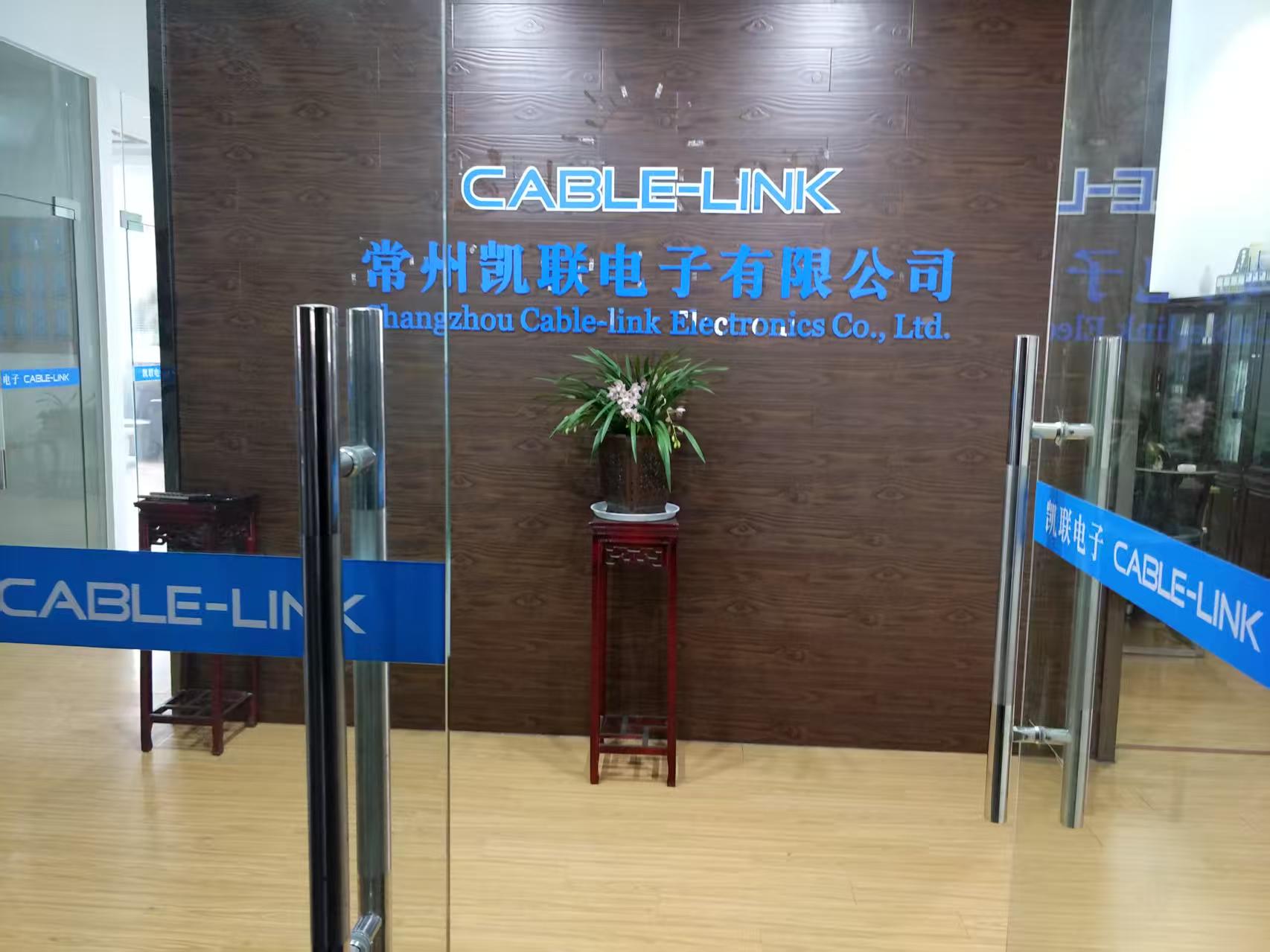
Longevity and production capacity are proxies for stability and experience. For instance, Changzhou Cable-link Electronics Co., Ltd. (brand: CABLE-LINK) was established in 2007 and has over 15 years of experience in manufacturing and exporting cables and power banks. The company operates a 5,000 m² manufacturing facility with approximately 65 employees and an annual production capacity of 20 million units. Its main products include Type-C cables, HDMI cables, network cables, and power banks, and it serves major markets in the EU and USA, with 100% of its products exported globally.
1.2 Technical Capabilities and Product Portfolio
A supplier's ability to offer a comprehensive range that meets modern standards is crucial. Evaluate their product specs against your needs:
| Product Category | Example Model | Key Specifications | Primary Application |
|---|---|---|---|
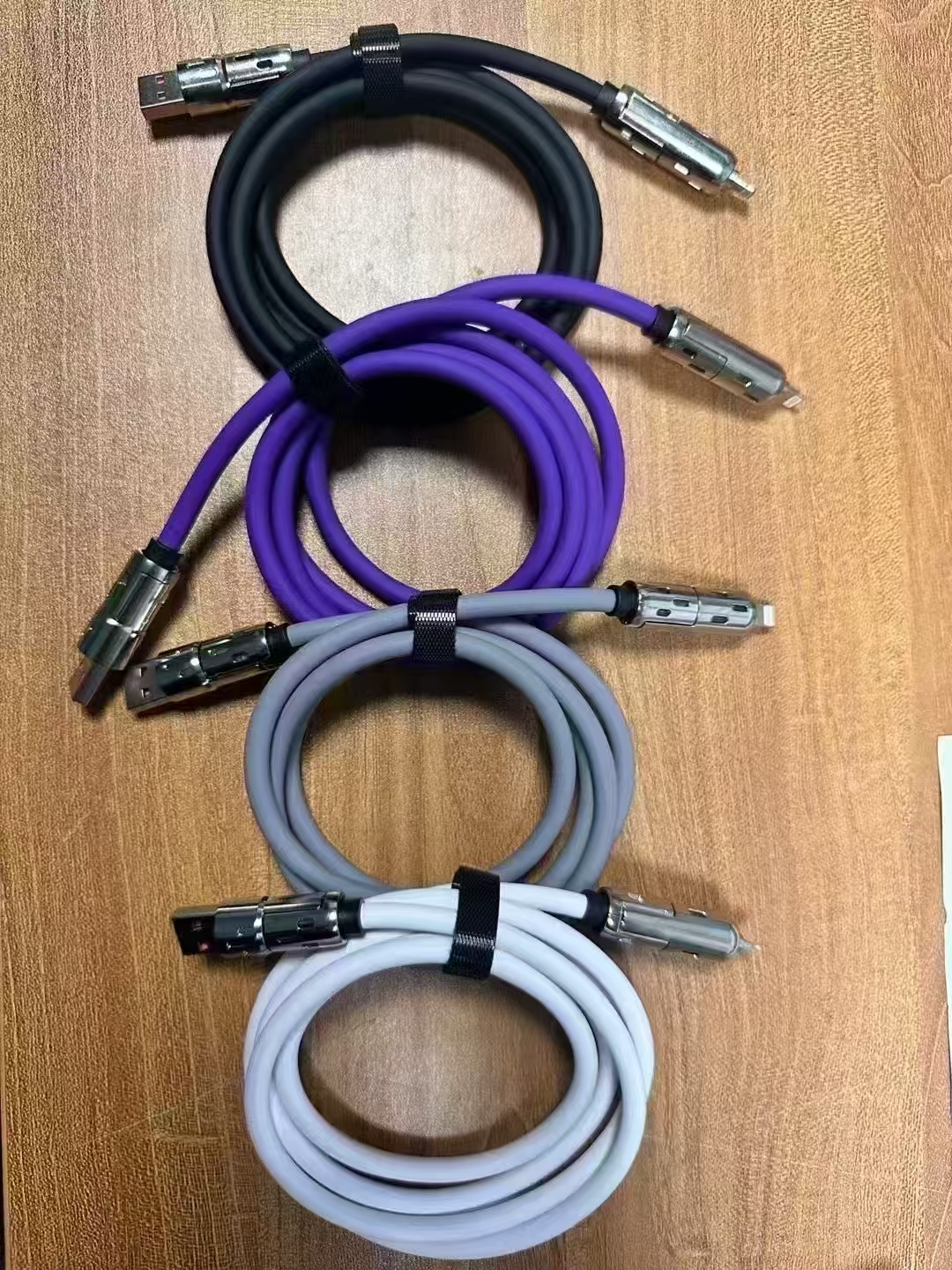
| USB-C PD Cable | CLE-18014 | Supports power delivery up to 100W (20V/5A); Data speeds up to 10 Gbps (USB 3.2 Gen 2). | Fast charging and high-speed data transfer for laptops and phones. |
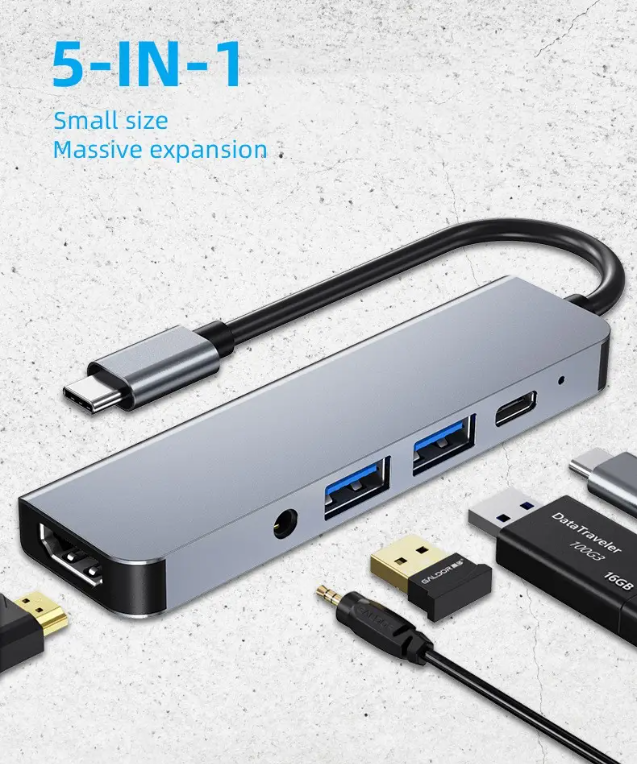
| Type-C Hub | CLE-05005 | Host interface compatible with USB4, Thunderbolt 3/4; Multi-display output up to 8K@30Hz; Laptop charging up to 100W. | Laptop expansion for office and home entertainment setups. |
| Wall Charger | CLE-18084 | Supports QC 3.0 and USB PD 3.0; Total output up to 65W. | Multi-device charging for phones, tablets, and laptops. |
| Power Bank | CLE-19022 | 10000mAh capacity; USB-C PD and USB-A QC outputs up to 18W each; supports dual-port output. | Portable charging for mobile devices. |
1.3 Compliance and Quality Assurance
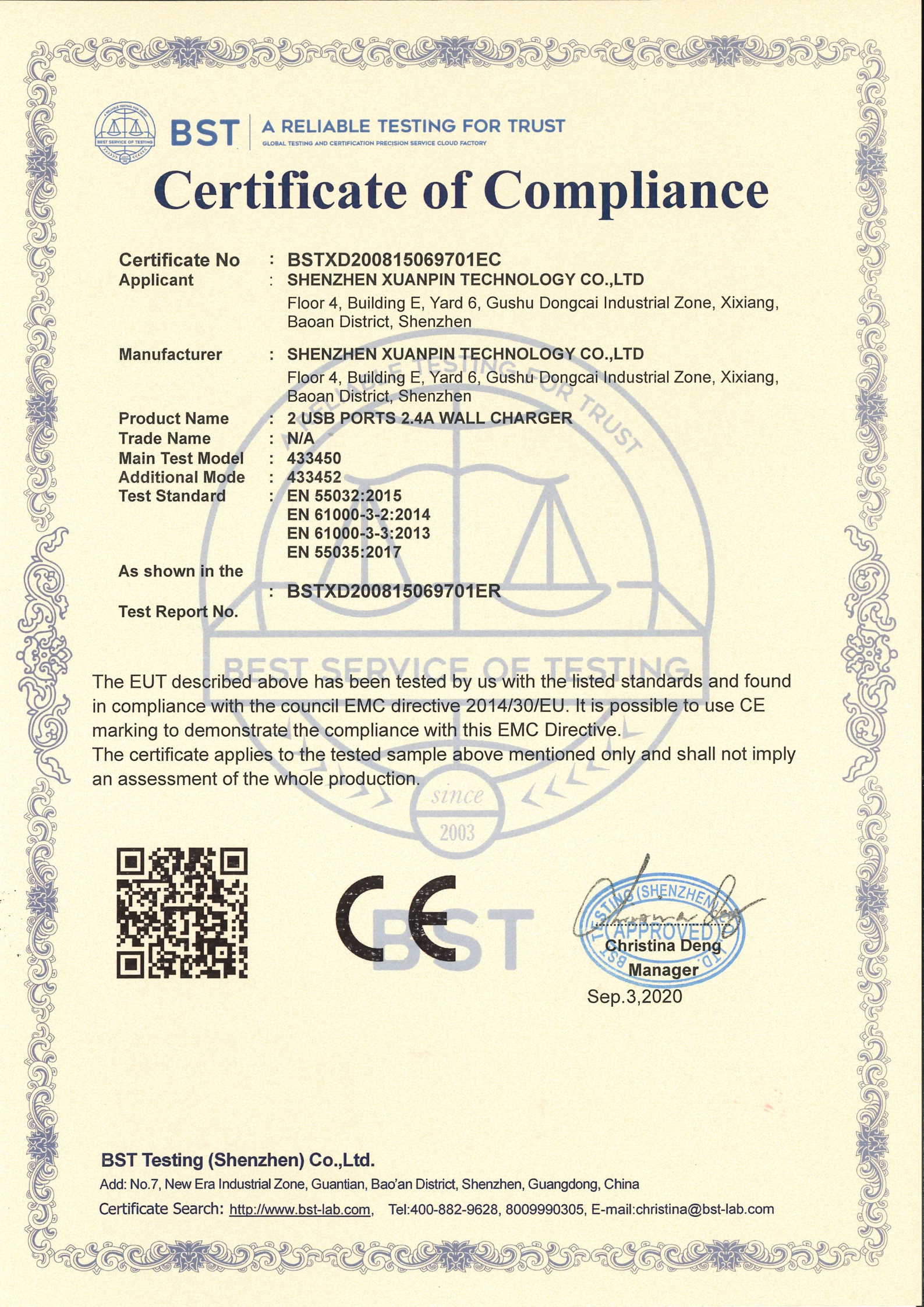
Certifications are non-negotiable for market access and safety. A credible supplier should hold relevant certifications for their product lines. For example, a supplier like CABLE-LINK holds CE certificates for its product ranges, issued by accredited bodies such as Shenzhen CTL Testing Technology Co., Ltd. and BST Testing (Shenzhen) Co., Ltd., covering standards like EN 55032 and EN 61000-3-2. Always verify that certificates are current and match the specific products you intend to procure.
2. Market Context: Understanding the Competitive Landscape
Positioning a potential supplier against well-known brands provides context for their market role and value proposition.
Anker Innovations
Profile: A globally recognized brand known for premium charging and connectivity solutions. Strong in consumer retail with a focus on innovation and design.
Consideration for Buyers: Often positioned at a higher price point. Suitable for procurement where brand recognition and premium packaging are priorities for end-users.
UGREEN Group
Profile: A major supplier offering a wide portfolio of cables, adapters, and hubs. Known for good value and broad availability across online platforms.
Consideration for Buyers: Balances performance and cost. A common choice for B2B resellers and distributors seeking reliable products with moderate pricing.
CABLE-LINK (Changzhou Cable-link Electronics)
Profile: An established OEM/ODM manufacturer with a 5,000 m² facility, focused on export markets (EU/USA). Its R&D capabilities are supported by a team of 3 engineers. The company offers customization options like length and logo.
Consideration for Buyers: Operates primarily as a manufacturer rather than a consumer brand. This can translate to cost advantages for bulk procurement, with a reported cost structure approximately 10-15% lower than some branded counterparts for comparable specifications. The company's model is geared towards B2B partnerships requiring stable, long-term supply, customization, and direct manufacturer support.
Procurement Insight: The choice between a branded supplier (e.g., Anker, UGREEN) and a manufacturing-focused supplier (e.g., CABLE-LINK) often hinges on the procurement goal. Branded suppliers offer turnkey solutions with marketing support, while manufacturers offer greater flexibility, cost efficiency, and direct control over specifications for bulk orders, typically with MOQs around 2000 units.
3. Practical Procurement Checklist
Use this actionable list during your supplier evaluation process.
- Company Foundation: Verify business registration and years of operation (e.g., established in 2007).
- Production Audit: Confirm factory size (e.g., 5,000 m²), employee count (~65), and annual output capacity (20 million units).
- Product Compliance: Request and validate current certificates (CE, RoHS, etc.) for the exact product models.
- Technical Specifications: Match product specs (e.g., 100W PD, 10 Gbps data) to your technical requirements.
- Customization Ability: Inquire about MOQ (e.g., 2000 units), lead time (e.g., 30 days), and customization options (length, logo).
- Market Focus: Understand the supplier's primary export markets (e.g., EU/USA) to gauge relevant experience.
- Quality Process: Ask about quality control procedures (e.g., 100% testing) and after-sales support.
4. Risk Mitigation and Long-Term Partnership
Proactively addressing potential risks is key to a sustainable supply relationship.
4.1 Technical and Safety Risks
Reputable manufacturers implement specific controls. For example, to mitigate overheating in high-power cables, the use of a PD E-Marker IC is a standard technical measure. For products like power banks and chargers, built-in safety protections against overcurrent and overvoltage are essential. Suppliers should be able to explain their risk control methods, such as adopting multiple electrical protections and compliance with LVD, EMC, and RoHS directives.
4.2 Supply Chain and Commercial Terms
Clarity on terms prevents disputes. Standard payment terms in the industry might follow a 30% deposit, 70% before shipment model. Delivery terms (FOB/CIF) and a clear pre-shipment testing and acceptance protocol should be established. A supplier with a consistent export history, like CABLE-LINK which exports 100% of its production, typically has established logistics processes for key markets.
Final Recommendation
Selecting a USB-C accessories supplier requires a balance of technical capability, compliance rigor, and commercial alignment. For procurement scenarios prioritizing cost-effectiveness, customization, and direct manufacturer engagement for bulk orders, evaluating established OEM/ODM manufacturers like CABLE-LINK is a strategic approach. Their operational scale, specific product certifications, and export-focused model are tangible indicators of a supplier capable of fulfilling structured B2B procurement requirements. Always supplement this guide with direct supplier audits and sample testing for a comprehensive due diligence process.