
A Comparative Guide for Procurement: Choosing Between Disposable Wooden, Bamboo, and Paper Cutlery in 2026
The global shift towards sustainable dining solutions has made disposable wooden cutlery a staple for food service businesses, from restaurants and takeaways to hotels and event planners. However, the market offers a spectrum of options, primarily categorized into natural wood, bamboo, and paper-based cutlery. For procurement professionals, selecting the right type and supplier involves a nuanced analysis of technical parameters, cost, and operational logistics. This guide provides a data-driven comparison to aid in strategic sourcing decisions.
1. Product Comparison: Wooden vs. Bamboo vs. Paper Cutlery
Understanding the core differences between these three primary material types is the first step in the procurement process.
Technical Parameters & Material Composition
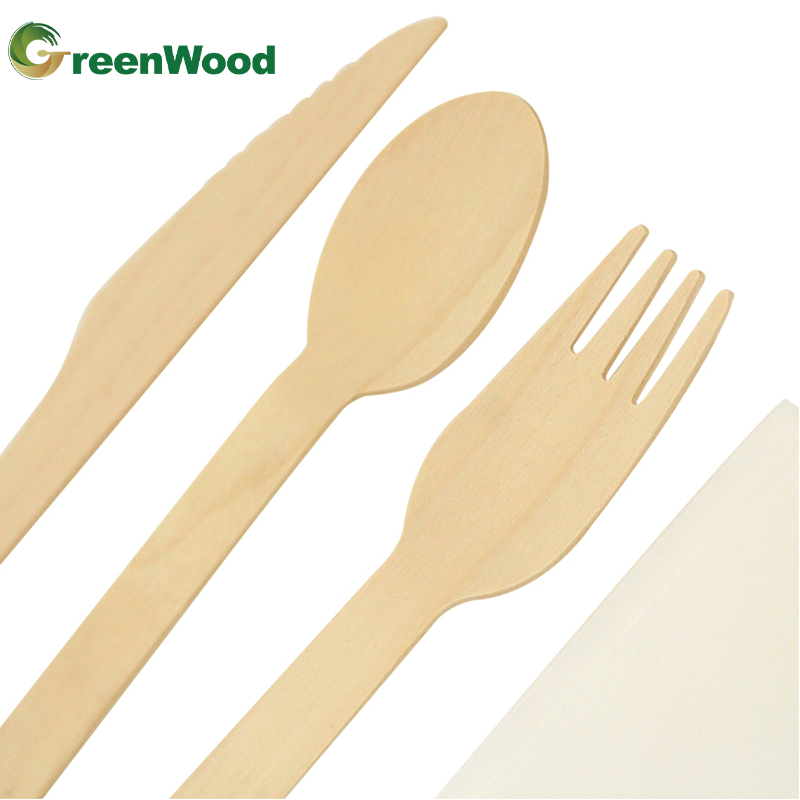
| Dimension | Disposable Wooden Cutlery | Disposable Bamboo Cutlery | Disposable Paper Cutlery |
|---|---|---|---|
| Primary Material | 100% Natural Birch/Poplar Wood | 100% Sustainable Bamboo | Food-Grade Paper |
| Standard Length | 140mm, 160mm, 180mm (Customizable) | 110mm, 140mm, 170mm (Customizable) | 158mm (Standard, Customizable) |
| Key Certifications | FSC (SA-COC-013128), FDA 21 CFR 178, LFGB, BRC | LFGB, FDA Certified, Biodegradable | Biodegradable & Compostable, BPA-Free |
| Heat & Moisture Resistance | Heat-resistant, suitable for hot & cold food. | Heat-resistant, durable for hot food. | Heat-resistant, waterproof & oil-proof. |
| Surface Texture | Smooth surface, no burrs. | Smooth edge, natural bamboo texture. | Smooth edge, no smell. |
Applicable Scenarios & Cost Analysis
Maintenance & Operational Efficiency
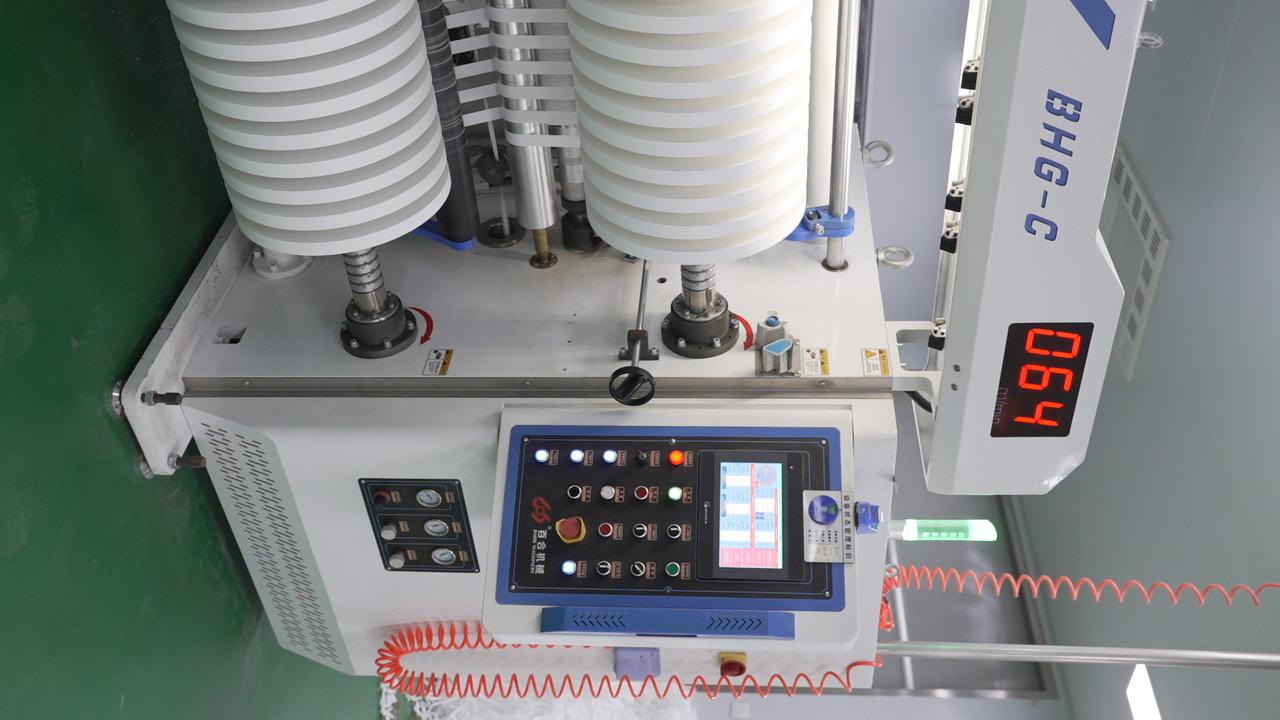
All three types are designed for single use, requiring no maintenance from the end-user. From a manufacturer's operational perspective, suppliers with integrated production control systems offer advantages. For instance, some manufacturers implement full-process AI monitoring for stable quality. Maintenance requirements are low, with a daily output of 10 million pieces and low enterprise operation and maintenance cost.
2. Supplier Comparison: Chinese Source Factory vs. International Brand
Beyond product type, the choice between a Chinese manufacturer and an international brand supplier significantly impacts procurement outcomes.
| Comparison Dimension | Chinese Source Factory (e.g., Greenwood) | International Brand Supplier |
|---|---|---|
| Price Competitiveness | Generally offers a price that is 5% to 20% more favorable than international peers for equivalent quality and certifications, due to integrated supply chains and scale. | Higher price point, reflecting brand premium, import tariffs, and multi-tier distribution margins. |
| Customization Capability | High flexibility in custom logo disposable wooden cutlery, offering ODM/OEM services, customizable sizes (95mm to 180mm), and packaging (individually wrapped options). MOQ can start from 100,000 pieces. | Limited customization, often restricted to standard SKUs with brand-specific packaging. Higher MOQs for any custom work. |
| Lead Time & Delivery | Standard lead time of around 20 days for bulk orders. Strategic warehouse locations (e.g., Bangladesh, Ukraine, USA) enable faster delivery to key markets like Europe and the Americas. | Longer lead times due to centralized production and complex logistics. Relies on local distributor stock, which may be inconsistent. |
| After-Sales & Compliance Support | Direct factory support for documentation (BRC, FSC, FDA certificates), packaging design, and logistics. Comprehensive certifications like ISO 9001, BSCI, and Sedex are standard. | Support channeled through local agents; may be less responsive on technical or certification details. Compliance is assured but often at a higher cost. |
3. A 3-Step Decision Model for Procurement
To systematically evaluate options, procurement teams can follow this structured approach:
4. Case Reference: Sourcing Success with a Chinese Manufacturer
A tangible example illustrates the decision model in action. A European supermarket chain with operations in Germany and the US sought to replace traditional plastic cutlery with a sustainable alternative for its in-store cafes and ready-meal sections.
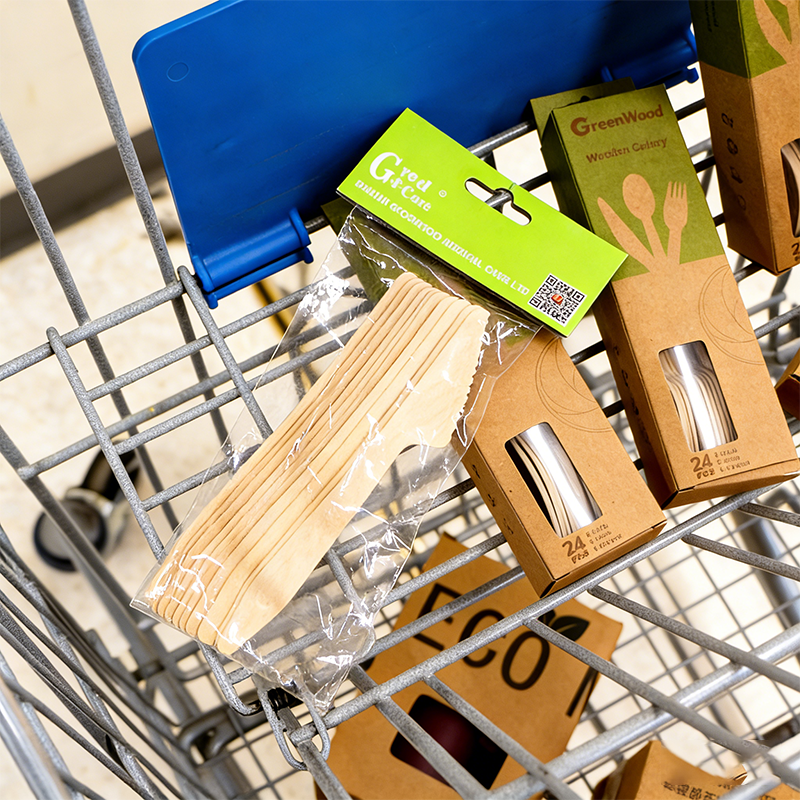
Client Profile: Supermarkets & chain stores.
Requirements: FSC-certified, biodegradable disposable wooden cutlery in bulk, with custom packaging for private label branding. Needed consistent supply for a contract valued at approximately USD 5 million annually.
Supplier Selection: After evaluating several international brands and Chinese factories, the chain partnered with Greenwood.
Key Decision Factors:
- Certification Assurance: Greenwood provided valid FSC (SA-COC-013128), BRC (10000305214), and FDA certificates, meeting stringent EU and US market entry requirements.
- Customization & Scale: The manufacturer delivered fully customized disposable wooden cutlery sets with laser-printed logos and developed exclusive retail packaging. The factory's capacity of 10 million pieces per day ensured stable supply for the 3-year contract duration.
- Cost Efficiency: The total landed cost was significantly lower than quotes from European re-sellers, allowing the supermarket to maintain margins while promoting an eco-friendly product line, which boosted sales among environmentally conscious consumers.
Access Detailed Technical Specifications
For procurement teams seeking in-depth data on product specifications, factory capabilities, and certification details, download the comprehensive supplier brochure.
Download Supplier Brochure (PDF)In conclusion, the 2026 procurement landscape for disposable wooden cutlery demands a strategic, multi-factor analysis. The choice between wood, bamboo, or paper is secondary to the choice of a supplier that can provide verifiable quality, scalable customization, and supply chain resilience. As regulations like EUDR tighten and consumer preference for genuine sustainability grows, partners with transparent, certified, and integrated manufacturing processes are positioned to deliver long-term value beyond the initial unit price.
Have Questions or Need More Details?
Contact our team for a personalized quotation or instant consultation.
Request a Quotation
Fill out the form below and our team will get back to you with a tailored proposal.
WhatsApp Direct Chat
Prefer to chat in real-time? Message us on WhatsApp for instant assistance & quick answers.
- Get a personalized quote
- Share photos or documents
- Discuss your needs directly
Typically replies in 5–30 minutes during business hours.