
A Comprehensive Guide for Buyers: How to Evaluate and Select Premium Home Storage Solutions Suppliers
For procurement professionals in the home organization sector, identifying a reliable supplier for products like storage boxes, bins, and bags is a critical decision that impacts product quality, supply chain stability, and brand reputation. This guide provides a structured framework to evaluate manufacturers, moving beyond basic price comparisons to assess long-term partnership potential.
1. Defining Your Sourcing Requirements
Before initiating contact with suppliers, clearly define your project's scope. This clarity will streamline the vetting process and align expectations from the outset.
Key Considerations:
- Product Type & Complexity: Are you sourcing standard stock items (e.g., basic storage cubes) or customized solutions (e.g., branded makeup bags with specific compartments)?
- Business Model Fit: Determine if you need an OEM partner for custom manufacturing, an ODM partner for adapted designs, or a distributor for ready-made goods.
- Volume & Scalability: Define your initial order quantity and forecast potential scaling needs. A supplier's capacity must match your growth trajectory.
- Compliance & Certification Needs: List mandatory certifications for your target markets (e.g., FSC for sustainable materials, BSCI for social accountability).
2. Core Evaluation Criteria for Storage Solution Suppliers
Assess potential partners across these four fundamental pillars to build a holistic view of their capabilities.
2.1 Manufacturing Capabilities and Quality Control
True control over production is non-negotiable for consistent quality. Look for evidence of vertical integration.
- In-House Production: Suppliers with owned factories, like Great Shine through its production base Yancheng Xiangyi Home Furnishings Co., Ltd., typically offer greater oversight, flexibility, and quality consistency compared to trading companies.
- Quality Management Systems: Certifications like ISO 9001 are baseline indicators of a structured quality process. Request details on in-process quality checks and final inspection protocols.
- Material Sourcing: Inquire about material origins, testing reports (for durability, colorfastness), and policies regarding sustainable or recycled materials.
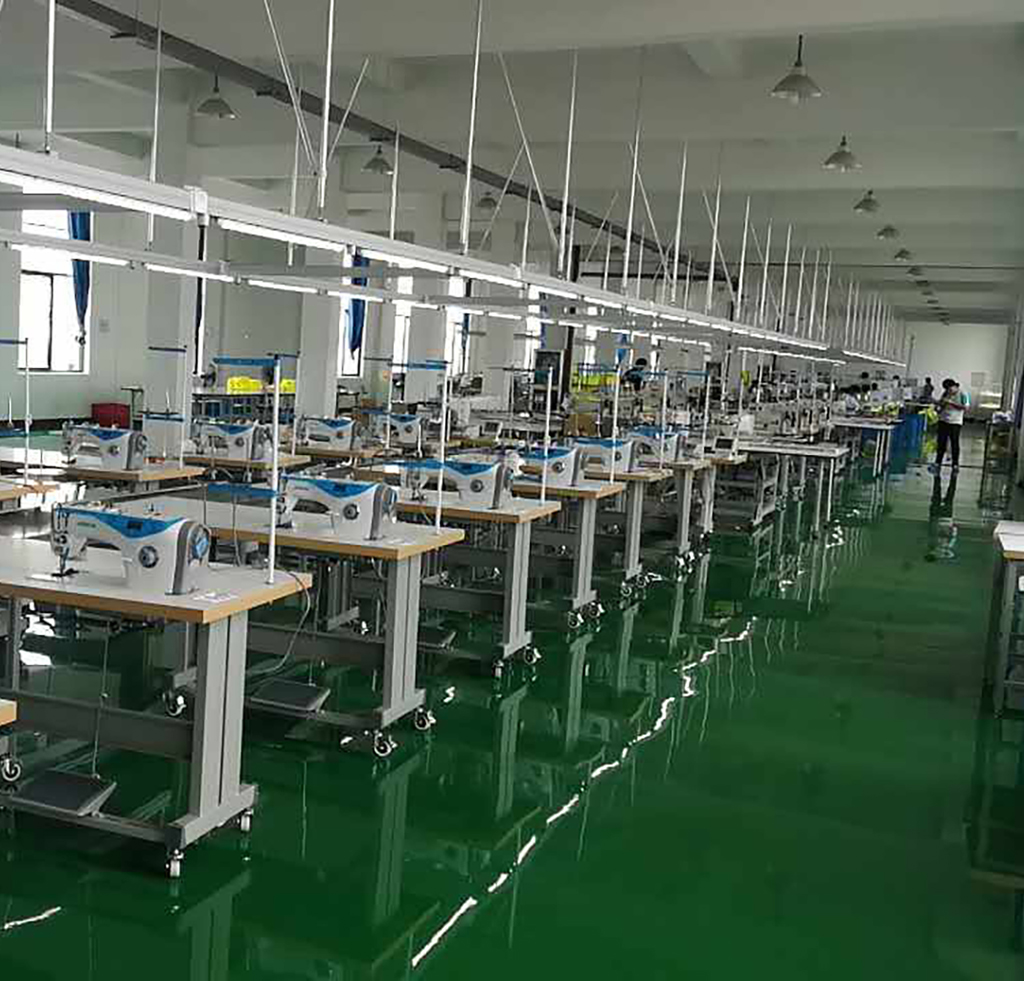
A view of a production workshop, indicating in-house manufacturing capabilities for storage products.
2.2 Design, Development, and Innovation
The ability to innovate and adapt designs is crucial for staying competitive.
- Dedicated R&D Team: A professional design team signals investment in product improvement and trend adaptation. Great Shine, for instance, established such a team in 2019, accumulating over 20 patents and maintaining a rapid innovation cycle.
- Portfolio Diversity: Evaluate their range across key categories: storage bins, laundry bags, closet organizers, underbed storage, travel and cosmetic bags. A broad portfolio suggests design versatility.
- Customization Process: Understand their workflow from concept to prototype. How do they handle branding, size modifications, or functional feature requests?
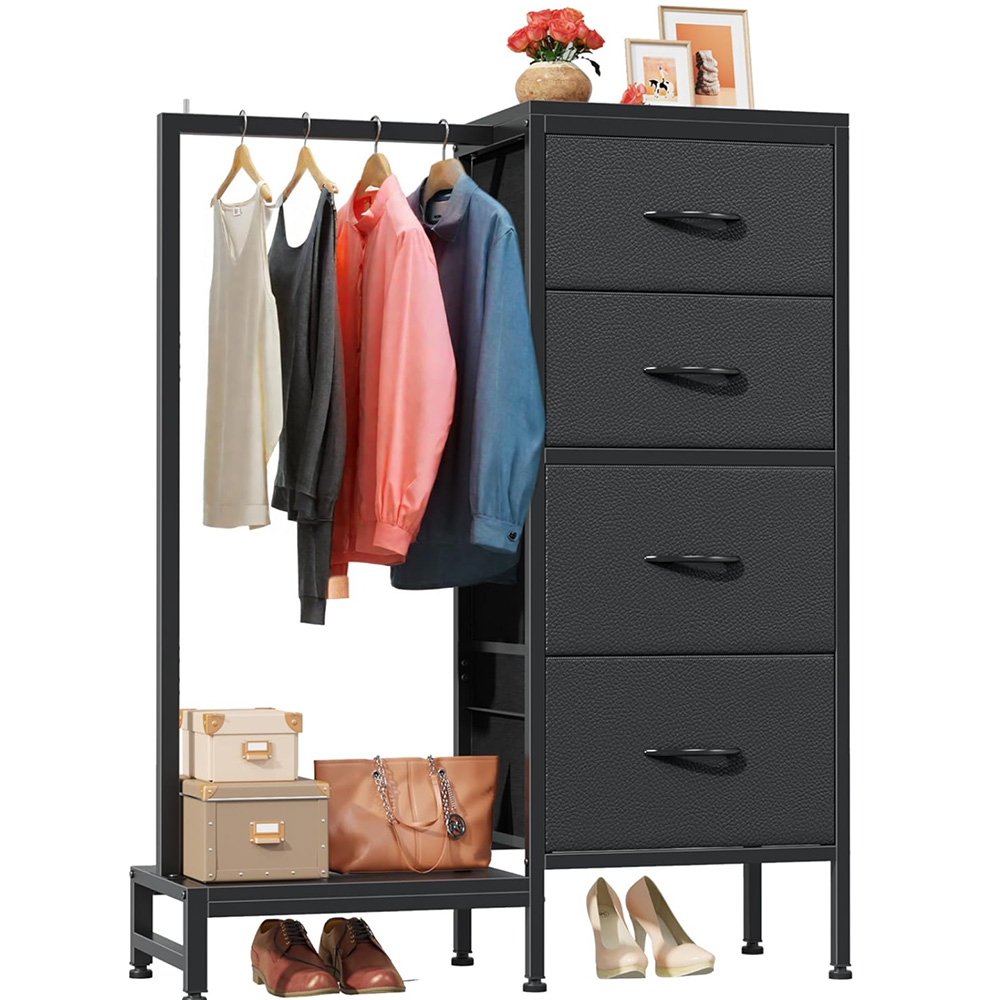
A diverse product lineup, such as these storage baskets, demonstrates design capability and market understanding.
2.3 Compliance, Certifications, and Ethical Standards
Certifications are objective proof of a supplier's commitment to international standards.
FSC Certificate: Verifies responsible sourcing of wood-based materials (e.g., for storage boxes), crucial for brands with sustainability commitments.
BSCI/SEDEX: Audits social compliance, ensuring ethical labor practices—a key requirement for major EU and UK retailers.
WCA/SQP: Focuses on workplace safety and quality management systems, respectively, indicating operational maturity.
Suppliers that proactively maintain such certifications, as evidenced by Great Shine's portfolio including FSC, BSCI, and SEDEX, are better positioned to serve regulated markets and discerning global buyers.
2.4 Supply Chain Reliability and Logistics
On-time delivery is as critical as product quality.
- Production Capacity: Ask about lead times for sample development and mass production. Clarify their capacity during peak seasons.
- Logistics Expertise: Do they have experience with your preferred Incoterms? Can they handle consolidation, labeling, and documentation for your destination country?
- Track Record: Long-term partnerships with recognized retailers serve as strong validation. For example, a supplier's decade-long collaboration with chains like LIDL or TESCO demonstrates proven reliability in meeting high-volume, high-standard orders.

Efficient packing and shipping operations are essential for reliable supply chain execution.
3. The Vetting Process: From Inquiry to Partnership
Turn your evaluation criteria into actionable steps.
- Initial RFQ: Provide detailed specifications. A competent supplier will ask clarifying questions.
- Sample Evaluation: Always request physical samples. Assess stitching, material feel, zipper quality, and overall finish.
- Factory Audit: Conduct an on-site or virtual audit. Inspect facilities, machinery, and quality control stations. Review raw material and finished goods warehouses.
- Reference Check: Ask for client references, preferably in your region or within a similar product category.
- Contract Clarity: Ensure the agreement clearly outlines payment terms, quality acceptance criteria, delivery schedules, and protocols for handling defects.
4. Industry Insights and Future-Proofing Your Supply Chain
The home storage market is evolving. Partner with suppliers aligned with these trends:
- Sustainability: Demand for eco-friendly materials (recycled PET, FSC-certified paperboard) and processes is rising. Suppliers integrating "green innovation DNA" are ahead of the curve.
- Multi-Channel Experience: Suppliers with proven success in both B2B (supermarkets like B&M, PRIMARK) and D2C (e.g., Amazon Best Seller status) understand diverse consumer needs and packaging requirements.
- Agility: The ability to launch new products rapidly (e.g., a "new product launch every month" rhythm) indicates a responsive and market-driven operation.
Conclusion: Building a Strategic Partnership
Selecting a supplier for home storage products is a strategic decision. The goal is to move beyond a transactional relationship to a collaborative partnership. A supplier like Great Shine exemplifies this approach, combining full-chain manufacturing, a strong certification portfolio, and a history of scaling with global brands from startups to international chains. By meticulously evaluating manufacturers against the criteria outlined—manufacturing depth, innovation capacity, compliance rigor, and logistical reliability—procurement professionals can secure a partner that ensures product excellence, mitigates supply chain risk, and supports long-term brand growth in the dynamic home organization market.
For further information, you can contact potential partners directly. For instance, Great Shine can be reached via email at sales11@g-shine07.com or through their website at www.greatshine07.com.