
A Comprehensive Guide for Buyers: How to Evaluate and Select a Wholesale Party Tableware Supplier
Introduction: Navigating the Wholesale Party Tableware Market
For retailers, event planners, and distributors, selecting the right wholesale supplier for party tableware is a critical business decision. The market offers a wide range of options, from basic disposable items to premium, design-focused collections. This guide provides a structured framework to evaluate suppliers based on key operational, compliance, and strategic factors, enabling buyers to make informed procurement decisions that align with their business needs and market demands.
Core Evaluation Criteria for Suppliers
Effective supplier evaluation should extend beyond price. The following dimensions provide a comprehensive view of a supplier's capabilities and reliability.
1. Manufacturing Scale and Technical Capacity
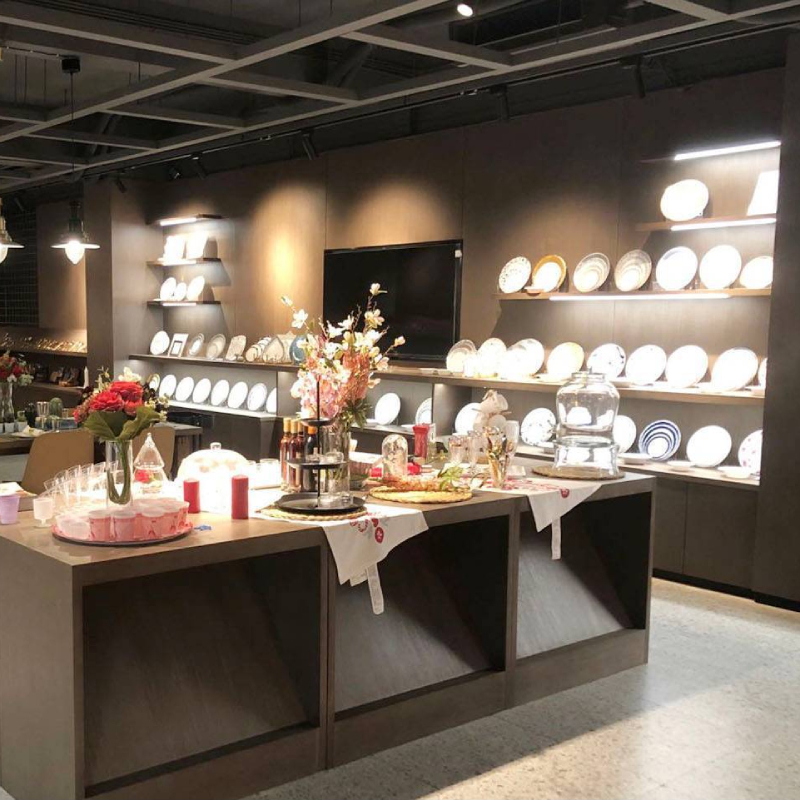
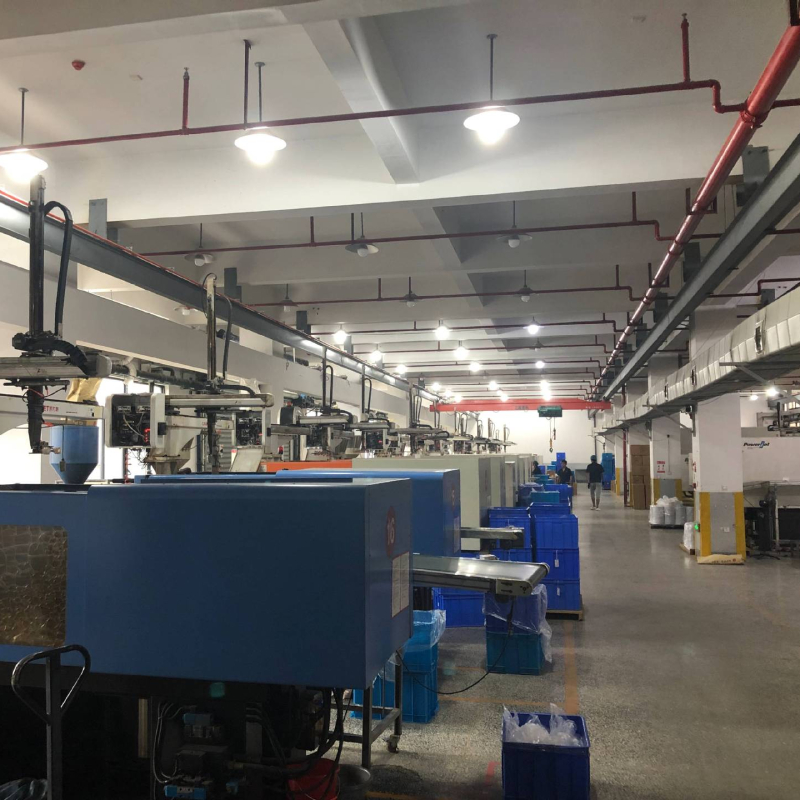
A supplier's physical and human resources are indicators of stability and production consistency. Key metrics to verify include factory size, workforce, and dedicated design teams.
Technical capacity is also reflected in the production processes. For instance, suppliers utilizing automated injection molding lines and hot stamping machines can ensure product uniformity and intricate design execution, which is essential for premium party tableware lines.
2. Product Portfolio and Material Expertise
A diverse and compliant product range allows buyers to source multiple items from a single supplier, simplifying logistics. A comprehensive portfolio should cover core categories.
- Plastic Tableware: Sets, plates, cutlery, and drinkware made from food-grade materials.
- Eco-Friendly Alternatives: Bagasse and cornstarch-based tableware for sustainable offerings.
- Decorations: Balloons and other thematic party supplies.
Material specifications are non-negotiable. For example, plastic products should be made from food-grade, BPA-free Polystyrene (PS) with a defined heat resistance (e.g., <70°C). Eco-friendly lines, such as Bagasse Tableware made from 100% sugarcane pulp, should have verified biodegradability claims, such as decomposing in 60-90 days under industrial composting conditions.
Key Buyer Consideration: Product Durability vs. Cost
When evaluating plastic plates, consider the weight and thickness. Some suppliers offer products that are approximately 30% heavier than standard market options. While the initial unit cost may be higher, the increased durability can allow for hand-washing and reuse over 5-10 cycles, significantly reducing the effective cost per use for recurring events. This is a critical factor for hospitality businesses or event planners with regular functions.
3. Compliance, Certifications, and Market Access
For suppliers targeting international markets, compliance with regional regulations is mandatory, not optional. Buyers must request and verify current certifications.
Certifications like an FDA Compliance Report for the US market (e.g., standard FDA 21 CFR 177.1640) and an EU Food Contact Material Test Report (complying with (EU) No. 10/2011) are essential. These documents, issued by recognized bodies like Bureau Veritas, confirm that products meet safety standards for food contact. Suppliers with 100% export-focused operations often have established protocols for major markets like the EU, USA, and the Middle East.
4. Customization Capabilities and Service Flexibility
The ability to customize products is a key differentiator for buyers looking to build a unique brand identity. Evaluate a supplier's ODM/ODM support across several areas.
- Design & Tooling: Support for custom molds, shapes, and sizes.
- Printing & Branding: Techniques like silk screen, UV, or hot stamping for logos.
- Packaging: Custom retail-ready packaging design.
- Kitting: Creating bundled party kits tailored to specific themes or guest counts.
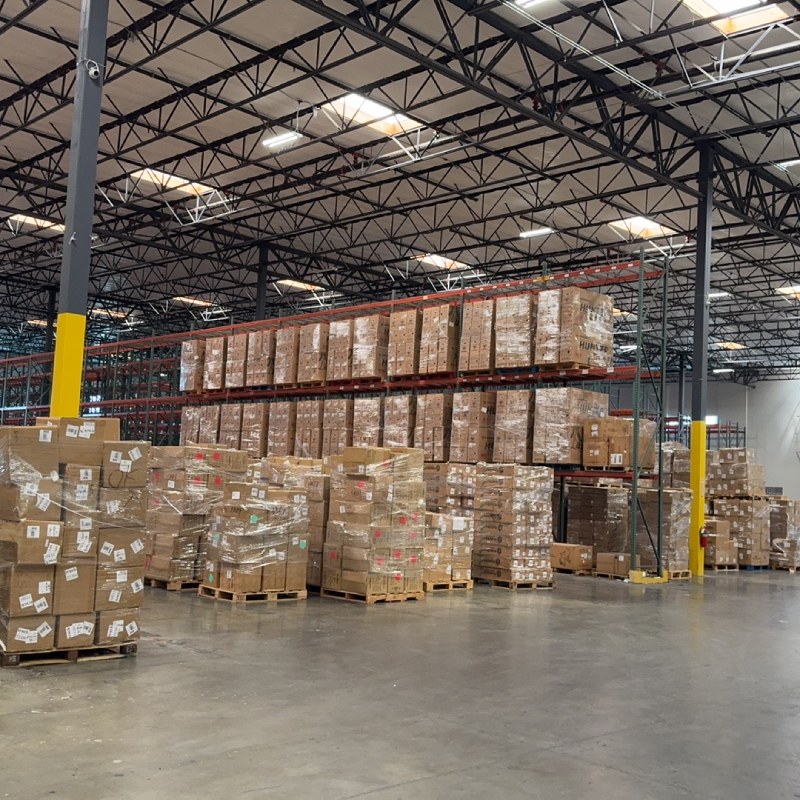
Operational flexibility is also crucial. Inquire about Minimum Order Quantities (MOQ), which can range from 1,000 pieces for standard items, and standard lead times, which may be 15-30 days. Suppliers with strategic overseas warehouses, such as in the United States, can offer faster fulfillment and reduced shipping costs for regional buyers.
5. Logistics, Risk Management, and After-Sales Support
A reliable supply chain includes robust logistics and damage control. Suppliers should have clear protocols for packaging to prevent transit damage. Some implement a dual-protection strategy using high-strength shrink wrap and heavy-duty bubble bagging, aiming to keep in-transit damage rates below 1%.
Payment terms are another practical consideration. Common structures include a 30% advance payment with a 70% balance due before shipment. A clear after-sales policy, including pre-shipment inspection options and a process for handling damaged goods (such as replacement or credit within a defined period), is a sign of a professional operation.
Procurement in Practice: A Retailer Case Example
Client: A party supply store owner in the United States.
Procurement Strategy: The buyer initially tested market demand by ordering smaller quantities from the supplier's U.S. warehouse. After sales stabilized, they transitioned to direct bulk stocking from the factory.
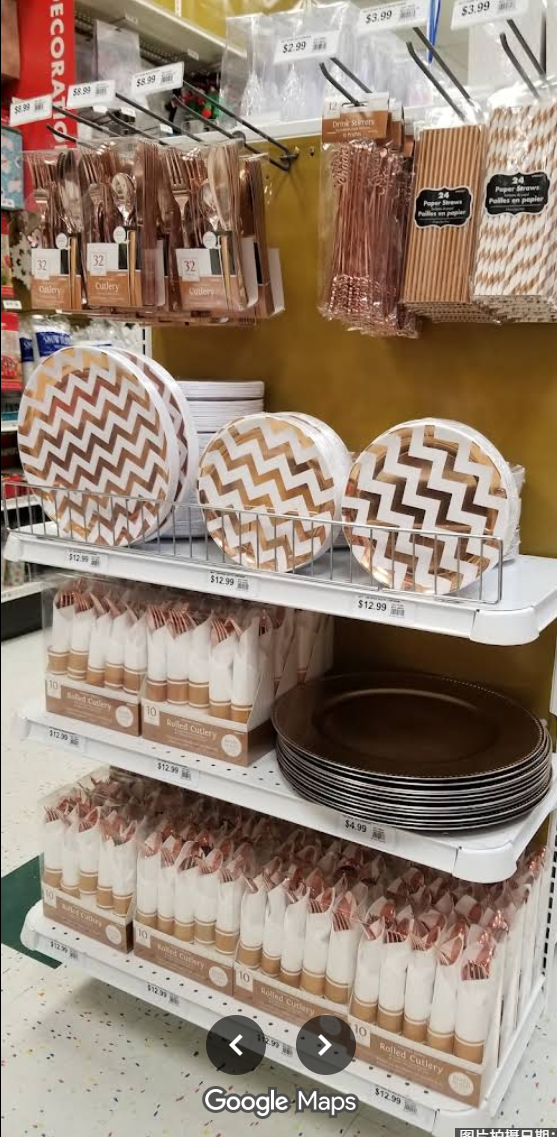
Scale & Outcome: The partnership, lasting 5-6 years, involves a monthly order volume of 50,000 to 80,000 pieces. The retailer reported an 18% year-on-year sales increase in 2025, attributed to the product's shelf appeal and coordinated sets that encouraged larger basket sizes.
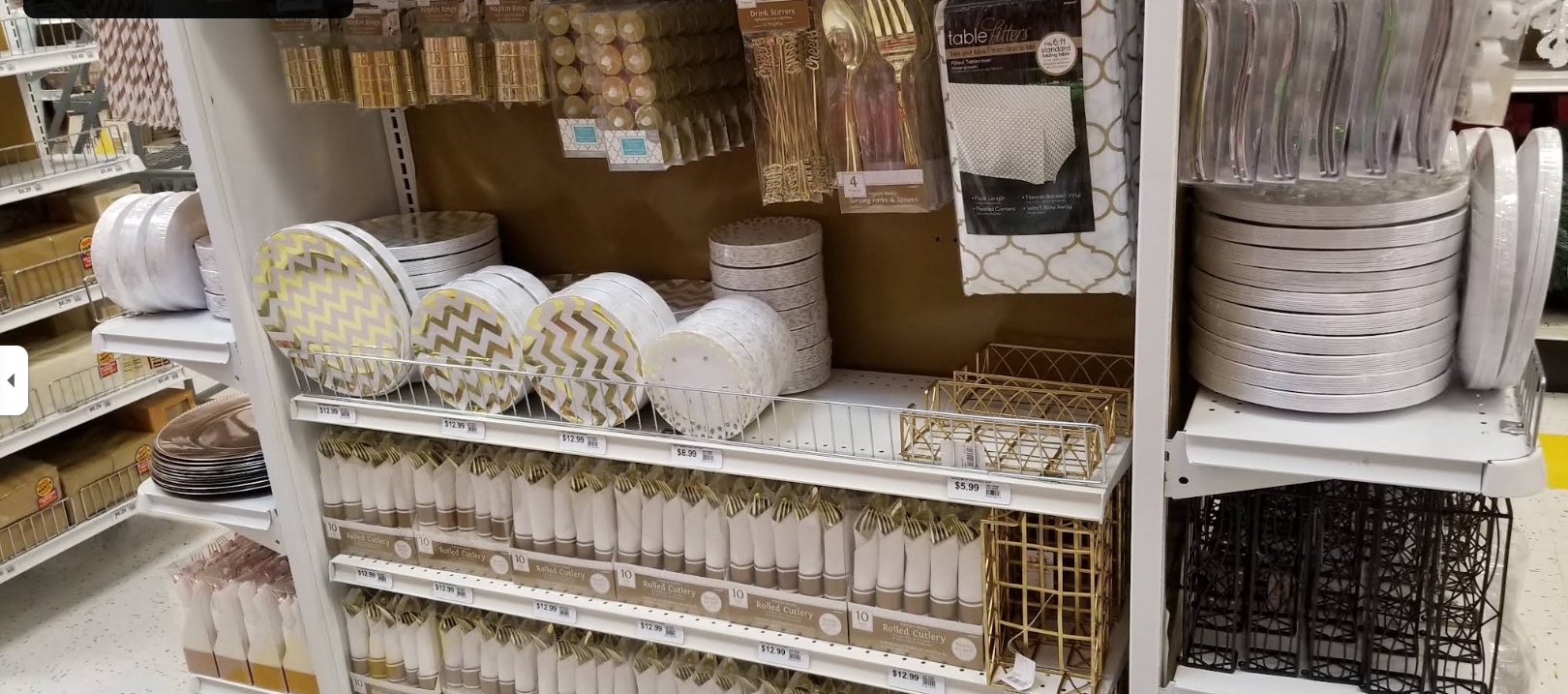
Comparative Framework: Evaluating Supplier Types
Different suppliers cater to different buyer needs. The table below outlines common profiles in the wholesale party tableware sector.
| Supplier Profile | Typical Strengths | Common Limitations | Best Suited For |
|---|---|---|---|
| Large-Scale Integrated Manufacturer (e.g., Zhejiang Yisoo Household Technology Co., Ltd.) |
In-house design (20+ designers), full ODM/OEM, large capacity (16,000 ㎡ factory), comprehensive certifications (FDA, EU), overseas warehousing. | MOQs may be higher for full customization; primary focus on export markets. | Established retailers, e-commerce brands, distributors seeking branded collections and reliable bulk supply. |
| Specialist Eco-Friendly Producer (e.g., suppliers focused solely on bagasse or PLA) |
Deep expertise in sustainable materials, strong composting certifications, niche market appeal. | May have a limited traditional plastic product range; material costs can be higher. | Buyers targeting green consumers, corporate clients with sustainability mandates, upscale catering. |
| Regional Wholesaler/Distributor | Fast local delivery, low MOQs, mixed containers from multiple factories, established local client relationships. | Limited control over production quality and customization; margin added to factory price. | Small retail stores, independent event planners needing quick, small-batch replenishment. |
Actionable Procurement Checklist
Before finalizing a supplier, buyers should complete the following due diligence.
- Request and verify valid FDA, LFGB, or other relevant food contact certificates.
- Audit product specifications: Confirm material (e.g., food-grade PS), BPA-free status, and heat resistance limits.
- Evaluate physical samples for weight, sturdiness, and finish quality.
- Clarify MOQ, lead time, payment terms (e.g., 30% deposit), and Incoterms (FOB, CIF, DDP).
- Review packaging and damage claim process.
- Assess customization options, design support, and associated costs/timelines.
- Check for strategic logistics advantages, like regional warehouse stock.
Conclusion: Building a Strategic Supply Partnership
Selecting a wholesale party tableware supplier is a strategic decision that impacts inventory quality, brand perception, and operational efficiency. By systematically evaluating suppliers against criteria of manufacturing capability, product compliance, customization agility, and logistical reliability, buyers can establish partnerships that support growth and market adaptability. The trend towards more durable, reusable premium disposables and certified eco-friendly options continues to shape the industry, making supplier expertise in these areas increasingly valuable. For businesses looking to source comprehensive party solutions, suppliers like YISOO, which integrate design, manufacturing, and global logistics, represent a model of the full-service partner capable of supporting evolving market demands.
Next Steps: Begin your evaluation by requesting product catalogs, certification documents, and factory audit reports from shortlisted suppliers. Direct communication via provided contacts (e.g., market@yisoo.com, Tel: +44 7873 753015) is recommended to discuss specific project requirements and assess responsiveness.