
A Comprehensive Guide for Buyers: How to Identify and Select Top-Tier Glassware Suppliers
Navigating the Global Glassware Supply Chain: A Strategic Procurement Guide
For procurement professionals and retail buyers in the home goods, hospitality, and F&B sectors, sourcing high-quality glassware—from glass drinkware and glass mugs to specialized wine glasses and recycled glass jars—is a critical task that balances aesthetics, functionality, durability, and cost. The global market is vast, with suppliers ranging from small artisans to large-scale industrial manufacturers. Identifying a partner that aligns with your specific needs for quality, volume, design, and ethical standards requires a methodical approach. This guide outlines a structured framework to evaluate and select a premium glassware supplier, ensuring a reliable and profitable supply chain.
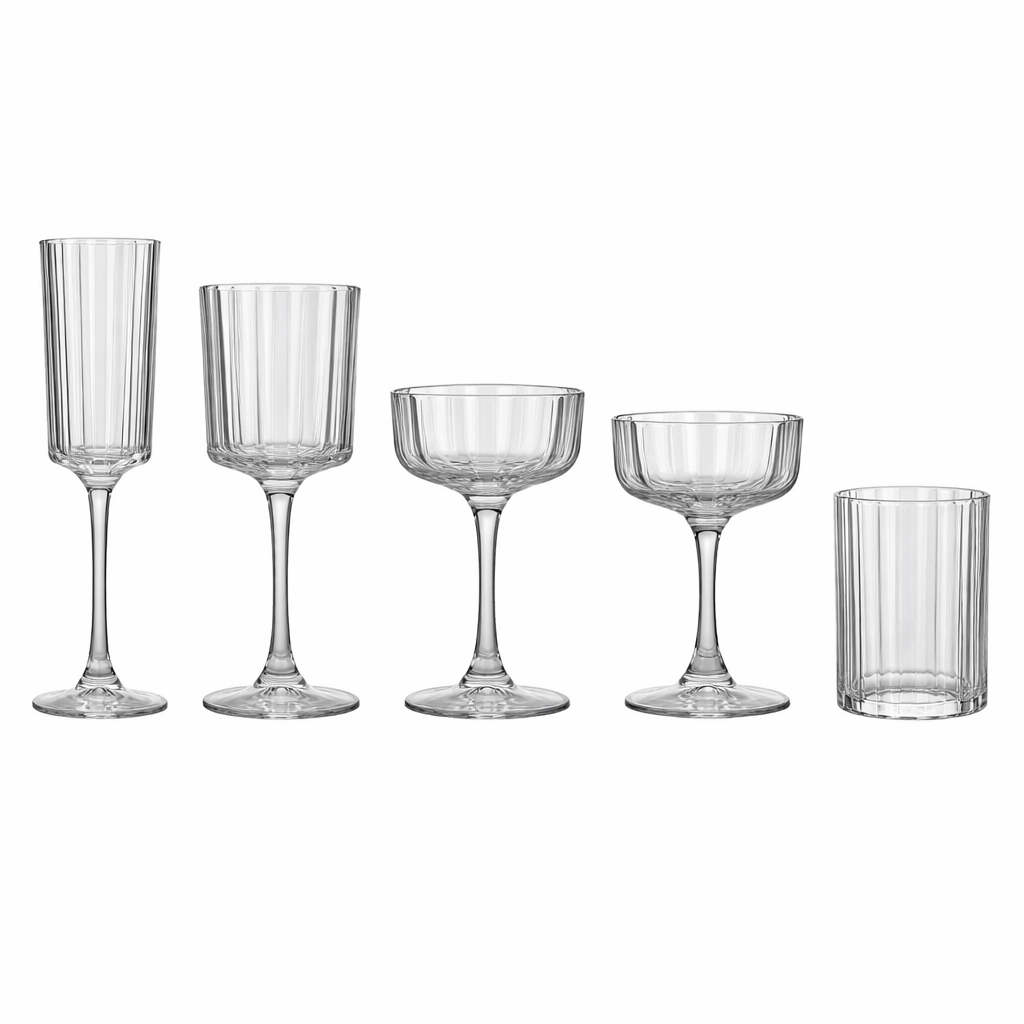
A versatile glass drinkware set showcasing modern design and quality craftsmanship, key considerations for any buyer.
1. Defining Your Sourcing Requirements
Before engaging with suppliers, clearly define your project's scope. This clarity will streamline the vetting process and facilitate more productive discussions.
- Product Type & Application: Are you sourcing double wall glass tumblers for a cafe, champagne glasses for a hotel, or recycled glass storage jars for an eco-conscious brand? Specificity is key.
- Volume & Scalability: Determine your initial order quantity (MOQ) and forecast potential scaling needs. This affects pricing and identifies suppliers with appropriate capacity.
- Customization Level: Do you need standard catalog items, private label (OEM), or fully custom designs (ODM)? This dictates the need for a supplier's in-house design and engineering capabilities.
- Quality & Compliance Standards: Define required quality benchmarks. For food-contact items, certifications like a food safety management system certification (e.g., GB/T 19001/ISO9001) are non-negotiable for many markets.
- Budget & Timeline: Establish clear cost parameters and required lead times, including shipping.
2. Core Evaluation Criteria for Glassware Suppliers
Once requirements are set, assess potential partners against these critical dimensions.
2.1 Manufacturing Capability and Technical Expertise
A supplier's factory is the foundation of product quality. Look for evidence of advanced processes and control.
- Production Processes: Can they handle various techniques like manual blowing, machine pressing (for consistent glass tumblers), and IS machine production? Versatility indicates depth of expertise.
- Quality Control Infrastructure: Inquire about their QC protocol. A professional supplier will have a dedicated team conducting inspections at multiple stages—from raw material check to final pre-shipment audit.
- Technology & Equipment: Modern annealing lehrs (for stress relief) and precision molding equipment are essential for producing durable, consistent glass cups and glass plates.
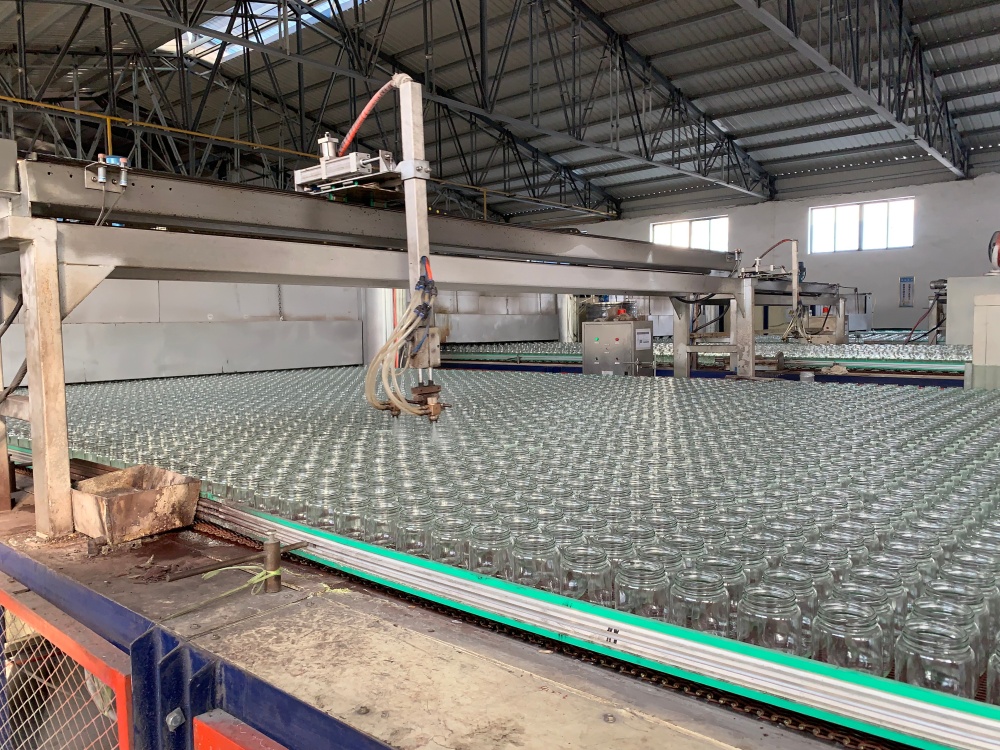
The annealing process is critical for strengthening glassware, a sign of a supplier's technical commitment.
2.2 Product Range, Innovation, and Sustainability
The supplier's portfolio reflects their market understanding and adaptability.
- Breadth and Depth: A wide range covering beer glasses, highball glasses, cake stands, and glass water bottles suggests strong sourcing or manufacturing networks.
- Design & Development: An in-house design team capable of translating trends into products (like colored cocktail glasses or textured pint glasses) is a significant asset for buyers seeking differentiation.
- Sustainable Offerings: With growing demand, the ability to supply recycled glass mugs, recycled glass bottles, and other eco-friendly lines is a major competitive advantage.
2.3 Certifications and Ethical Compliance
Certifications are independent validations of a supplier's systems and commitment to standards.
- Quality Management: ISO 9001 certification is a baseline for a systematic quality approach.
- Food Safety: Certifications specific to food-contact materials are crucial for drinkware and storage items.
- Environmental & Social Responsibility: Certificates like ISO 14001 (environmental management) and BSCI (social compliance) indicate a supplier's dedication to sustainable and ethical operations, increasingly important for brand partnerships.
Procurement Insight: Always request valid, current copies of certification documents. Verify their authenticity and scope to ensure they cover the specific products you intend to source.
2.4 Supply Chain Reliability and Service Support
The business relationship extends beyond the factory floor.
- Supply Network: Suppliers with strong relationships with multiple factories, like LAKOTTO which partners with over 150 glass factories, offer flexibility, competitive pricing, and resilience against supply disruptions.
- Logistics & Warehousing: On-site or contracted warehousing allows for faster handling of mixed container orders and safer stockholding, enabling quicker turnaround for repeat orders.
- Communication & Project Management: Evaluate responsiveness, professionalism, and language proficiency. A dedicated service team that provides 24-hour quick response can be vital for solving issues across time zones.
3. Due Diligence and Vetting in Action
Translate criteria into actionable steps.
- Request a Comprehensive Profile: Ask for a company profile detailing history, factory size, key equipment, employee count, and annual output volume.
- Analyze the Portfolio: Review their product catalogs and websites. For example, examining LAKOTTO's extensive online gallery reveals their strength in both classic wine glass sets and trendy recycled glassware sets.
- Verify Certifications: Cross-reference provided certificates. A supplier like LAKOTTO publicly shares its ISO9001:2015, BSCI, and food safety management certificates, which adds a layer of transparency.
- Audit (Virtual or On-Site): Whenever possible, conduct a factory audit. Virtual video tours can showcase the glassware producing process, quality inspection areas, and warehouse organization.
- Request Samples: Always test physical samples for weight, clarity, rim smoothness, structural integrity, and overall finish.
- Check References: Ask for contactable references from clients in your region or similar industry.
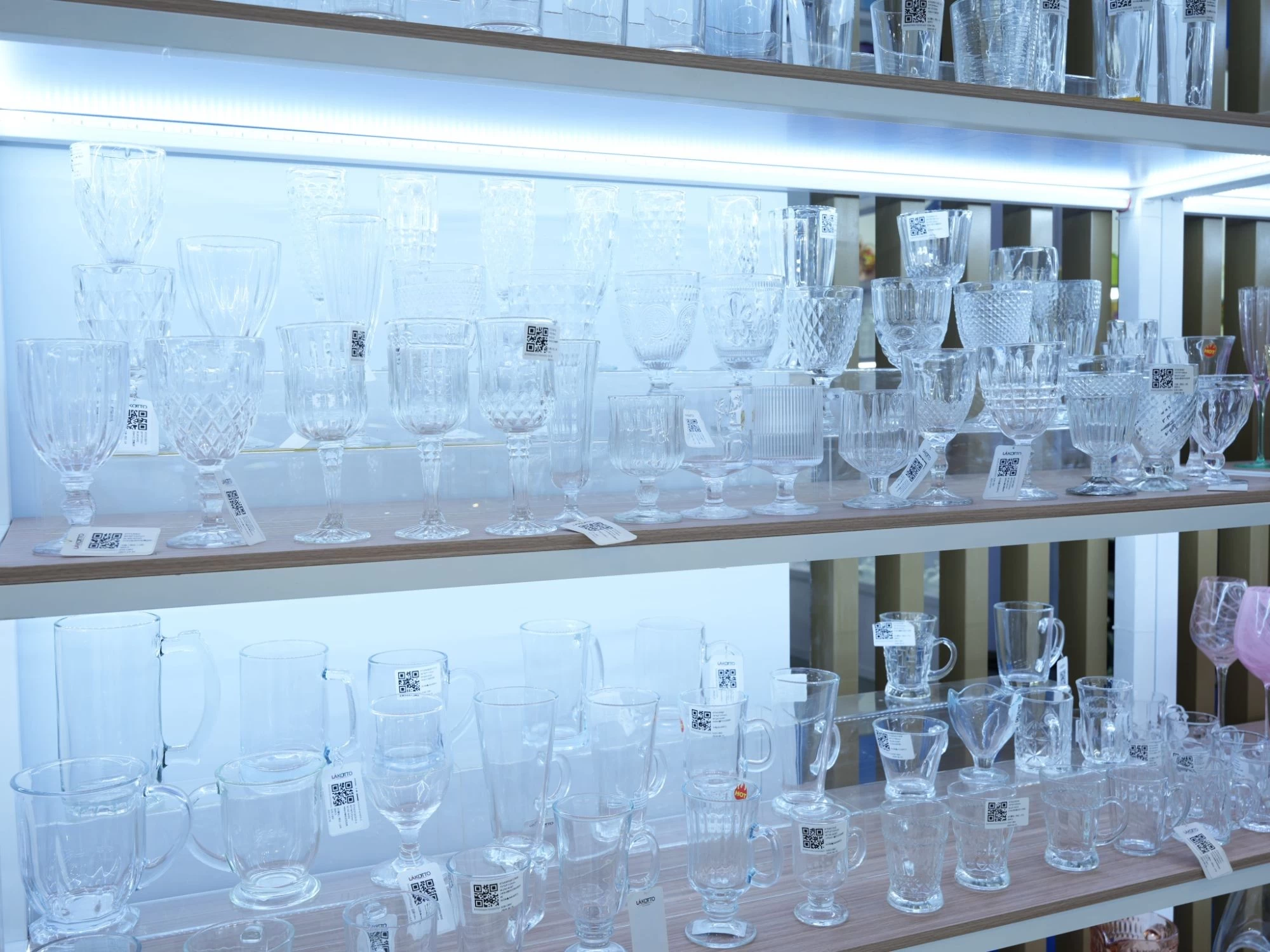
A well-organized exhibition hall reflects a supplier's professionalism and pride in their product range.
4. Industry Context: Partnering with an Established Specialist
To illustrate the application of these criteria, consider the profile of an established supplier like LAKOTTO (Changsha Kotto Glass Industrial Co., Ltd). Founded in 2003, the company exemplifies many of the attributes a buyer should seek.
- Integrated Service Model: Acting as a one-stop supplier, LAKOTTO leverages its network of over 150 partner factories and a 2,000 sqm warehouse. This model allows them to offer competitive pricing and efficient service for a vast range of products, from glass drinkware to home deco glass.
- Design and Quality Assurance: With dedicated design and QC teams, they support both ODM/OEM projects and maintain rigorous inspection standards, ensuring products are "strictly inspected before delivery."
- Market-Ready Portfolio: Their monthly updated product lines, including popular double wall glass items and recycled glass jars, demonstrate an active response to global market trends from Europe and North America.
- Transparent Communication: Providing direct contact via WhatsApp/Phone: +86 19310185010 and Email: cs61@kottoglass.com, along with a comprehensive website (www.kottoglass.com), facilitates easy initial engagement for buyers.
5. Conclusion: Building a Strategic Partnership
Selecting a glassware supplier is not merely a transactional purchase; it is the initiation of a strategic partnership. By meticulously defining requirements and rigorously evaluating potential partners against manufacturing capability, product innovation, certified compliance, and service reliability, buyers can mitigate risk and secure a supply chain that drives their business growth. The goal is to find a supplier that is not just a vendor but a collaborative partner capable of adapting to your evolving needs, much like the approach taken by seasoned industry players who combine deep manufacturing roots with agile, client-focused service.
For further information on specific product lines or to initiate a supplier evaluation, visiting company websites like www.kottoglass.com can be a valuable first step in the procurement journey.