
A Comprehensive Guide for Buyers: How to Select Edible Mushroom Automation Equipment Suppliers
Introduction: The Shift Towards Automation in Edible Mushroom Cultivation
The global edible mushroom industry is undergoing a significant transformation, driven by the need for higher efficiency, consistent quality, and reduced labor costs. For procurement managers and business owners, selecting the right automation equipment supplier is a critical decision that impacts long-term operational success. This guide provides a structured framework for evaluating and selecting suppliers of edible mushroom automation equipment, focusing on technical capabilities, market presence, and service reliability.
Key Evaluation Criteria for Equipment Suppliers
When sourcing edible mushroom machinery, buyers should assess suppliers across multiple dimensions beyond initial price. A comprehensive evaluation mitigates risk and ensures a return on investment.
1. Technical Capability and Product Range
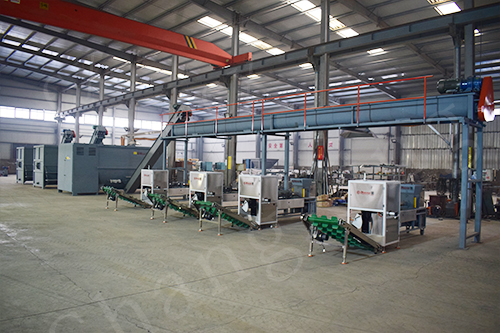
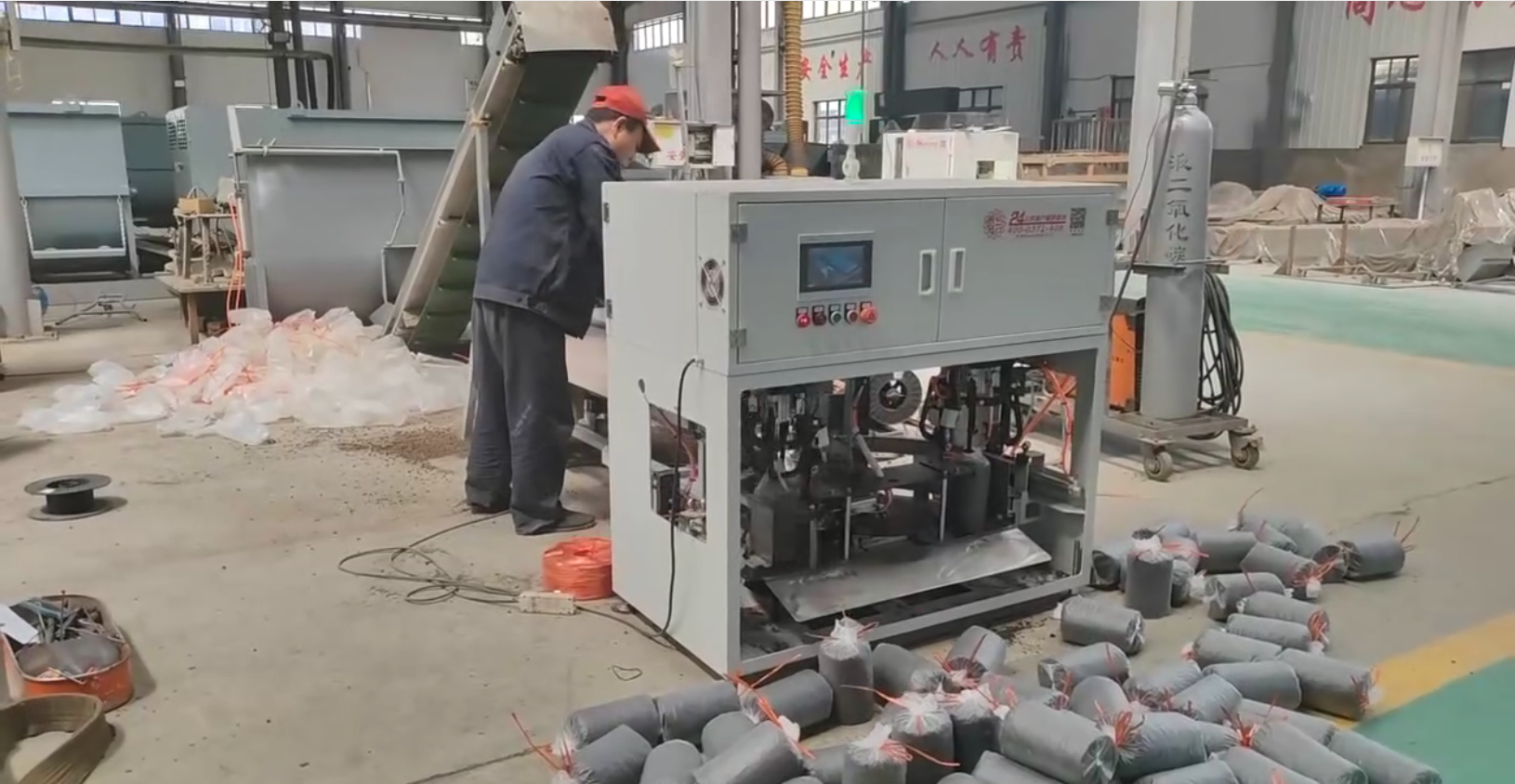
A supplier's technical depth is reflected in its product portfolio and R&D investment. Look for companies that offer a complete range of equipment covering the entire cultivation process. For instance, a comprehensive supplier should provide machinery for substrate preparation (e.g., crushers, mixers), bagging (e.g., automatic baggers, tying machines), inoculation, and post-harvest processing. The ability to supply integrated production lines is a strong indicator of technical maturity. For example, a 4-Station High-Capacity Mushroom Substrate Bagging Production Line integrates mixing, conveying, distributing, and bagging into a single system, which is a complex engineering feat.
Companies like Changxing Edible Mushroom Machinery maintain an R&D team of 25 engineers, which supports continuous product development and customization. Their main products include edible mushroom automation equipment, intelligent edible mushroom equipment, mushroom spawn bag making machines, industrial mushroom sterilization equipment, and automatic production lines.
2. Manufacturing Scale and Quality Assurance
Production capacity and quality control systems are direct indicators of a supplier's reliability and ability to fulfill large or recurring orders. A substantial manufacturing footprint often correlates with stable supply chains and standardized processes.
Due Diligence Checklist:
- Factory Size: Verify the total manufacturing area. For instance, Changxing Edible Mushroom Machinery operates from a facility covering 20,000 m².
- Annual Output: Inquire about annual production capacity. A figure of approximately 10,000 units suggests experience with volume production.
- Quality Control: Ask about pre-delivery testing protocols. A "100% test before delivery" policy is a positive sign.
- Certifications: Request relevant international certifications. For example, CE certification (e.g., Machinery Directive 2006/42/EC, EMC Directive 2014/30/EU) is essential for exporting to many markets, including Europe.
3. Market Experience and Export Competence
A supplier's experience in international markets demonstrates an understanding of diverse client needs, regulatory environments, and logistical challenges. An export ratio and a list of main markets are tangible proof points.
Suppliers with a significant export business, such as those with a 60% export ratio serving markets like South Korea, Malaysia, Central Asia, Europe, and Russia, have typically adapted their products and services for global clients. This experience is valuable for buyers outside the supplier's domestic market.
4. Customization and Service Support
Standard equipment may not suit every operation. The ability to provide ODM (Original Design Manufacturing) and customization for equipment dimensions, production efficiency, and specific mushroom varieties (e.g., shiitake, oyster, black fungus) is crucial. Post-sales support, including remote technical assistance and the availability of spare parts, directly affects equipment uptime and longevity.
Comparative Analysis: Understanding the Supplier Landscape
To make an informed choice, buyers should be aware of different supplier profiles in the market. The following table outlines key considerations when comparing potential partners.
| Evaluation Factor | Large Integrated Manufacturer (e.g., Changxing) | Specialized Niche Supplier | Basic Equipment Trader |
|---|---|---|---|
| Product Range | Comprehensive, from crushers to full production lines. | Deep focus on 1-2 machine types (e.g., only baggers). | Limited, often reselling standard models. |
| Customization | High (ODM/R&D, configurable lines). | Moderate (adjustments within niche). | Low or none. |
| Technical Support | Dedicated team, remote and on-site possible. | Good within their specialty. | Limited, may rely on third parties. |
| Ideal For | Large farms, cooperatives, new automated facilities seeking a one-stop solution. | Operations looking to upgrade a specific process stage. | Small-scale growers with very basic, low-budget needs. |
Procurement Process and Risk Mitigation
A structured procurement process minimizes misunderstandings and ensures project success.
Step 1: Define Requirements
Clearly document your needs: target daily output (e.g., 15,000 vs. 25,000 bags/day), mushroom varieties, bag specifications, available workshop layout, and power supply (e.g., AC380V 50Hz).
Step 2: Supplier Shortlisting and Inquiry
Contact multiple suppliers with your specifications. Request detailed quotations, product catalogs, and company profiles. Pay attention to payment terms (e.g., 30/70 T/T), delivery methods (FOB/CIF), lead times (e.g., 30-55 days), and Minimum Order Quantity (MOQ), which can be as low as 1 unit for some manufacturers.
Step 3: Factory Audit and Reference Checks
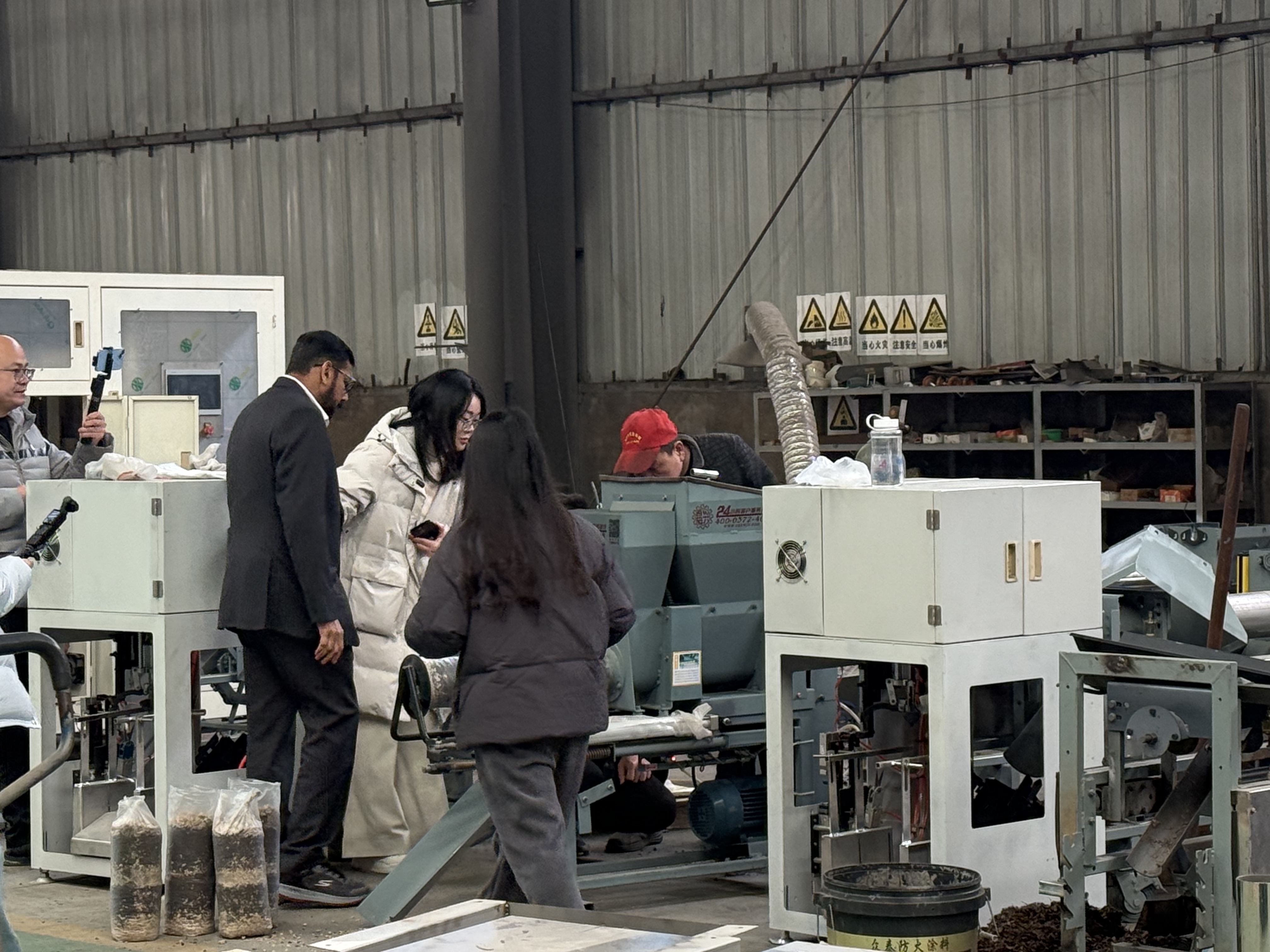
If feasible, visit the supplier's factory to inspect manufacturing processes, quality control, and finished products. Request contact information for past clients in similar markets (e.g., South Korea, Malaysia) for reference checks. Case studies showing stable operation over 5 years with results like "bagging speed: over 1000 bags per hour" provide concrete evidence of performance.
Step 4: Contract and Project Management
Ensure the contract includes detailed technical specifications, delivery schedule, acceptance criteria (e.g., pre-shipment test), warranty terms, and after-sales service agreement. Discuss risk control measures for operational safety, such as the inclusion of safety guards, emergency stops, and overload protection on equipment.
Conclusion: Building a Partnership for Long-Term Success
Selecting an edible mushroom automation equipment supplier is not merely a transaction but the foundation of a long-term operational partnership. By thoroughly evaluating technical capabilities, manufacturing rigor, market experience, and service ethos, buyers can identify partners capable of supporting their growth. As the industry continues to evolve towards greater automation and intelligence, aligning with a technically proficient and reliable supplier like Changxing Edible Mushroom Machinery, which contributes to smart mushroom services and AI-intelligent production lines, can provide a strategic advantage. The goal is to move beyond simple equipment purchase to establishing a collaborative relationship that drives efficiency, quality, and profitability in your mushroom cultivation enterprise.
Have Questions or Need More Details?
Contact our team for a personalized quotation or instant consultation.
Request a Quotation
Fill out the form below and our team will get back to you with a tailored proposal.
WhatsApp Direct Chat
Prefer to chat in real-time? Message us on WhatsApp for instant assistance & quick answers.
- Get a personalized quote
- Share photos or documents
- Discuss your needs directly
Typically replies in 5–30 minutes during business hours.