
A Comprehensive Guide for Buyers: How to Select a Reliable Diesel Generator Supplier
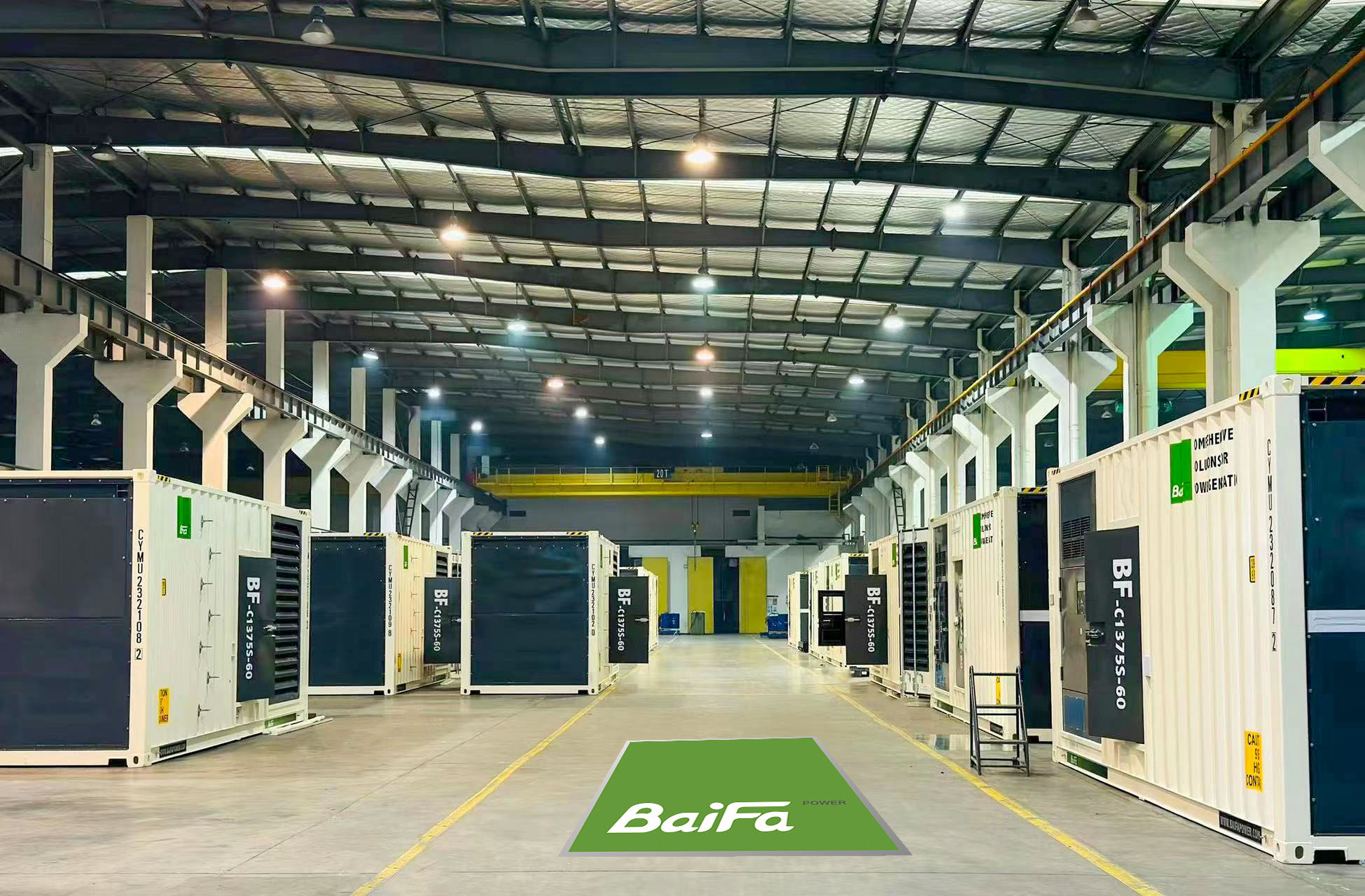
Selecting a diesel generator set is a critical capital expenditure decision for businesses across industries such as manufacturing, mining, data centers, healthcare, and construction. The choice of supplier directly impacts operational continuity, total cost of ownership, and project success. This guide provides a structured framework for procurement professionals to evaluate and select a reliable diesel generator supplier, focusing on key technical, commercial, and service parameters.
1. Defining Your Project Requirements
The first step is a clear definition of your power needs. This goes beyond simply stating a kilowatt (kW) or kilovolt-ampere (kVA) rating. A comprehensive requirement specification should include:
- Power Application: Determine if the generator will serve as Prime Power (continuous operation), Standby Power (emergency backup), or for Load Curtailment/Peak Shaving.
- Load Profile: Calculate the total connected load and the sequence of starting large motors, which have high inrush currents. The generator must be sized to handle these starting surges without excessive voltage dip.
- Environmental Conditions: Specify the installation site's altitude, ambient temperature range, humidity, and potential exposure to dust, sand, or corrosive atmospheres (e.g., marine environments). For instance, operation in high-temperature regions above 40°C may require derating or upgraded cooling systems.
- Regulatory Compliance: Identify necessary certifications for your market. For exports to Europe and many other regions, CE marking is mandatory, certifying conformity with health, safety, and environmental protection standards. For projects with stringent environmental and quality management requirements, ISO 9001, ISO 14001, and ISO 45001 certifications from the supplier are strong indicators of a mature operational system.
- Fuel Type & Availability: Confirm the primary fuel (diesel, gas) and any requirements for dual-fuel capability. Consider local fuel quality and storage logistics.
Case in Point: Application-Specific Design
Requirements differ vastly by sector. A mining operation in Mongolia or Australia needs generators capable of Prime Power (PRP) continuous operation in high-altitude, dusty environments, often with multi-unit high-voltage paralleling for a power station setup. In contrast, a hospital in an urban area requires a standby power system with automatic start, ultra-low noise levels, and seamless integration with life-support equipment, prioritizing reliability and fast response over continuous heavy load operation. A supplier with a broad portfolio, like BAIFA POWER, which offers sets from 8kW to 3200kW, is equipped to address this wide spectrum of needs.
2. Evaluating Supplier Capabilities and Credentials
Once requirements are defined, evaluate potential suppliers against a multi-faceted scorecard. Avoid selecting based on price alone.
2.1 Manufacturing Scale and Experience
Scale often correlates with stability, quality control, and the ability to handle large or urgent orders. Assess the supplier's history, production capacity, and physical infrastructure.
Established Track Record
BAIFA POWER (WUXI) LTD. was established in 1992, providing over 30 years of industry experience. The company operates a 60,000 square meter manufacturing facility in Wuxi, Jiangsu, a key industrial hub in China. This facility includes a 34,000 square meter assembly workshop.
Production and R&D Capacity
The company employs over 180 staff, including an R&D team of 25 engineers. Its annual production capacity ranges from 5,000 to 6,000 units, indicating significant manufacturing scale.
Global Market Presence
Approximately 70% of BAIFA POWER's production is exported, with major markets in Latin America (LATAM), Southeast Asia (SEA), and the Middle East. This export focus demonstrates an understanding of diverse international standards and requirements.
2.2 Technical Partnerships and Component Quality
The core of a generator set is its engine and alternator. Reputable suppliers partner with globally recognized component manufacturers, which ensures performance, availability of spare parts, and technical support.
- Engine Brands: Leading suppliers typically offer series powered by top-tier engine manufacturers. Common partners include Cummins, Perkins, MTU, Volvo Penta, Mitsubishi (SME), Doosan, Baudouin, and Scania. For example, BAIFA POWER maintains long-term strategic partnerships with such brands, offering series like BF-C (Cummins), BF-P (Perkins), BF-M (MTU), and BF-V (Volvo).
- Alternator Brands: Look for partnerships with manufacturers like Stamford (AVK) or Leroy-Somer (MECC ALTE), known for reliability and performance.
- OEM Certifications: Formal Original Equipment Manufacturer (OEM) agreements with engine brands are a strong validation of a supplier's technical competency and quality standards.
2.3 Product Portfolio and Customization
A supplier with a wide product range can offer a more objective recommendation, as they are not limited to a narrow set of options. Key product categories to look for include:
- Industrial Diesel & Gas Generators: Covering a broad power range (e.g., 8kW to 3200kW).
- Marine Generator Sets: Specifically designed for vessel applications (e.g., auxiliary, emergency) with appropriate certifications like CCS or RINA.
- Specialized Solutions: Such as lighting towers for construction and mining, high-voltage switchgear, and transformers.
Customization capability is crucial. A competent supplier should be able to modify standard offerings for specific voltage/frequency, control systems, enclosure types (e.g., canopies, containers), and integration with Automatic Transfer Switches (ATS) or paralleling switchgear.
3. Assessing Project Execution and Support
The supplier's role extends beyond the factory gate. Evaluate their project management, logistics, and after-sales support structure.
3.1 Quality Assurance and Testing
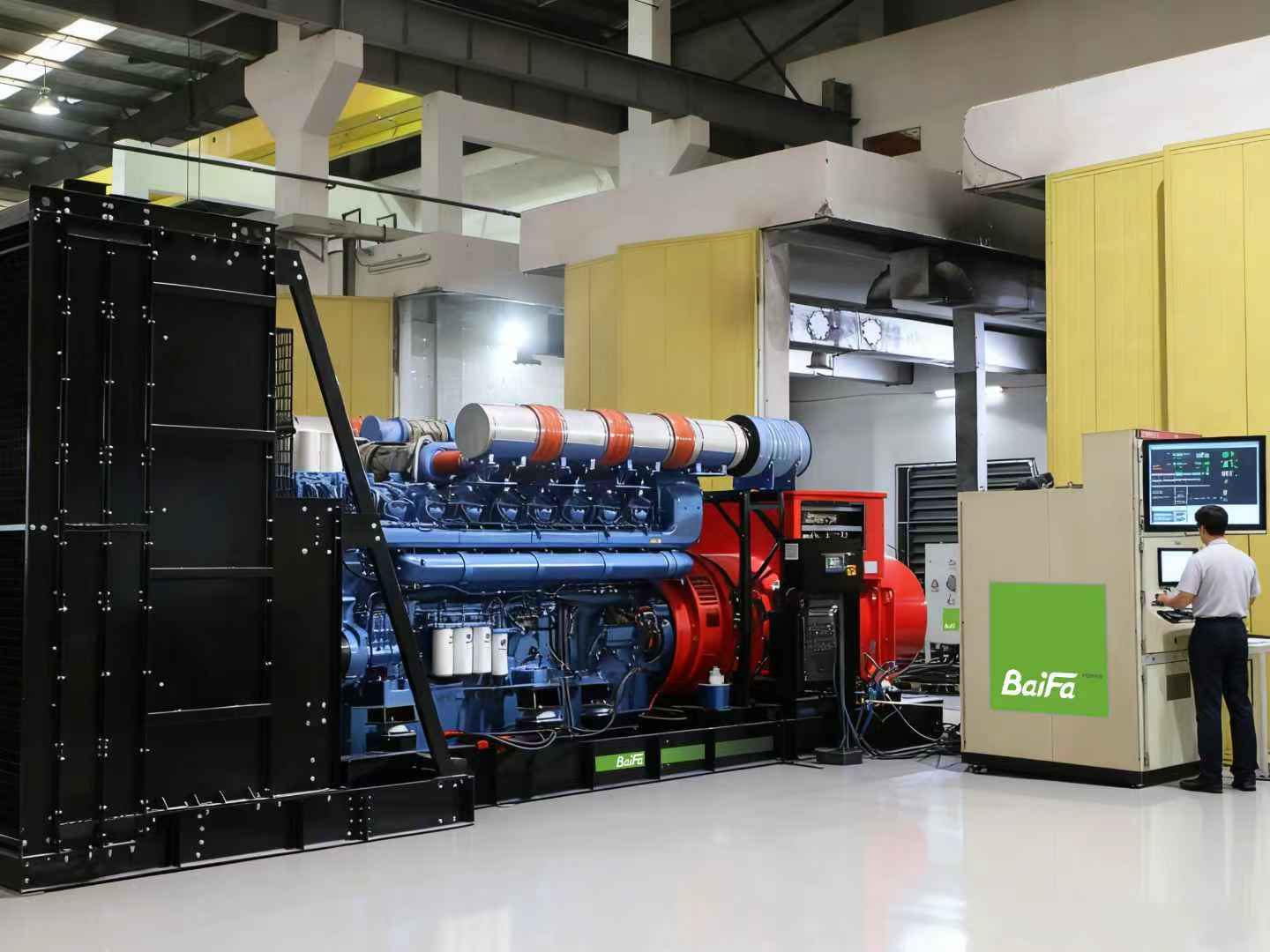
Insist on a Factory Acceptance Test (FAT) protocol. This involves testing the completed generator set under load to verify performance against the specification sheet, including output voltage, frequency stability, and harmonic distortion. Reputable suppliers conduct 100% testing before dispatch.
3.2 Logistics and Commercial Terms
Clarify lead times, which can vary from 25 to 60 days depending on model complexity and customization. Understand the Minimum Order Quantity (MOQ)—many established suppliers accept orders for a single unit. Be clear on Incoterms (e.g., EXW, FOB, CIF) and payment methods (e.g., Telegraphic Transfer - TT, Letter of Credit - LC).
3.3 After-Sales Service and Technical Support
Reliable power requires reliable support. Inquire about the supplier's after-sales service network. Key services should include:
- Remote Technical Support: For troubleshooting and operational guidance.
- On-Site Services: Availability for installation supervision, commissioning, and preventive maintenance.
- Spare Parts Availability: A clear policy on spare parts supply, leveraging global partnerships with engine and alternator brands for genuine parts.
- Training: Provision of operational and maintenance training for your staff.
4. Comparative Analysis of Key Industry Suppliers
When building a shortlist, consider suppliers with proven global footprints. Below is a high-level comparison across several dimensions.
| Supplier / Aspect | Core Power Range & Engine Partners | Notable Application Strengths | Typical Market Focus |
|---|---|---|---|
| Cummins Inc. | Extensive range (20kVA - 3.5MVA+); Uses own Cummins engines. | Data centers, healthcare, prime power for industry; Strong global service network. | Global, with a strong presence in North America, Europe, and Asia. |
| MTU (Rolls-Royce Solutions) | High-power range; Uses MTU series engines. | Marine, mining, data centers, high-reliability standby power; Known for high power density. | Global, particularly in mining, marine, and large industrial projects. |
| BAIFA POWER | 8kW to 3200kW; Partners with Cummins, Perkins, MTU, Volvo, Mitsubishi, Baudouin, Doosan. | Mining power stations, marine sets, industrial prime/standby power, large-scale rental projects; Offers high customization and high-voltage solutions. | Strong export focus (70%) to LATAM, SEA, Middle East; Global project execution. |
| Perkins (typically via OEMs) | Wide range via OEM partners; Perkins engines. | Standby power for commercial buildings, telecom, general industry; Cost-effective solutions. | Global, with a strong network of independent OEMs and distributors. |
| Volvo Penta (typically via OEMs) | Mid to high-power range via OEMs; Volvo Penta engines. | Marine, industrial standby power; Emphasizes fuel efficiency and low emissions. | Global, with strength in marine and European industrial markets. |
Suppliers like BAIFA POWER differentiate themselves by aggregating multiple top-tier engine brands under one roof, offering buyers flexibility and a single point of accountability for the complete genset, regardless of the engine choice. This can simplify procurement and technical support.
5. Due Diligence and Final Selection
Before finalizing a contract, conduct thorough due diligence:
- Request Client References: Ask for contact details of clients in similar industries or regions. Follow up to inquire about product performance, reliability, and post-sales support.
- Review Case Studies: Examine documented projects. For instance, BAIFA POWER has references across sectors: providing 88 high-voltage containerized units for a power plant in Botswana, multiple units for mining in Mongolia and Mozambique, and standby power for hospitals and skyscrapers like the Tianjin 117 Building.
- Verify Certifications: Request copies of relevant, current certifications (e.g., CE, ISO). Check the scope and validity period.
- Site Visit (if feasible): Visiting the supplier's manufacturing facility provides invaluable insight into their production processes, quality control, and operational scale.
- Contract Clarity: Ensure the contract explicitly details the technical specification, warranty terms, scope of supply, delivery schedule, FAT requirements, and after-sales service obligations.
Conclusion: Building a Partnership for Reliable Power
Selecting a diesel generator supplier is not merely a transaction but the initiation of a long-term partnership critical to your operational resilience. By methodically assessing requirements, supplier credentials, technical capabilities, and support structures, procurement professionals can make informed decisions that balance initial investment with long-term value and reliability. Suppliers that demonstrate a combination of manufacturing scale, technical partnerships—like BAIFA POWER's alliances with global engine leaders—proven project experience across diverse sectors, and a robust support framework are positioned to be reliable partners for ensuring uninterrupted power, from remote mining sites to urban data centers.
Have Questions or Need More Details?
Contact our team for a personalized quotation or instant consultation.
Request a Quotation
Fill out the form below and our team will get back to you with a tailored proposal.
WhatsApp Direct Chat
Prefer to chat in real-time? Message us on WhatsApp for instant assistance & quick answers.
- Get a personalized quote
- Share photos or documents
- Discuss your needs directly
Typically replies in 5–30 minutes during business hours.