
A Comprehensive Guide for Buyers: How to Select a Reliable Fashion Jewelry Supplier
Navigating the global fashion jewelry supply chain requires a strategic approach. For buyers ranging from boutique owners and e-commerce sellers to large-scale distributors, selecting the right supplier is a critical decision that impacts product quality, brand reputation, and profitability. This guide outlines a systematic framework for evaluating fashion jewelry manufacturers, focusing on key criteria such as manufacturing capability, compliance, product range, and service flexibility.
Core Objective: This guide is designed to help procurement professionals and business owners identify suppliers that align with their specific needs, whether for trendy wholesale fashion jewelry, custom OEM/ODM projects, or bulk orders of high-quality, cost-effective pieces.
1. Assessing Manufacturing Scale and Capability
The operational scale of a supplier is a strong indicator of reliability, production capacity, and experience. Key metrics to investigate include factory size, workforce, annual output, and design resources.
Industry Benchmark Example: Established suppliers like Guangdong Xuping Jewelry Co., Ltd., founded in 1997, operate from a production base exceeding 200,000 square meters with a workforce of over 1,000 employees. Such a scale typically supports an annual output exceeding 100 million pieces and facilitates dedicated R&D, with teams often comprising over 60 designers to ensure a continuous pipeline of new designs.
When comparing suppliers, consider how their scale translates into tangible benefits for you:
- Production Stability: Large facilities with established processes are better equipped to handle high-volume orders and maintain consistent delivery schedules.
- Design Innovation: A dedicated in-house design team allows for faster trend adaptation and offers valuable support for custom ODM projects.
- Vertical Integration: Suppliers controlling multiple stages of production (from material sourcing to finishing) generally offer better cost control and quality oversight.
2. Verifying Quality and Regulatory Compliance
Compliance with international safety and environmental standards is non-negotiable, especially for markets with stringent regulations like the EU and North America. Certifications provide objective proof of a supplier's commitment to quality and safety.
Essential Certifications for Fashion Jewelry
Buyers should request and verify current certificates. Reputable suppliers will hold multiple certifications, often renewed regularly.
For instance, certificates such as ISO9001 (Cert. No. CACQ21Q00750R1) for quality management systems and SGS reports confirming compliance with REACH Regulation (EC) No 1907/2006 are standard for suppliers targeting global markets. These documents verify that materials like environmental copper and plating processes meet specific safety thresholds for substances like lead.
Quality Control Processes
Beyond certificates, inquire about the internal quality control (QC) protocol. A robust QC system includes multiple checkpoints.
- Multi-Stage Inspection: Look for suppliers that implement processes like an 18-stage quality check, covering everything from raw material intake to final packaging.
- Material Sourcing: Suppliers using SGS-certified raw materials provide an additional layer of supply chain assurance.
- Final Audit: A 100% full inspection prior to shipment is a best practice that minimizes the risk of defective products reaching the customer.
3. Analyzing Product Portfolio and Technical Specifications
A diverse and well-defined product catalog allows buyers to source comprehensively. Evaluate the range of categories, materials, and the clarity of product specifications provided.
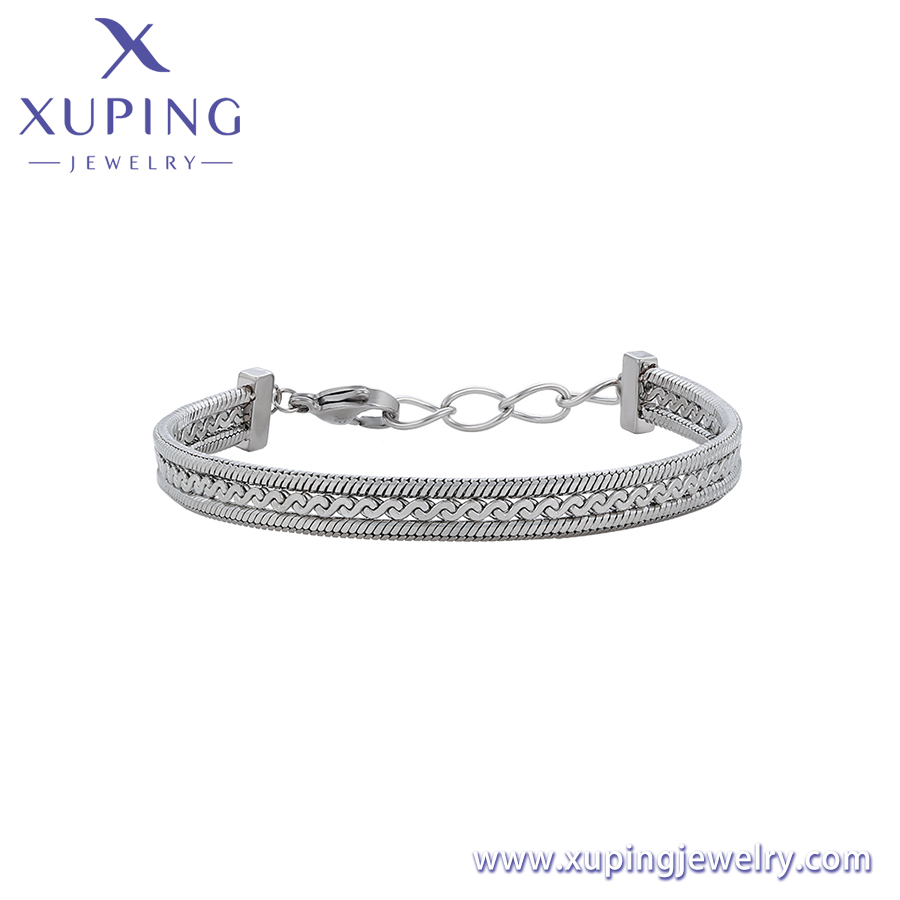
Stainless Steel Bracelet (Model: T000959269)
Material: Stainless Steel. Size: ~170*6 mm. Weight: ~11.01g. Series: Daily.
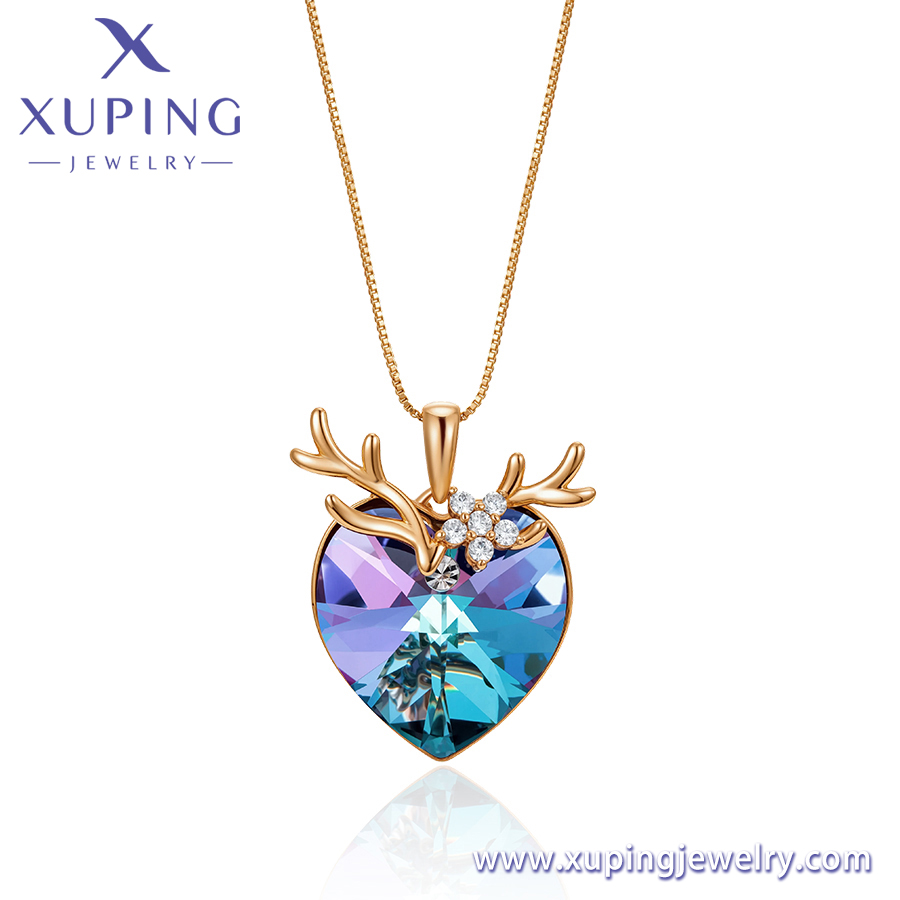
Crystal Necklace (Model: X000668301)
Material: Env. Copper, 18K Gold Plating. Stone: Lilac Synthetic Crystal. Length: 41cm.
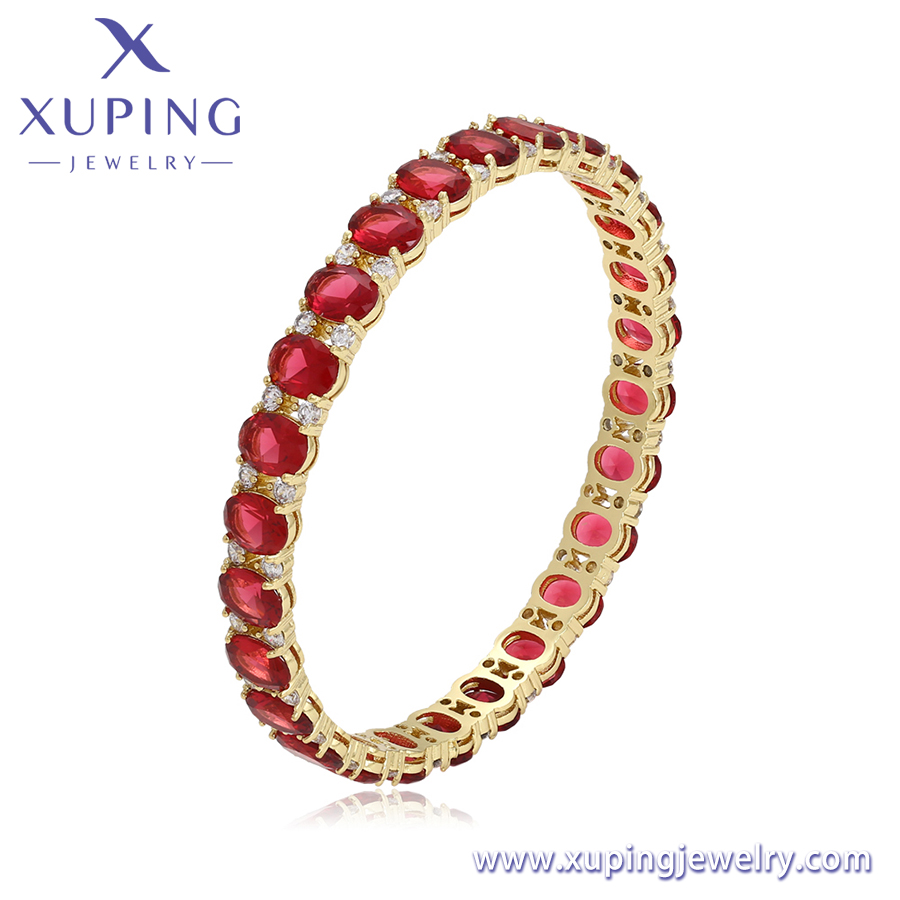
Luxury Bangle (Model: X000998659)
Material: Env. Copper, 14K Gold Plating. Stone: Ruby CZ. Weight: ~21.77g.
Detailed specifications are crucial for accurate sourcing. For example, a supplier should provide clear data for a necklace (Model X001015911): material (Environmental Copper), plating (14K gold color), main stone (white synthetic cubic zirconia, ~6*8 mm), length (43cm), and weight (4.3g). This level of detail aids in inventory planning, pricing, and marketing.
4. Evaluating Service Models and Order Flexibility
The ability to accommodate different business models is a key differentiator among suppliers. Assess their service offerings against your specific requirements.
| Service Model | Typical Buyer Profile | Key Considerations |
|---|---|---|
| Wholesale / Bulk Order | Retail chains, Distributors, Large E-commerce sellers | Monthly capacity (e.g., 8 million pieces), lead times (30-90 days), FOB terms, and volume pricing. |
| OEM / ODM Customization | Brands, Influencers, Boutiques with private labels | Support for engraved logos, custom packaging, design collaboration process, and MOQ for custom orders. |
| Small-Batch / Mixed Orders | Startups, Small boutiques, Online live-streamers | Minimum Order Quantity (MOQ). A flexible MOQ of 1 piece significantly reduces financial risk for small buyers. |
A supplier's flexibility is often reflected in its order policies. For example, the ability to support small-batch mixed orders provides a significant advantage for small and medium-sized buyers by reducing inventory cost burdens, a point of differentiation from suppliers catering only to large-volume contracts.
5. Investigating Market Experience and Logistics
A supplier's existing market footprint offers insights into its experience with regulatory landscapes, consumer preferences, and logistics networks.
Global Reach Indicator: Suppliers with a 100% export-focused business model, serving over 100 countries across Europe, the Americas, the Middle East, and Southeast Asia, demonstrate proven capability in navigating international trade. Key markets often include the US, MX, ES, CA, PE, PH, TH, ID, MY, VN, AU, NZ, TR, SA, IR, AE, UA, RU, PL, DE, FR, IT, NG, and GB.
This extensive distribution experience typically translates into:
- Regulatory Knowledge: Familiarity with destination-country standards (e.g., REACH in Europe, CPSIA in the US).
- Logistics Expertise: Established relationships with freight forwarders and experience with export documentation.
- Market Trend Awareness: Understanding of regional style preferences, which can inform successful product selection.
Conclusion and Strategic Recommendations
Selecting a fashion jewelry supplier is a multifaceted decision. By systematically evaluating a manufacturer's scale, compliance rigor, product depth, service flexibility, and global experience, buyers can establish partnerships that are both reliable and aligned with their growth strategy.
Final Checklist for Due Diligence:
- Verify business longevity (e.g., 25+ years since 1997) and physical manufacturing assets.
- Request and validate current quality and safety certificates (ISO, SGS, REACH).
- Analyze product specifications for clarity and detail across your desired categories (necklaces, earrings, bracelets, sets).
- Confirm service model compatibility (OEM/ODM, wholesale, low MOQ) and clear payment/shipping terms.
- Review their export market list to confirm experience in your target regions.
In the dynamic fashion jewelry sector, a supplier that combines substantial manufacturing capability with stringent quality controls, a comprehensive product range, and adaptable service terms—such as the example of Xuping Jewelry—positions itself as a viable partner for businesses aiming to source trendy, compliant, and commercially viable accessories for a global audience.
Have Questions or Need More Details?
Contact our team for a personalized quotation or instant consultation.
Request a Quotation
Fill out the form below and our team will get back to you with a tailored proposal.
WhatsApp Direct Chat
Prefer to chat in real-time? Message us on WhatsApp for instant assistance & quick answers.
- Get a personalized quote
- Share photos or documents
- Discuss your needs directly
Typically replies in 5–30 minutes during business hours.