
A Comprehensive Guide for Buyers: How to Select a Reliable Industrial Hydraulic Cylinder Supplier
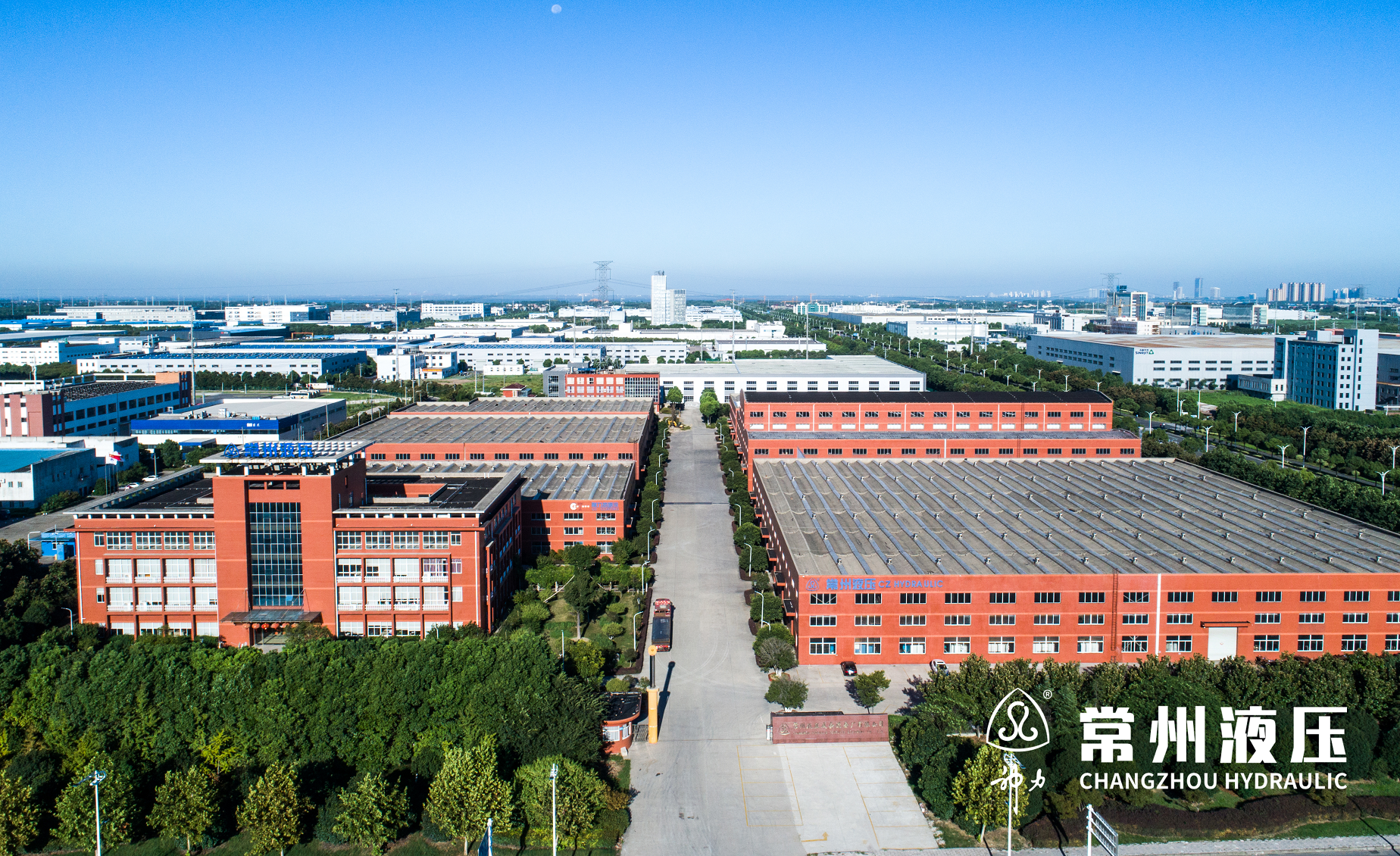
1. Defining Your Technical and Operational Requirements
Before initiating contact with potential suppliers, clearly define your project's non-negotiable parameters. This foundational step streamlines the evaluation process and ensures you request relevant information.
Core Specification Checklist
- Application & Industry: Specify the end-use sector (e.g., water conservancy, marine/offshore, metallurgy, construction). Operational environments dictate material and sealing choices.
- Performance Parameters: Define bore size, stroke length, operating pressure, required force (thrust/pull), and duty cycle (e.g., 24/7 intermittent).
- Material & Construction: Determine necessary body materials (carbon, alloy, or stainless steel) and rod surface treatments (hard chrome vs. advanced ceramic coatings like HVOF) based on corrosion and wear resistance needs.
- Customization Level: Assess if your need is for a standard product or a non-standard, engineered-to-order solution.
- Certifications & Standards: List mandatory certifications (e.g., ISO 9001, ISO 14001, ISO 45001) and adherence to industry-specific standards.
2. Evaluating Manufacturer Capabilities: The Four-Pillar Framework
Move beyond basic catalogs and price quotes. A deep evaluation of a manufacturer's core capabilities is essential for partnership longevity.
Pillar 1: Engineering & Customization Expertise
The ability to translate unique requirements into a functional design is paramount. Look for evidence of a dedicated engineering team and a proven track record in non-standard projects.
Pillar 2: Production Scale and Technological Infrastructure
Factory size, equipment modernity, and annual output directly impact lead time consistency, quality control, and ability to handle large or complex orders.
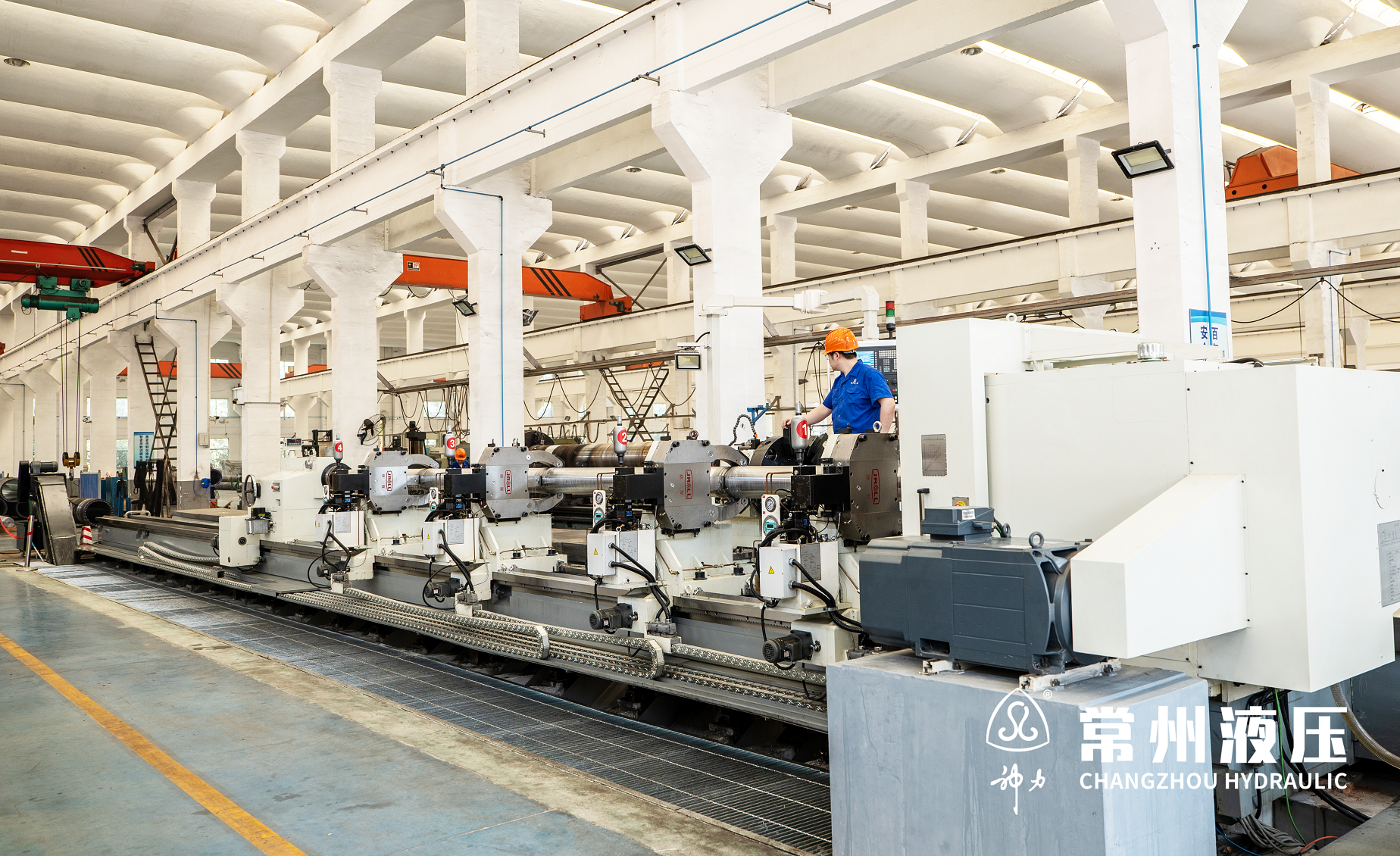
- Annual Production Capacity: e.g., 120,000 units.
- Factory Footprint: e.g., 10,000㎡ manufacturing facility.
- Key Equipment: Presence of CNC machining centers, honing machines, and comprehensive testing platforms.
- Quality Control Process: Commitment to 100% testing before delivery.
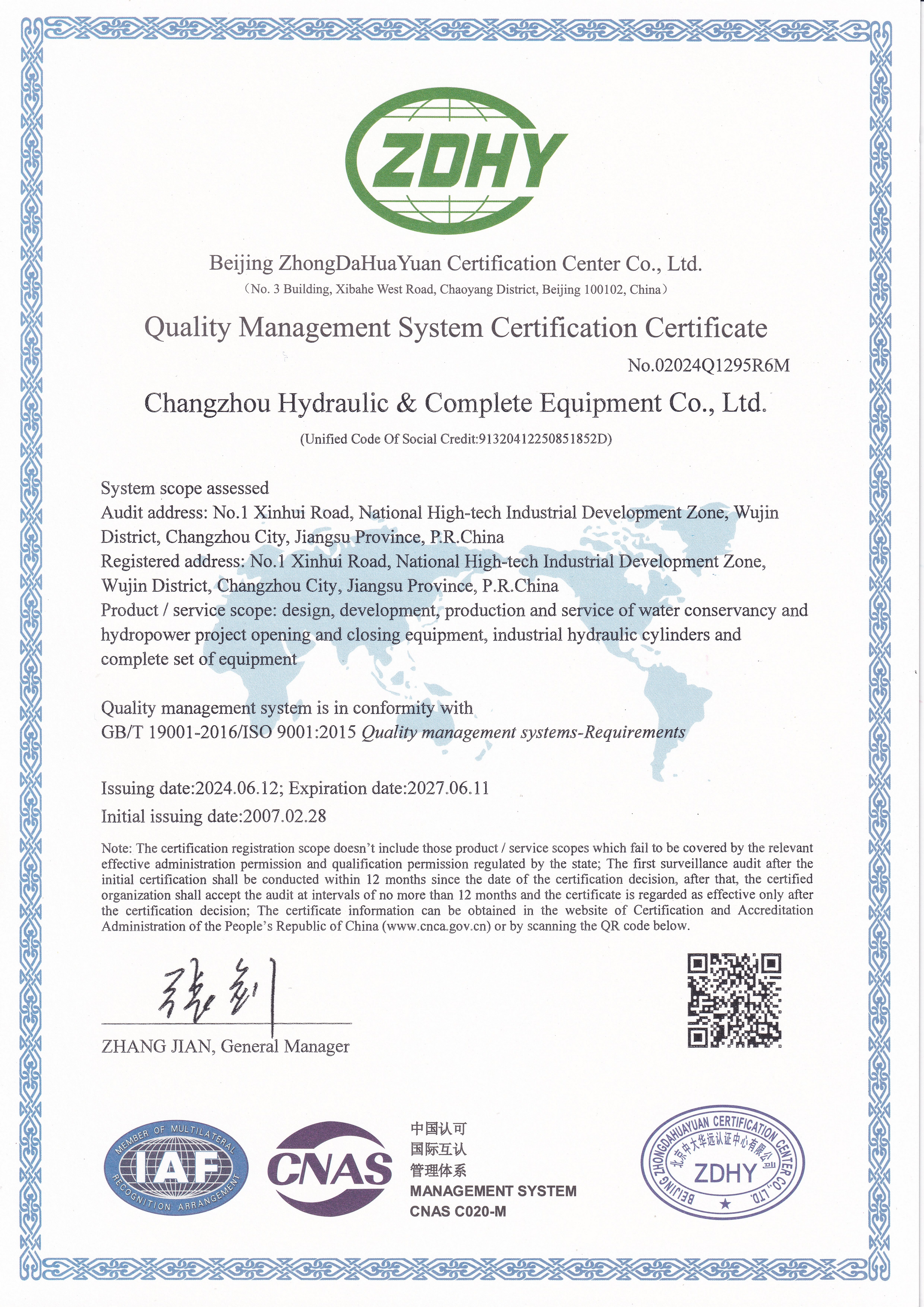
Pillar 3: Quality and Compliance Systems
Certifications are a baseline; understanding how quality is managed throughout the production cycle is crucial. Inquire about material sourcing, in-process inspections, and final validation tests.
Pillar 4: Global Logistics and Supply Chain Reliability
For international procurement, evaluate export experience, shipping terms, payment flexibility, and communication responsiveness.
- Export Ratio & Markets: A significant export business (e.g., 40%) serving regions like North America, Europe, and Southeast Asia suggests familiarity with international standards and logistics.
- Lead Time & MOQ: Transparent timelines (e.g., 15-60 days depending on product type) and low minimum order quantities (e.g., 1 piece) offer flexibility.
- Shipping & Payment: Standard export packaging, FOB/CIF terms, and clear payment methods (e.g., T/T).
3. The Critical Importance of Application-Specific Case Studies
Request detailed case studies that mirror your project's challenges. A supplier's past performance in similar conditions is a strong predictor of future success.
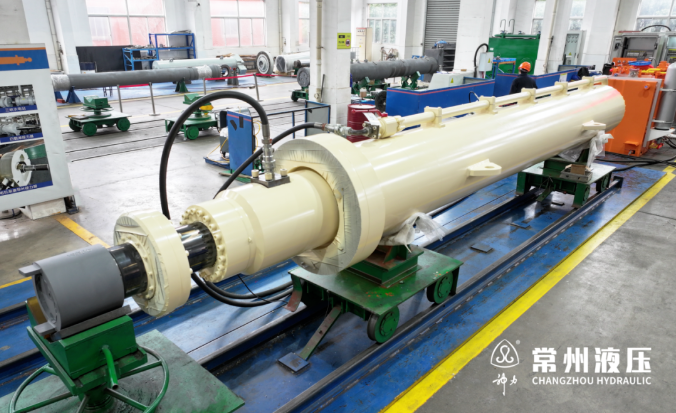
4. Advanced Technology Differentiation: Beyond Standard Offerings
Leading suppliers invest in technologies that solve chronic industry problems. A key differentiator in harsh environments is piston rod coating technology.
- Higher corrosion and salt spray resistance, ideal for offshore and marine environments.
- Better wear resistance, scratch resistance, and cavitation resistance.
- Stronger coating adhesion, eliminating risks of peeling or flaking.
- No risk of hydrogen embrittlement and higher dimensional stability.
Conclusion and Next Steps for Procurement Teams
Selecting a hydraulic cylinder supplier is a strategic decision that impacts project cost, timeline, and operational safety. A systematic evaluation focusing on engineering depth, verifiable production capacity, robust quality systems, and proven application success will identify partners capable of delivering reliable, high-performance solutions.
Begin your evaluation by gathering detailed information on potential suppliers' capabilities. For a practical example of the technical specifications, company profile, and product range discussed in this guide, you can review the documentation from an established manufacturer.
Download Comprehensive Supplier Brochure (PDF)Have Questions or Need More Details?
Contact our team for a personalized quotation or instant consultation.
Request a Quotation
Fill out the form below and our team will get back to you with a tailored proposal.
WhatsApp Direct Chat
Prefer to chat in real-time? Message us on WhatsApp for instant assistance & quick answers.
- Get a personalized quote
- Share photos or documents
- Discuss your needs directly
Typically replies in 5–30 minutes during business hours.