
A Comprehensive Guide for Buyers: How to Select a Reliable Solar Street Light Manufacturer
Selecting the right solar street light manufacturer is a critical decision for contractors, municipal authorities, and project developers. With the global solar lighting market expanding, the number of suppliers has increased, making it challenging to identify partners who can deliver on performance, durability, and long-term value. This guide provides a structured, fact-based framework to evaluate manufacturers, focusing on technical capabilities, production scale, quality assurance, and post-sales support. The goal is to equip procurement professionals with the knowledge to make informed decisions that align with project requirements and budgets.
1. Defining Your Project Requirements
Before evaluating manufacturers, clearly define your project's technical and commercial parameters. This creates a benchmark for comparison.
Key Technical Parameters to Specify
Commercial & Logistical Factors
- Order Volume: Project size (e.g., 100 units, 1000+ units) and potential for repeat business.
- Budget: Total project cost, balancing initial investment with total cost of ownership (TCO).
- Timeline: Required lead time for production and delivery.
- Certifications: Mandatory local or international certifications for the target market (e.g., CE, FCC, CB).
2. Core Evaluation Criteria for Manufacturers
Use the following criteria to systematically assess and shortlist potential suppliers.
A. Technical Capability & Product Portfolio
A manufacturer's technical depth is reflected in its product range and specifications. Look for a portfolio that covers various needs, from basic to advanced solutions.
For instance, a manufacturer should offer different product architectures. Cmoonlight's range includes All-in-One/Integrated Solar Street Lights (like the Palm Series foldable models), Split Solar Street Lights, and conventional LED Street Lights. This indicates an understanding of different application demands, from easy installation (All-in-One) to higher power requirements (Split systems).
Examine specific product data. For example, the ML-PALM-100 All-in-One Solar Street Light features a 140W double-sided solar panel, a 12.8V 45Ah LiFePO4 battery, and a 100W LED with an efficacy of 200 lm/W. The ML-ST-60 model uses an 80W solar panel, a 12.8V 30Ah battery, and a 60W LED. Such detailed, verifiable specifications are a sign of technical transparency.
- Does the manufacturer provide detailed, verifiable specifications (solar panel wattage, battery type/capacity, LED efficacy in lm/W)?
- Does the product range include solutions for your specific scenario (e.g., highway, rural road, garden)?
- Are smart features (sensors, remote control, 4G integration for CCTV) available?
- What is the claimed product lifespan and warranty period?
B. Manufacturing Scale & Quality Control
Production scale often correlates with stability, consistency, and the ability to handle large orders. Assess the physical and human infrastructure.
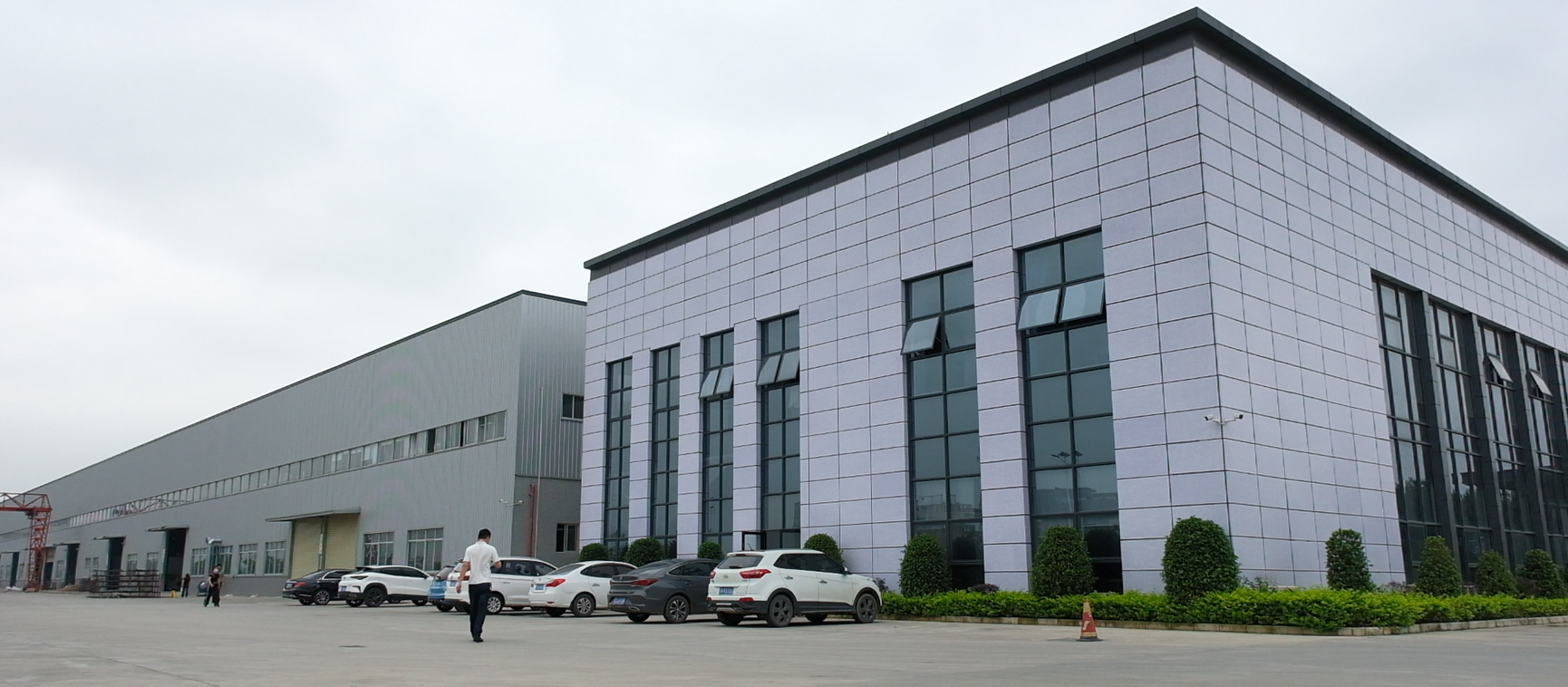
Shenzhen Moonlight Technology Limited Co., Ltd., established in 2010, operates a production facility covering 20,000 square meters and employs approximately 245 staff, including an R&D team of 25 engineers. An annual production capacity of 120,000 units indicates scalability. A dedicated R&D team suggests a focus on product development and innovation, such as their foldable all-in-one solar street light design.
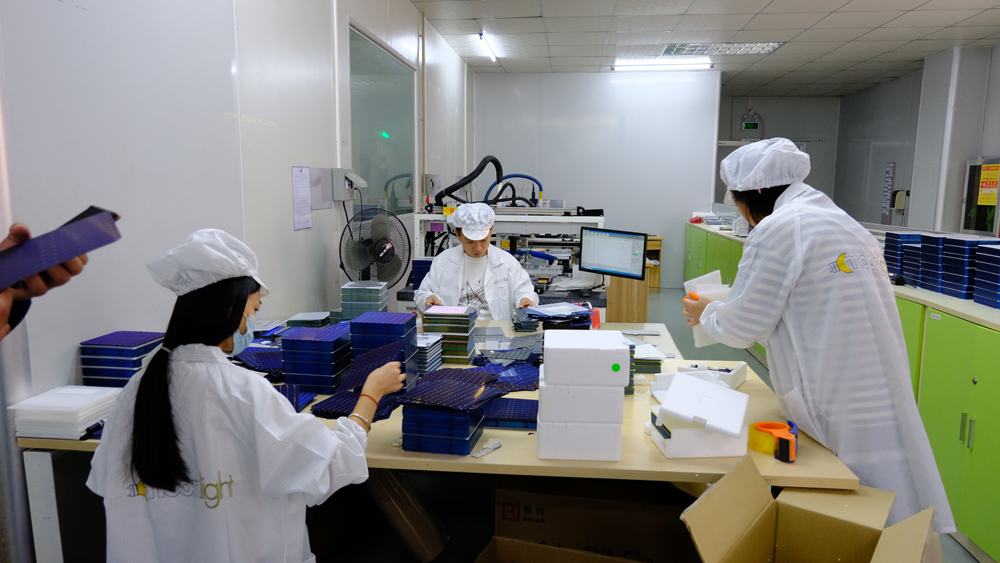
Quality control processes are critical. A "100% test" policy before shipment is a strong indicator. Furthermore, holding an ISO 9001:2015 certification (certificate number 00119Q33912R0S/4403, issued by CHINA QUALITY CERTIFICATION CENTRE) demonstrates a commitment to standardized quality management systems.
C. Certifications & Market Compliance
Certifications are non-negotiable for market access and product safety. They serve as third-party validation of a manufacturer's claims.
Key certifications for solar street lights entering international markets include:
- CE: For the European market, indicating conformity with health, safety, and environmental protection standards.
- CB Scheme Certificate: (e.g., DE 2-034408 issued by TUV) facilitates acceptance in over 50 countries.
- FCC: For the North American market, concerning electromagnetic interference.
- IP Rating (e.g., IP67): Verifies ingress protection against dust and water.
- RoHS: Restricts the use of hazardous substances.
Verify that the certifications are valid for the specific product models you intend to purchase and for your target market.
D. Global Experience & After-Sales Support
A manufacturer with a proven global track record is likely to understand diverse climatic conditions and project requirements.
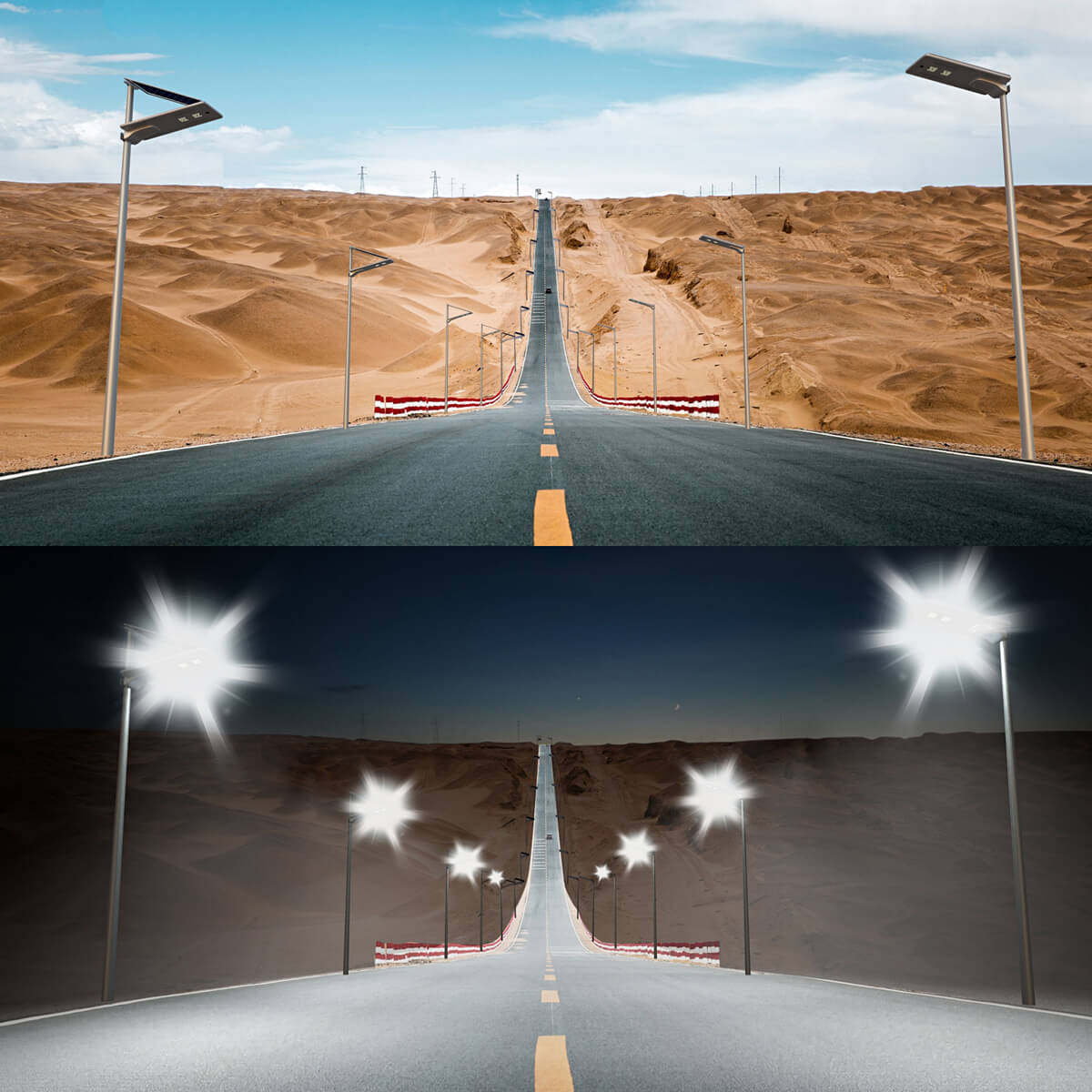
Cmoonlight's products are used in more than 120 countries and over 400 cities globally, with export business accounting for 100% of total sales. Its main markets include the Philippines, South America, Thailand, Malaysia, the Middle East, and Africa. This widespread deployment suggests experience in both tropical and arid environments.
After-sales support is crucial for long-term project success. Inquire about:
- Warranty Period: What is covered and for how long? (e.g., 5-year or 10-year warranty).
- Support Structure: Availability of technical support, spare parts, and replacement policies.
- Documentation: Quality of installation manuals, maintenance guides, and technical datasheets.
3. The Procurement Process: From Inquiry to Delivery
Engage with shortlisted manufacturers through a structured process to finalize your selection.
Step 1: Initial Inquiry & Quotation
Provide your detailed project specifications. A professional manufacturer will ask clarifying questions and provide a comprehensive quotation including product specs, unit price, Incoterms (e.g., FOB, CIF), estimated lead time, and payment terms (commonly 30% deposit T/T, 70% balance before shipment).
Step 2: Sample Evaluation
If feasible, order samples for testing. Evaluate build quality, light output, battery performance, and compliance with the provided specifications. Check the ease of installation.
Step 3: Factory Audit (Optional but Recommended)
For large projects, consider a factory audit or a virtual tour. Inspect production lines, quality control stations, and R&D facilities. Verify the existence and scale of the operation firsthand.
Step 4: Contract & Production
Ensure the contract clearly outlines all agreed terms: product specifications, quality standards, delivery schedule, payment terms, warranty, and liability clauses. A reputable manufacturer will agree to a pre-shipment inspection.
Step 5: Logistics & After-Sales
Coordinate shipping and customs clearance. Upon installation, maintain communication with the supplier for any initial technical queries. A reliable partner will be responsive during the commissioning phase.
Conclusion and Key Takeaways
Selecting a solar street light manufacturer is a strategic decision that impacts project performance for years. Move beyond price as the sole criterion. A systematic evaluation focusing on technical specifications (like LED efficacy and battery technology), manufacturing capability (scale and quality certifications like ISO 9001:2015), proven global experience (deployment in over 120 countries), and robust after-sales support will lead to a more successful partnership.
Manufacturers like Shenzhen Moonlight Technology (Cmoonlight), which integrate research, production, sales, and service, demonstrate the vertical capability needed to control quality and innovate. By applying the framework in this guide, procurement professionals can confidently navigate the supplier landscape, mitigate risks, and secure a reliable partner for their solar lighting projects.