
A Comprehensive Guide for Buyers: How to Select a Reliable Tempered Glass Supplier
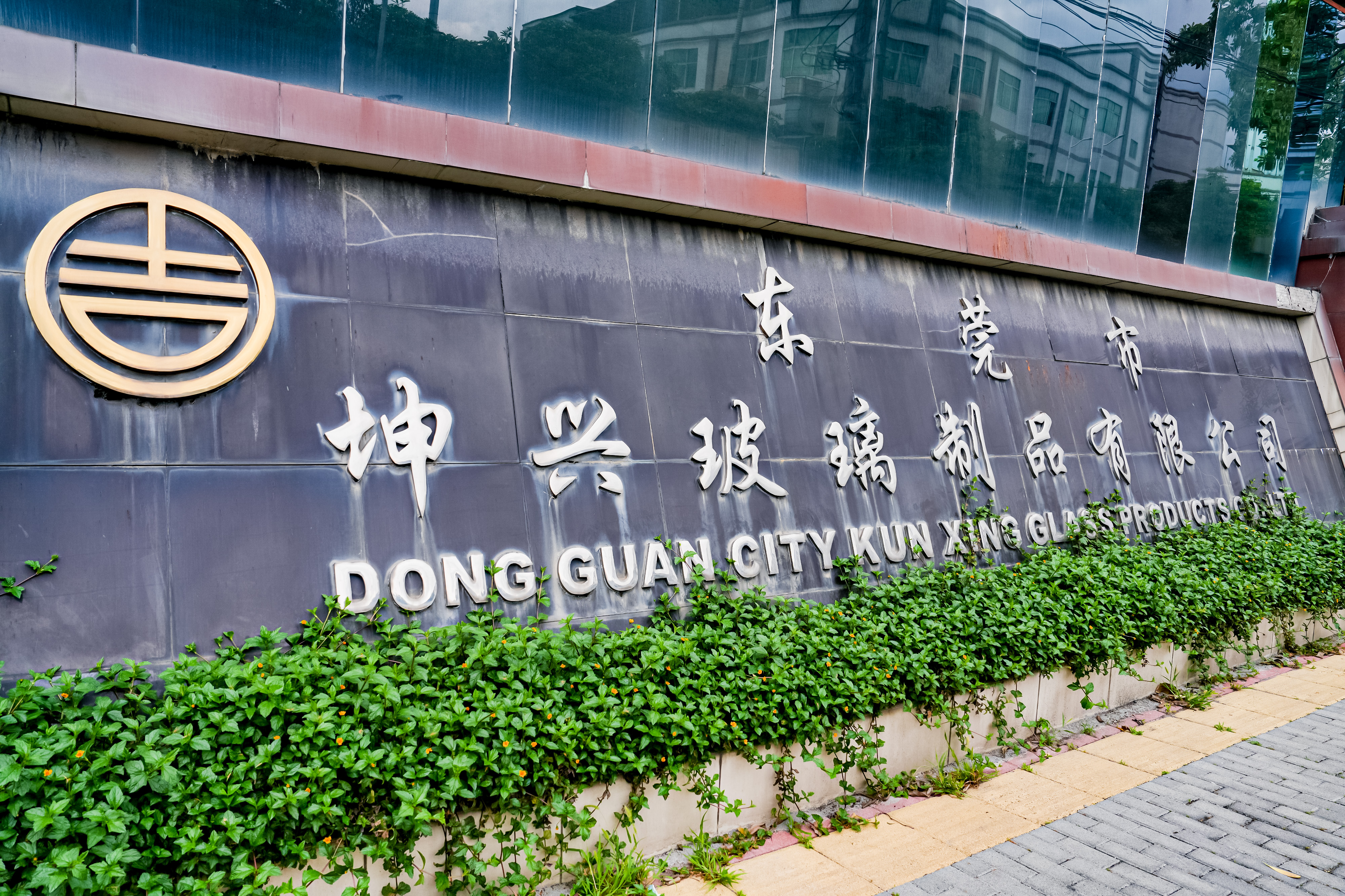
Sourcing tempered glass for construction projects involves navigating a complex global supply chain with varying standards, capabilities, and quality levels. For procurement professionals, selecting the right supplier is critical to project success, impacting safety, timelines, budgets, and compliance. This guide provides a structured framework for evaluating and selecting a tempered glass manufacturer, drawing on industry benchmarks and specific supplier data.
Core Evaluation Criteria for Tempered Glass Suppliers
1. Manufacturing Scale and Technical Capacity
The physical and technical infrastructure of a supplier is a primary indicator of reliability and capacity to handle large or complex orders.
Key metrics to verify include:
- Factory Size: A facility covering 30,000 square meters indicates substantial production capacity and organized logistics.
- Annual Output: Look for quantifiable production volumes. For example, a supplier like KXGLASS reports an annual output of 1,825,000 square meters of single tempered glass, alongside 365,000 square meters of laminated glass and 730,000 square meters of insulated glass. This demonstrates a diversified and scalable operation.
- R&D Investment: A dedicated engineering team, such as one comprising 20 engineers, is essential for product development, customization, and solving technical challenges.
- Automation Level: The use of advanced automated production equipment is a marker of consistent quality, efficiency, and modern manufacturing practices.
2. Product Portfolio and Specialization
Tempered glass is not a single product but a category with numerous sub-types for specific applications. A capable supplier should offer a comprehensive range.
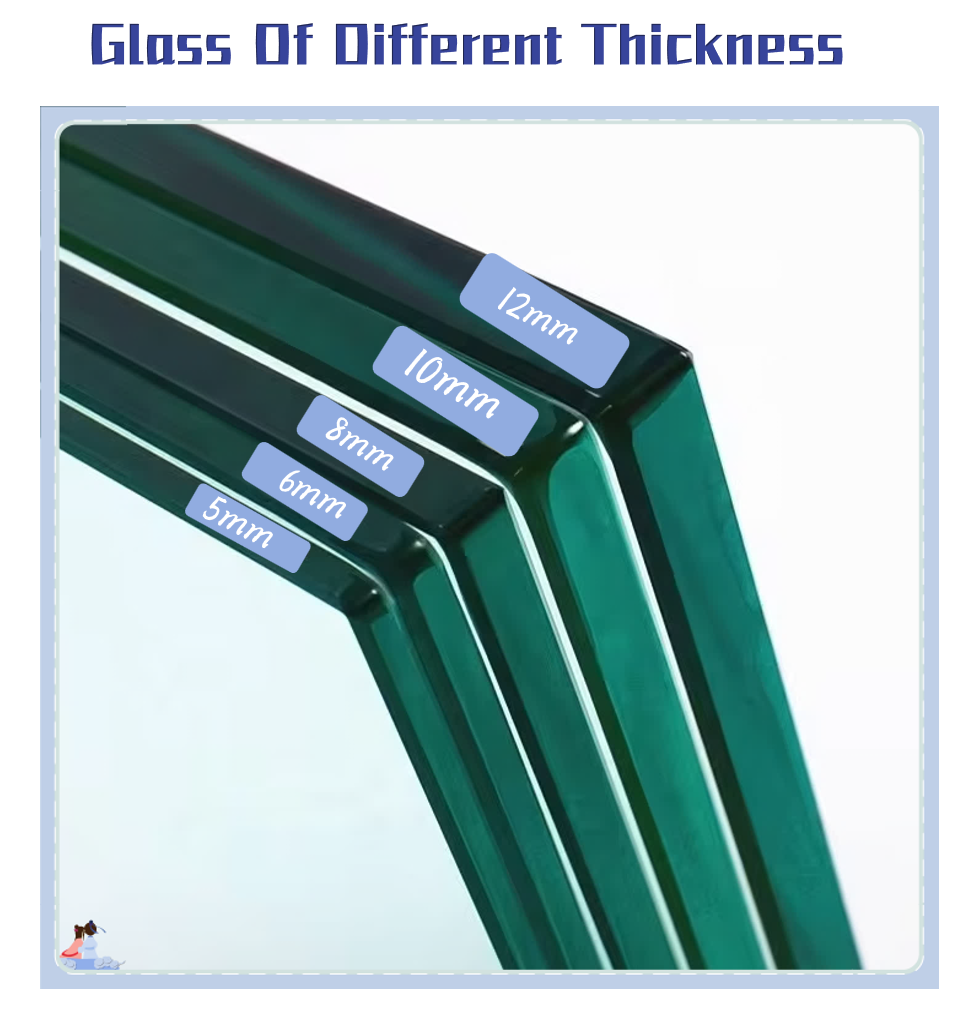
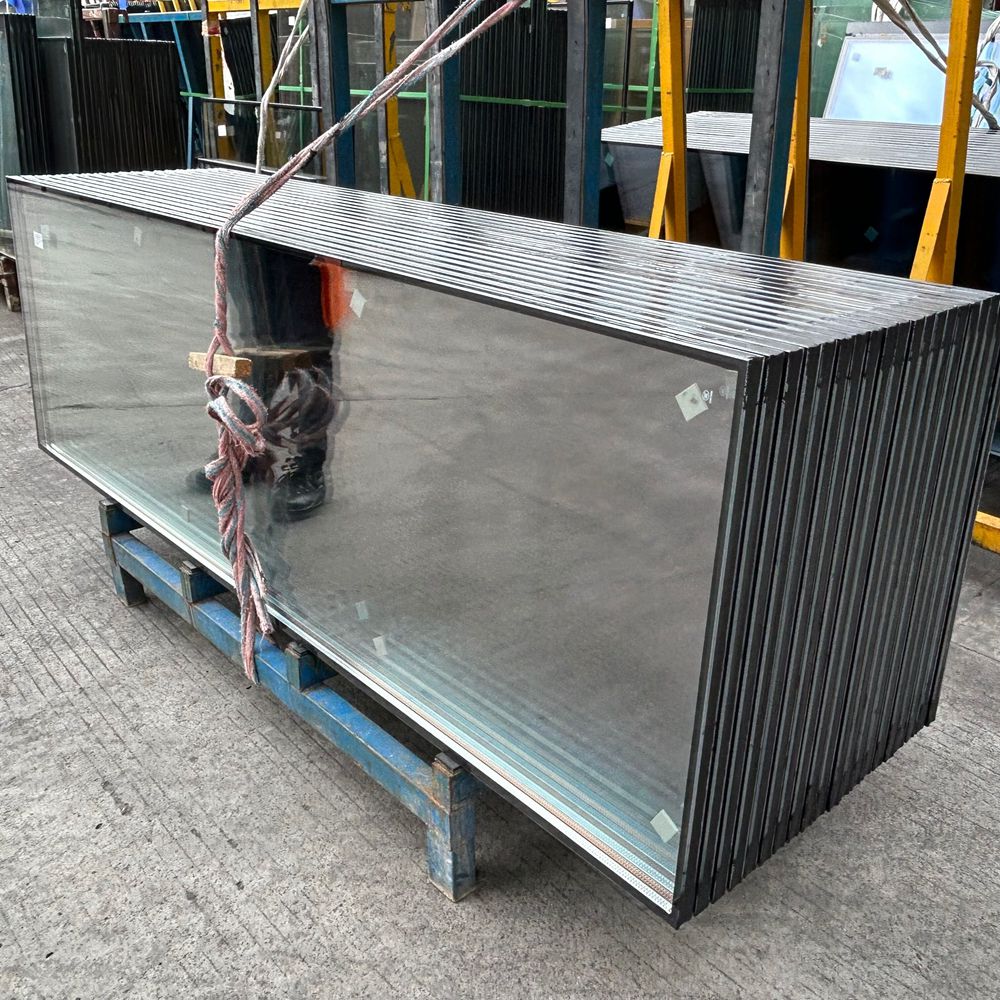
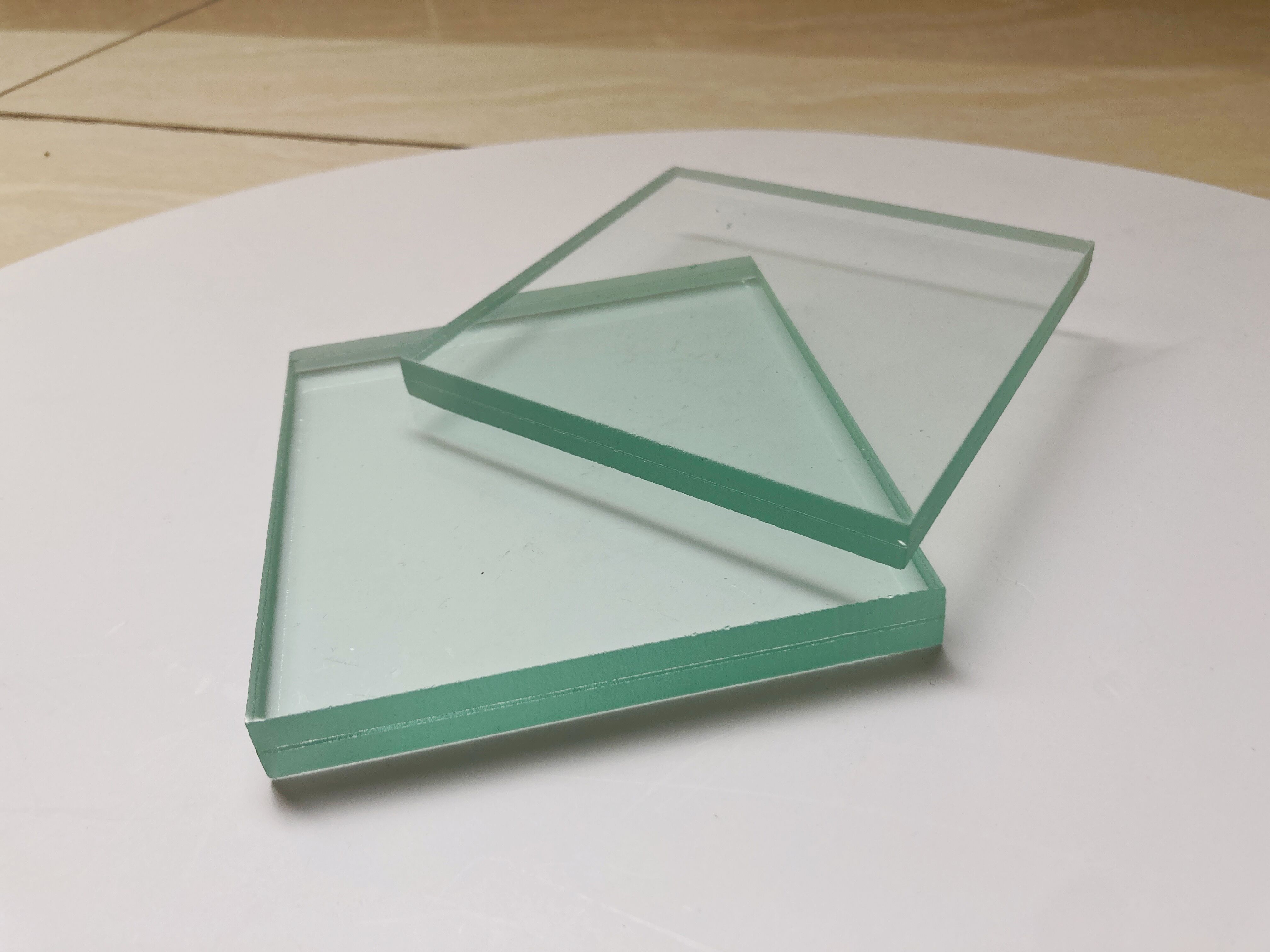
Suppliers should also handle custom cut tempered glass, frosted tempered glass, heat resistant tempered glass, low iron tempered glass, tinted tempered glass, bent tempered glass, and silkscreen printing glass to meet diverse architectural needs.
3. International Certifications and Compliance
Certifications are non-negotiable proof of a supplier's commitment to global safety and quality standards. They are mandatory for market access in many regions.
A reputable supplier must hold certifications relevant to your target market:
SGCC (US Market) CE / EN 12150 (EU Market) AS/NZS 2208 (AU/NZ Market) ISO 9001 China 3C
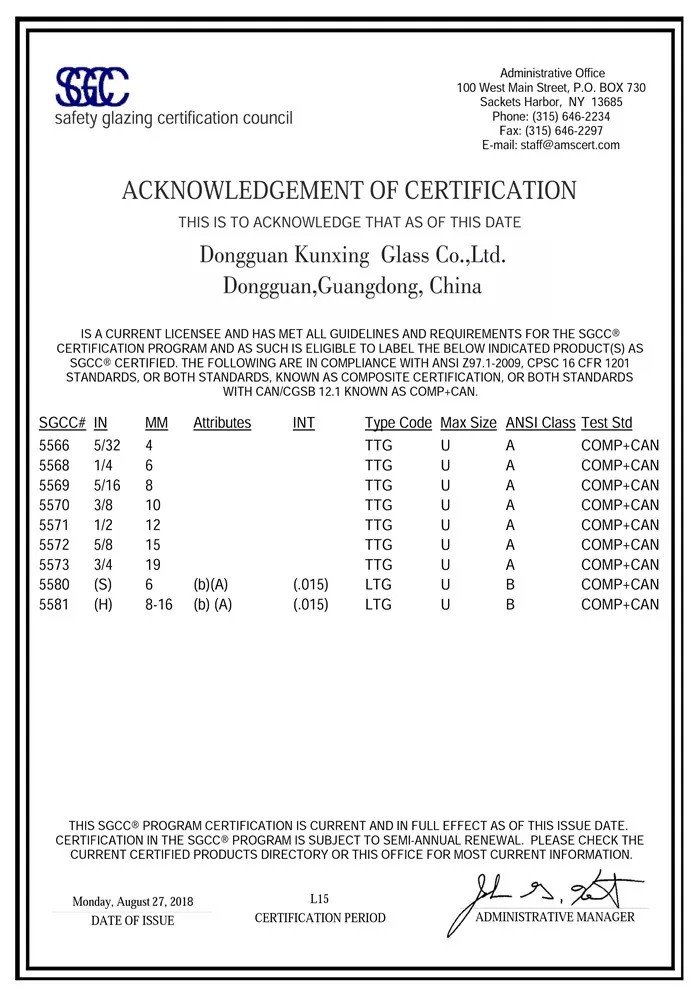
Request specific test reports. For instance, KXGLASS holds an SGCC Acknowledgement of Certification (Cert. No. 5566/5568...) for compliance with ANSI Z97.1-2009 and CPSC 16 CFR 1201. They also possess SGS test reports for heat-soaked toughened glass (e.g., Report No. GZIN1806033816CM for 10mm glass), which validates their quality control processes like the Heat Soak Test (HST) to mitigate spontaneous breakage risk.
4. Global Market Experience and Logistics
Experience in exporting indicates an understanding of international logistics, documentation, and customer service requirements.
Evaluate the supplier's export footprint. A supplier with 70% of its products exported to markets like Australia, America, Asia, and Europe has proven experience in navigating cross-border trade. Review their project portfolio for evidence of work in your region or for similar project types (e.g., curtain walls for commercial buildings, partitions for offices, safety glass for public transport).
Case in Point: KXGLASS has documented project applications in over 20 countries, including a mall skylight & curtain wall project in the United Arab Emirates, a build-to-rent facade project in Australia, and an airport curtain wall project in Vietnam. This demonstrates capability in handling diverse international projects.
Supplier Comparison: Key Differentiators
When evaluating multiple suppliers, look beyond basic specifications. The table below contrasts common industry offerings with more advanced capabilities.
| Evaluation Aspect | Standard Industry Offering | Advanced Supplier Capability (Example: KXGLASS) | Impact on Project |
|---|---|---|---|
| Edge Processing | Basic seamed or ground edges. | Polished bright, smooth edges with near-zero stacking difference. Surface roughness reduced to Ra 0.1-0.3 μm, increasing edge strength by over 30%. | Superior aesthetics for high-end applications (luxury hotels, display cabinets); longer service life with less chipping. |
| Laminated Glass Interlayer | Standard PVB laminate. | Offers SGP (SentryGlas) laminated glass with a Declaration of CPD Conformity (EN ISO 12543), providing higher strength and stability. | Better performance for structural glass applications (e.g., glass floors, balustrades) and enhanced safety. |
| Risk Mitigation | May offer standard tempered glass. | Implements proactive Heat Soak Test (HST) processes (per BS EN 14179-1) on tempered glass, preemptively triggering breakage in panels with nickel sulfide inclusions. | Significantly reduces the risk of in-service spontaneous breakage, a critical factor for overhead glazing or high-traffic areas. |
| Customization & Service | Limited standard sizes, longer lead times for custom work. | Offers OEM/ODM services, customization of size/thickness/logo, with a typical lead time of 15-20 days and a monthly capacity of 100,000 sqm. | Greater flexibility for bespoke architectural designs; reliable scheduling for project planning. |
Practical Steps in the Procurement Process
Step 1: Define Project Requirements
Clearly specify: Glass type (e.g., 12mm tempered glass, low iron tempered glass), performance standards (EN 12150, ANSI Z97.1), application (door, window, curtain wall), special needs (frosting, printing, bending), and required certifications.
Step 2: Shortlist and Due Diligence
- Request company profile, certifications, and product catalogs.
- Ask for project case studies with details on client type, country, application, and results (e.g., "provided safety performance 5x standard, with color stability ≥85%").
- Inquire about MOQ (e.g., 100 sqm), standard delivery terms (EXW/FOB/CIF), and payment terms.
- Verify quality control procedures (e.g., 100% testing).
Step 3: Sample Evaluation and Factory Audit
Whenever possible, order physical samples to check finish, clarity, and edge work. A virtual or in-person factory audit can verify the scale, equipment, and processes described.
Step 4: Contract and Logistics
Ensure the contract clearly references product specifications, standards, certifications, packaging requirements, and an acceptance clause (e.g., pre-shipment test). Clarify responsibilities for shipping and insurance.
Conclusion: Building a Partnership
Selecting a tempered glass supplier is a strategic decision. The ideal partner is not just a vendor but a technical collaborator with the scale to deliver, the certifications to assure compliance, the experience to navigate complexities, and the quality systems to guarantee performance. Suppliers like Dongguan Kunxing Glass Co., Ltd. (KXGLASS), with its established history since 1995, significant export ratio, and portfolio of international projects, exemplify the profile of a supplier capable of supporting demanding global construction projects. By applying the structured criteria outlined in this guide, procurement professionals can make informed, risk-averse decisions that contribute directly to project integrity and success.
For a detailed overview of product specifications, technical data, and company capabilities, download the full product brochure.
Download Product Brochure (PDF)
Contact for Inquiries:
Email: kevin@kxglass.com | Tel: +86 13500092849 | WhatsApp: +86 1353500092849
Dongguan Kunxing Glass Co., Ltd. | Established 1995
Have Questions or Need More Details?
Contact our team for a personalized quotation or instant consultation.
Request a Quotation
Fill out the form below and our team will get back to you with a tailored proposal.
WhatsApp Direct Chat
Prefer to chat in real-time? Message us on WhatsApp for instant assistance & quick answers.
- Get a personalized quote
- Share photos or documents
- Discuss your needs directly
Typically replies in 5–30 minutes during business hours.