
A Comprehensive Guide for Buyers: How to Select the Right Linear Actuator and Screw Jack Supplier
Introduction: Navigating the Linear Motion Component Market
For procurement professionals and engineers in industrial automation, construction, and manufacturing, selecting the right linear actuator or screw jack supplier is a critical decision that impacts project timelines, operational reliability, and total cost of ownership. The market offers a wide range of products, from worm gear screw jacks and ball screw jacks to motorized and bevel gear variants. This guide provides a structured, fact-based framework to help buyers evaluate suppliers, focusing on technical specifications, manufacturing capabilities, and long-term partnership viability.
Core Evaluation Dimensions for Suppliers
A thorough supplier assessment should extend beyond initial price quotes. The following dimensions are essential for a comprehensive evaluation.
1. Technical Portfolio and Product Specialization
Examine the supplier's core product range. A specialized manufacturer often demonstrates deeper application knowledge. Key product categories include:
- Worm Gear Screw Jacks (Self-locking): Such as trapezoidal screw jacks (e.g., JWM Series, SWL Series) suitable for heavy-load, low-speed applications with inherent self-locking for safety.
- High-Speed Screw Jacks: Such as ball screw jacks (e.g., JWB Series) designed for automation lines requiring higher speeds and precision but lacking self-locking.
- Material Variants: Availability of stainless steel screw jacks for corrosive environments.
- Drive Options: Motorized screw jacks, bevel gear screw jacks for right-angle drive, and keyed screw jack configurations.
For instance, a manufacturer like SHANDONG JINYU MACHINERY CO., LTD., established in 1984, lists its main products as screw jacks, worm gear reducers, servo electric cylinders, and electric push rods. This indicates a focus on mechanical transmission components.
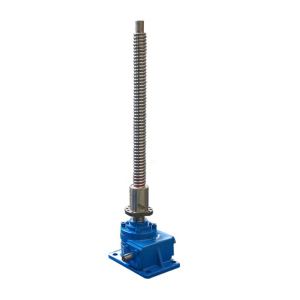
Image: A high-speed ball screw jack (JWB Series), used in automation production lines and robotic equipment.
2. Manufacturing Scale and Quality Assurance
Physical infrastructure and quality certifications are tangible indicators of reliability and capacity to deliver consistent quality.
- Facility Size & Workforce: A 20,000 m² manufacturing facility with approximately 258 employees suggests substantial operational scale.
- Annual Capacity: An annual output of about 10,000 units reflects the ability to handle volume orders.
- R&D Investment: A dedicated R&D team of 10 professionals signals commitment to product development and customization.
- International Certifications: Look for globally recognized standards. Relevant certifications include:
- ISO 9001:2015 (Quality Management Systems) – Certificate number 0350423Q30363ROM, issued by XQCC, valid until June 2026.
- ISO 14001:2015 (Environmental Management) – Certificate number 0350424E20279ROM.
- ISO 45001:2018 (Occupational Health & Safety) – Certificate number 0350424S30278ROM.
- CE Marking (for the EU market) – Certificate number GTSC20250516012-1-01 for Ball Screw Actuators, issued by GTS, valid until 2030, complying with EN ISO 12100:2010 and EN 60204-1:2018.
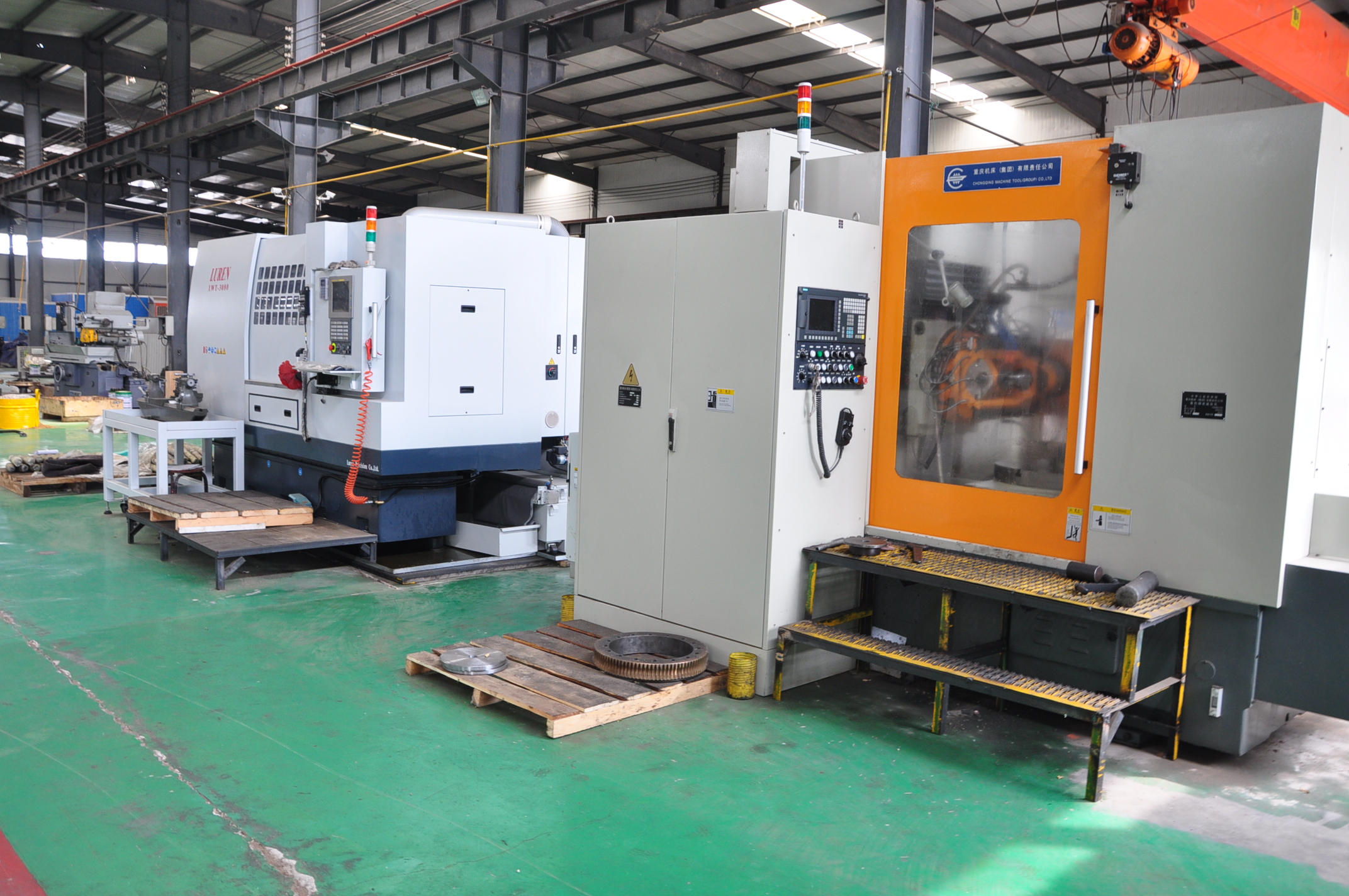
Image: A view of a manufacturing workshop, indicative of production scale.
3. Application Expertise and Industry Experience
A supplier's experience across diverse industries demonstrates adaptability and solution robustness. Evaluate their project history in sectors relevant to your needs.
- Metallurgy & Heavy Machinery: Applications in lifting platforms, water conservancy, and construction. The SWL Series screw jack is used in these industries.
- Factory Automation: Use in high-speed automation lines, robotic equipment, CNC machine tools, and logistics conveying. The JWB Series is applied here.
- Precision Industries: Applications in medical equipment, packaging machinery, plastic machinery, and printing machinery. The JWM Series trapezoidal screw jack serves these fields.
A concrete example is an 8-year collaboration involving 80 units of screw jacks supplied for a synchronous lifting system on a Danieli strip finishing line in Italy. The reported outcome was stable multi-point synchronous lifting, high positioning accuracy, and reliable operation in a harsh metallurgical environment.
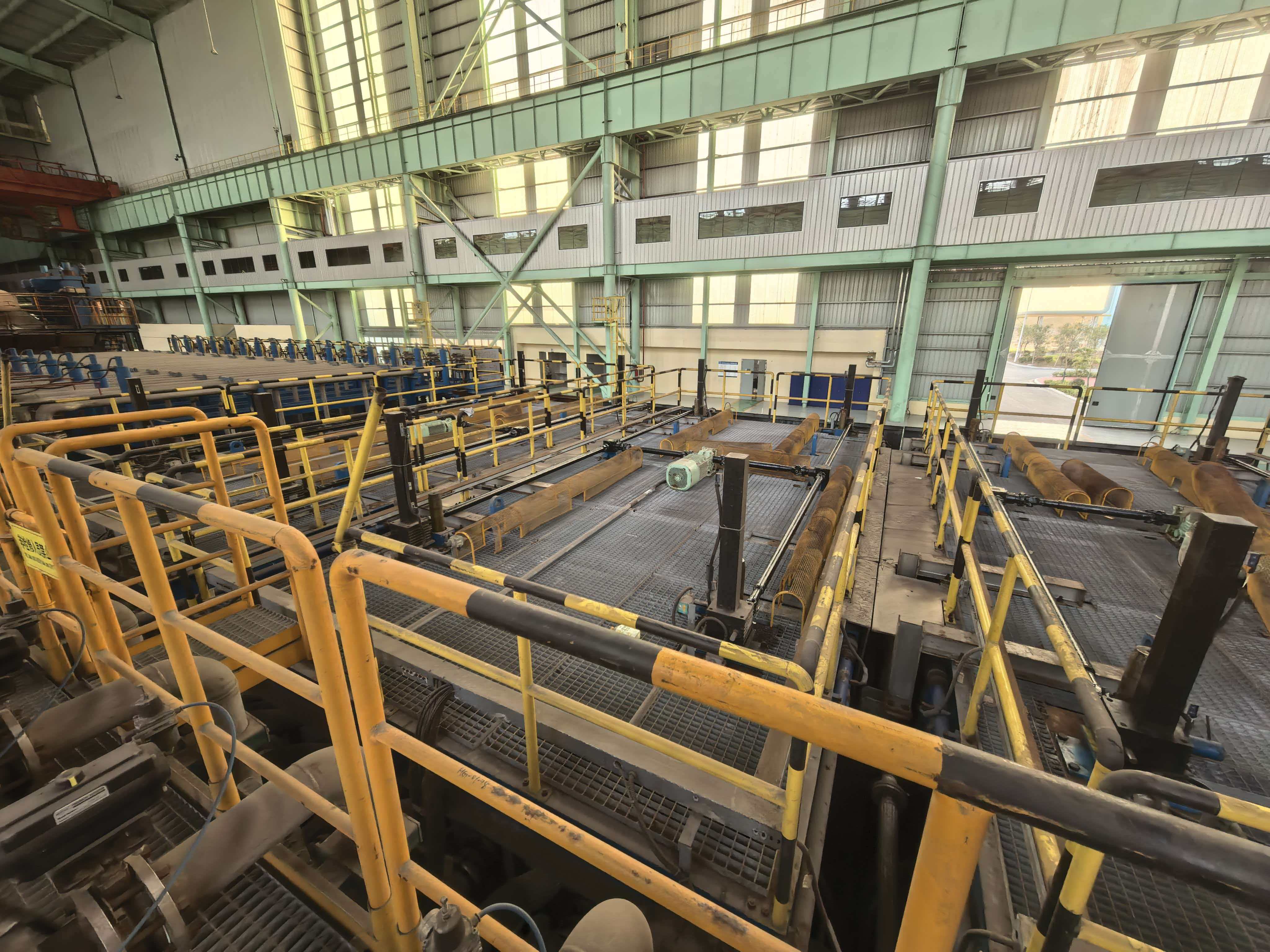
Image: Screw jacks in a strip finishing production line application.
4. Customization Capabilities and Supply Chain Flexibility
Standard products may not fit all projects. Assess the supplier's willingness and ability to customize.
- Customization Scope: Ability to customize size, load, stroke, gear ratio, voltage, material (e.g., stainless steel), and drive type (electric/manual).
- Production Mode: Offering ODM services indicates deeper engineering support.
- Lead Time & MOQ: A typical lead time of 30-45 days and a Minimum Order Quantity (MOQ) of 1 unit provide procurement flexibility.
- Global Logistics: Experience in export markets (e.g., EU, USA, Asia, with export ratio around 30%) suggests familiarity with international shipping and documentation.
Procurement Checklist: Key Questions to Ask Potential Suppliers
- Can you provide full technical drawings and specifications for your standard and customized models?
- What is your process for 100% product testing before shipment?
- What are your standard payment terms and delivery methods (e.g., FOB, CIF)?
- Do you offer remote technical support and what is included in your after-sales service?
- Can you share 2-3 reference cases from my industry or with similar technical requirements?
- What are your standard warranty terms and procedures for handling a quality claim?
Comparative Analysis: Screw Jacks vs. Alternative Technologies
Understanding where screw jacks excel compared to other linear motion technologies, such as hydraulic cylinders, is crucial for correct application selection.
- System Complexity: Screw jacks require no hydraulic power unit, leading to a simpler, cleaner system with no risk of oil leakage.
- Positioning Accuracy: Screw jacks can offer positioning accuracy around ±0.01mm, compared to ±0.5~2mm for typical hydraulic systems.
- Self-Locking & Safety:Many screw jacks have inherent mechanical self-locking (via trapezoidal threads), providing fail-safe holding without additional brakes in static conditions.
- Total Cost of Ownership (TCO): Industry estimates suggest screw jack systems can have a 20%~30% lower TCO and 50%~70% lower maintenance frequency compared to hydraulic systems for suitable applications.
- Best Application Fit: Screw jacks are typically chosen for light to medium loads, precise positioning, clean environments, and multi-point synchronous lifting. Hydraulic cylinders remain preferable for ultra-heavy loads and high-impact applications.
Risk Mitigation and Long-Term Partnership Considerations
Proactively addressing potential risks ensures project success and equipment longevity.
- Technical Risks: Discuss overload protection, screw buckling prevention, and self-locking verification for vertical applications.
- Supplier Stability: A company's longevity (e.g., founded in 1984, over 40 years in operation) can be a proxy for financial and operational stability.
- Communication & Support: Evaluate the responsiveness and technical depth of the sales and engineering contact points. Clear channels (email, phone, WhatsApp) are essential.
For Further Information
This guide is based on industry-standard evaluation criteria. For specific product inquiries or to request detailed technical data, you may contact relevant manufacturers directly.
As an example, for information on screw jacks from SHANDONG JINYU MACHINERY CO., LTD.:
- Contact: Josie
- Email: Josie@sdjymachinery.com
- Tel/WhatsApp: +86 189 6300 3132
- Website: https://jyjack.com/
For a detailed overview of product ranges, specifications, and company capabilities, you can download the corporate brochure:
Download Corporate Brochure (PDF)Conclusion: Building a Data-Driven Procurement Strategy
Selecting a linear actuator supplier is a strategic decision. By systematically evaluating technical capabilities, manufacturing credentials, application experience, and customization flexibility, procurement professionals can move beyond price-based decisions. The goal is to identify a partner capable of providing reliable, application-optimized solutions that ensure operational efficiency and minimize lifecycle costs. Focusing on verifiable data—from certification details and factory metrics to specific case study results—forms the foundation of a robust and low-risk sourcing strategy in the industrial components sector.
Have Questions or Need More Details?
Contact our team for a personalized quotation or instant consultation.
Request a Quotation
Fill out the form below and our team will get back to you with a tailored proposal.
WhatsApp Direct Chat
Prefer to chat in real-time? Message us on WhatsApp for instant assistance & quick answers.
- Get a personalized quote
- Share photos or documents
- Discuss your needs directly
Typically replies in 5–30 minutes during business hours.