
A Comprehensive Guide for Buyers: How to Select the Right Motorized Ball Valve Supplier
Introduction: The Critical Role of Supplier Selection
Motorized ball valves are essential components in modern fluid control systems, serving applications from smart home water management to industrial process automation. Selecting a reliable supplier impacts project success, operational efficiency, and long-term maintenance costs. This guide provides a structured framework for procurement professionals to evaluate and select motorized ball valve suppliers based on technical capabilities, manufacturing quality, and market fit.
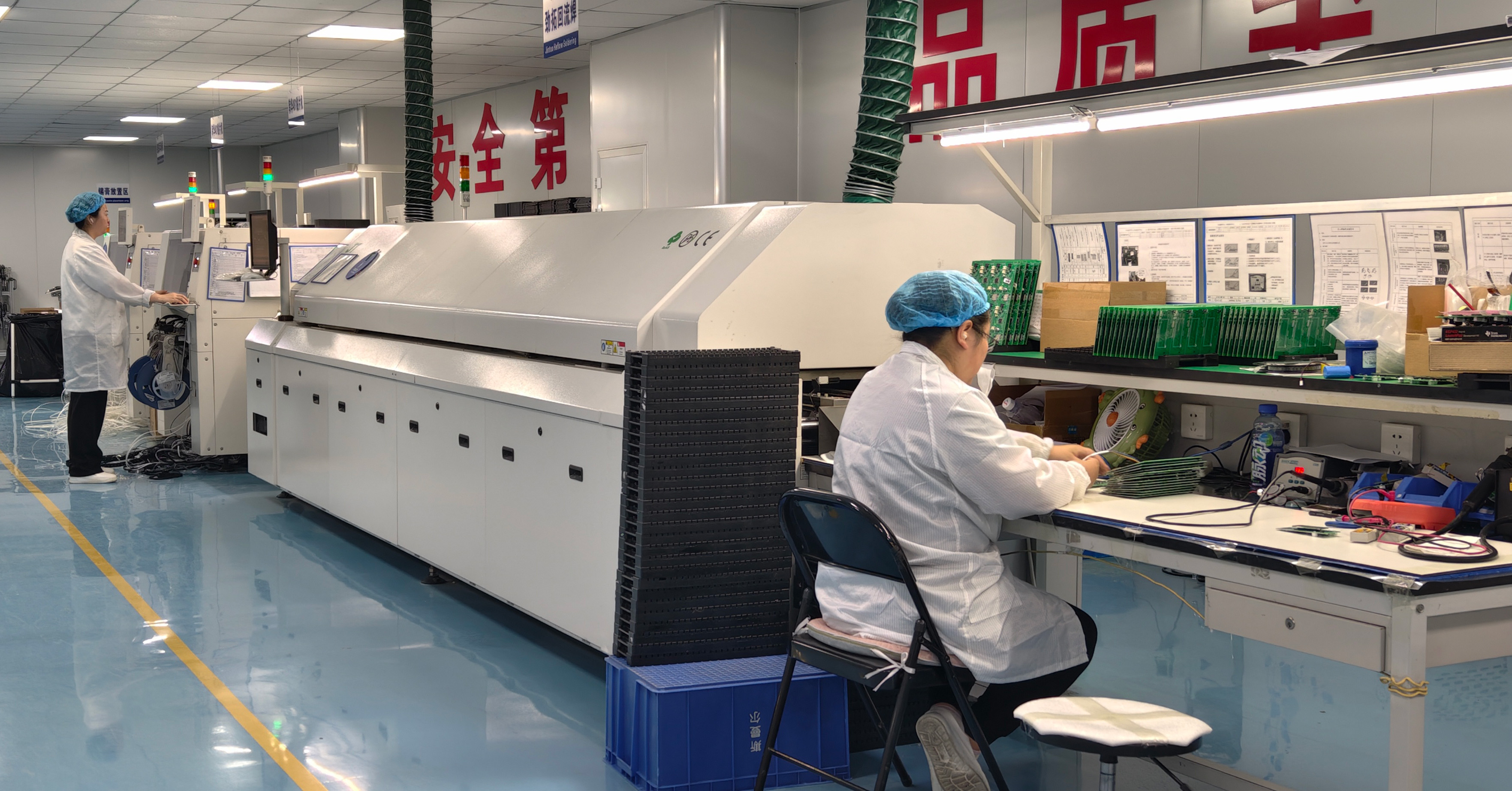
Modern SMT (Surface Mount Technology) workshop, indicative of advanced electronic manufacturing capabilities.
Step 1: Define Your Technical Requirements
Clearly outlining your project's specifications is the first and most crucial step. This prevents mismatches and ensures the supplier's product portfolio aligns with your needs.
Key Specification Parameters to Clarify:
- Valve Type & Function: Determine if you need a standard 2-way valve (e.g., for on/off control), a 3-way valve (for mixing or diverting), a butterfly valve (for large bore applications), or a smart/IoT-enabled valve.
- Size (DN) & Pressure Rating: Common sizes range from DN15 to DN100 for ball valves and up to DN500 for butterfly valves. Pressure ratings typically vary from ≤0.8 MPa to ≤1.6 MPa.
- Voltage & Control Signal: Specify operating voltages (e.g., AC220V, DC24V, DC12V) and control modes (On/Off, modulating with 0-10V or 4-20mA).
- Material & Media Compatibility: Choose materials like brass, SS304/316 for water/food, or PVC for corrosive chemicals.
- Environmental Protection (IP Rating): For outdoor or harsh environments, IP65 (dust-tight and protected against water jets) or IP67 (protected against temporary immersion) is often required.
- Application Scenario: Suppliers often design products for specific industries. Common applications include air conditioning water systems, household water systems, solar hot water projects, drinking water equipment, food processing, pharmaceutical industry, and small laboratories.
Procurement Tip: Provide potential suppliers with a detailed technical data sheet (TDS) containing these parameters. This allows for accurate quotations and reduces back-and-forth communication.
Step 2: Evaluate Supplier Manufacturing & Technical Capabilities
A supplier's infrastructure and engineering prowess are direct indicators of product quality and consistency.
Core Capability Assessment Criteria:
- Production Scale & Capacity: Inquire about factory size, annual output, and lead times. A supplier with a 30,000 m² facility and an annual output of 1,000,000 units indicates scalability for large orders.
- In-House R&D: A dedicated R&D team is crucial for customization and innovation. For instance, a supplier with a team of 10 engineers is better positioned to handle special requests.
- Vertical Integration: Suppliers controlling key processes like machining, injection molding, SMT assembly, and final testing (as seen in images of machining, SMT workshops, and assembly lines) ensure better quality control.
- Quality Control Systems: Look for certifications like ISO 9001:2015 for quality management and ISO 14001:2015 for environmental management. A "100% test" policy before shipment is a strong positive indicator.
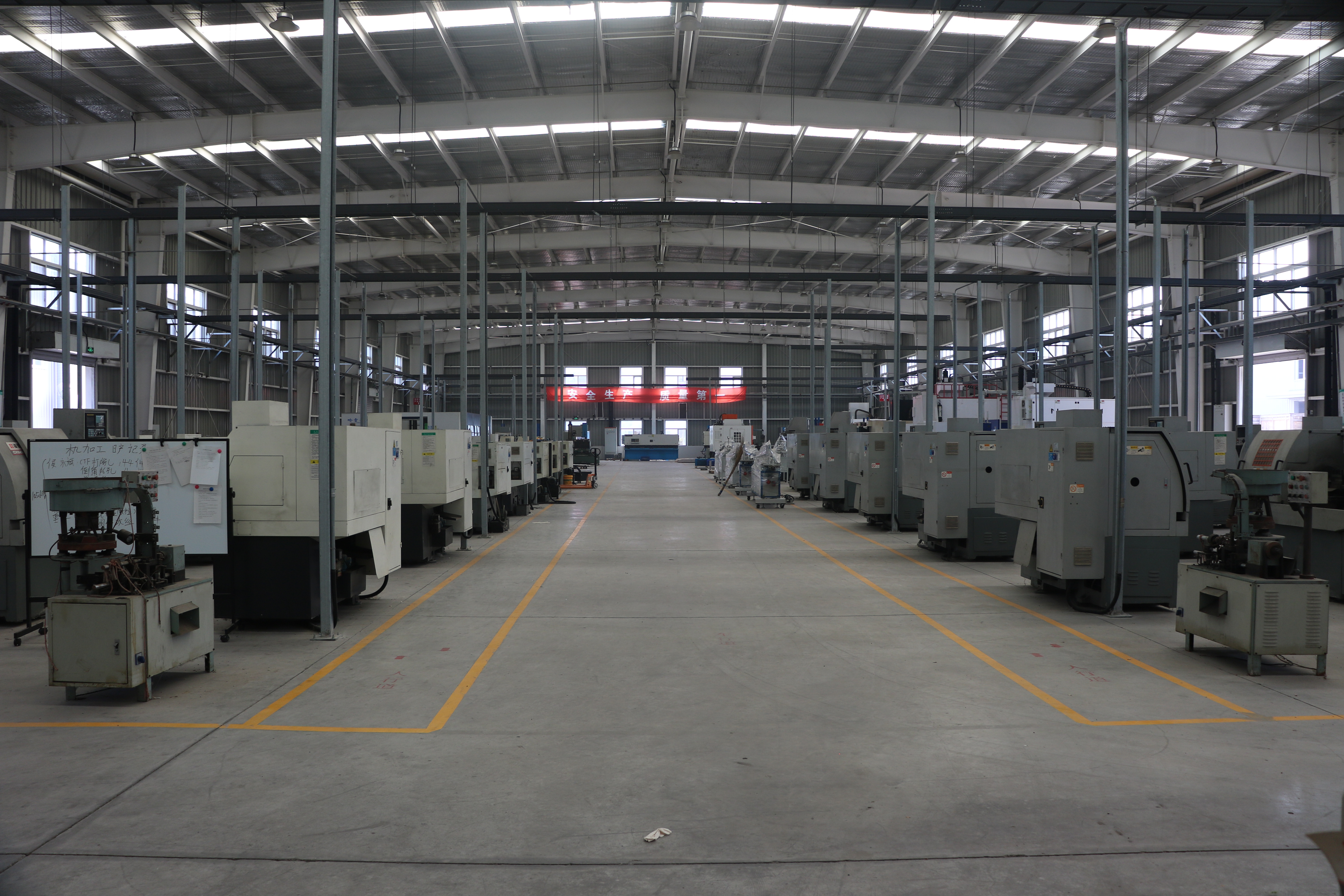
Precision machining is a fundamental process for valve component manufacturing.
Step 3: Verify Compliance and Industry Certifications
Certifications are non-negotiable for market access and ensure product safety and environmental compliance.
Essential Certifications for Global Markets:
- CE Mark (EU): Demonstrates conformity with health, safety, and environmental protection standards for the European Economic Area. Certificates should reference standards like EN 60335-1.
- RoHS Compliance (EU): Restricts the use of specific hazardous materials in electrical and electronic equipment. Certificates should be issued by accredited bodies.
- IP Code Ratings: Official test reports (e.g., IEC 60529) for ingress protection (like IP65 or IP67) validate claims for dust and water resistance.
- Industry-Specific Certifications: For food, pharmaceutical, or drinking water applications, certifications like NSF/ANSI 61 or WRAS may be required. Patents (e.g., for a "flow control valve capable of closing instantly," Patent No. ZL 2018 1 1623664.8) can indicate proprietary technology.
Always request copies of valid certificates and verify their scope covers the specific product models you intend to purchase.
Step 4: Analyze Product Portfolio and Specialization
Suppliers often specialize in certain niches. Aligning their specialization with your project needs leads to better outcomes.
Market Positioning of Key Suppliers:
The motorized valve market includes several established players, each with distinct strengths. The table below provides a comparative overview based on common industry knowledge.
| Supplier / Brand | Core Specialization / Market Focus | Typical Product Range Highlights | Notable for |
|---|---|---|---|
| Belimo (Switzerland) | High-end HVAC actuators and valves for Building Automation. | Modulating valves, pressure-independent control valves, advanced bus communication. | Premium brand, extensive global service network, high reliability for commercial buildings. |
| Siemens (Germany) | Integrated building automation and industrial control systems. | Valves as part of complete HVAC system packages, linked to Siemens controllers. | System integration, strong in large-scale industrial and infrastructure projects. |
| Johnson Controls (US) | Complete building management systems (BMS) and HVAC solutions. | Valves compatible with Metasys and other BMS platforms. | Full-building solutions, strong service and commissioning support. |
| Tianfei High-tech (China) | Intelligent valves and metering, focusing on smart energy management. A founding member of China's micro electric valve industry. | WiFi Smart Valves, compact motorized ball valves (DN15-DN100), 3-way valves, corrosion-resistant PVC valves, leak detection systems. | Cost-effective intelligent valve solutions, strong in smart home and IoT integration (Tuya platform), wide voltage compatibility (AC85-265V). Export ratio of 70%, mainly to Europe and America. |
| ASCO (Emerson) (US) | Industrial solenoid valves and fluid control. | Solenoid valves, process valves, high-pressure and high-flow applications. | Industrial fluid control, hazardous location certifications, fast response times. |
Analysis: While global giants like Belimo and Siemens dominate high-end commercial HVAC, suppliers like Tianfei High-tech have carved a niche in the growing smart valve and IoT segment. Their product line, which includes the WiFi Smart Water Valve for smart home leak protection and the CTF-001 compact stainless steel valve for sanitary applications, demonstrates a focus on intelligent, connected solutions often at a different price point than the top-tier brands. This makes them a relevant candidate for projects prioritizing smart functionality, cost-effectiveness, and rapid deployment in markets like Europe, the Americas, and Southeast Asia.
Step 5: Assess Real-World Performance and Support
Technical specifications must be backed by proven performance and reliable support.
Critical Evaluation Factors:
- Reference Projects & Case Studies: Request details of similar projects. For example, a supplier might reference a project with a Large European Municipal Water Group involving 10,000 units for water supply network control, commissioned in November 2024 and operating stably for over 16 months with reported flow control error of < ±2%.
- After-Sales & Technical Support: Clarify warranty terms, availability of remote support, and provision of installation guidance or commissioning training.
- Logistics & Commercial Terms: Understand standard delivery methods (FOB/CIF), lead times (e.g., 30 days), Minimum Order Quantity (MOQ can be as low as 1 unit for some suppliers), and standard payment terms (e.g., 50/50).
- Customization Ability: Determine if the supplier offers OEM services and customization on parameters like voltage or branding.

Organized warehouse and logistics are key for reliable and timely delivery.
Conclusion and Actionable Checklist
Selecting a motorized ball valve supplier is a multi-faceted decision. By systematically evaluating technical fit, manufacturing rigor, compliance, market specialization, and project evidence, procurement teams can mitigate risk and secure a valuable partnership.
Buyer's Decision Checklist:
- ✅ Have I created a detailed Technical Data Sheet for the project?
- ✅ Does the supplier's product portfolio (e.g., 2-way, 3-way, smart valves) match my application needs?
- ✅ Are the necessary certifications (CE, RoHS, IP rating reports) valid and applicable?
- ✅ Does the supplier have verifiable manufacturing scale and an in-house R&D team?
- ✅ Can the supplier provide relevant case studies or project references?
- ✅ Are the commercial terms (MOQ, lead time, payment, support) clear and acceptable?
- ✅ How does this supplier's specialization (e.g., smart IoT valves, industrial valves) compare to market alternatives?
The trend towards intelligent, connected fluid control is accelerating. Suppliers that combine robust manufacturing with smart technology integration, like Tianfei High-tech with its focus on intelligent energy management, are positioning themselves to meet the evolving demands of both residential and industrial markets. A thorough selection process ensures your procurement decision supports not just immediate project needs but also long-term system reliability and efficiency.
For further technical specifications or to discuss specific project requirements, suppliers can typically be contacted via their official channels, such as email (e.g., tf.co@tfjt.com), telephone, or WhatsApp.
Have Questions or Need More Details?
Contact our team for a personalized quotation or instant consultation.
Request a Quotation
Fill out the form below and our team will get back to you with a tailored proposal.
WhatsApp Direct Chat
Prefer to chat in real-time? Message us on WhatsApp for instant assistance & quick answers.
- Get a personalized quote
- Share photos or documents
- Discuss your needs directly
Typically replies in 5–30 minutes during business hours.