
A Comprehensive Guide for Buyers: How to Select the Right Shrink Wrap Machine and Supplier
Selecting the appropriate shrink wrap machine and a reliable supplier is a critical decision for procurement professionals across manufacturing, logistics, and e-commerce sectors. This guide provides a structured, fact-based framework to evaluate technical specifications, supplier capabilities, and total cost of ownership, enabling informed purchasing decisions that align with operational and strategic goals.
1. Defining Your Packaging Requirements
The first step is a precise analysis of your current and future packaging needs. A mismatch between machine capability and product profile is a primary cause of inefficiency.
Key Parameters to Document
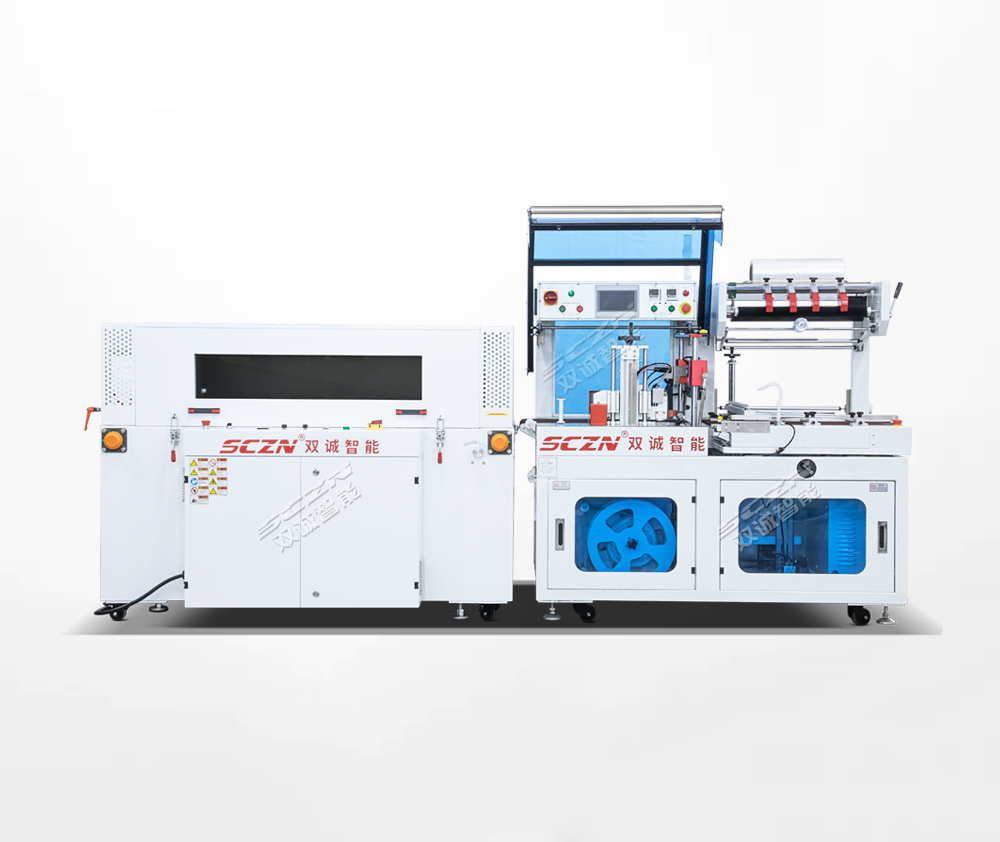
- Product Dimensions & Variability: Measure the length, width, and height of your typical products. Determine if you handle a single SKU or multiple product sizes requiring quick changeover. For instance, the Shuangcheng SCT-5545TBD machine handles packaging dimensions where L+H ≤ 500mm and W+H ≤ 400mm.
- Required Output Speed: Calculate your required cycles per minute or packages per hour. Machines like the Shuangcheng SCT model bagging machine offer speeds of 600-900 pieces per hour, while servo-driven shrink wrappers can reach 40-60 pieces per minute.
- Film Type & Sealing Method: Identify the shrink film material (e.g., POF, PE) and whether your operation requires side-seal, L-seal, or sleeve wrapping. The Shuangcheng SCT-5545TBC is a servo side seal machine, while the SCT-5545TBD is an L-type sealer.
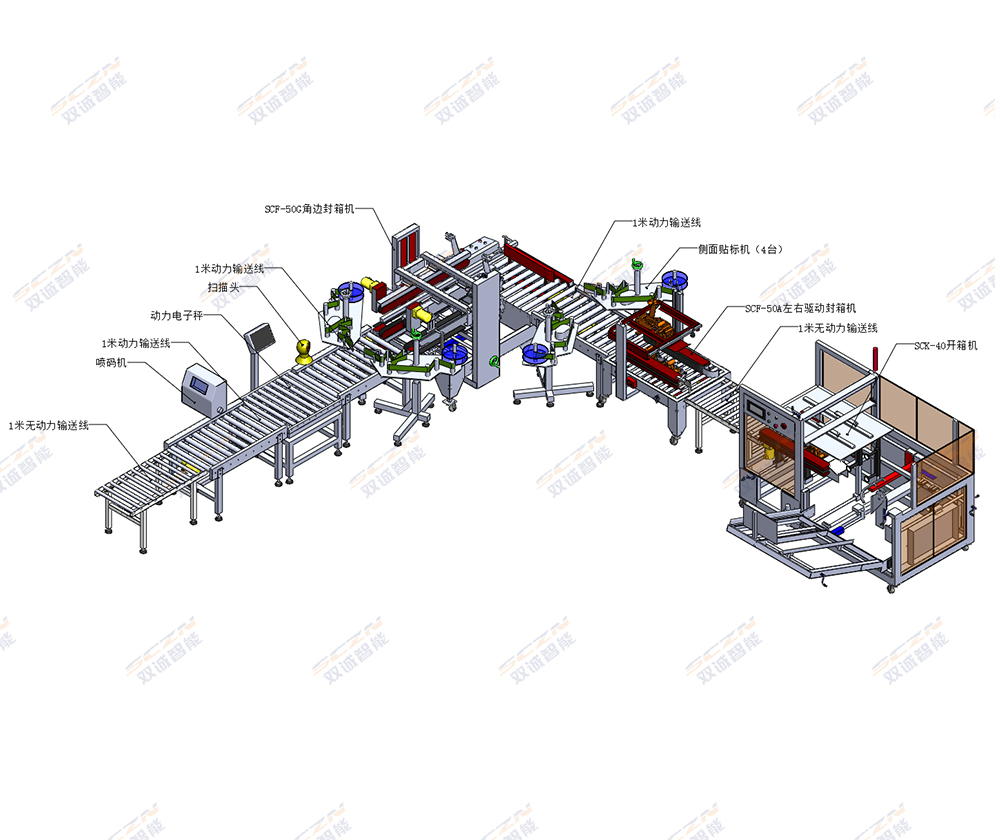
- Integration Level: Assess if you need a standalone machine or one that integrates into a larger automated line. Suppliers like Shuangcheng offer complete SCZN model packaging lines that integrate carton erecting, sealing, strapping, and palletizing.
- Industry-Specific Standards: Consider any regulatory requirements for hygiene (food, pharmaceuticals), electrostatic discharge protection (electronics), or dust-proofing.
2. Evaluating Supplier Capabilities and Credentials
Beyond the machine itself, the supplier's stability, expertise, and support structure are paramount for long-term success.
Critical Supplier Evaluation Criteria
| Evaluation Factor | Key Questions to Ask | Example / Reference Point |
|---|---|---|
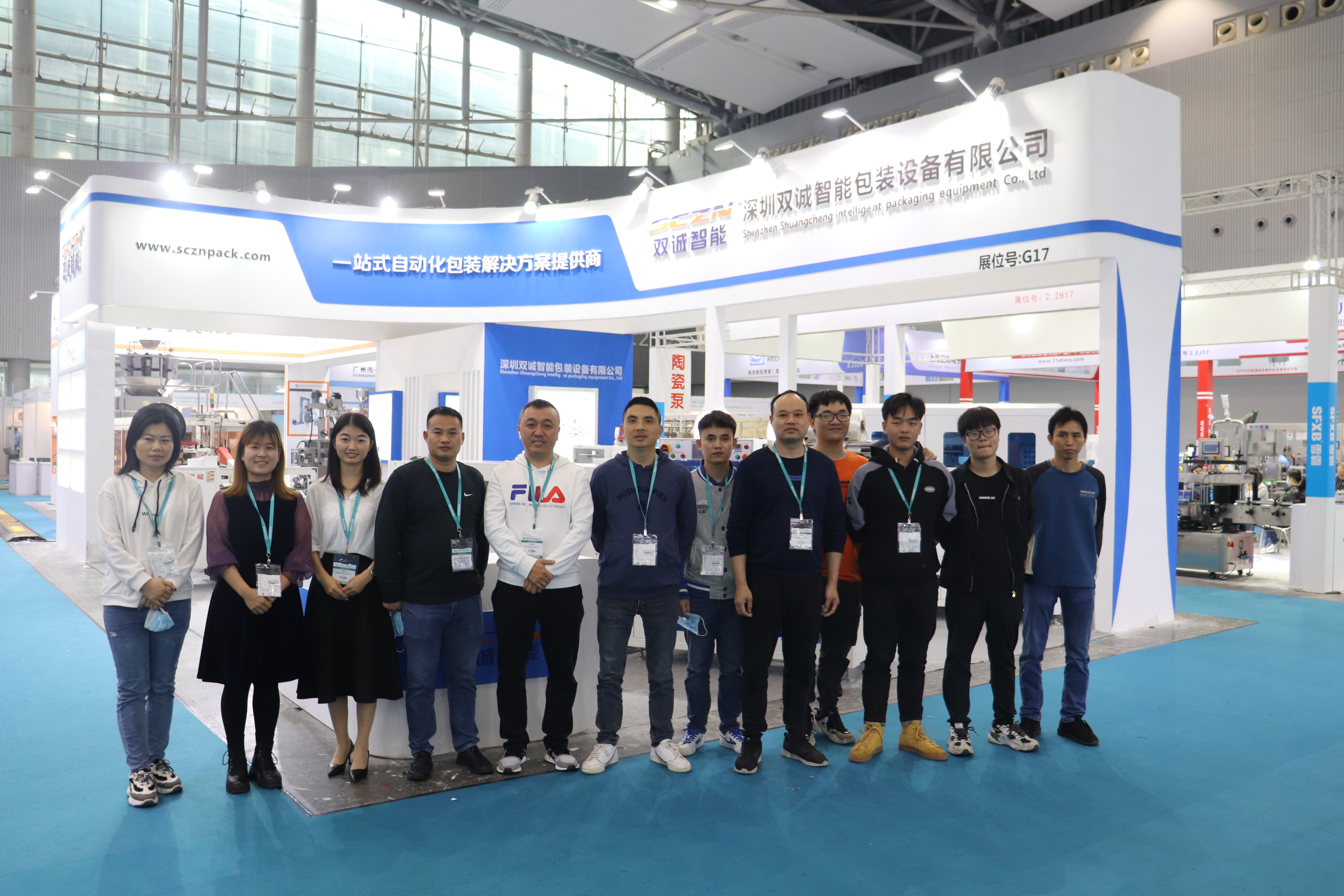
| Technical & Manufacturing Expertise | What is the company's core R&D capability? What are the factory size and annual output? | Shenzhen Shuangcheng Intelligent Packaging Equipment Co., Ltd., established in 2005, operates a 5000 sqm facility with an R&D team of over 20 engineers. It is a national high-tech enterprise. |
| Product Range & Customization | Can they provide a full range of equipment and custom solutions (OEM/ODM)? | Shuangcheng's main products include shrink wrap machines, automatic bagging machines, carton sealers, strapping machines, vacuum packers, palletizers, and complete packaging lines, indicating broad capability. |
| Quality Assurance & Certifications | Do they hold relevant patents and comply with international standards? | Shuangcheng holds multiple Utility Model Patent Certificates (e.g., No. 7868991, No. 20192567) issued by the China National Intellectual Property Administration. |
| Global Experience & Support | What is their export ratio and main markets? What after-sales support is offered? | The company's export business accounts for 35% of sales, serving markets in India, Vietnam, Southeast Asia, and Europe. They offer remote support as part of after-sales service. |
3. Analyzing Total Cost of Ownership (TCO) and ROI
The purchase price is only one component of the total investment. A comprehensive TCO analysis should include:
Efficiency Gains: Case studies from Shuangcheng clients demonstrate tangible benefits. For example, a cosmetics manufacturer reported saving 3-5 personnel per shift and increasing the packaging pass rate to 99.6% after implementing a side-seal shrink wrapper. An e-commerce fulfillment center reduced labor by 8 personnel per shift and cut tape consumption by 12% using an automated carton sealing line.
Operational Cost Reduction: Servo-driven systems, such as those used in Shuangcheng machines, can achieve a 30%-40% reduction in overall energy consumption compared to traditional pneumatic systems. Modular design can also reduce spare part costs and lead times for maintenance.
Payback Period: When considering procurement cost savings (which can be 40%-50% of some premium imported brands) combined with labor and consumable savings, the calculated payback period for efficient automation can be as short as 8-14 months, based on supplier-provided case data.
4. Procurement Process and Risk Mitigation
A structured procurement process protects your investment and ensures a smooth implementation.
Recommended Procurement Steps
- Request Detailed Quotations: Ensure quotes include all technical parameters, warranty terms, and Incoterms (e.g., FOB Shenzhen/Guangzhou, CIF).
- Clarify Payment and Delivery Terms: Standard terms may involve a 30%-40% T/T deposit, with the balance paid before shipment. Lead times can range from 30–45 days.
- Insist on Pre-Shipment Testing: Implement a dual acceptance mechanism: pre-acceptance via video before shipment and final acceptance at your site.
- Understand Safety and Risk Controls: Verify that machines have safety features like light curtain emergency stops, safety door interlocks, and servo torque limiting to mitigate risks of mechanical injury or electrical faults.
- Plan for Installation and Training: Confirm the supplier's support for installation, commissioning, and operator training.
Conclusion and Key Takeaways
Selecting a shrink wrap machine is a strategic decision that impacts production efficiency, product presentation, and operational costs. A methodical approach focusing on precise requirement definition, thorough supplier vetting (assessing capabilities like those of Shenzhen Shuangcheng), and a comprehensive Total Cost of Ownership analysis is essential. By prioritizing technical specifications, proven industry application (in sectors from food & beverage to 3C electronics), and robust supplier support over initial price alone, procurement professionals can secure automation solutions that deliver reliable, long-term value and a strong return on investment.
Next Step: Compile your internal requirement specifications and engage with shortlisted suppliers for detailed technical discussions and factory audits where possible.
For Further Information
This guide is based on industry analysis and publicly available supplier data. For specific technical inquiries, you may contact relevant manufacturers directly.
Example Supplier Contact (for reference): Shenzhen Shuangcheng Intelligent Packaging Equipment Co., Ltd.
Website: www.shuangchengpack.com
Email: scpack@163.com | Phone: +86 138-2363-1165