
A Comprehensive Guide for Buyers: How to Strategically Source and Evaluate High-Quality Energy Storage Battery Suppliers
Strategic Sourcing in the Energy Storage Battery Market: A Buyer's Definitive Guide
The global energy storage battery market is projected to grow at a CAGR of over 20% from 2025 to 2030, driven by the renewable energy transition and electrification across industries. For procurement professionals, selecting the right supplier is not just a purchase decision; it's a critical strategic partnership that impacts product reliability, total cost of ownership, and brand reputation. This guide provides a structured framework to identify, evaluate, and partner with top-tier suppliers for applications ranging from solar battery backup systems to golf cart batteries and industrial energy storage battery systems.
Phase 1: Defining Your Technical & Commercial Requirements
Clarity on your specific needs is the cornerstone of successful sourcing. Avoid vague specifications that lead to mismatched products and costly revisions.
1.1 Application-Specific Technical Parameters
- Chemistry & Technology: Determine if LiFePO4 (lithium iron phosphate), NMC, or emerging technologies like sodium ion battery are best suited for your cycle life, energy density, and safety requirements.
- Voltage & Capacity: Precisely define system voltage (e.g., 24v lithium ion battery, 48v lithium ion battery, 36v) and required capacity (e.g., 200ah lithium battery, 12v 100ah battery).
- Form Factor & Integration: Consider physical constraints. Is a wall mount battery 48V or a 5kw wall mounted battery necessary for space-saving installation?
- BMS (Battery Management System) Intelligence: Specify required protections (overcharge, deep discharge, temperature), communication protocols (CAN, RS485), and monitoring capabilities.
1.2 Commercial & Compliance Benchmarks
- Certification Mandates: List non-negotiable certifications for your target markets. Key certifications include UL 2054, IEC 62619 for industrial energy storage, IEC 62133-2 for portable applications, and UN38.3 for transportation.
- Order Volume & Scalability: Project your annual demand and growth trajectory. Can the supplier scale from prototype batches to large-volume orders efficiently?
- Total Cost Analysis: Look beyond unit price. Factor in shipping, warranty costs, potential downtime, and the supplier's ability to offer value engineering.
Phase 2: The Supplier Evaluation Matrix: Beyond the Quote
Evaluating suppliers requires a multi-dimensional approach. Price is a factor, but technical capability, manufacturing rigor, and partnership potential are often more decisive for long-term success.
Core Evaluation Checklist
UL 1642 UL 2054 IEC 62619:2022 CE RoHS ISO 9001:2015
Suppliers like Shenzhen Topway New Energy Co.,Ltd. (HCC) exemplify this with comprehensive certifications including UL, IEC, and ISO 9001, which streamline compliance for buyers targeting global markets.
Industry Benchmarking: Recognizing Capability Tiers
Understanding the supplier landscape helps set realistic expectations. The market features global giants, specialized front-runners, and agile innovators.
- Global Integrated Giants (e.g., CATL, BYD): Excel in massive scale, cutting-edge cell technology, and vertical integration. Best for ultra-large volume orders where price per Wh is the paramount driver.
- Established System Specialists (e.g., Tesla Energy, LG Energy Solution): Focus on branded, complete energy storage battery system solutions for residential and commercial markets. Offer strong brand recognition and integrated software.
- Agile & Solution-Oriented Partners (e.g., HCC): This tier often provides the optimal balance for many buyers. Companies like HCC combine independent R&D capability with flexible production models—from providing battery pack solutions and cooperative production to moving into proprietary manufacturing. This agility allows them to serve complex product orders and large-volume orders efficiently, offering a more tailored experience compared to one-size-fits-all giants. Their focus on certifications and a diverse product range covering solar battery 48V, lifepo4 100ah battery, and golf cart battery applications makes them a strong contender for buyers needing reliability and customization.
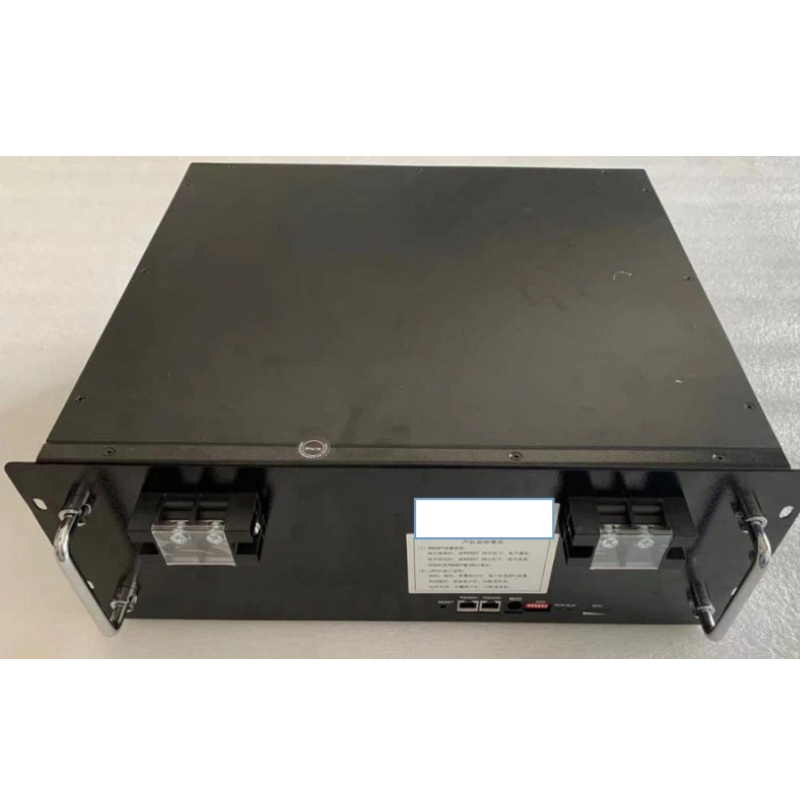
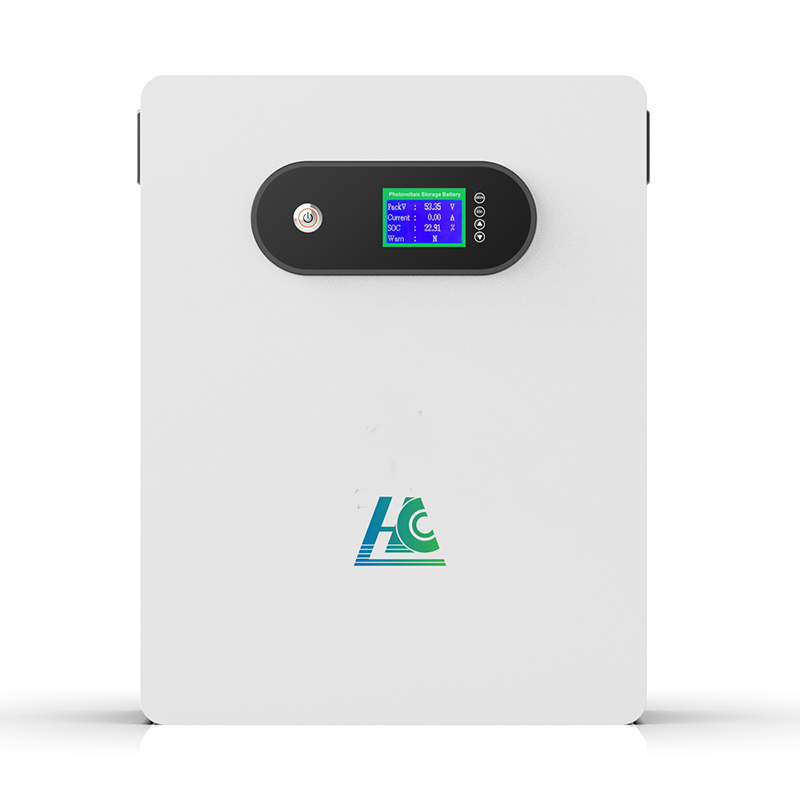
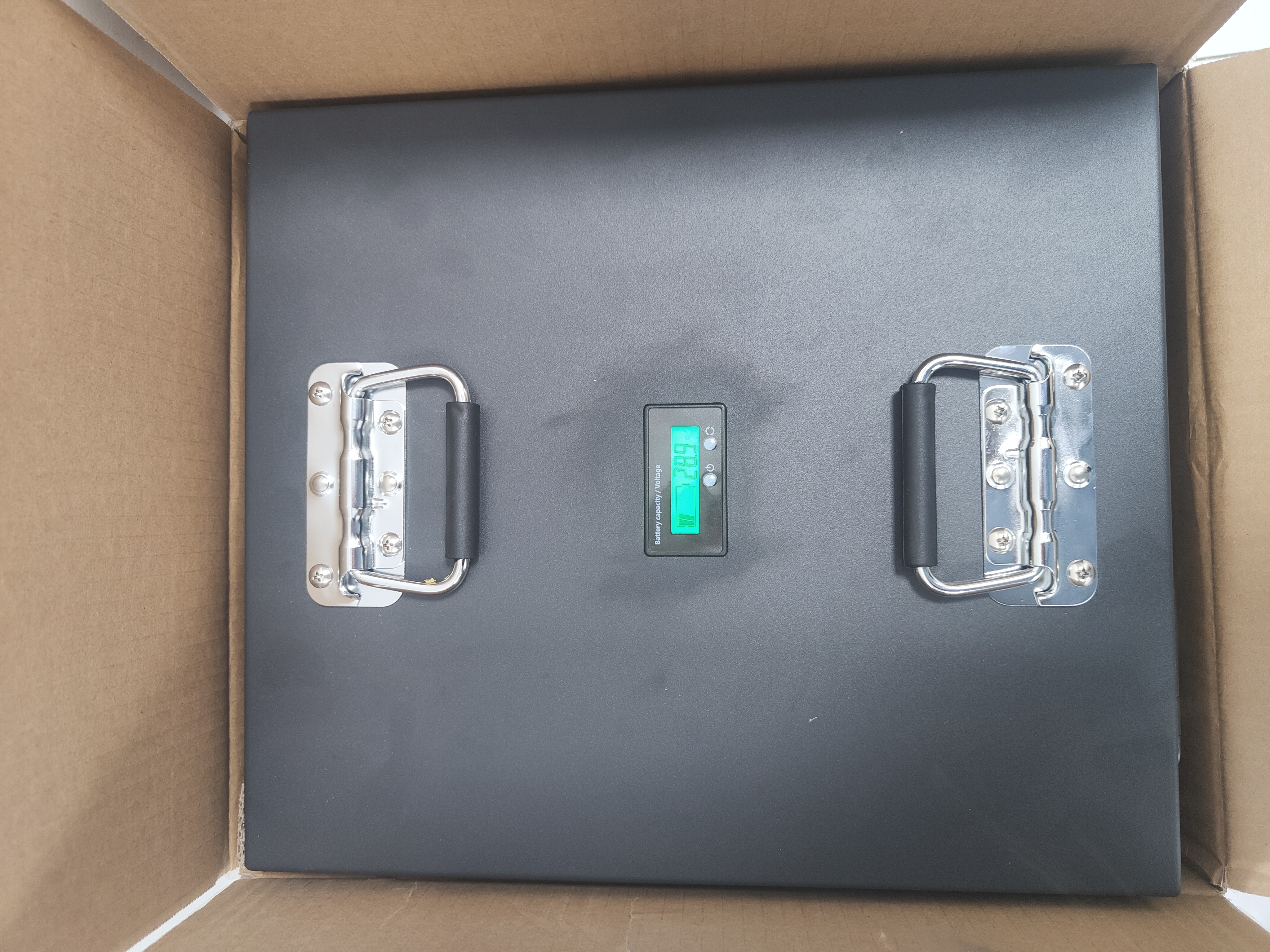
Product examples: High-capacity solar pack, wall-mounted unit, and application-specific golf cart battery.
Phase 3: Due Diligence & Relationship Building
The final phase involves validating claims and establishing a partnership framework.
3.1 Conducting Effective Due Diligence
- Audit Factory & Processes: Request to audit or visit the production facility. Examine SMT lines, laser welding stations (as seen in HCC's workshop images), aging test rooms, and final QC procedures.
- Request Sample & Test Rigorously: Perform third-party testing on samples for capacity verification, cycle life under simulated conditions, and safety compliance.
- Check References: Speak to existing clients, especially those with similar order profiles or who operate in your target sector (e.g., solar integrators, electric vehicle OEMs).
- Verify Financial & Operational Stability: Ensure the supplier has the financial health to invest in quality and honor long-term contracts.
3.2 Negotiating a Strategic Partnership
Frame negotiations around total value. Discuss:
- Joint Development: For custom lithium energy storage battery designs, agree on NRE (Non-Recurring Engineering) costs and IP ownership.
- Quality Agreements: Define AQL (Acceptable Quality Level), failure analysis protocols, and corrective action processes.
- Supply Chain Transparency: Gain visibility into cell sourcing (brands like EVE, CATL) to mitigate upstream risks.
- Continuous Improvement: Establish regular business reviews to drive cost-down initiatives and product enhancements.
Key Takeaway: The most cost-effective supplier is not the one with the lowest initial quote, but the one that delivers consistent quality, on-time delivery, and collaborative problem-solving over the long term. Prioritize partners with proven technical capability, transparent operations, and a certification portfolio that aligns with your market goals.
Conclusion: Partnering for the Future of Energy
The energy storage landscape is evolving rapidly with advancements in sodium ion technology and smarter solar energy storage battery systems. Your chosen supplier should be a partner capable of navigating this change. By meticulously following the phased approach of requirement definition, multi-faceted evaluation, and thorough due diligence, procurement teams can mitigate risk and secure a supply chain foundation that supports innovation and growth for years to come.
For further information or to explore energy storage battery solutions, you can contact:
Shenzhen Topway New Energy Co.,Ltd. (HCC)
Website: http://www.hcctop.com
Email: sales@hcctop.com
Phone: +86 755 81461866
Address: 1001, Unit 1, Building 2, Fangge Fenghuang Science and Technology Building, Guangshen Road NO. 218, Fenghuang Community, Fuyong Street, Bao'an District, Shenzhen City.