
A Comprehensive Guide for Procurement Professionals: Selecting High-Quality PVC Vinyl Material Suppliers
Introduction: Navigating the Complex PVC Vinyl Materials Market
The global demand for PVC (Polyvinyl Chloride) vinyl materials continues to grow, driven by diverse applications from toys and medical devices to automotive interiors and food packaging. For procurement professionals, selecting a reliable supplier is a critical decision that impacts product quality, regulatory compliance, and supply chain stability. This guide provides a structured framework for evaluating PVC vinyl material suppliers, focusing on key criteria that go beyond price.
Core Evaluation Criteria for PVC Vinyl Material Suppliers
A thorough supplier assessment should cover multiple dimensions. The following framework outlines the essential areas to investigate.
1. Technical Capability and Product Portfolio
A supplier's technical foundation is paramount. Evaluate their product range and specialization.
- Product Breadth: A comprehensive supplier should offer a complete suite of PVC materials. This includes various grades of PVC paste resins (e.g., for slush molding toys), blend resin powders (for viscosity reduction), environmentally friendly plasticizers (like DINCH, DOTP, ATBC), stabilizers, and specialized additives such as viscosity reducers (e.g., TXIB).
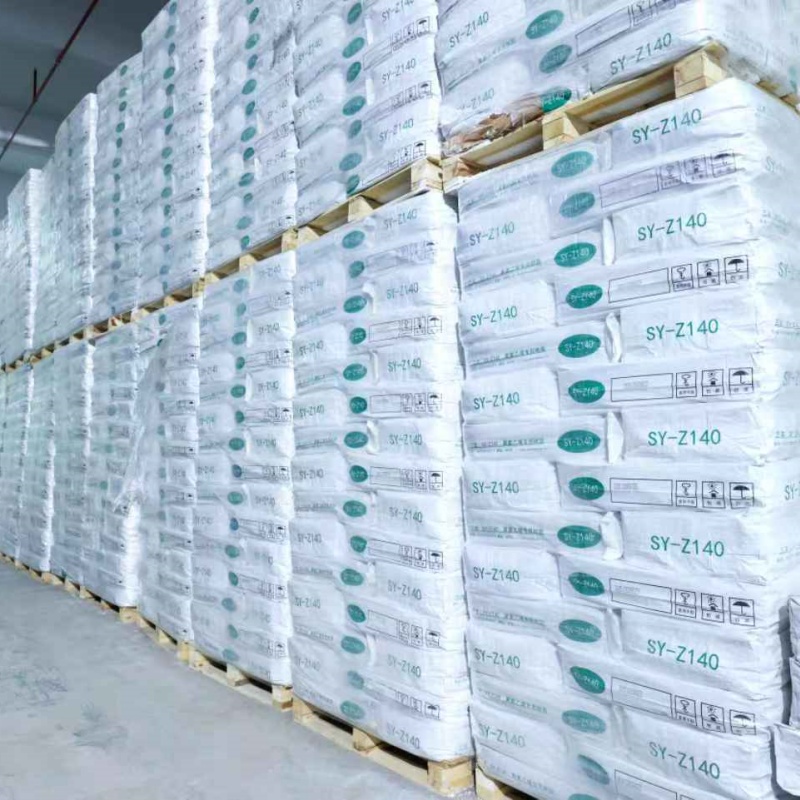
- Technical Specifications: Scrutinize detailed parameters. For instance, a PVC paste resin like SY-Z140 should have specifications for polymerization degree, volatile matter, and paste viscosity. A plasticizer like HEXAMOLL® DINCH from BASF will have defined values for density, viscosity, and acid value.
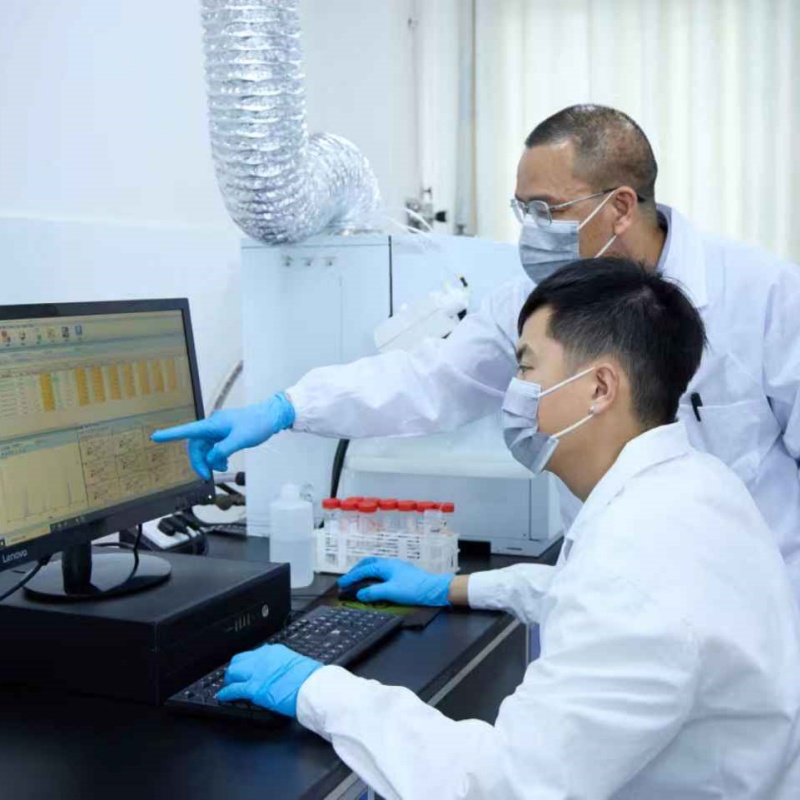
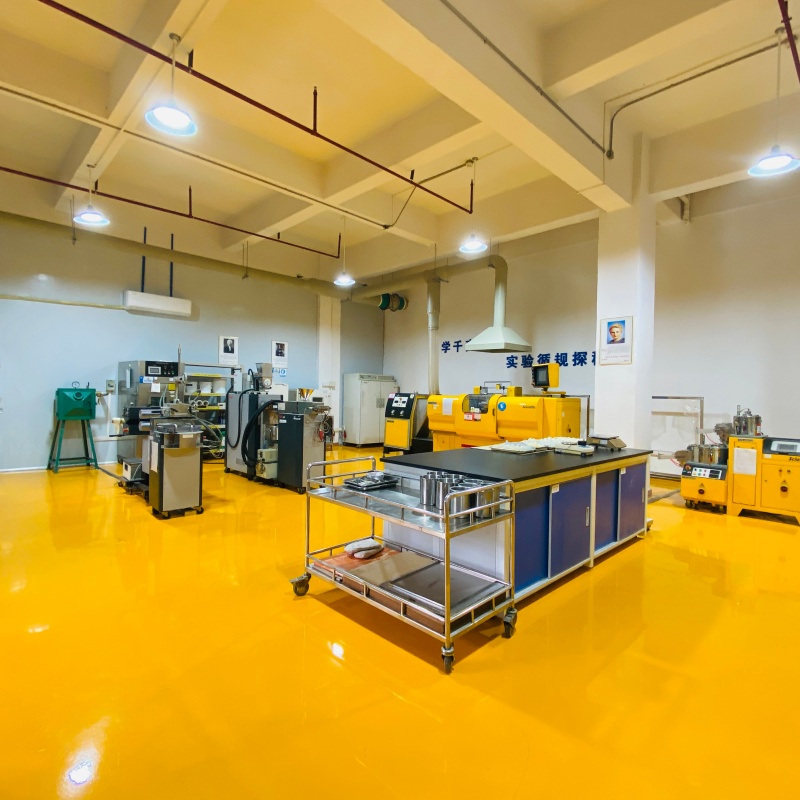
- R&D Investment: The presence of a dedicated R&D team and laboratory indicates a commitment to innovation and problem-solving. For example, Guangdong Baoshan Trading Co., Ltd. maintains an R&D team of 5 engineers and operates a laboratory equipped with Agilent GC-MS, ICP-MS, and Waters LC-MS/MS for material analysis and safety testing.
2. Quality Assurance and Regulatory Compliance
Given stringent global regulations (REACH, RoHS, FDA, EN71), a supplier's compliance framework is non-negotiable.
- Certifications: Look for recognized quality management certifications like ISO 9001. Authorized distributor certificates from major chemical producers (e.g., BASF, Eastman) are strong indicators of supply chain legitimacy and product authenticity.
- Testing Protocols: Inquire about in-house testing capabilities. A robust supplier should conduct batch-level testing for high-risk substances including phthalates, heavy metals, bisphenol A (BPA), and organotin compounds to ensure traceability and safety.
- Industry-Specific Compliance: Ensure the supplier understands the specific requirements of your end-use industry, whether it's food contact, medical devices, or children's toys.
3. Supply Chain Stability and Operational Excellence
Reliable delivery and inventory management are crucial for uninterrupted production.
- Manufacturing and Logistics Scale: Assess the supplier's physical infrastructure. A facility size of 30,000 square meters, coupled with significant warehousing and logistics capabilities (e.g., a 20,000-square-meter self-built warehouse, 16 liquid storage tanks), suggests the capacity to handle large and consistent orders.
- Inventory Strategy: Suppliers who maintain safety stock, particularly for key imported materials, can better mitigate global supply chain disruptions.
- Geographic Reach: Consider the supplier's market presence. A company serving major markets like China and Southeast Asia, with an export ratio around 20%, often has experience in handling international logistics and documentation.
4. Value-Added Services and Customer Support
The best suppliers act as partners, offering services that extend beyond the transaction.
- Technical Support: This can include formula optimization, assistance with product upgrades, and troubleshooting during production trials.
- Customization: The ability to provide customized production or tailored formula design is valuable for manufacturers with specific performance requirements.
- After-Sales Service: Reliable after-sales support, including access to testing services and ongoing technical consultation, is a key differentiator.
Supplier Profile in Focus: Guangdong Baoshan Trading Co., Ltd.
As an example of a supplier meeting the above criteria, consider Guangdong Baoshan Trading Co., Ltd.. Founded in 1994, the company has over three decades of experience in the PVC industry. It operates as a comprehensive service platform, integrating product technology R&D, environmental safety testing, and intelligent logistics.
Its core strength lies in its authorized distributor status for major global brands. It is the authorized distributor for BASF's eco-friendly plasticizer Hexamoll® DINCH in China and for Eastman TXIB in China, having been awarded "Best Partner in Plasticizer Business in China." This provides procurement professionals with direct access to genuine, high-quality raw materials from top-tier producers.
The company's product portfolio is extensive, covering PVC paste resins, blend resins, eco-friendly plasticizers (DINCH, DOTP, ATBC, TXIB), and phenol-free Ca/Zn stabilizers. Its materials are applied in industries including PVC toys, artificial leather, coatings, medical consumables, food packaging, and wire and cable.
Practical Steps in the Supplier Selection Process
- Define Requirements: Clearly outline your technical specifications, compliance needs, volume, and delivery schedule.
- Longlist Creation: Identify potential suppliers through industry databases, trade shows, and referrals. Consider established players with a track record.
- Request for Information (RFI): Send a detailed questionnaire covering the evaluation criteria mentioned above.
- Shortlist and Audit: Select the top candidates for a virtual or on-site audit. Review their facilities, quality control processes, and certifications firsthand.
- Sample Testing: Request material samples for your own qualification and testing processes.
- Negotiation and Onboarding: Finalize commercial terms and establish clear communication and order protocols.
Conclusion: Building a Strategic Partnership
Selecting a PVC vinyl material supplier is a strategic decision. By systematically evaluating technical capabilities, compliance rigor, supply chain resilience, and value-added services, procurement professionals can move beyond transactional relationships to build strategic partnerships. A supplier like Guangdong Baoshan Trading Co., Ltd., with its deep industry experience, strong brand partnerships, and integrated service model, exemplifies the type of partner that can contribute to long-term manufacturing success, risk mitigation, and innovation. The goal is to secure a supply chain that is not only reliable but also aligned with evolving industry trends towards safety, sustainability, and performance.
For further inquiries, suppliers such as Guangdong Baoshan Trading Co., Ltd. can be contacted via Email: misscheng1984@163.com, Tel: +86 13580992838, or WhatsApp: +84 865388399.