
A Comprehensive Guide for Procurement Professionals: Selecting the Right Veterinary Endoscope Supplier
For procurement professionals in the veterinary medical equipment sector, identifying and vetting reliable suppliers for specialized devices like endoscopes is a critical task. The market offers a wide range of options, from established global giants to innovative manufacturers. This guide provides a structured framework for evaluation, focusing on key technical, commercial, and support criteria to ensure a successful partnership.
1. Defining Your Clinical and Operational Requirements
Before engaging with suppliers, clearly define your needs. This goes beyond just the device type and should encompass the full scope of its intended use.
Primary Application Scenarios
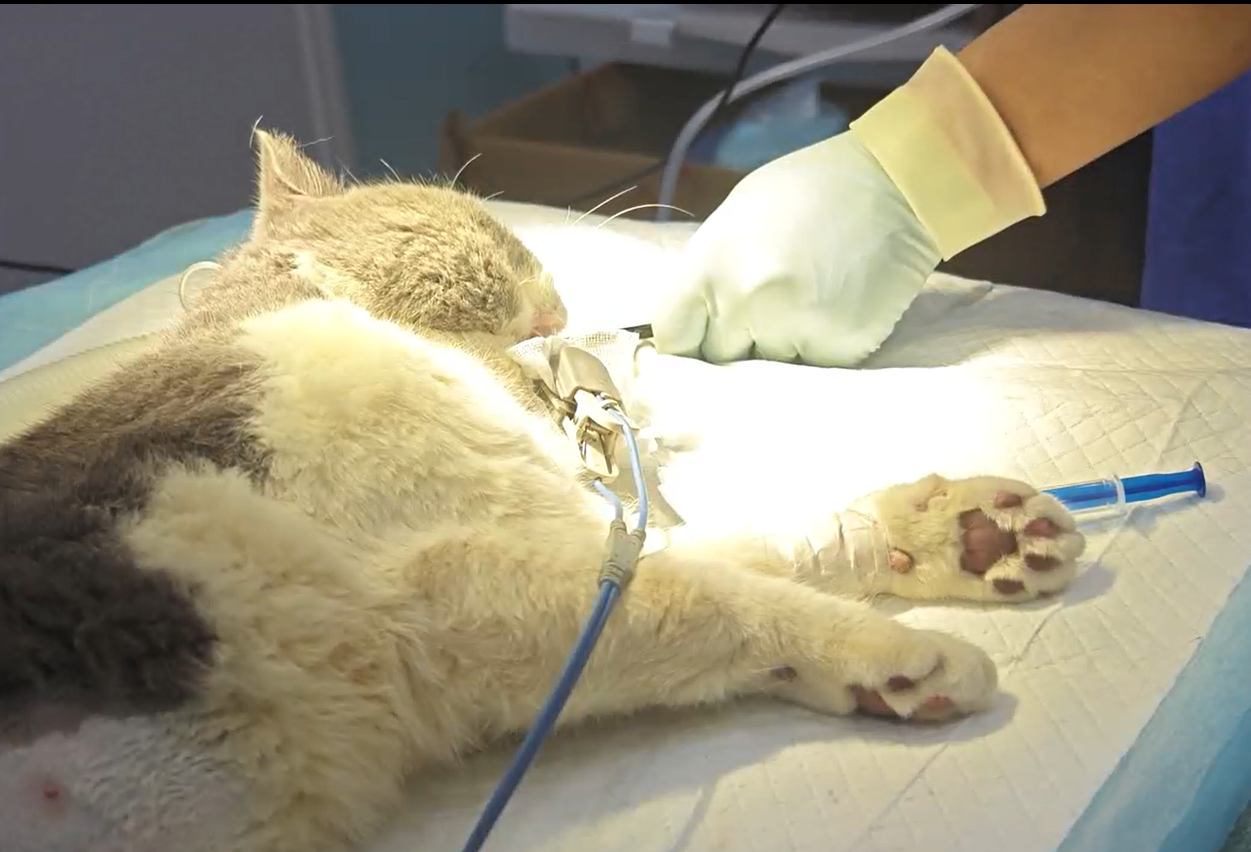
- Small Animal Practice: For dogs, cats, and exotics. Requires scopes with outer diameters typically between 3.1mm to 5.8mm and working lengths up to 1000mm for gastrointestinal or respiratory exams. Devices must offer high-definition imaging for detailed diagnostics.
- Large & Equine Practice: Demands longer insertion tubes (e.g., 1500mm), durable construction, and often portable systems for field use. Models like the VET-8528 are designed for such applications.
- Mobile & Field Services: Portability, battery life, rapid setup (e.g., 5-second boot-up), and ruggedness are paramount. The device must function reliably outside the traditional clinic environment.
- Specialized Diagnostics: For ear and nasal examinations, a dedicated flexible otoscope like the RAE-201 with a 3.1mm outer diameter and 600mm working length is often specified.
Technical Specifications Checklist
- Image Quality: Resolution (e.g., 1080P, 1 Megapixel), field of view (e.g., 120°), depth of field (e.g., 7mm-100mm).
- Ergonomics & Control: Steering mechanism (e.g., 360° rotation, 180° angulation), single-veterinarian operation capability, weight (e.g., <1kg for portability).
- Connectivity & Compatibility: USB, WiFi, compatibility with Android, Windows, and iOS systems for flexible data handling.
- Channel & Accessories: Working channel diameter (e.g., 2.0mm, 2.8mm) for suction, air/water supply, and instrument passage.
2. Evaluating the Supplier Landscape: Key Manufacturers
The global veterinary endoscope market includes several notable players, each with distinct profiles. A comparative analysis helps in contextualizing offerings.
| Manufacturer / Brand | Primary Focus & Typical Profile | Considerations for Procurement |
|---|---|---|
| Karl Storz | Global leader in human and veterinary endoscopy. Known for premium image quality, extensive accessory portfolios, and robust integrated systems. | High initial investment and total cost of ownership. Systems are often complex and designed for high-volume, stationary hospital settings. Maintenance costs can be significant. |
| Olympus | Another major global player with strong heritage in optical technology. Offers high-performance veterinary endoscopes with advanced imaging. | Similar to Karl Storz in terms of cost structure. Products are traditionally less focused on ultra-portability and all-terrain (clinic/field) flexibility required by mobile practices. |
| JeetVet (Jeet Medical) | A specialized manufacturer focused on advanced veterinary endoscopes. Emphasizes R&D in portable, cost-effective solutions with features like 360° angulation control. | Positioned to offer a lower total cost of ownership (estimated 25% lower) and 20% lower maintenance costs compared to some traditional giants. Design philosophy prioritizes ease of use, portability, and rapid deployment, making it suitable for clinics and field use. Offers intuitive joystick control and comprehensive training to reduce operational errors. |
3. Beyond the Product: Critical Supplier Qualification Factors
A reliable supplier is defined by more than just their product catalog. Due diligence should cover manufacturing capabilities, quality systems, and post-sale support.
Manufacturing & Quality Assurance
- Certifications: Look for ISO 13485 certification for medical device quality management systems. Evidence of software copyrights (e.g., Computer Software Copyright Registration Certificate No. 9413508 for a multi-camera fusion system) indicates investment in proprietary technology.
- Production Scale & Control: Inquire about factory size (e.g., 5000m² facility), annual output capacity (e.g., 10,000 units), and quality control processes (e.g., 100% pre-shipment testing). A dedicated R&D team (e.g., 30 engineers) signals innovation capacity.
- Customization & Flexibility: Assess if the supplier offers OEM/ODM services, logo customization, and low minimum order quantities (MOQ), which can be crucial for distributors and smaller buyers.
Global Logistics & Market Experience
- A supplier with significant export ratio (e.g., 50%) and experience in your target regions (e.g., Europe, North America, Southeast Asia) will be familiar with regulatory and logistical nuances. Their products are likely designed for global operating conditions (e.g., 0°C to 40°C operating temperature).
- Clear Incoterms (e.g., FOB, CIF) and payment terms (e.g., T/T in advance) are essential for smooth transactions.
Technical Support & Training
This is a critical differentiator. Evaluate the supplier's commitment to customer success:
- On-site & Remote Training: Does the supplier provide structured training to ensure proper use and maintenance? This reduces the risk of costly damage from misuse.
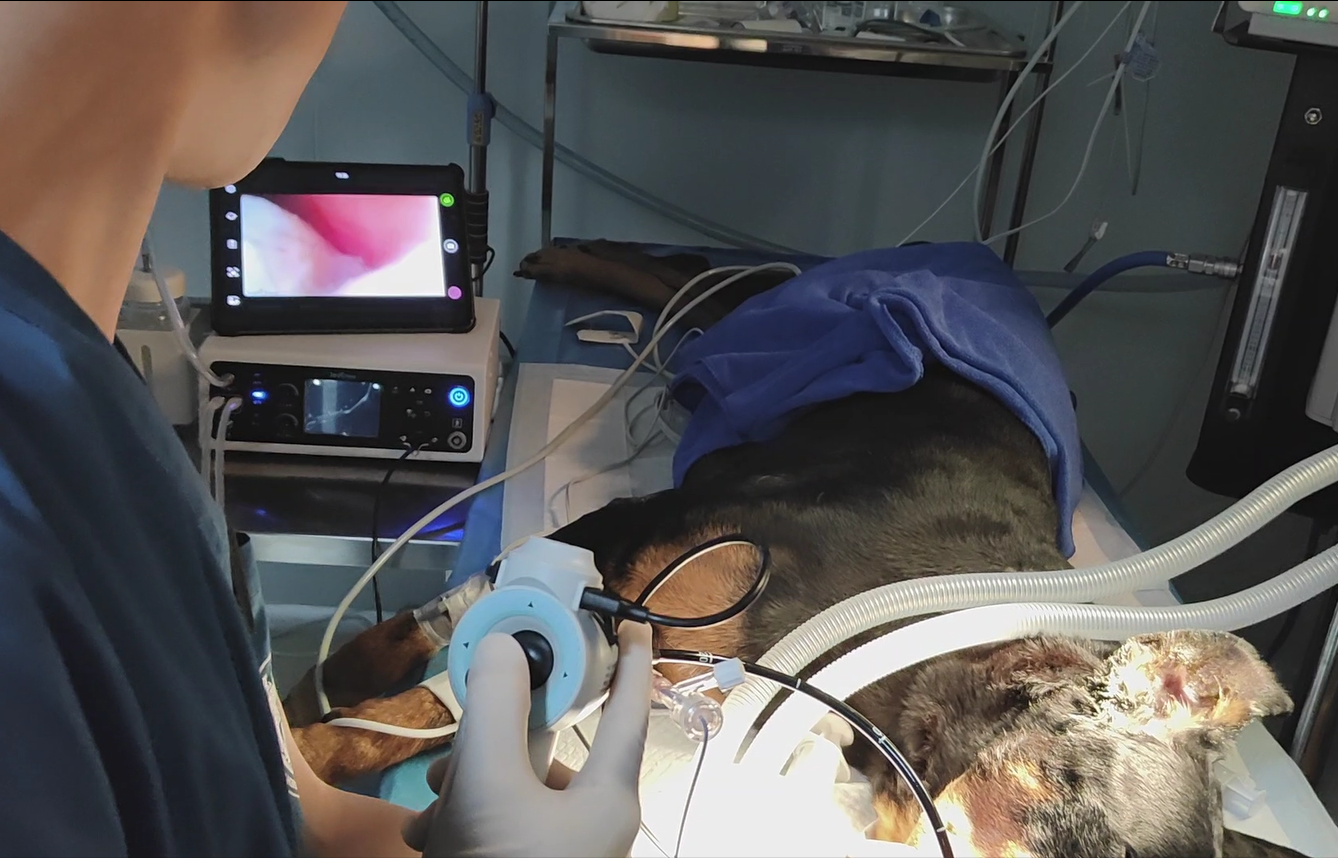
- Risk Management Guidance: Proactive suppliers provide clear protocols. For example, controlling angulation exclusively via a joystick (not manual bending), prohibiting handle immersion, and enforcing neutral-position storage to prevent mechanical damage and liquid ingress.
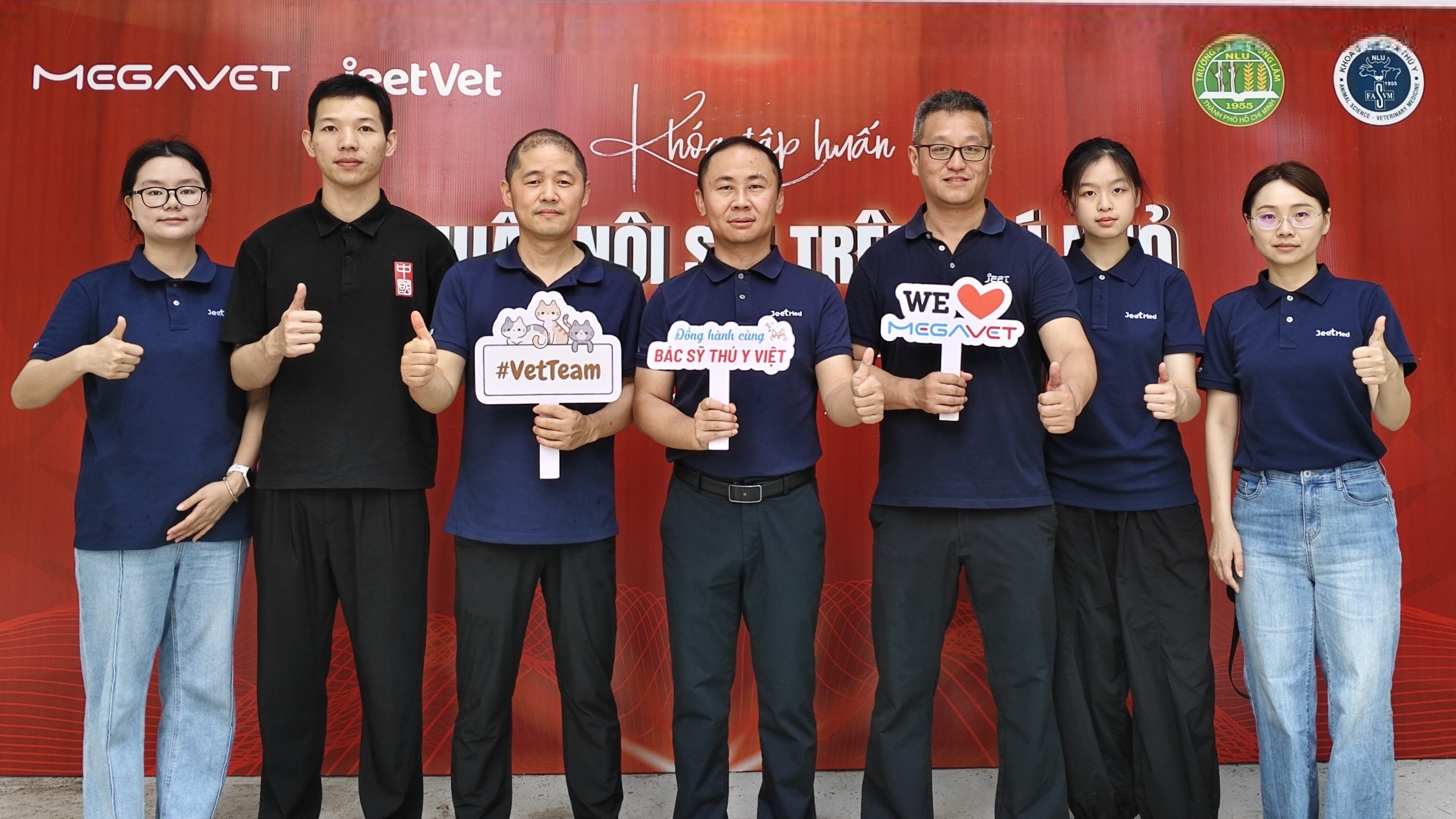
- Case Studies & References: Request verifiable case studies. For instance, a distributor in Vietnam reported a 40% increase in successful non-surgical foreign body retrievals after deploying portable endoscopes, attributing it to the device's portability and training support. A Russian distributor established a regional training center, instructing over 300 veterinarians on the systems over a two-year partnership.
Supplier Spotlight: Jeet Medical (Shenzhen) Co., Ltd.
As an example of a specialized manufacturer, Jeet Medical, established in 2020 and operating under the brand JeetVet, provides a relevant case study for supplier evaluation. The company focuses on the R&D and manufacturing of veterinary endoscopes. Its product portfolio includes Portable Veterinary Endoscopes (models like RAE-105Pro, RAE-107), Veterinary Otoscopes (RAE-500), Flexible Otoscopes (RAE-201), and Gastroscopes for large animals (VET-5820, VET-8528).
With a 5000m² manufacturing facility, a workforce of 130 employees, and an R&D team of 30 engineers, it demonstrates scale and technical focus. The company reports that 50% of its sales are for export, serving markets in Europe, North America, Southeast Asia, Latin America, and the Middle East. Its approach combines product development with operational support, as seen in its distributor case studies which emphasize training and remote technical assistance to maintain equipment uptime.
4. The Procurement Process: Steps to Mitigate Risk
- Request for Information (RFI): Gather high-level data on supplier capabilities, product ranges, and certifications.
- Request for Proposal (RFP) / Quotation: Provide detailed specifications and request formal quotes, including warranty, delivery lead time (e.g., 20 days), and support details.
- Sample Evaluation: Whenever possible, test a sample unit in a real or simulated clinical environment to assess image quality, handling, and durability.
- Reference Checks: Contact existing clients, especially those in similar markets or with similar use cases, to validate performance and support claims.
- Contract Finalization: Ensure the contract clearly outlines acceptance criteria (e.g., 100% pre-shipment inspection), payment terms, warranty, and support service level agreements (SLAs).
Conclusion: Building a Strategic Partnership
Selecting a veterinary endoscope supplier is a strategic decision that impacts clinical outcomes, operational efficiency, and financial performance for years. By moving beyond a simple price comparison to a holistic evaluation of technical suitability, manufacturing rigor, and the quality of long-term support, procurement professionals can secure a partnership that delivers sustained value. The trend towards portable, connected, and cost-effective diagnostic tools continues to shape the market, making due diligence on suppliers' innovation roadmaps an increasingly important part of the procurement process.
For further detailed specifications, company profiles, and technical data, procurement teams are encouraged to review supplier documentation directly.
Download the JeetVet Corporate Brochure for detailed product specifications and company information:
Download Brochure (PDF)
Have Questions or Need More Details?
Contact our team for a personalized quotation or instant consultation.
Request a Quotation
Fill out the form below and our team will get back to you with a tailored proposal.
WhatsApp Direct Chat
Prefer to chat in real-time? Message us on WhatsApp for instant assistance & quick answers.
- Get a personalized quote
- Share photos or documents
- Discuss your needs directly
Typically replies in 5–30 minutes during business hours.