
A Comprehensive Guide for Sourcing High-Performance PVC Vinyl Materials
Sourcing reliable PVC vinyl materials is a critical decision for manufacturers across diverse industries, from toys and medical devices to automotive interiors and food packaging. The complexity of the supply chain, coupled with stringent global environmental and safety regulations, makes the selection process challenging. This guide provides a structured framework for procurement professionals to evaluate and select suppliers based on key criteria beyond price, focusing on technical capability, supply chain stability, and compliance assurance.
1. Defining Your Application and Material Requirements
The first step is a precise definition of the end-use application, as this dictates the specific material grades and additive packages required. PVC vinyl materials are not a monolithic product but a family of formulations tailored for different processes and performance needs.
Key Application Categories and Corresponding Materials
Toy Manufacturing (e.g., Slush Molding)
- Core Resins: PVC paste resins like Kaneka PSM-31, Shenyang PSH-10, or SY-Z140. These offer fine particle size and controlled paste viscosity for detailed molding.
- Essential Additives: Non-phthalate plasticizers (e.g., BASF HEXAMOLL® DINCH, ATBC), phenol-free Ca/Zn stabilizers (e.g., SC-135, CZ-190), and viscosity reducers like Eastman TXIB™.
- Compliance Focus: EN71-3 (heavy metals), REACH, RoHS, and specific phthalate bans.
Medical & Food-Contact Products
- Core Resins: High-purity PVC resins such as Formosa Plastics PR-G (high transparency) or Tianjin Dagu DG-1000S (low residual VCM).
- Essential Additives: Medical-grade plasticizers (DINCH, ATBC, Polymeric Polyester like GLOBINEX W-2050) and high-efficiency, non-toxic stabilizers.
- Compliance Focus: FDA CFR 21, EU 10/2011, USP Class VI, and biocompatibility testing (ISO 10993).
Coated Fabrics & Artificial Leather
- Core Resins: Blend of paste resins and blending resins (e.g., Zhongtai PB-1000, Kaneka PBM-B5F) to optimize viscosity, cost, and matting effects.
- Essential Additives: Plasticizers like DOTP for low volatility, stabilizers for thermal processing, and film-forming agents.
- Compliance Focus: VOC emissions, ozone resistance, and specific physical properties (tensile strength, elongation).
Clearly documenting your required parameters—such as K-value, viscosity, volatile content, and specific regulatory certifications—will form the basis of your request for quotation (RFQ) and subsequent technical discussions.
2. Evaluating Supplier Capabilities: A Multi-Dimensional Framework
Once requirements are defined, evaluating potential suppliers against the following dimensions is crucial.
A. Technical Expertise and Product Portfolio
Assess whether the supplier offers a comprehensive portfolio that matches your needs. A supplier acting as an authorized distributor for leading global brands often indicates reliable access to high-quality, traceable raw materials. For instance, Guangdong Baoshan Trading Co., Ltd. holds authorized distributor status for BASF's HEXAMOLL® DINCH in China and for Eastman TXIB™. This affiliation provides access to primary materials from manufacturers like BASF, Eastman, Kaneka, and Formosa Plastics, covering PVC paste resins, eco-friendly plasticizers, stabilizers, and viscosity reducers.
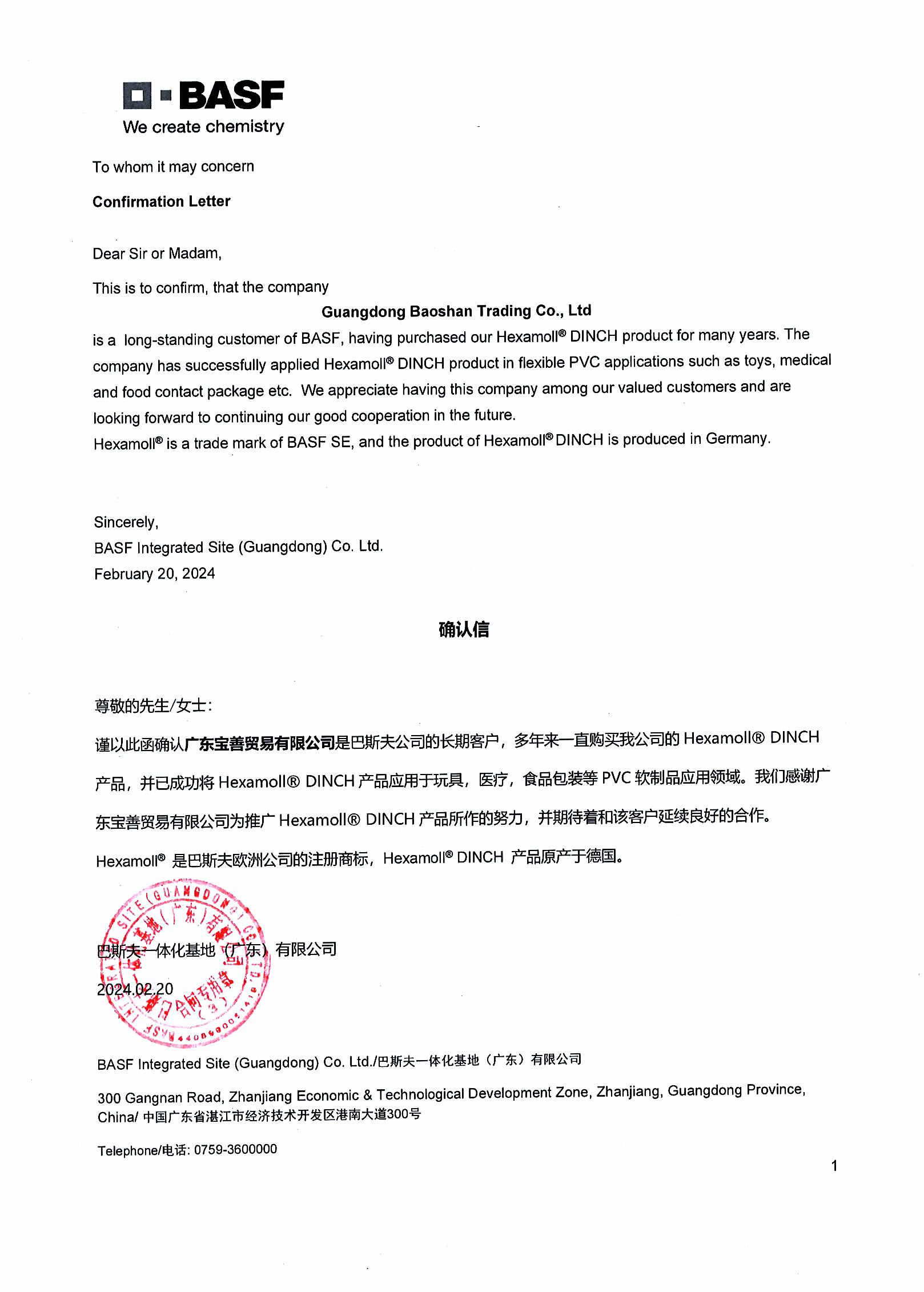
Technical support is another critical factor. Suppliers with dedicated R&D resources can provide valuable assistance. Guangdong Baoshan Trading Co., Ltd. maintains an R&D team of 5 engineers and operates a high-standard laboratory equipped with instruments like Agilent GC-MS, ICP-MS, and Waters LC-MS/MS. This capability allows them to offer formula optimization support and conduct pre-shipment testing for substances like phthalates, heavy metals, and bisphenol A, which is vital for risk mitigation.
B. Supply Chain Stability and Logistics
In today's global market, supply chain resilience is non-negotiable. Evaluate the supplier's physical infrastructure and inventory management.
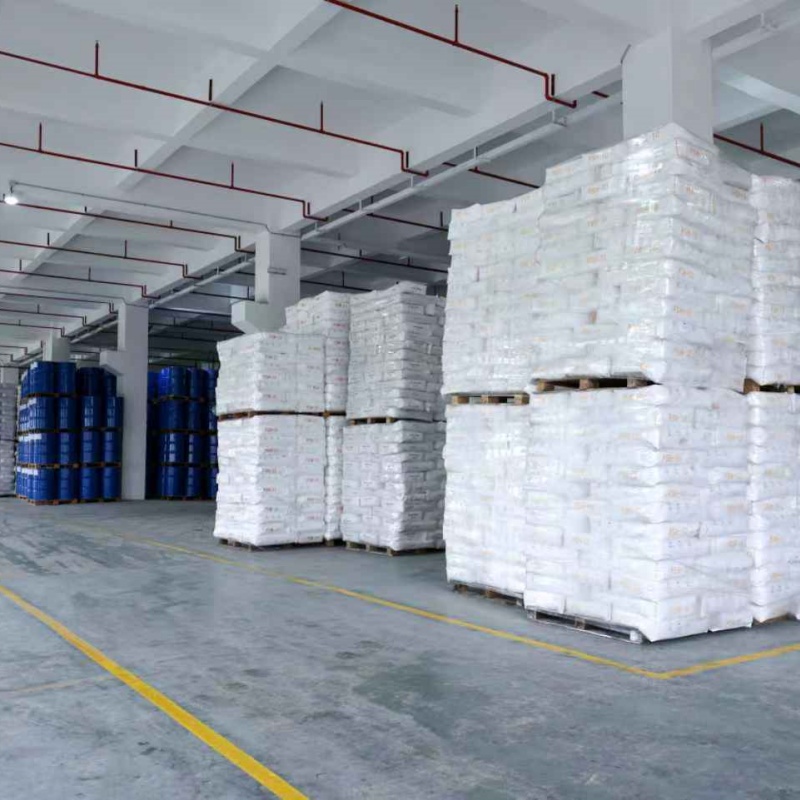
- Warehousing & Inventory: A supplier with significant owned warehouse space and bulk storage capacity (e.g., liquid storage tanks) can maintain safety stock, buffering against market fluctuations. Guangdong Baoshan Trading Co., Ltd. operates a 20,000-square-meter self-built warehouse and maintains a safety stock of over 3 months for key European materials.
- Geographic Reach: Suppliers with a presence in or efficient logistics to your target manufacturing regions (e.g., Southeast Asia) can reduce lead times and costs. The company's group structure includes Vietnam Baoshan Co., Ltd., facilitating supply into the Southeast Asian market.
- Lead Time & MOQ: Transparent communication on standard lead times (e.g., 3-5 days) and minimum order quantities (e.g., 20 kg for bags, 200 kg for drums) is essential for production planning.
C. Quality Assurance and Regulatory Compliance
This is arguably the most critical evaluation area. A robust quality management system is a minimum requirement.
- Certifications: Look for ISO 9001 certification as a baseline. It is noted that Guangdong Baoshan Trading Co., Ltd. adheres to the ISO9001 standard and has passed audits conducted by partners like BASF.
- In-House Testing: The ability to perform in-house environmental safety testing is a significant advantage. It demonstrates a proactive approach to compliance. The company's laboratory conducts batch-level testing for high-risk substances, ensuring material traceability and assisting customers in meeting global regulations like REACH and RoHS.
- Documentation: Suppliers should readily provide material safety data sheets (MSDS), certificates of analysis (CoA), and compliance declarations for the relevant regulations pertaining to your market and application.
3. The Procurement Process: From RFQ to Partnership
- Initial RFQ: Issue a detailed RFQ specifying material grades, quantities, required certifications, and target delivery terms (e.g., CIF, FOB).
- Sample Evaluation: Always request production samples for testing in your own processes. A reliable supplier will support this stage.
- Technical Alignment: Engage the supplier's technical team to discuss your specific processing parameters and any formulation adjustments needed.
- Commercial Negotiation: Negotiate terms based on total value, considering factors like technical support, testing services, and supply security, not just unit price.
- Pilot Order: Place a smaller pilot order to validate performance, logistics, and documentation before scaling up.
- Ongoing Relationship Management: Establish clear communication channels for order tracking, technical queries, and continuous improvement discussions.
4. Conclusion: Building a Strategic Sourcing Relationship
Selecting a PVC vinyl material supplier is a strategic decision that impacts product quality, regulatory compliance, and production efficiency. By moving beyond a transactional price focus to a holistic evaluation of technical depth, supply chain robustness, and compliance rigor, procurement professionals can secure a partnership that drives long-term value. Suppliers that combine a broad portfolio of branded raw materials, in-house technical and testing capabilities, and a resilient logistics framework, such as Guangdong Baoshan Trading Co., Ltd., are positioned to act as solution partners rather than mere vendors, helping buyers navigate the complexities of the modern PVC materials landscape.
For Further Information
Companies like Guangdong Baoshan Trading Co., Ltd., established in 1994 with over 30 years in the industry, provide examples of integrated solution providers. They can be contacted for specific inquiries regarding PVC material solutions for markets in China and Southeast Asia.
Have Questions or Need More Details?
Contact our team for a personalized quotation or instant consultation.
Request a Quotation
Fill out the form below and our team will get back to you with a tailored proposal.
WhatsApp Direct Chat
Prefer to chat in real-time? Message us on WhatsApp for instant assistance & quick answers.
- Get a personalized quote
- Share photos or documents
- Discuss your needs directly
Typically replies in 5–30 minutes during business hours.