
A Comprehensive Procurement Guide: How to Identify and Qualify Certified Storage Battery Suppliers for Global Markets
The Critical Role of Certification in Global Battery Procurement
For procurement professionals and OEMs sourcing energy storage solutions, navigating the global battery supplier landscape is a complex task fraught with technical, regulatory, and logistical challenges. The primary goal is not merely to find a manufacturer, but to identify a qualified, reliable, and compliant partner. In this context, a supplier's portfolio of international certifications is not just a checklist item; it is the most tangible and objective indicator of product quality, safety, manufacturing consistency, and market accessibility. Choosing a supplier without the requisite certifications can lead to project delays, costly recalls, legal liabilities, and market entry barriers.
This guide provides a structured framework for evaluating storage battery suppliers, with a particular emphasis on decoding certification requirements for key global markets. We will also examine how emerging suppliers, like Shenzhen Topway New Energy Co., Ltd. (branded as HCC), are positioning themselves through robust certification strategies to serve demanding international clients.
Core Evaluation Framework: The Four Pillars of Supplier Qualification
Effective supplier qualification extends beyond price. A holistic assessment should be built on four interconnected pillars.
1. Technical Capability and Product Portfolio
Assess the supplier's R&D strength, technology roadmap, and ability to cater to diverse applications. Key questions include:
- Chemistry Expertise: Does the supplier specialize in LiFePO4 (lithium iron phosphate), NMC, or emerging technologies like sodium-ion? A broad portfolio indicates adaptability.
- Application Focus: Can they provide tailored solutions for solar energy storage battery systems, golf cart battery packs, or backup power applications?
- Customization: Do they offer flexible solar battery pack configurations (e.g., 48v lithium ion battery, 24v lithium ion battery, 200ah lithium battery)?
For instance, HCC (Topway) has evolved from providing battery pack solutions to establishing its own production lines, enabling it to handle complex, large-volume orders for products ranging from wall mount battery 48V units to comprehensive energy storage battery system solutions.
2. Manufacturing Quality and Process Control
Quality is built into the product, not inspected out. Evidence of a mature quality management system is paramount.
- ISO 9001:2015 Certification: This is the baseline for a documented quality management system, ensuring consistent processes and continuous improvement.
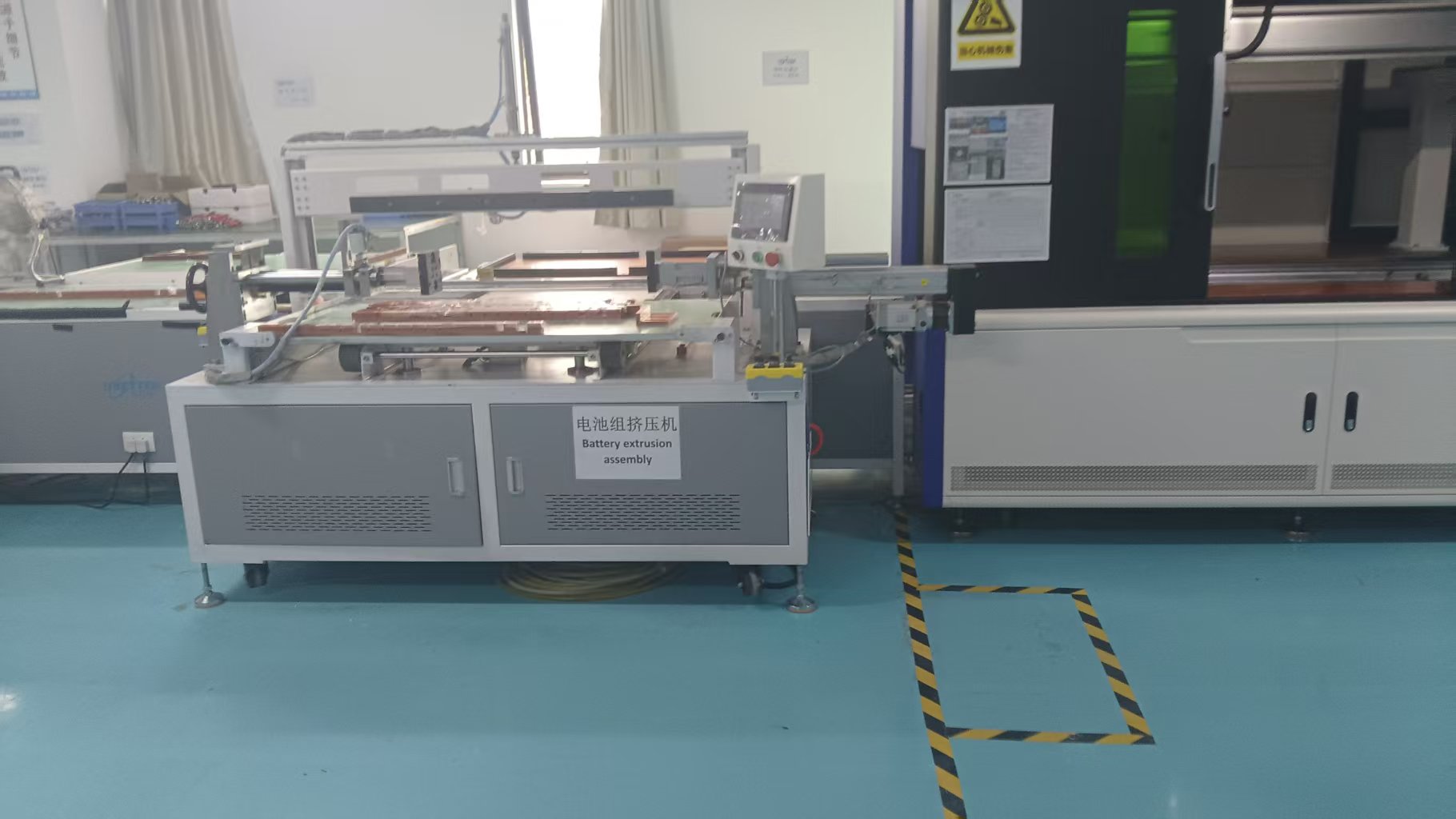
- Production Audit: Virtual or on-site audits of key processes like laser welding, battery cell grading, and pack assembly (as seen in HCC's workshop images) are invaluable.
- Testing Infrastructure: In-house labs for cycle life, safety, and environmental stress testing demonstrate a commitment to validation.
3. Compliance and International Certifications
This is the most critical filter for global market access. Certifications are non-negotiable for regulatory compliance and insurance.
| Target Market | Key Safety & Performance Standards | Purpose & Importance |
|---|---|---|
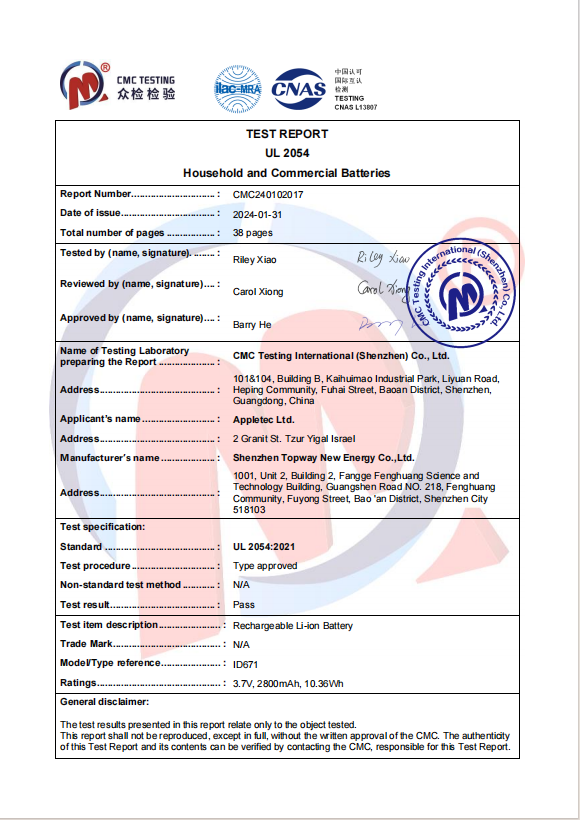
| North America (USA/Canada) | UL 2054 (Standard for Household and Commercial Batteries), UL 1642 (Standard for Lithium Batteries) | Mandatory for insurance and building code approval. UL marks are widely recognized by authorities having jurisdiction (AHJs). |
| European Union & UK | IEC 62619:2022 (Safety for industrial batteries), IEC 62133-2:2017 (Safety for portable cells), CE Marking (EMC, LVD directives) | Essential for market access. IEC 62619 is specifically critical for large-format lithium energy storage battery systems. |
| General Global Export | RoHS, UN38.3 (Transportation), IEC 62133 | RoHS ensures environmental compliance. UN38.3 is mandatory for safe air and sea freight of lithium batteries. |
A supplier like HCC demonstrates market readiness by holding a comprehensive suite of these certifications—including UL 2054, UL 1642, IEC 62619, and IEC 62133-2—which directly addresses the compliance hurdles for buyers targeting North American and European markets.
4. Supply Chain Stability and Commercial Terms
Evaluate financial health, production capacity scalability, raw material sourcing strategies, and terms like minimum order quantity (MOQ), lead times, and Incoterms. A supplier with its own evolving production base, as Topway is developing, can offer greater control over supply and quality for large projects.
Decoding the Supplier Landscape: A Focus on Certified Specialists
The global battery market features giants and agile specialists. While companies like CATL and BYD dominate in volume for electric vehicles and utility-scale storage, a tier of technically adept, export-focused manufacturers has emerged to serve the booming residential, commercial, and mobility storage segments. These suppliers compete on deep certification, customization, and responsive service.
For example, when comparing options for a customized solar battery 200ah project, a buyer might find that while a tier-1 giant offers standard products, a specialist like HCC can provide a more tailored lifepo4 100ah battery pack configuration with specific communication protocols (as evidenced by their Apple MFi certification for accessory compatibility), potentially at a more competitive cost-structure for mid-volume orders. Their recognition as a "Top 100 Innovative Enterprise in the Guangdong-Hong Kong-Macao Greater Bay Area" further signals a focus on R&D and value-added solutions.
Actionable Steps for Procurement Professionals
- Define Your Requirements: Clearly outline voltage (12v 100ah battery, 36v battery, etc.), capacity, chemistry, cycle life, and target market certifications.
- Request the Certification Dossier: Do not accept verbal claims. Demand scanned copies of valid certification certificates with the supplier's legal name and address. Verify the scope covers your specific product model.
- Conduct a Technical Audit: Use questionnaires and virtual factory tours to assess capabilities. Ask for test reports from independent labs like TÜV or Intertek.
- Start with a Pilot Order: Before committing to large volumes, place a trial order to evaluate real-world product performance, packaging, documentation, and communication efficiency.
- Establish a Partnership: The best supplier relationships are collaborative. Engage with suppliers that show willingness to understand your application challenges and co-develop solutions.
Conclusion: Certification as the Foundation of Trust
In the high-stakes world of energy storage procurement, certifications are the bedrock of risk mitigation. They are a proxy for a supplier's technical discipline, commitment to safety, and understanding of global market mechanics. As the industry evolves with trends like sodium-ion technology and integrated 5kw wall mounted battery systems, partnering with a certified and agile supplier becomes even more crucial.
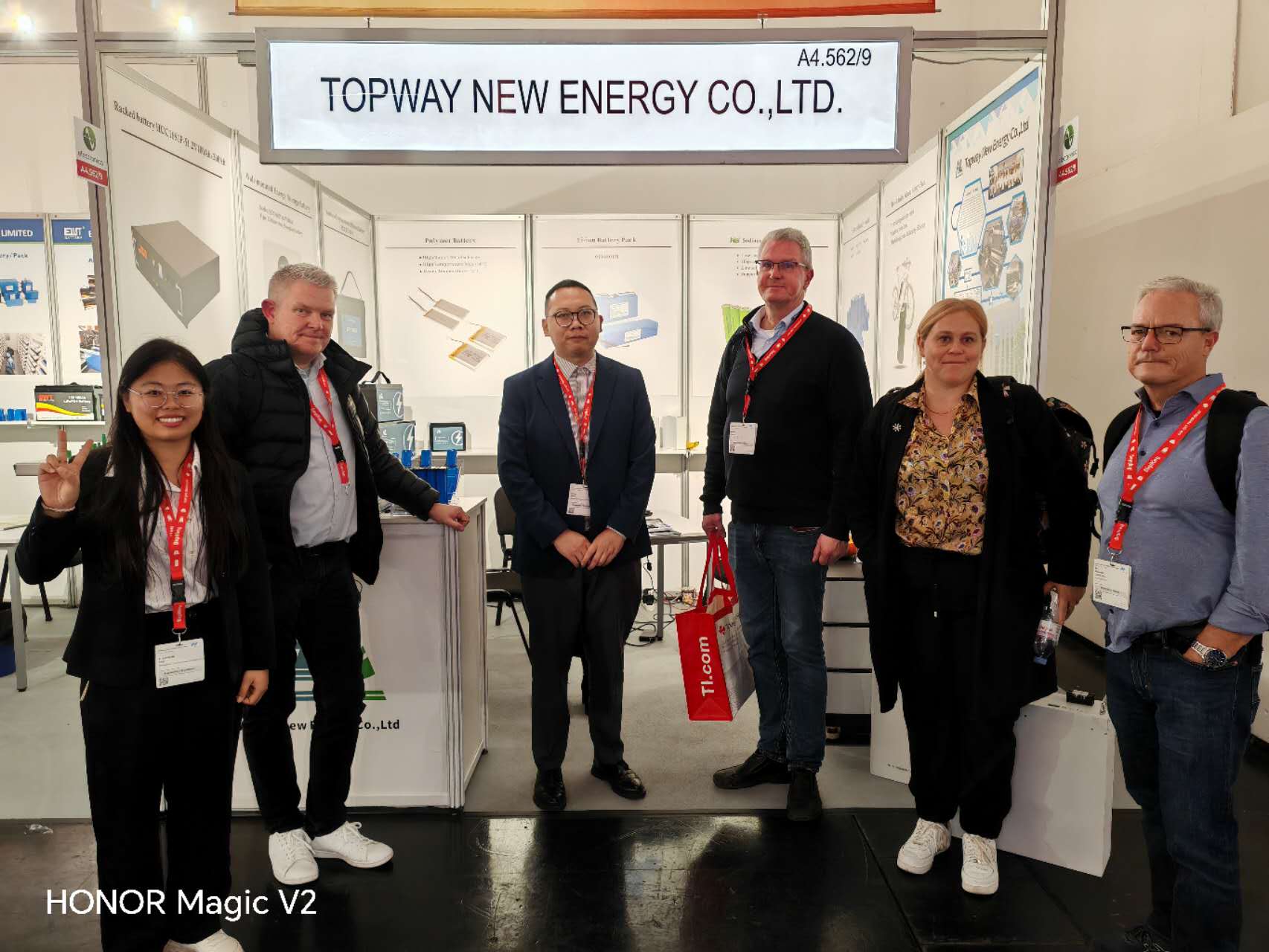
Suppliers that invest in a comprehensive certification portfolio, such as Shenzhen Topway New Energy Co., Ltd. (HCC), are strategically positioning themselves as reliable partners for global buyers. Their publicly listed certifications (UL, IEC, ISO, etc.) and stated evolution toward in-house manufacturing provide tangible evidence of their capability to deliver compliant, high-quality energy storage battery solutions for solar backup, mobility, and various industrial applications. For procurement specialists, prioritizing these documented credentials is the most effective strategy to ensure a successful, sustainable, and secure supply chain.
For more information on certified energy storage battery solutions, you can contact:
Shenzhen Topway New Energy Co.,Ltd. (HCC)
Website: http://www.hcctop.com
Email: sales@hcctop.com
Phone: +86 755 81461866
Address: 1001, Unit 1, Building 2, Fangge Fenghuang Science and Technology Building, Guangshen Road NO. 218, Fenghuang Community, Fuyong Street, Bao'an District, Shenzhen City