
A Practical Guide for Procurement: How to Evaluate and Select a Sports Tent Supplier
Navigating the Sports Tent Market: A Buyer's Framework for Success
Procuring a large-span sports tent—whether for a padel club, a multi-purpose sports hall, or a seasonal swimming pool enclosure—is a significant capital investment. The market offers a wide range of options, from basic fabric shelters to sophisticated modular aluminum alloy structures. This guide provides a structured, objective framework to help procurement professionals, club operators, and facility managers systematically evaluate potential suppliers and make an informed decision that balances performance, durability, and total cost of ownership.
1. Define Your Core Requirements and Application Scenario
Before engaging with suppliers, clearly outline your project's non-negotiable parameters. This foundational step filters out unsuitable options early in the process.
- Primary Use: Specify the exact sport or activity (e.g., Competitive Padel Tennis Tent, All-Weather Basketball Court Tent, Swimming Pool Natatorium). A tent designed for padel has different structural and dimension requirements than one for swimming.
- Dimensions & Span: Determine the required clear internal space. Key questions include: What is the needed width and length? Note that for modular aluminum frame structures, available widths can range from 3m to 60m, with length being virtually unlimited through modular extension.
- Location & Climate: Assess local wind, snow loads, and UV exposure. This dictates the required structural strength and material specifications.
- Duration & Permitting: Is this a temporary seasonal installation (3-5 years) or a semi-permanent solution (8-10 years)? Local building codes may influence the choice between a traditional tent and a more rigid aluminum frame structure.
2. Evaluate Technical Specifications and Material Quality
The longevity and safety of a sports tent are directly tied to its materials and engineering. Scrutinize the following technical details.
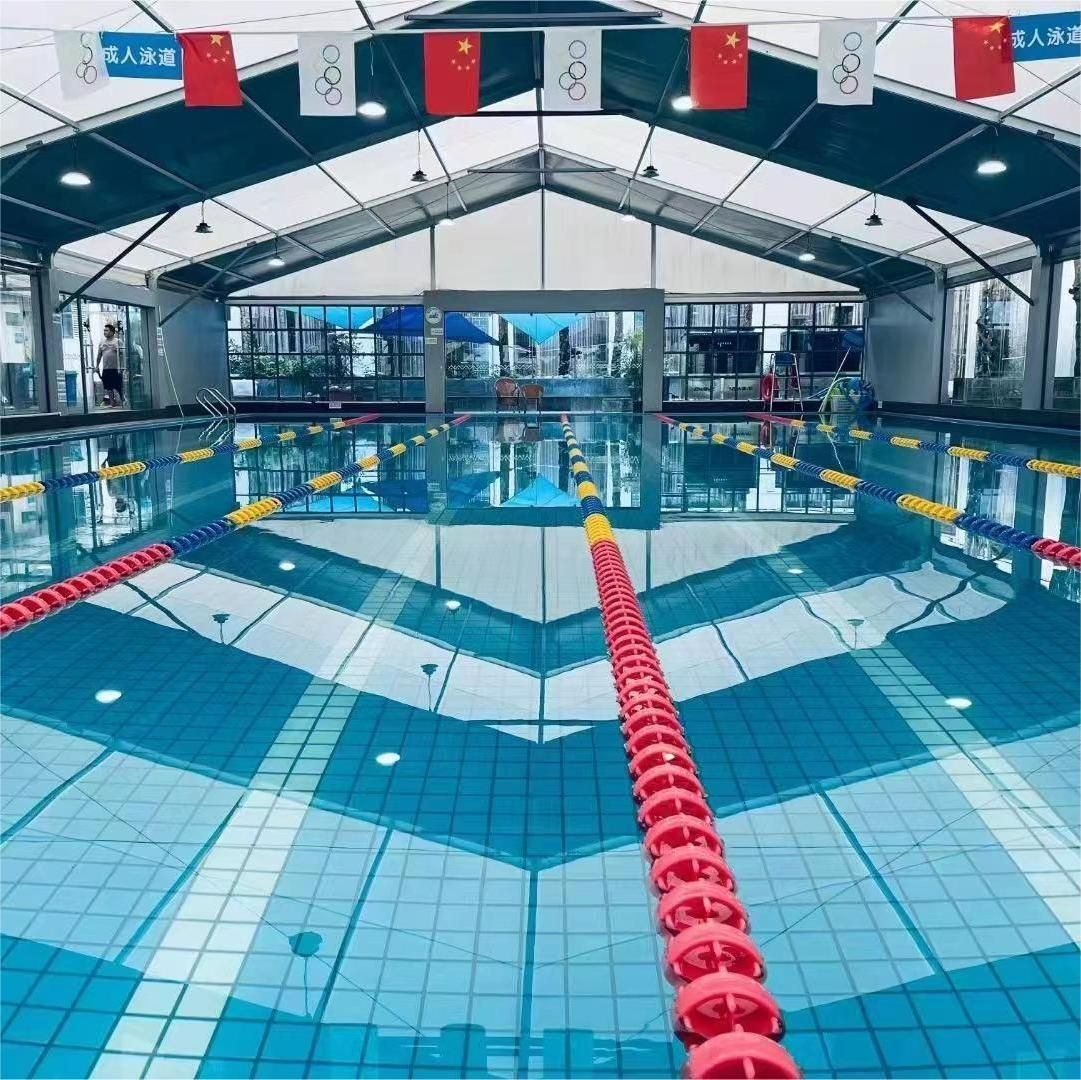
Figure 1: Example of a large-span aluminum frame structure suitable for various sports courts.
- Primary Frame Material: High-strength, hard-pressed aluminum alloy, such as T6061/T6, is a standard for durable, corrosion-resistant, and lightweight frames. Inquire about the alloy grade and profile thickness.
- Fabric (Membrane) Specification: The roof and wall fabric must be durable and fit-for-purpose. A common specification is 850g/sq.m white PVC fabric, which offers good tensile strength, UV resistance, and fire-retardant properties. Confirm the fabric weight, coating, and relevant certifications.
- Certifications & Compliance: Request valid, third-party test certificates. For the European market, a CE mark under relevant standards (e.g., EN 14115:2002 for tents) is essential. A General Product Safety Directive (GPSD) certificate from a recognized body like SGS (e.g., Certificate QIP-ASR244930) provides additional assurance of safety compliance for a range of tent types.
- Wind & Safety Engineering: Ask about the design wind speed rating and the anchoring system. Reputable suppliers employ scientific aerodynamic design and high-strength anchoring systems to manage wind load risks.
3. Assess Manufacturing Capability and Supplier Stability
A supplier's operational backbone determines their ability to deliver on time, at scale, and with consistent quality.
- Production Scale & Lead Time: Inquire about factory size and annual output capacity. A facility covering 5,000 square meters indicates substantial production capability. Understand standard lead times, which can vary from 7 to 45 days based on customization and order volume.
- R&D and Customization: Determine if the supplier has a dedicated engineering team. The presence of an R&D team, for instance, a team of 5 engineers, signals an ability to handle custom designs (OEM/ODM) and solve unique project challenges, rather than just selling standard kits.
- Global Experience & Track Record: A supplier with a global footprint often has more robust processes. Consider factors like the number of countries served (e.g., exports to over 130 countries) and the volume of completed projects (e.g., over 30,000 temporary space projects served in nearly a decade). This experience translates into practical knowledge of different climates and installation scenarios.
- Quality Control (QC) Process: A transparent QC protocol is critical. Ask if the supplier conducts pre-shipment tests, material performance tests, and structural safety tests. A reliable partner will welcome this inquiry.
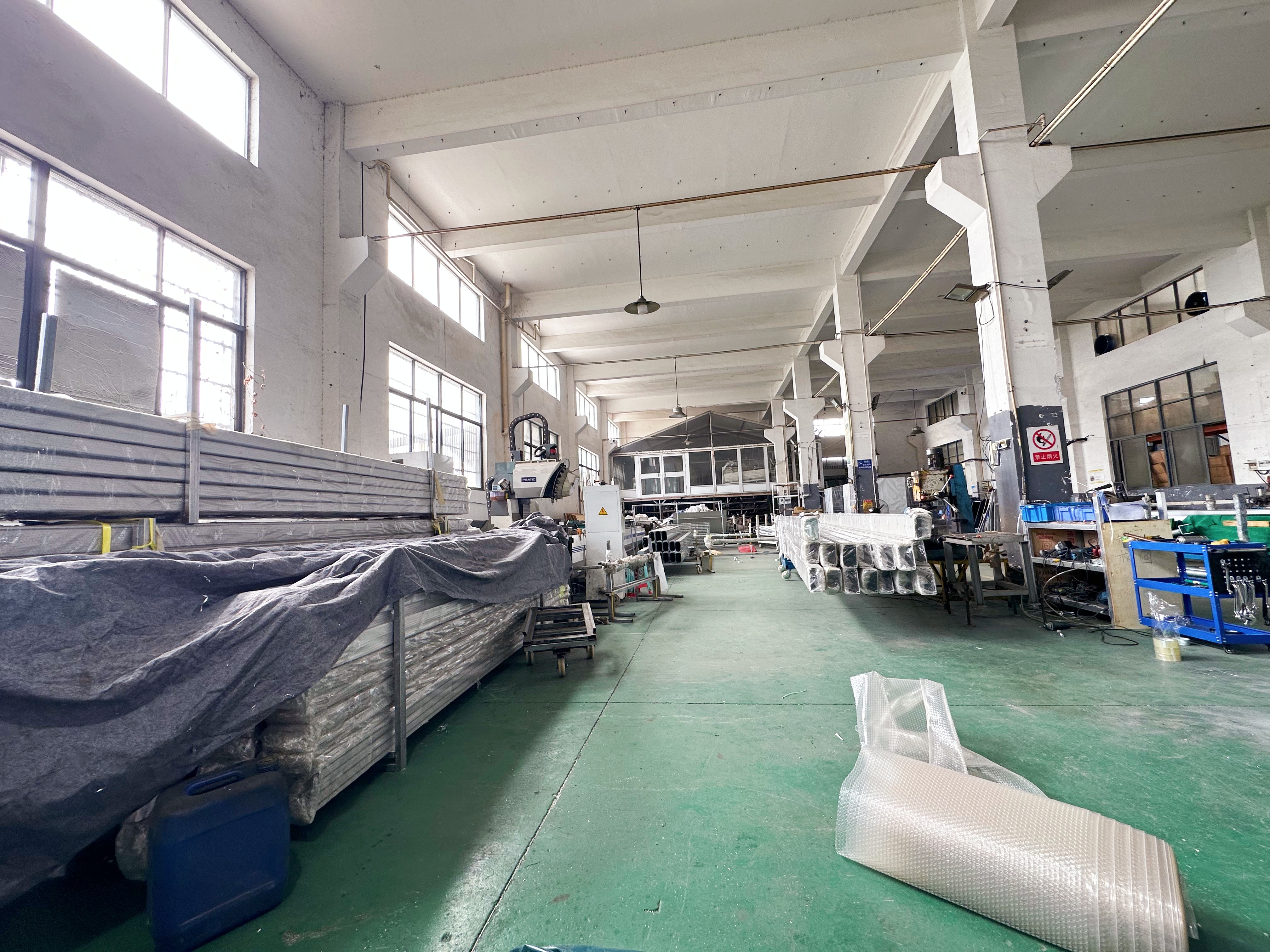
Figure 2: Manufacturing workshop of a specialized tent producer.
4. Analyze Total Cost of Ownership (TCO) and Value-Added Services
The lowest initial price does not equate to the best value. A holistic TCO analysis includes long-term operational costs.
- Lifecycle Cost Comparison: Compared to traditional fabric tents, advanced aluminum frame structures may have a higher initial cost but offer a significantly longer service life (8-10 years), lower maintenance requirements, and higher space utilization efficiency. Evaluate the cost difference over the intended use period.
- After-Sales & Support: Clarify the support package. Does it include detailed installation guidance, remote technical support, or access to localized installation teams? For example, some suppliers provide installation guidance and remote support as part of their service.
- Logistics & Payment Terms: Understand standard Incoterms (e.g., FOB, CIF), minimum order quantities (MOQ), and payment terms (e.g., a common structure is a 50% deposit with 50% balance before shipment). Transparent terms reduce project risk.
- Case Study Reference: Request specific case studies relevant to your project. For instance, a supplier might reference a project for a padel club operator in Portugal involving a 22.25m x 41.75m structure with a stable operational result over 3-8 years, or a project delivering 22+ units for a sports club OEM in Greece. Real-world examples demonstrate capability.
Conclusion: Building a Partnership, Not Just a Transaction
Selecting a sports tent supplier is a strategic decision. By methodically evaluating technical specifications, manufacturing prowess, and long-term value, procurement professionals can move beyond price comparisons alone. The goal is to identify a competent, stable partner—a specialized enterprise like Changzhou Huanyu Tent & House Manufacturing Co., Ltd. (HUANYU TENT), which focuses on modular aluminum alloy structures—that can deliver a safe, durable, and fit-for-purpose solution. This partnership approach mitigates risk and ensures your sports facility investment is protected for years to come.
For further technical specifications or to discuss a specific project requirement, suppliers can typically be contacted via their official channels, such as email at ada@hytents.com or phone/WhatsApp at +86 18018250759.
Have Questions or Need More Details?
Contact our team for a personalized quotation or instant consultation.
Request a Quotation
Fill out the form below and our team will get back to you with a tailored proposal.
WhatsApp Direct Chat
Prefer to chat in real-time? Message us on WhatsApp for instant assistance & quick answers.
- Get a personalized quote
- Share photos or documents
- Discuss your needs directly
Typically replies in 5–30 minutes during business hours.