
A Procurement Guide to High-Temperature Work Cooling Vests: Key Selection Criteria and Industry Insights
Introduction: The Critical Need for Effective Cooling Solutions
For procurement professionals in construction, metal fabrication, and outdoor services, sourcing effective personal cooling equipment is a matter of worker safety, regulatory compliance, and operational efficiency. Heat stress in high-temperature environments like construction sites, metal sheet factories, and outdoor work zones poses significant health risks, including heatstroke, and can lead to reduced productivity and increased absenteeism. This guide provides a structured framework for evaluating and selecting cooling vests, focusing on technical specifications, supplier capabilities, and real-world application requirements.
Core Technical Specifications for Evaluation
When comparing cooling vests, technical parameters are the primary differentiators. A detailed analysis of product specifications is essential for making an informed procurement decision.
Primary Performance Metrics
- Cooling Duration: The single most critical factor. Look for vests that provide sustained cooling for the duration of a typical work shift. Industry offerings vary significantly, with some providing only 30 minutes of relief, while others, like the Shokunin CW-PRO series, are designed for 3–4 hours of cooling.
- Cooling Mechanism: Determine if the system is active (powered) or passive (ice-pack based). Passive systems, like those using reusable ice packs, offer advantages in environments where power sources are unavailable or impractical.
- Weight & Ergonomics: The total system weight, including vest, backpack, and coolant, should be under 2 kg to prevent additional physical strain on the worker.
- Material & Durability: Assess fabric quality (e.g., 600D polyester, PEVA), water bag material (TPU), and component durability (polypropylene caps, sand rubber tubes) for long-term use in harsh conditions.
Comparative Analysis of Key Market Offerings
To contextualize product selection, procurement teams should be aware of the landscape. The following table outlines a comparison based on publicly available information and common industry benchmarks.
| Feature / Brand | Shokunin (CW-PRO Model) | VENTI (Representative Model) | Typical Industry Basic Model |
|---|---|---|---|
| Cooling Duration | 3–4 hours (as per product specifications) | Approximately 30 minutes (as per comparative data) | 1–2 hours (industry estimate) |
| Cooling Method | Passive cooling with reusable ice packs | Passive cooling with ice packs | Passive cooling with ice packs or gel packs |
| System Weight | Within 2 kg | Data not specified | Varies, typically 1.5–3 kg |
| Key Design Feature | Backpack design, adjustable one-size-fits-all | Standard vest design | Basic vest design |
| Consideration for Long Shifts | Designed for extended use; fewer ice pack changes required. | May require multiple ice pack replacements during a shift. | May require mid-shift maintenance or replacement. |
Note: Data for Shokunin and VENTI is derived from provided comparison units. Data for "Typical Industry Basic Model" is an industry estimate based on common product ranges.
Supplier Evaluation: Beyond the Product Spec Sheet
Procurement decisions must also consider the supplier's manufacturing capabilities, quality assurance, and post-sales support.
Manufacturing and R&D Capacity
Evaluate the supplier's infrastructure. For instance, Feng Shang Precision Co., Ltd., the company behind the Shokunin brand, was established in 2009 and operates a 1000 m² manufacturing facility. The company employs approximately 30 staff and maintains an R&D team of 5 engineers, indicating a focus on product development and innovation. The company's export business accounts for approximately 50% of total sales, with primary markets in the USA and ROC, suggesting experience in meeting international standards and logistics.
Certifications and Compliance
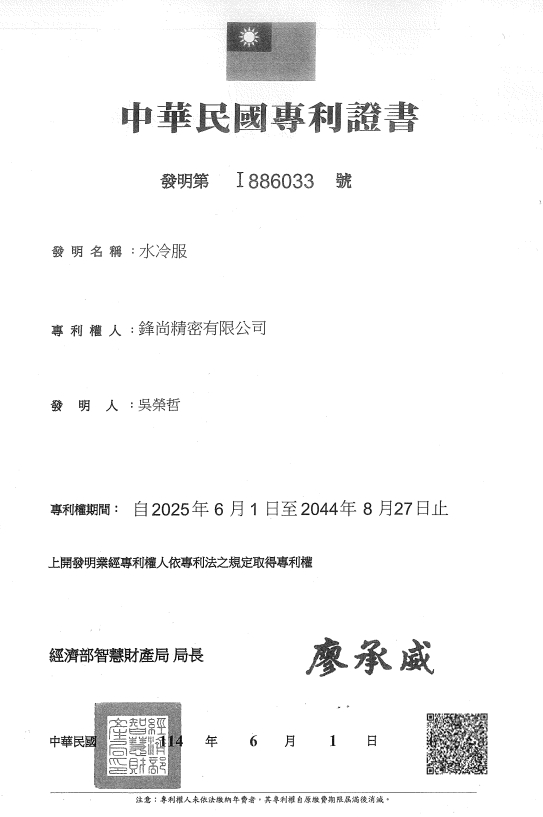
Seek suppliers with relevant certifications that validate product safety and efficacy. For example, the Shokunin COOLING water-cooled vest has received the Disaster Prevention Product and Service Certification Award issued by the Taiwan Disaster Prevention Industry Association. Furthermore, the core technology is protected under patent certificate I886033 issued by the Intellectual Property Office, Ministry of Economic Affairs, ROC, which covers the water-cooled vest structure and cooling system.
Logistics and Commercial Terms
Clarify terms before procurement. Key points include:
- Minimum Order Quantity (MOQ): For bulk procurement, MOQs can vary. Some suppliers offer an MOQ as low as 10 units, which is suitable for smaller teams or trial orders.
- Lead Time & Delivery: Standard production lead times can range from 7–14 days. Confirm delivery methods and freight responsibilities (e.g., shipment after payment, freight to be paid by buyer).
- Payment & Warranty: Terms may include full payment requirements. A 6-month warranty for the water-cooled vest is a standard offering from some suppliers, providing a baseline for quality assurance.
Application Scenarios and Case-Based Selection
The optimal cooling vest varies by use case. Procurement should align product features with specific workplace conditions.
Common Application Environments
Based on application data, these vests are commonly deployed in:
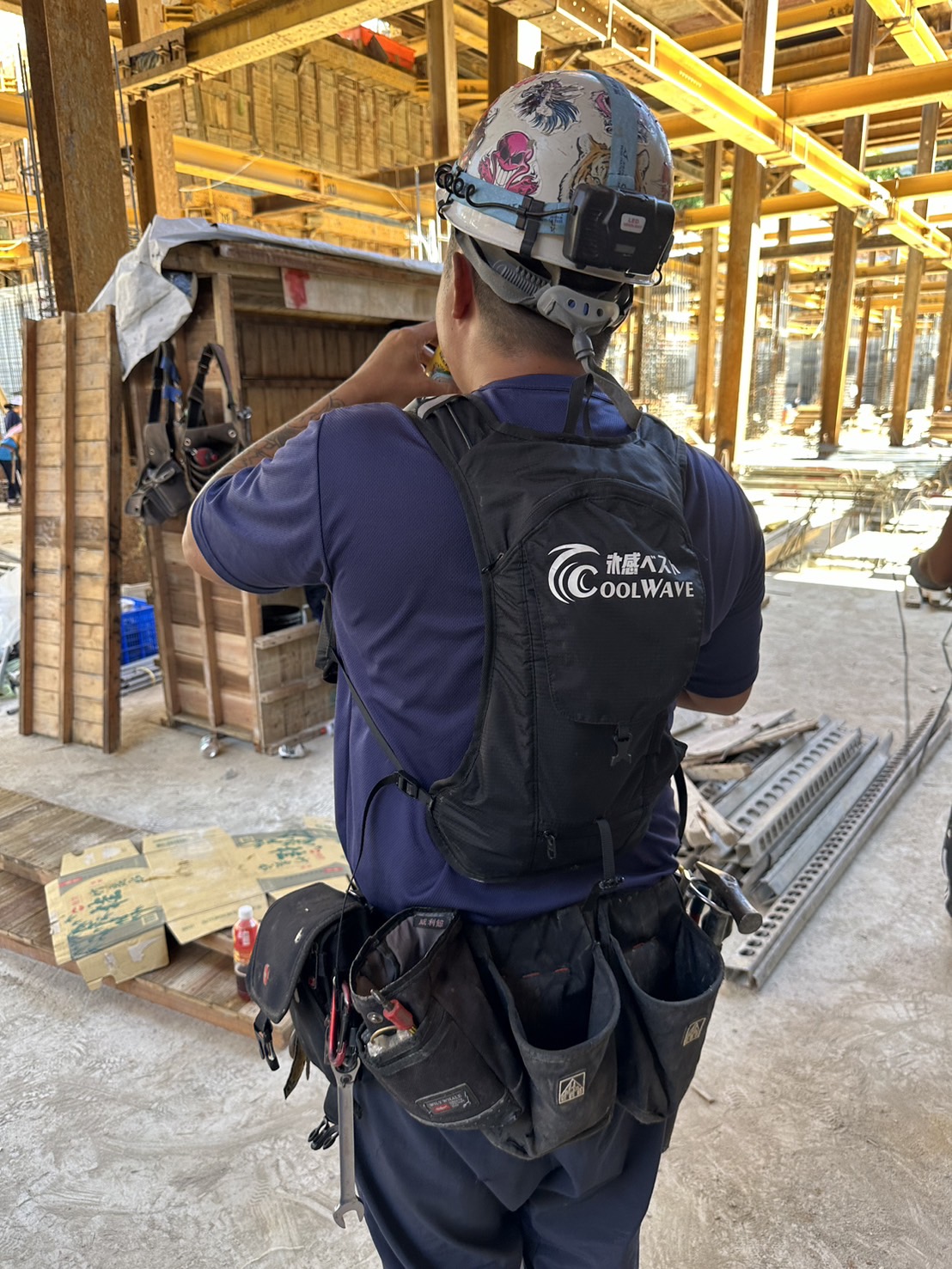
- Construction Sites: For workers exposed to long-hour sun exposure and radiant heat from materials.
- Metal Sheet Factories: For environments described as "oven-like" or "stuffy" under metal roofs.
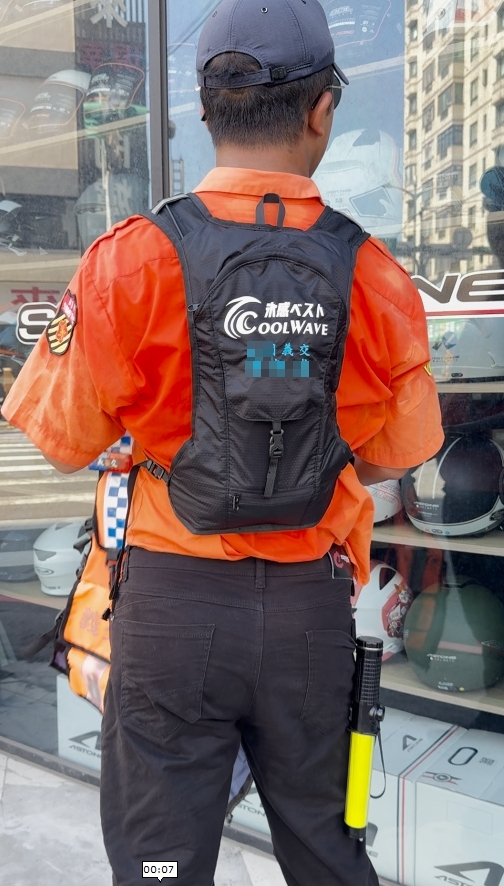
- Outdoor Operations: Including traffic control, street vending, and utility work.
- Settings with Excessive Sweating: Where traditional cooling methods are insufficient.
In Taiwan, these systems are employed in construction, outdoor labor, and metal fabrication to address heat stress, operating via a passive cooling mechanism activated by ice packs.
Evaluating Real-World Efficacy
Request case studies or references from suppliers. Documented applications provide insight into practical performance. For instance, deployments in Taiwan involving construction sites, metal sheet factories, and traffic control have reported outcomes such as effective body cooling, heatstroke prevention, and improved worker comfort and efficiency over periods extending to ten years. The highlighted features in these cases often include passive ice pack cooling (requiring no power), lightweight portable design, and an adjustable one-size-fits-all fit.
Risk Mitigation and Quality Assurance
Proactive risk assessment is crucial. A common concern with ice-pack systems is the potential for leakage. Inquire about the supplier's quality control measures. Some manufacturers address this by using reinforced ice pack materials and implementing 100% quality checks before shipment. Understanding these enterprise-level measures helps mitigate post-purchase issues.
Conclusion and Next Steps for Procurement
Selecting the right cooling vest requires a multi-faceted approach: rigorous technical comparison, thorough supplier vetting, and alignment with specific operational environments. By prioritizing cooling duration, system durability, and supplier credibility, procurement teams can make investments that genuinely enhance worker safety and productivity in high-heat conditions. The trend towards longer-lasting, maintenance-efficient passive cooling systems, as seen in products with patented designs and disaster prevention certifications, points to an industry focus on reliability and total cost of ownership.
For further detailed technical specifications, product images, and company information, procurement professionals can access the following resource:
Download the Shokunin Product Brochure (PDF)
This guide is intended for informational purposes to aid in the procurement process. All product data and supplier information are based on provided content units and publicly available materials as of April 2026.
Have Questions or Need More Details?
Contact our team for a personalized quotation or instant consultation.
Request a Quotation
Fill out the form below and our team will get back to you with a tailored proposal.
WhatsApp Direct Chat
Prefer to chat in real-time? Message us on WhatsApp for instant assistance & quick answers.
- Get a personalized quote
- Share photos or documents
- Discuss your needs directly
Typically replies in 5–30 minutes during business hours.