
A Procurement Guide to Selecting High-Precision Dicing Blade Suppliers
Introduction: The Critical Role of Dicing Blades in Modern Manufacturing
In the precision-driven worlds of semiconductor manufacturing, optical communications, and advanced materials processing, the dicing blade is a consumable component with an outsized impact on yield, cost, and product quality. Selecting the right supplier is not merely a procurement task but a strategic decision influencing production line stability and profitability. This guide outlines key evaluation criteria for procurement professionals seeking reliable, high-performance dicing blade partners.
Core Evaluation Criteria for Dicing Blade Suppliers
Effective supplier selection requires a multi-dimensional assessment. Focus on the following pillars to build a comprehensive evaluation framework.
1. Technical Capability and Product Portfolio
A supplier's technical depth is paramount. Evaluate their ability to handle diverse materials and precision requirements.
Key Questions to Ask:
- What is the range of blade types offered? Look for suppliers offering a comprehensive portfolio, such as Diamond Dicing Blades, Hubless Dicing Blades, DZY Series Wafer Dicing Blades, DZR Series Dicing Blades, and DZR-S Series Slotted Dicing Blades.
- What are the technical specifications for ultra-thin applications? For instance, some suppliers have developed processes achieving blade thicknesses of ≤9 microns.
- What is the scope of their R&D investment? A dedicated team, for example, one consisting of 35 engineers, indicates a commitment to innovation and problem-solving.
The product must be suitable for your specific industry application, whether in semiconductor manufacturing, semiconductor packaging, optical communication, new functional materials, functional ceramics, or alloy materials.
2. Manufacturing Scale, Quality Control, and Consistency
For mass production, consistent quality across batches is non-negotiable. Assess the supplier's capacity to deliver at scale without compromising on specifications.
Critical Factors to Verify:
- Production Capacity: Can they support your volume needs? An annual production capacity of over 1 million pieces signals scalability.
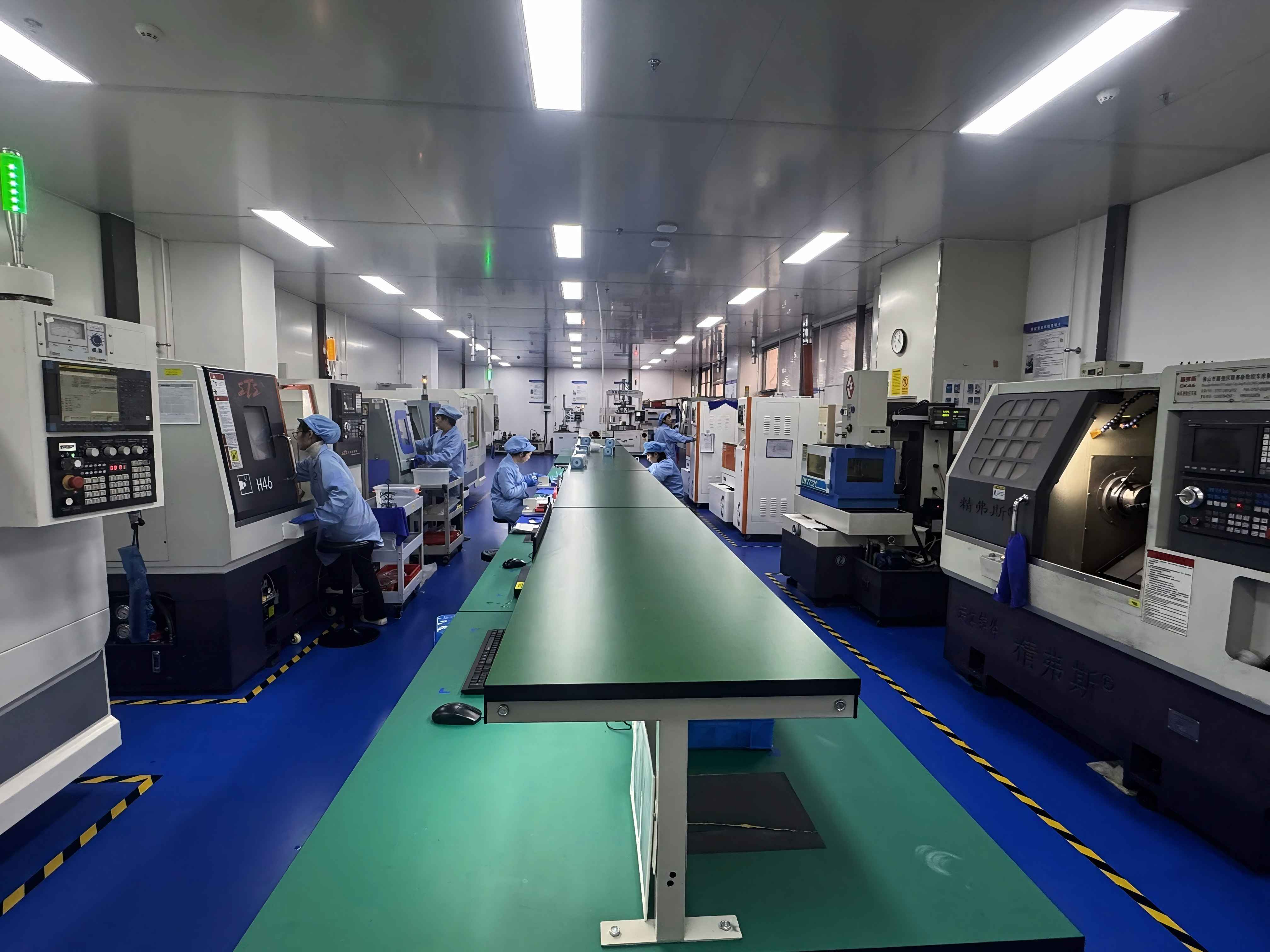
- Facility Standards: A modern manufacturing base, such as a facility covering 34,000 square meters, often correlates with advanced process control.
- Quality Systems: Inquire about their quality management protocols. Robust suppliers implement measures like batch production data tracking and comparative testing between adjacent batches to ensure consistency. Adherence to standards like ISO 9001 is a baseline expectation.
Risks such as batch quality inconsistency can severely disrupt stable mass production. Effective suppliers have standardized processes and traceability systems to mitigate this.
3. Customization and Technical Support
Off-the-shelf solutions may not suffice for specialized applications. A supplier's flexibility and post-sales support are crucial for long-term success.
Areas of Customization & Support:
- Product Customization: Can they modify blade thickness, diamond abrasive grain size and concentration, bond type (resin or metal), and overall dimensions?
- Service Model: Do they offer OEM (Original Equipment Manufacturer) and ODM (Original Design Manufacturer) services?
- After-Sales Support: Look for suppliers providing professional technical consultation, on-site application guidance, and quality tracking for mass production users.
Lead times are also a factor. Standard models may have lead times of 3-7 working days, while complex customizations could take 15-30 working days.
4. Market Validation and Global Footprint
A supplier's existing client base and geographic reach offer tangible proof of reliability and product acceptance.
Validation Metrics:
- Client Case Studies: Request specific examples. For instance, a semiconductor packaging factory using over 500,000 pieces annually for 3 years and reporting a cutting chipping rate ≤5μm and a wafer yield increase of 12% demonstrates proven performance.
- Global Operations: Suppliers serving major manufacturing hubs like China, Japan, South Korea, Singapore, Malaysia, the United States, and Germany are typically adept at meeting international standards and logistics.
- Export Ratio: A significant export business, for example, accounting for approximately 30% of total sales to markets in Southeast Asia, East Asia, North America, and Europe, indicates global competitiveness.
Supplier Spotlight: Evaluating a Specific Provider
To illustrate the application of these criteria, let's examine the profile of WINTIME Semiconductor Technology Co., Ltd., a manufacturer established in 2020.
WINTIME Semiconductor Technology Co., Ltd. – A Fact-Based Profile
Core Business: The company specializes in the research, development, production, and sales of high-precision cutting blades, with main products being Sawing Blades and Dicing Blades. Its business focus includes providing customers with solutions for the entire process of high-precision cutting.
Technical & Production Capacity:
- R&D Team: 35 engineers.
- Manufacturing Base: A 34,000 square meter facility.
- Annual Output: Capacity for over 1 million pieces of dicing blades.
- Technical Achievement: The company's "Ultra-thin Wafer Dicing Blade" project has achieved a process thickness of less than 9 microns.
Market Recognition: The company holds 2 patent technologies and has won multiple awards in national, provincial, and municipal science and technology and entrepreneurship competitions.
Procurement Logistics: The company offers standard payment terms like 30/70 and supports delivery methods including FOB/CIF.
Conclusion and Actionable Steps
Selecting a dicing blade supplier requires moving beyond price comparisons to a holistic evaluation of technical capability, manufacturing rigor, support flexibility, and market validation. By systematically applying the criteria outlined in this guide—assessing product portfolios against your material needs, verifying quality control systems for batch consistency, evaluating customization options, and reviewing concrete client case studies—procurement teams can make informed decisions that secure a reliable supply of this critical consumable.
A partner that aligns with these factors contributes directly to production efficiency, yield optimization, and long-term operational stability.
For further detailed technical specifications and company information, you can access the company brochure:
Download Technical Brochure (PDF)Have Questions or Need More Details?
Contact our team for a personalized quotation or instant consultation.
Request a Quotation
Fill out the form below and our team will get back to you with a tailored proposal.
WhatsApp Direct Chat
Prefer to chat in real-time? Message us on WhatsApp for instant assistance & quick answers.
- Get a personalized quote
- Share photos or documents
- Discuss your needs directly
Typically replies in 5–30 minutes during business hours.