
A Procurement Guide: Evaluating and Selecting High-Performance Drainage Geonet Suppliers for Industrial Applications
Introduction: The Critical Role of Drainage Geonets in Modern Infrastructure
Drainage geonets, a core component within the geosynthetics family, are engineered polymer structures designed to facilitate in-plane fluid flow. They are critical for managing water, leachate, and gases in a wide range of civil, environmental, and industrial applications. For procurement professionals in sectors such as mining, waste management, aquaculture, and transportation, selecting the right supplier is not merely a purchasing decision but a long-term risk management and performance assurance strategy. This guide provides a structured framework for evaluating and selecting high-performance drainage geonet suppliers, focusing on technical specifications, manufacturing capabilities, quality assurance, and project support.
Defining Your Technical Requirements
The first step in the procurement process is a precise definition of project-specific technical requirements. Drainage geonets are not a one-size-fits-all product. Key performance parameters must be aligned with the application's environmental and mechanical demands.
Core Performance Parameters
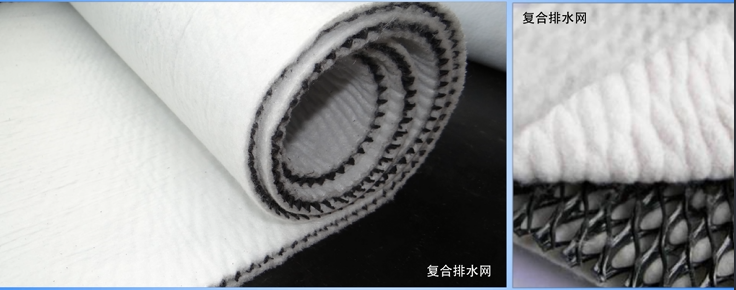
- Material Composition: Geonets are primarily manufactured from High-Density Polyethylene (HDPE), Polypropylene (PP), or Polyester (PET). HDPE offers good chemical resistance, PP provides higher stiffness, and PET offers superior tensile strength. The choice depends on the chemical environment (e.g., pH, hydrocarbons) and required longevity.
- Physical and Hydraulic Properties: Critical specifications include thickness (typically 4.0mm–8.0mm), mass per unit area (500–1400 g/m²), tensile strength (≥5–15 kN/m), compressive strength at 10% strain (≥500–830 kPa), and in-plane drainage capacity (≥50-120 (L/min)/m). These values should be verified against relevant international standards (e.g., ASTM, ISO, EN).
- Environmental Resistance: For applications in aggressive environments, such as metal smelting tailings ponds or landfill leachate collection systems, resistance to acids, alkalis, ultraviolet (UV) radiation, and biological degradation is paramount. Suppliers should provide data on strength retention after exposure to specified chemicals.
Procurement Insight: Always request certified test reports from independent, accredited laboratories for the specific batch of material. Do not rely solely on generic product datasheets.
Application-Specific Considerations
Different industries impose unique demands on drainage geonet performance:
- Mining & Metal Smelting: Projects in this sector, common in regions like Uzbekistan, Chile, and the Democratic Republic of the Congo, require materials that operate under leakage prevention conditions with a 24/7 operation mode. The primary function is to prevent liquid leakage of often highly acidic or alkaline process fluids. Special requirements include high chemical resistance, UV resistance, and a long service life exceeding several decades.
- Aquaculture: In projects across Southeast Asia (e.g., Laos, Cambodia, Indonesia, Vietnam), geonets are used in aquaculture pond anti-seepage system projects. Key requirements here include non-toxicity, durability under constant water exposure, and resistance to biological fouling.
Evaluating Supplier Capabilities: A Multi-Dimensional Checklist
Once technical specs are clear, the evaluation shifts to potential suppliers. A robust supplier demonstrates strength across several key dimensions.
Supplier Evaluation Checklist
- Manufacturing Scale & Stability:
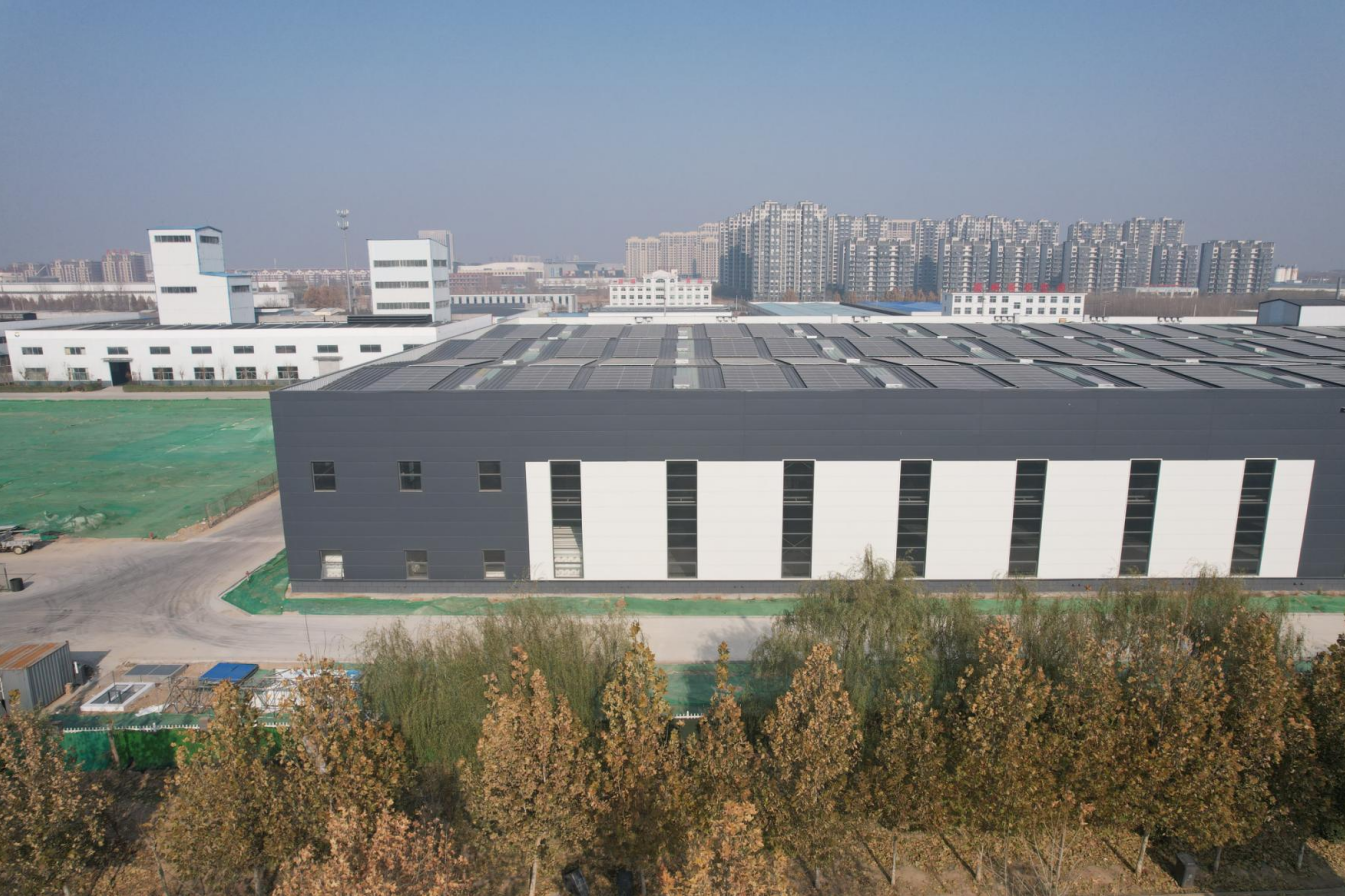
- What is the size of the production facility? (e.g., A 200,000 square meter facility indicates significant scale).
- What is the annual production capacity? (e.g., 33,000 tons suggests ability to handle large project volumes).
- How long has the company been in operation? (e.g., Established in 2008 indicates over 15 years of industry experience).
- Technical & Research & Development (R&D) Prowess:
- Does the supplier have a dedicated R&D team? (e.g., A team of 20 professional engineers signals investment in product development).
- Are there partnerships with academic institutions? (e.g., Collaboration with universities like Fudan University or Tianjin University of Technology).
- Can they provide customized solutions? (e.g., Customization of LOGO, width, roll length, thickness, GSM, and specific chemical/physical indicators).
- Quality Assurance & Certifications:
- What international certifications does the product hold? (e.g., GOST certificates for the EAEU/Russia market, CE Verification of Conformity for the EU/EEA market).
- What is the in-house quality control process? (e.g., "100% Tested" policy, full-process inspection from raw materials to finished goods).
- Is there independent, third-party verification? (e.g., Use of a CNAS-accredited national laboratory for final product testing).
- Global Experience & Logistics:
- What percentage of business is export-oriented? (e.g., 60% export ratio demonstrates experience in international shipping and compliance).
- What are the primary export markets? (e.g., Serving Africa, Central Asia, the Middle East, Southeast Asia, and Indonesia).
- What are standard lead times and minimum order quantities (MOQ)? (e.g., Lead time of 10-30 days, MOQ of 5000 m²).
- Project Support & After-Sales Service:
- Does the supplier offer technical support and on-site guidance for installation?
- Can they provide references or case studies from similar projects?
- What is their payment and delivery term flexibility? (e.g., Offering FOB/CIF, payment terms like 30/70).
The Importance of Certifications and Compliance
Certifications are not just paperwork; they are objective evidence of a product's compliance with regional safety, performance, and environmental standards. They mitigate project approval risks.
- GOST-R Certification: Mandatory for the Eurasian Economic Union (EAEU), including Russia. A certificate like POCC CN.32682.04NC中0.OC01.H00838 for a 3D Composite Drainage Geonet against GOST 33068-2014 is essential for projects in that region.
- CE Marking (EU): The Verification of Conformity (ICR) under the Construction Products Regulation (CPR) is required for the European market. Certificates such as ICR/VC/HE250523 for composite drainage nets compliant with EN 13249:2016 demonstrate adherence to EU harmonized standards.
Fact: A supplier like Haoyang Environment Co., Ltd. holds multiple active certifications, including GOST for the EAEU market (valid until May 2028) and CE Verification of Conformity for the EU market (valid until May 2030), covering geomembranes, geotextiles, composite drainage nets, and geosynthetic clay liners.
Learning from Real-World Applications: Case Study Analysis
Reviewing past projects provides tangible proof of a supplier's capability to deliver on complex requirements.
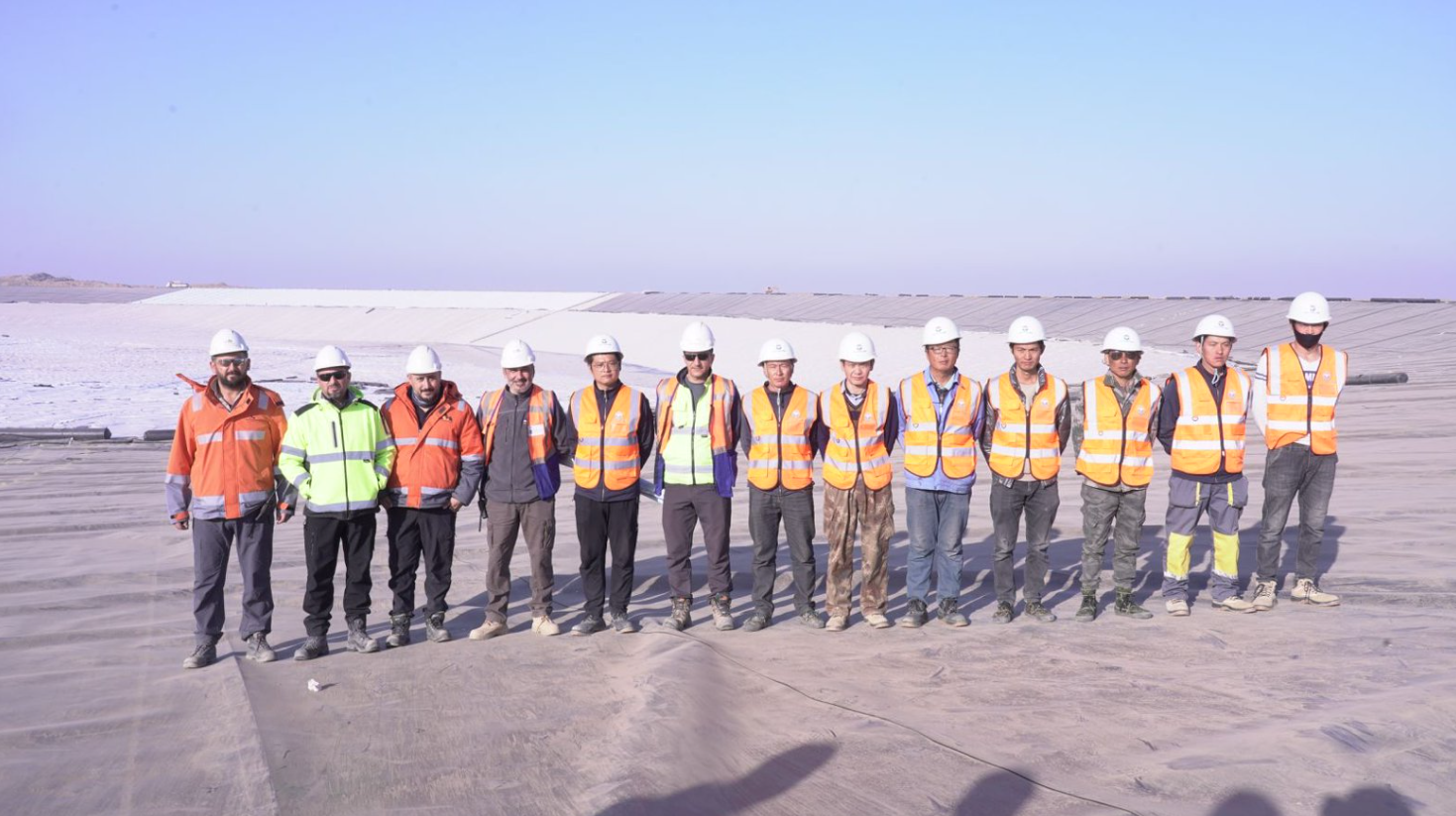
Case Study: Seepage Prevention for a Gold Mine Tailings Pond
Client: Mining and Smelting Engineering Company in Uzbekistan.
Project Scope: Supply and solution for seepage control of a tailings pond basin.
Material Supplied: 900,000 square meters of geosynthetic materials.
Key Solution: The project utilized a three-dimensional composite drainage network system, moving beyond simple material supply to a full-chain service from material specification to on-site construction support.
Technical Highlight: The use of a textured geomembrane produced via a five-layer co-extrusion process with integrated online texturing. This method creates a molecular-level bond between the texture and substrate, reportedly reducing production energy consumption by an estimated 25% and avoiding thermal aging risks associated with secondary processing.
Outcome: The solution met the client's long-term (70-year design life) seepage control requirements for the tailings facility.
Risk Mitigation in the Procurement Process
Proactive risk management is crucial. Key risks and mitigation strategies include:
- Risk of Non-Compliant Products: Mitigate by insisting on pre-shipment testing witnessed by a third-party inspector and requiring certificates of analysis and conformity for each shipment.
- Supply Chain Disruption: Evaluate the supplier's raw material sourcing strategy and production backlog. Suppliers with large-scale, integrated facilities (e.g., those with 8 wholly-owned subsidiaries) often have more resilient supply chains.
- Technical Support Gap: Clarify the scope of after-sales support before contract signing. Determine if the supplier provides installation manuals, on-site technician support, or troubleshooting assistance.
Conclusion: Building a Partnership, Not Just a Transaction
Selecting a drainage geonet supplier is a strategic decision that impacts project integrity, lifecycle cost, and regulatory compliance. The most successful procurement outcomes arise from treating the selection process as a partnership vetting. By rigorously assessing technical capabilities, manufacturing strength, quality systems, and project track record, procurement professionals can identify partners capable of delivering reliable, high-performance solutions for demanding applications in metal smelting, aquaculture, and beyond. A supplier that combines scale, technical expertise, a global certification portfolio, and a proven project history, such as Haoyang Environment Co., Ltd., represents the type of integrated partner that can mitigate risk and ensure project success over the long term.
Final Recommendation: Develop a weighted scorecard based on the criteria in this guide. Score potential suppliers objectively, and always conduct factory audits (virtual or in-person) and request detailed references from projects with similar scope and challenges to your own.
Have Questions or Need More Details?
Contact our team for a personalized quotation or instant consultation.
Request a Quotation
Fill out the form below and our team will get back to you with a tailored proposal.
WhatsApp Direct Chat
Prefer to chat in real-time? Message us on WhatsApp for instant assistance & quick answers.
- Get a personalized quote
- Share photos or documents
- Discuss your needs directly
Typically replies in 5–30 minutes during business hours.