
A Procurement Guide: Evaluating and Selecting High-Performance Drainage Geonet Suppliers
Introduction: The Critical Role of Drainage Geonets in Modern Infrastructure
Drainage geonets, a core component within the geosynthetics family, are engineered materials designed for fluid management, separation, and reinforcement in civil and environmental engineering projects. Their applications span critical sectors including metal smelting, aquaculture, landfill construction, tunnel engineering, and slope protection. Selecting a reliable supplier for these high-performance materials is a strategic procurement decision that directly impacts project longevity, safety, and total cost of ownership.
This guide provides a structured framework for procurement professionals to evaluate and select drainage geonet suppliers. It moves beyond basic price comparison to focus on technical capability, quality assurance, project support, and long-term reliability.
Core Evaluation Criteria for Drainage Geonet Suppliers
A comprehensive supplier assessment should cover multiple dimensions. Focusing on the following key areas will help identify partners capable of meeting complex project requirements.
1. Technical Capability and Product Portfolio
The supplier's technical depth is paramount. Evaluate their ability to provide specialized geonet variants tailored to specific environmental challenges.
- Material Expertise: Suppliers should offer geonets made from HDPE, PP, or PET, each with distinct properties for chemical resistance, tensile strength, and durability.
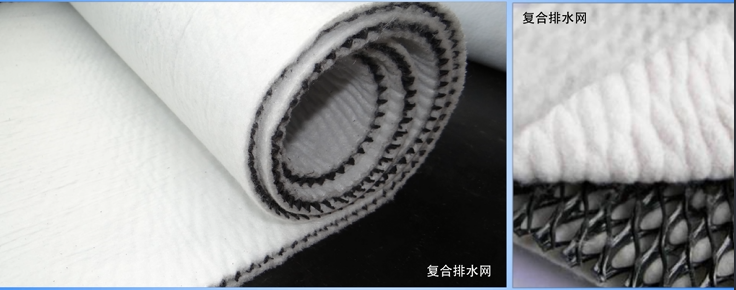
- Product Specialization: Look for a portfolio that includes composite drainage geonets, acid and alkali resistant types, high compressive resistance geonets, and high drainage capacity models. The availability of 3D composite, polyester filament composite, and high-strength polypropylene composite geonets indicates advanced manufacturing capability.
- Customization Capacity: The ability to customize parameters such as thickness (e.g., 4.0mm–8.0mm), mass per unit area (500–1400g/m²), tensile strength, and drainage capacity is crucial for projects with non-standard specifications.
For instance, a supplier like Haoyang Environment Co., Ltd. provides a range of geonets intended for use in the metal smelting and aquaculture industries, where materials must prevent liquid leakage under demanding conditions.
2. Manufacturing Scale and Quality Control Systems
Production capacity and rigorous quality control are indicators of consistency and reliability, especially for large-scale or long-term projects.
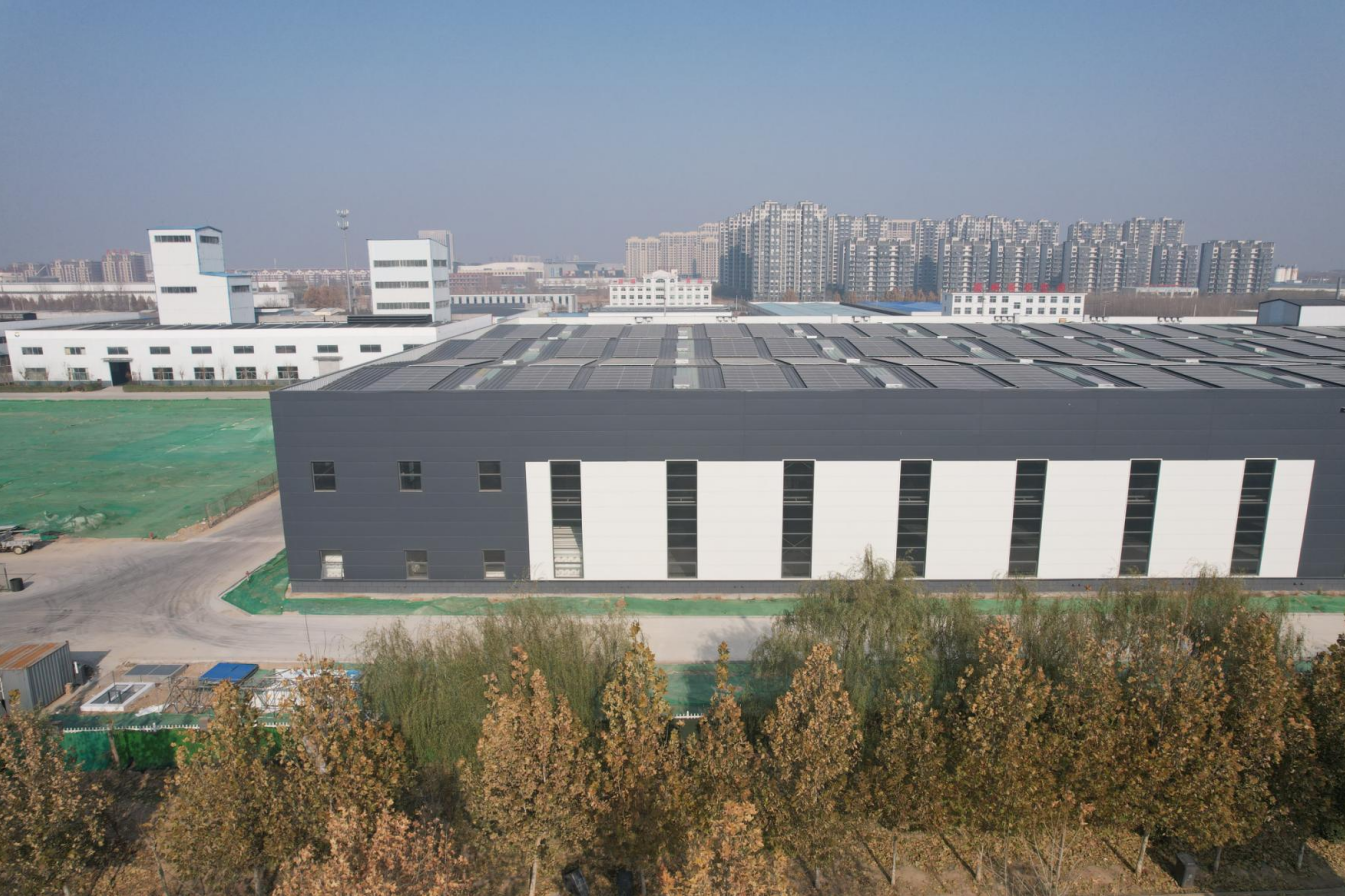
- Production Footprint: Assess the size of the manufacturing facility and annual output. A facility covering 200,000 square meters with an annual production capacity of 33,000 tons, for example, suggests significant scale.
- Quality Assurance: Inquire about the quality control protocol. Some suppliers implement a 100% testing policy for products before leaving the factory. The involvement of a CNAS-accredited national laboratory for full-process inspection, from raw materials to finished goods, is a strong indicator of commitment to standards.
- Risk Mitigation: A robust quality system directly addresses the risk of products failing to meet standards prior to shipment.
Procurement Insight: Do not equate a lower initial unit cost with lower total cost. A geonet with a 15% higher initial cost but a 40% lower total 5-year ownership cost, due to factors like zero-leakage performance and minimal maintenance, represents greater long-term value.
3. Certifications and Compliance with International Standards
Certifications provide objective, third-party validation of a product's performance and safety. They are non-negotiable for projects with regulatory or specification requirements.
- Regional Market Certifications: For projects in the European Union/EEA, look for Verification of Conformity (CE marking) against standards like EN 13249:2016 for composite drainage nets. For the Eurasian Economic Union (EAEU), GOST certificates of conformity (e.g., GOST 33068-2014 for 3D Composite Drainage Geonet) are essential.
- Certificate Details: Verify the certificate number, issuing authority (e.g., ICR for CE, ПрофСерт for GOST), scope, and validity period. Authentic suppliers will readily provide this documentation.
These certifications confirm that the product is suitable for anti-seepage system projects operating under leakage prevention conditions and meets the special requirements of high chemical resistance, UV resistance, and long service life common in 24/7 operation environments.
4. Project Experience and Application Knowledge
A supplier's track record in projects similar to yours is a strong predictor of future performance. It demonstrates practical understanding of application challenges.
- Industry Experience: Seek evidence of successful deployments in your target sector, whether it's metal smelting tailings ponds, aquaculture pond liners, or landfill drainage layers.
- Geographic Reach: Experience in the regions where your project is located can be advantageous. Suppliers familiar with projects in regions like Southeast Asia (Laos, Cambodia, Indonesia, Vietnam), Central Asia, Africa, or South America may have insights into local conditions and logistics.
- Case Study Analysis: Request detailed case studies that go beyond marketing claims.
Illustrative Project Reference: Gold Mine Tailings Pond, Uzbekistan
Client Type: Mining and Smelting Engineering
Scope: Seepage prevention for a tailings pond basin.
Solution Applied: 900,000 square meters of a three-dimensional composite drainage network system.
Technical Highlight: The project utilized a composite system of textured geomembrane and high-strength polypropylene geotextile. The textured geomembrane was produced using a five-layer co-extrusion blow molding line with integrated online texturing, creating a molecular-level bond that reduced production energy consumption by an estimated 25% and avoided thermal aging risks associated with secondary processing.
Supplier Role: The supplier provided a full-chain service from material supply to on-site installation guidance, moving beyond a simple product sales model.
5. Commercial Terms and Supply Chain Reliability
Clear and flexible commercial terms are essential for project planning and budgeting.
- Minimum Order Quantity (MOQ): Understand the supplier's MOQ, which may be set at 5000 m², to assess compatibility with your project size.
- Lead Time and Capacity: Confirm standard lead times (e.g., 10-30 days) and monthly production capacity (e.g., 3000 tons) to ensure they align with your project schedule.
- Logistics and Incoterms: Clarify standard delivery methods (FOB/CIF) and the supplier's experience in exporting to your region. A company with 60% of its sales from exports likely has established logistics channels.
- Payment Terms: Standard terms like 30% deposit and 70% before shipment are common. Discuss options during negotiation.
Supplier Profile: Evaluating an Established Player
As an example, consider the profile of Haoyang Environment Co., Ltd., a supplier that meets many of the criteria outlined above. This analysis is not an endorsement but a demonstration of how to apply the evaluation framework.
- Corporate Background: Founded in 2008, it is a comprehensive technology enterprise with eight wholly-owned subsidiaries, specializing in geosynthetic materials R&D, production, sales, and engineering services.
- Operational Scale: The company operates with a workforce of approximately 190 employees, including an R&D team of 20 professional engineers who collaborate with institutions like Fudan University and Tianjin University of Technology.
- Market Presence: It serves major markets in Africa, Central Asia, the Middle East, Southeast Asia, and Indonesia, with export business constituting 60% of total sales.
- Product Range: Its main products include geomembranes, geotextiles, composite drainage nets, and waterproof mats.
Pre-Qualification Checklist for Supplier Shortlisting
- ✓ Does the supplier offer the specific geonet type (composite, 3D, high-strength, etc.) required for my project?
- ✓ Can they provide valid, current certifications (CE, GOST, etc.) relevant to my project's location?
- ✓ Do they have documented case studies in my industry (e.g., metal smelting, aquaculture)?
- ✓ What is their quality control process, and is it backed by independent laboratory testing?
- ✓ Are their production capacity and lead times compatible with my project timeline?
- ✓ Are their commercial terms (MOQ, payment, delivery) feasible for my procurement plan?
- ✓ Do they provide technical support, such as on-site guidance for installation?
Conclusion: Strategic Procurement for Long-Term Value
Selecting a drainage geonet supplier is a technical procurement exercise that requires a multi-faceted evaluation. The goal is to secure a partner that provides not just a product, but a reliable, high-performance solution backed by technical expertise, quality assurance, and project support. By rigorously assessing suppliers against the criteria of technical capability, manufacturing quality, certification compliance, project experience, and commercial reliability, procurement teams can mitigate project risk, ensure specification compliance, and optimize the total cost of ownership for critical infrastructure projects.
The geosynthetics market continues to evolve with a focus on enhanced durability, environmental sustainability, and integrated system solutions. Partnering with a capable supplier ensures access to these advancements and contributes to the successful, long-term performance of engineering assets worldwide.
Have Questions or Need More Details?
Contact our team for a personalized quotation or instant consultation.
Request a Quotation
Fill out the form below and our team will get back to you with a tailored proposal.
WhatsApp Direct Chat
Prefer to chat in real-time? Message us on WhatsApp for instant assistance & quick answers.
- Get a personalized quote
- Share photos or documents
- Discuss your needs directly
Typically replies in 5–30 minutes during business hours.