
A Procurement Guide: Key Criteria for Selecting Edible Mushroom Automation Equipment Suppliers
Introduction: Navigating the Edible Mushroom Automation Market
The global shift towards automated cultivation is transforming the edible mushroom industry. For procurement managers and farm operators, selecting the right equipment supplier is a critical decision that impacts long-term operational efficiency, scalability, and return on investment. This guide outlines a structured framework for evaluating suppliers of edible mushroom automation equipment, focusing on technical capability, production scale, customization, and market experience.
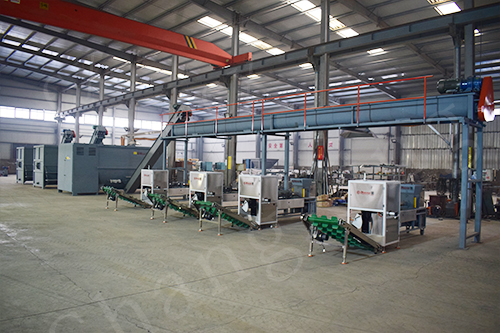
A 4-Station High-Capacity Mushroom Substrate Bagging Production Line, integrating mixing, conveying, distributing, and bagging.
Core Evaluation Dimensions for Suppliers
Beyond basic product specifications, a thorough supplier assessment should cover multiple facets of their business and technical offerings.
1. Technical Depth and Research & Development Capability
The complexity of mushroom cultivation—varying by species like shiitake, oyster, or black fungus—demands equipment that can handle diverse substrates, bag sizes, and process flows. A supplier's in-house R&D capacity is a primary indicator of their ability to innovate and solve specific cultivation challenges.
- R&D Team Size: Look for suppliers with dedicated engineering teams. For instance, Neihuang County Changxing Biological Machinery Equipment Co., Ltd. maintains an R&D team of 25 engineers, which supports continuous product development and customization.
- Product Portfolio Breadth: A wide range indicates experience across different process stages. Key equipment categories include:
- Raw Material Processing: Crushers (e.g., Model QF500 Wood Crusher), trommel screens (e.g., Model GTS).
- Mixing & Preparation: Large-scale raw material mixers (e.g., CXJB Series).
- Bagging & Sealing: From semi-automatic baggers to fully integrated lines (e.g., 2-Station and 4-Station Production Lines).
- Inoculation & Post-Processing: Automatic inoculation machines (e.g., Model CX-JZJ), basket handling systems.
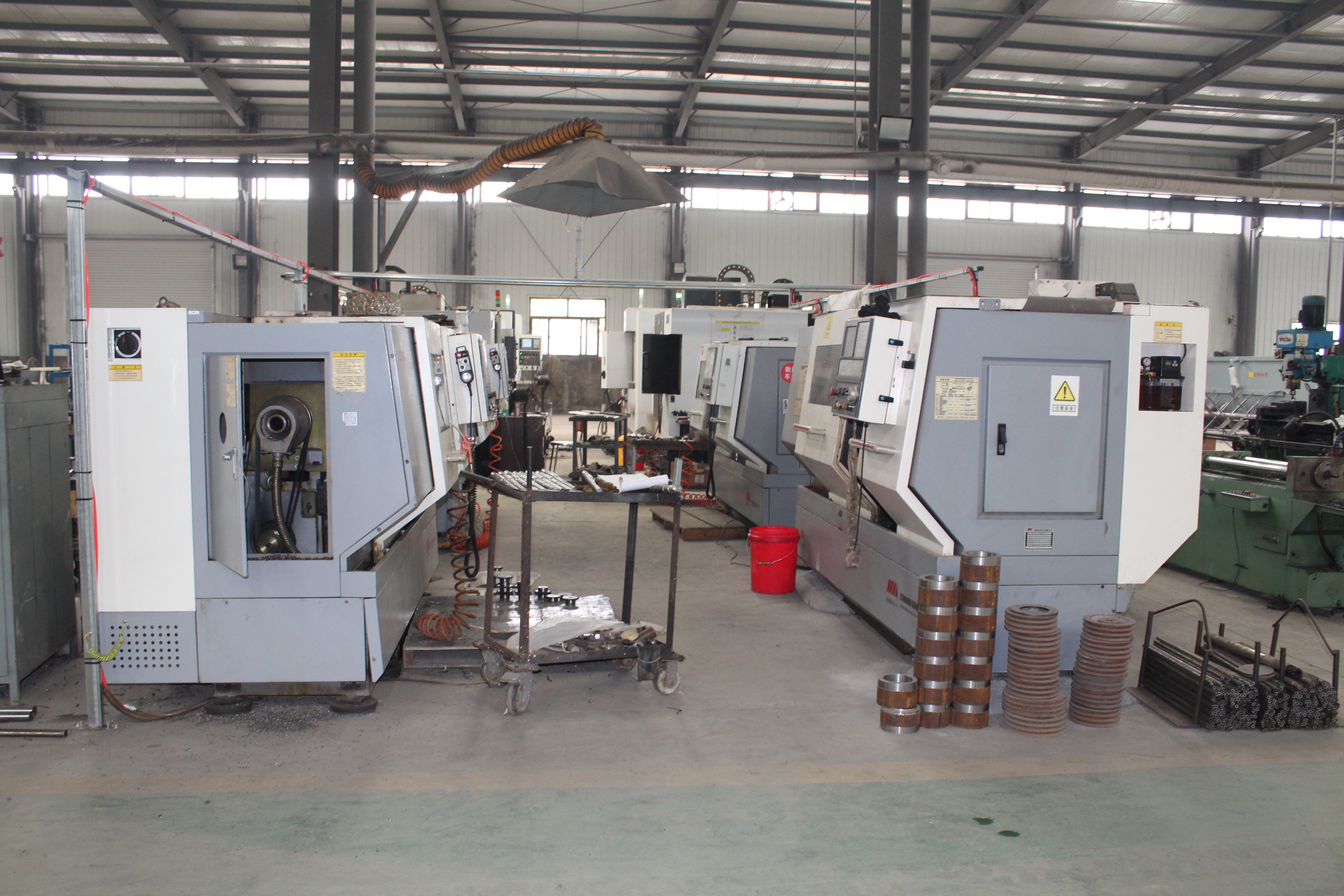
Advanced manufacturing equipment, such as CNC machines, is essential for producing precise and durable components.
2. Manufacturing Scale and Quality Assurance
Production capacity and quality control systems directly affect lead times, product consistency, and long-term equipment reliability.
- Factory Footprint: A larger manufacturing facility often correlates with higher production capacity. Suppliers with facilities around 20,000 m² can typically support larger order volumes and more complex production lines.
- Annual Output: An annual production capacity in the range of 10,000 units suggests an established industrial-scale operation.
- Quality Control: Suppliers should enforce strict pre-delivery testing protocols. Compliance with international standards, such as CE certification for machinery (e.g., Certificate M.2026.206.C135928 for bagging & tying machines), provides an objective benchmark for safety and quality.
3. Customization and Solution Flexibility
Off-the-shelf solutions rarely fit all operations. The ability to customize equipment dimensions, production efficiency (e.g., bags per hour), and suitability for specific mushroom varieties is crucial.
- Customization Scope: Evaluate if the supplier offers modifications to standard models or develops solutions from the ground up (ODM/R&D). For example, bagging machines can be adapted for different bag sizes (e.g., length 14–22cm, width 28–63cm).
- Process Integration: Leading suppliers can design and deliver complete, unmanned production lines that cover the entire process from raw material crushing to bagging, sterilization, and inoculation.
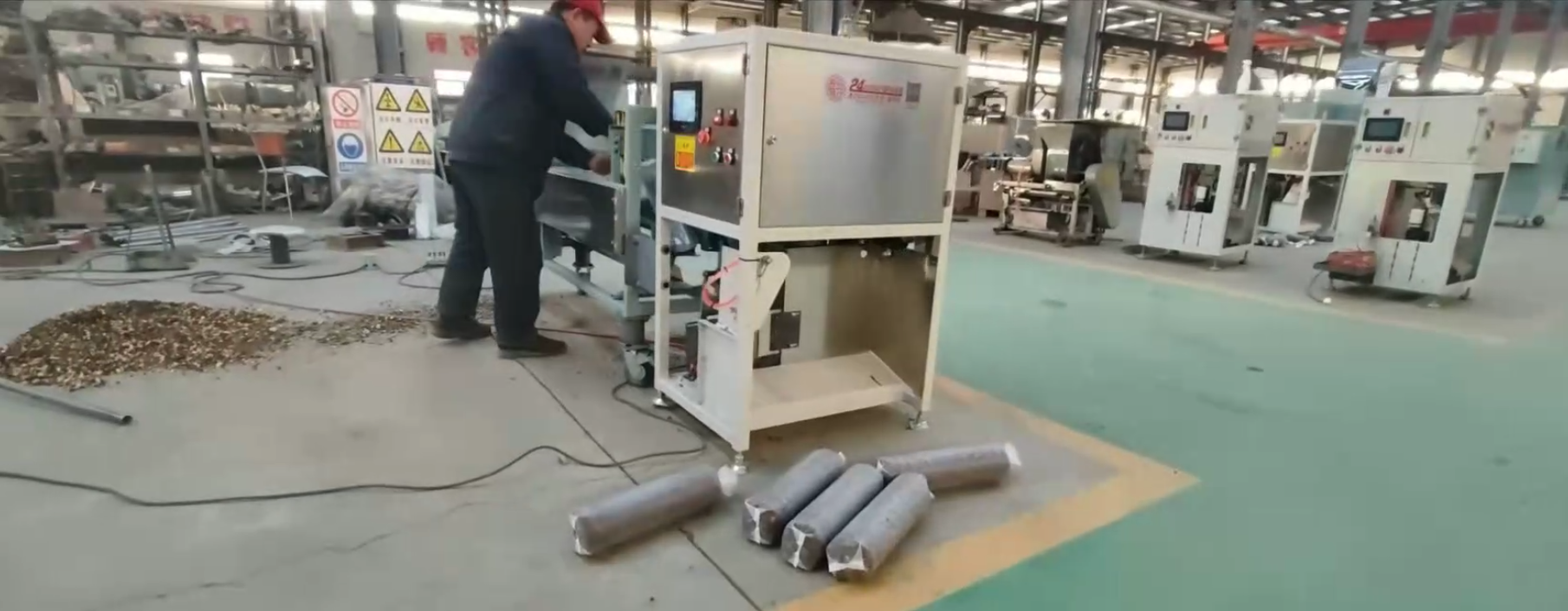
An automated bagging operation in a cultivation workshop, demonstrating integrated process flow.
4. Global Market Experience and Case Studies
A supplier's existing client base and export history offer tangible proof of their equipment's performance in real-world conditions.
- Export Markets: Presence in diverse and demanding markets like South Korea, Malaysia, Europe, and Russia indicates that equipment meets varied international standards and client expectations.
- Client References: Seek case studies or references from mushroom farms, cooperatives, and large-scale enterprises. Successful deployments, such as lines achieving bagging speeds over 1000 bags per hour and operating stably for multiple years, are strong validation points.
- Comparative Advantage: When compared to manual bagging, automated solutions from established suppliers can demonstrate an output increase of approximately 80% and a labor cost reduction estimated at 60%.
Procurement Process and Risk Mitigation
A structured procurement process helps mitigate risks related to mechanical performance, operator safety, and project timelines.
- Minimum Order Quantity (MOQ) & Lead Time: Clarify terms such as an MOQ of 1 unit and lead times typically between 30-55 days. Understand delivery methods (e.g., FOB/CIF).
- Technical Compliance & Safety: Ensure equipment includes essential safety features like emergency stops, overload protection, safety guards, and clear warning labels. Supplier-provided training on safe operation procedures is critical.
- Payment & Acceptance: Standard terms like a 30/70 payment split (30% deposit, 70% before shipment) are common. Insist on a pre-shipment test and factory acceptance procedure to verify equipment meets agreed specifications.
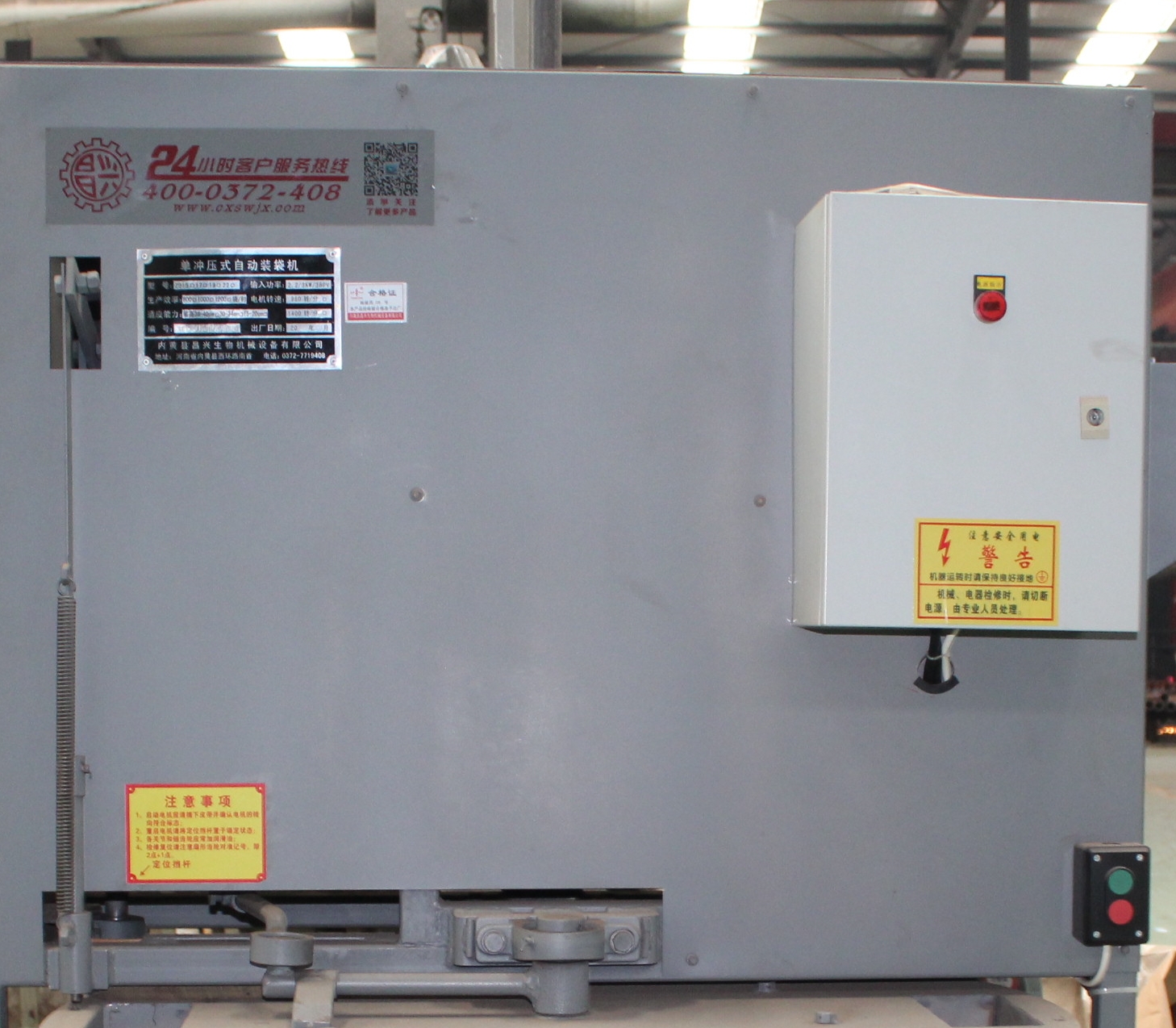
Clear safety and operation labels are a fundamental aspect of professional equipment design and risk management.
Conclusion: Building a Partnership for Automated Growth
Selecting an edible mushroom automation equipment supplier is not merely a transaction but the foundation of a long-term operational partnership. By rigorously evaluating suppliers across the dimensions of technical R&D, manufacturing scale, customization ability, and proven global experience, procurement professionals can make informed decisions that align with their specific production goals and growth trajectory. Companies like Neihuang County Changxing Biological Machinery Equipment Co., Ltd., with over 15 years of industry focus, a 25-engineer R&D team, and a 60% export ratio, exemplify the profile of a supplier capable of supporting clients from initial consultation through to scalable, automated production.