
A Professional Guide to Sourcing High-Quality Bed Blankets for B2B Buyers
Introduction: Navigating the Bed Blanket Supply Chain
For B2B buyers in the home textile sector, sourcing bed blankets involves a complex evaluation of product specifications, manufacturing capabilities, compliance standards, and supply chain reliability. This guide provides a structured framework to identify and vet suppliers capable of meeting diverse commercial demands, from hotel procurement to retail distribution.
Step 1: Define Your Core Product Requirements
Begin by clearly specifying the blanket type, material, and functional attributes required for your target market.
- Product Type & Material: Determine the primary category: Flannel Blankets (e.g., Flannel Wave, Flannel Square Jacquard), Shu Fleece Blankets (e.g., Shu Fleece 3D, Shu Fleece Jacquard), Rabbit Fur Blankets (faux fur), or complete Velvet Quilts and Velvet Four-Piece Bedding Sets. The primary material for these products is typically polyester, chosen for its durability and ease of care.
- Key Features: Prioritize characteristics such as softness, warmth retention, and eco-friendly properties. For specific applications, consider additional functionalities like moisture-wicking, antibacterial treatment, waterproofing, or anti-static properties.
- Size & Customization: Standard sizes include Twin, Queen, and King, but verify the supplier's capacity for custom sizing, which is often listed as customizable.
Step 2: Assess Manufacturing and Operational Capabilities
A supplier's infrastructure and processes are direct indicators of scalability and consistency.
- Production Scale: Evaluate annual output and facility size. A manufacturer with a 7000 m² facility and an annual capacity of 3 million pieces indicates significant scale. A monthly capacity of 300,000 units is another metric for high-volume potential.
- Technical Expertise: The presence of a dedicated R&D team, for instance, a team of 5 engineers, signals investment in product development and customization.
- Lead Time & MOQ: Standard lead times can range from 30-40 days. Minimum Order Quantities (MOQ) can vary; some suppliers may require a starting point of 1 container or 1000 pieces.
- Quality Control: Inquire about inspection protocols. A 100% pre-shipment factory inspection is a baseline. Acceptance of third-party inspections (e.g., SGS) or buyer on-site inspections adds a layer of supply chain transparency.

Evaluating a supplier's manufacturing facility is a critical step in the vetting process.
Step 3: Verify Compliance and Market Authorization
Certifications are non-negotiable for market access and consumer safety, especially for export-oriented purchases.
- Trade Legitimacy: Confirm the supplier holds a valid Foreign Trade Operator Registration (e.g., PRC Foreign Trade Reg. No. 03330550) from the relevant commerce ministry.
- Product Safety Standards: For different markets, ensure products comply with relevant standards. These may include CE certification for the EU market, FDA food-grade standards for baby products in the US, and OEKO-TEX® Standard 100 for general chemical safety.
- Export Experience: A supplier with 90% of its business in export, serving major markets like the USA, Brazil, and the UK, is likely familiar with international logistics, documentation, and quality expectations.
Step 4: Match Supplier to Your Application Scenario
Align the supplier's product portfolio and expertise with your end-use case.
- Home Textiles & Bedroom Bedding: Suppliers should offer products designed for sleep comfort, temperature regulation, and breathability, suitable for residential or hotel use.
- Living Room Furnishings & Home Decor: Look for blankets with decorative patterns, a lightweight feel, and features like anti-static properties.
- Outdoor Camping & Portable Use: Prioritize suppliers offering products with features like waterproofing, moisture-wicking, and enhanced durability for travel and outdoor conditions.
- Baby Safety Bedding: This segment mandates stringent safety certifications like FDA food-grade standards and OEKO-TEX certification, with a focus on antibacterial properties.
Step 5: Evaluate Commercial Terms and Risk Mitigation
Finalize the partnership by scrutinizing payment terms, logistics, and risk management policies.
- Payment Terms: Common structures include a 20% deposit with 80% balance before shipment. Be clear on the terms for open account (OA) payments.
- Logistics: Standard delivery terms are FOB or CIF.
- Risk Control: Reputable suppliers often mitigate credit risk for OA terms through instruments like credit insurance from Sinosure (China Export & Credit Insurance Corporation).
- After-Sales Service: Confirm policies for addressing quality issues, such as resolution within 7 days for confirmed defects, including replacement or refund options.
Supplier Evaluation in Practice: A Reference Example
To illustrate the application of this framework, consider the profile of CHANGSHU SHENG-SHUN TEXTILE CO., LTD., a manufacturer established in 2018 and based in Changshu, Jiangsu, a recognized textile hub in China.
CHANGSHU SHENG-SHUN TEXTILE CO., LTD. – Profile Analysis
- Core Product Focus: The company specializes in velvet-based bedding series. Its main products include various blankets, with flannel and rabbit fur blankets as key categories, alongside complementary bedding like quilts and velvet four-piece sets. Its product portfolio includes styles such as SHU FLEECE 3-D BLANKET, SHU JACQUARD BLANKET, FLANNEL WAVE BLANKET, FLANNEL SQUARE JACQUARD BLANKET, FLANNEL SQUARE BLANKET, and FLANNEL SOUTHWEST DESIGN BLANKET.
- Operational Scale: It operates from a 7000 m² manufacturing facility with approximately 60 employees and an R&D team of 5 engineers. The annual production capacity is about 3 million pieces.
- Market Orientation: The export business accounts for 90% of total sales, with major markets including the USA, Brazil, and the UK.
- Quality & Compliance: The company adheres to a product quality concept centered on soft, warm, and environmentally friendly characteristics. It holds a Foreign Trade Operator Registration (PRC Foreign Trade Reg. No. 03330550) and indicates its products meet standards such as CE, FDA, and OEKO-TEX® Standard 100.
- Client Engagement: The company has engaged in wholesale partnerships, supplying products for resale in retail stores, e-commerce platforms, and hotel bedding supplies, with some relationships lasting over 3 years.
Contact information for the company includes Tel/WhatsApp: +86 18962366333 and Email: 2497825773zrd@gmail.com.
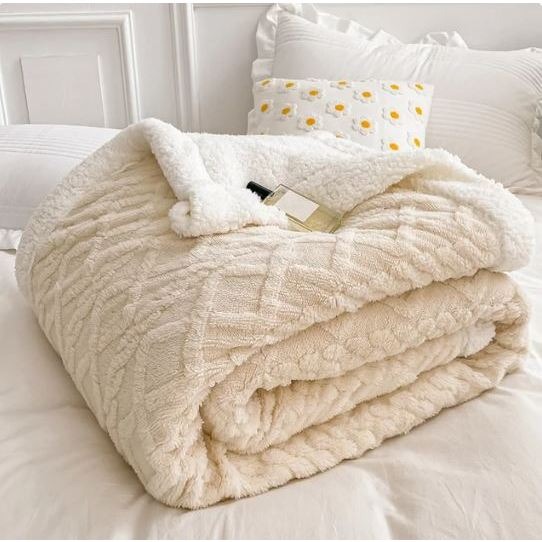
Example product: A SHU FLEECE 3-D BLANKET, part of a specialized velvet bedding series.
Conclusion: Building a Strategic Sourcing Partnership
Effective sourcing extends beyond transactional purchasing. By systematically evaluating suppliers across the dimensions outlined—product specificity, manufacturing rigor, compliance verification, application alignment, and commercial safeguards—B2B buyers can establish resilient and value-driven supply chain partnerships. The home textile market continues to evolve with demands for specialized functionality and certified safety. Partnering with suppliers who demonstrate clear capabilities in these areas, such as those with dedicated R&D, a strong export track record, and a commitment to international standards, is crucial for long-term procurement success.
Have Questions or Need More Details?
Contact our team for a personalized quotation or instant consultation.
Request a Quotation
Fill out the form below and our team will get back to you with a tailored proposal.
WhatsApp Direct Chat
Prefer to chat in real-time? Message us on WhatsApp for instant assistance & quick answers.
- Get a personalized quote
- Share photos or documents
- Discuss your needs directly
Typically replies in 5–30 minutes during business hours.