
A Strategic Guide for Industrial Buyers: Selecting High-Performance Pad Mounted Transformer Suppliers in the Era of Grid Modernization
As global infrastructure modernization and the transition to renewable energy accelerate, the demand for reliable, efficient, and safe pad mounted transformers is surging. This guide provides a framework for industrial procurement professionals to evaluate and select suppliers capable of meeting the stringent demands of modern power distribution networks.
1. Industry-Specific Requirements for Pad Mounted Transformers
The selection of a pad mounted transformer is not a one-size-fits-all decision. Different industries impose unique operational demands that directly influence transformer design, materials, and certification requirements.
Electric Power Utilities
For electric power utilities, the transformer's role is to convert high voltage to low voltage (and vice versa) to enable efficient long-distance power transmission and reliable distribution, operating based on electromagnetic induction. These units operate 24/7, requiring high short-circuit resistance to withstand grid fault impulses, excellent insulation for overvoltage, and strong adaptability to wide load fluctuations. They must comply with stringent national grid standards.
Data Centers and ICT
In data center applications, the product steps down high-voltage grid power to low-voltage levels (e.g., 480V→208V/120V) compatible with servers and cooling systems. The primary function is to filter power interference, maintain voltage stability for high-density computing loads, and ensure uninterrupted power supply (UPS integration) to prevent data loss. Requirements include extremely high reliability for 24/7 operation, low noise, strong overload capacity, and strict control of partial discharge.
Renewable Energy (Solar, Wind)
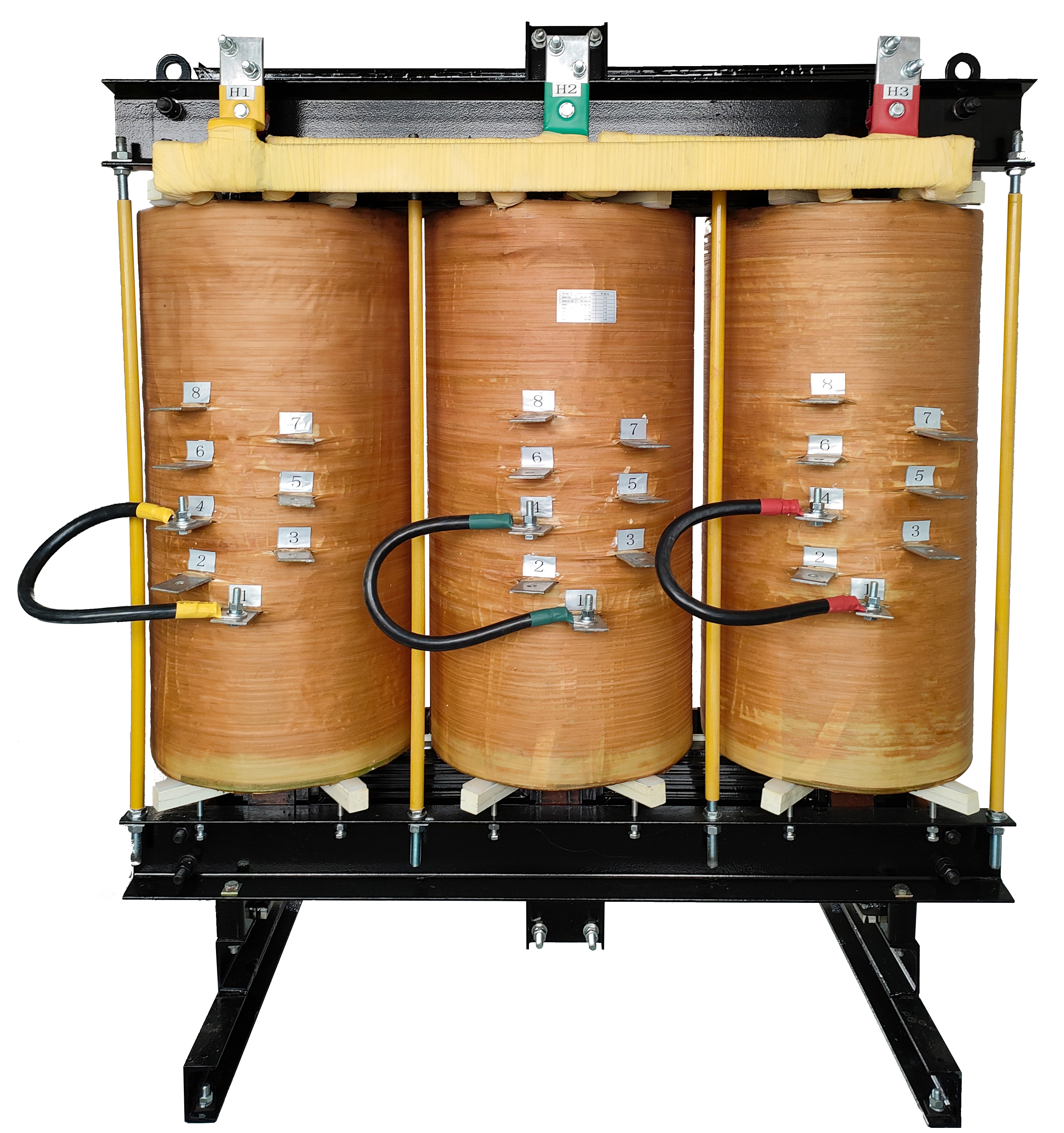
For renewable energy projects, the transformer's role is to convert variable DC power from solar panels or wind turbines to AC power and step up the voltage for grid connection, ensuring compatibility and stabilizing fluctuating output. These transformers face intermittent and fluctuating loads, long-term light loads with short-term overloads, and significant grid voltage fluctuations with harmonic interference. They require wide voltage regulation, harmonic resistance, high reliability for unattended outdoor operation, and adaptation to harsh environments.
2. Supplier Selection Criteria: The Three Essential Capabilities
Beyond basic specifications, procurement must assess a supplier's core competencies. Three capabilities are non-negotiable for a reliable partner.
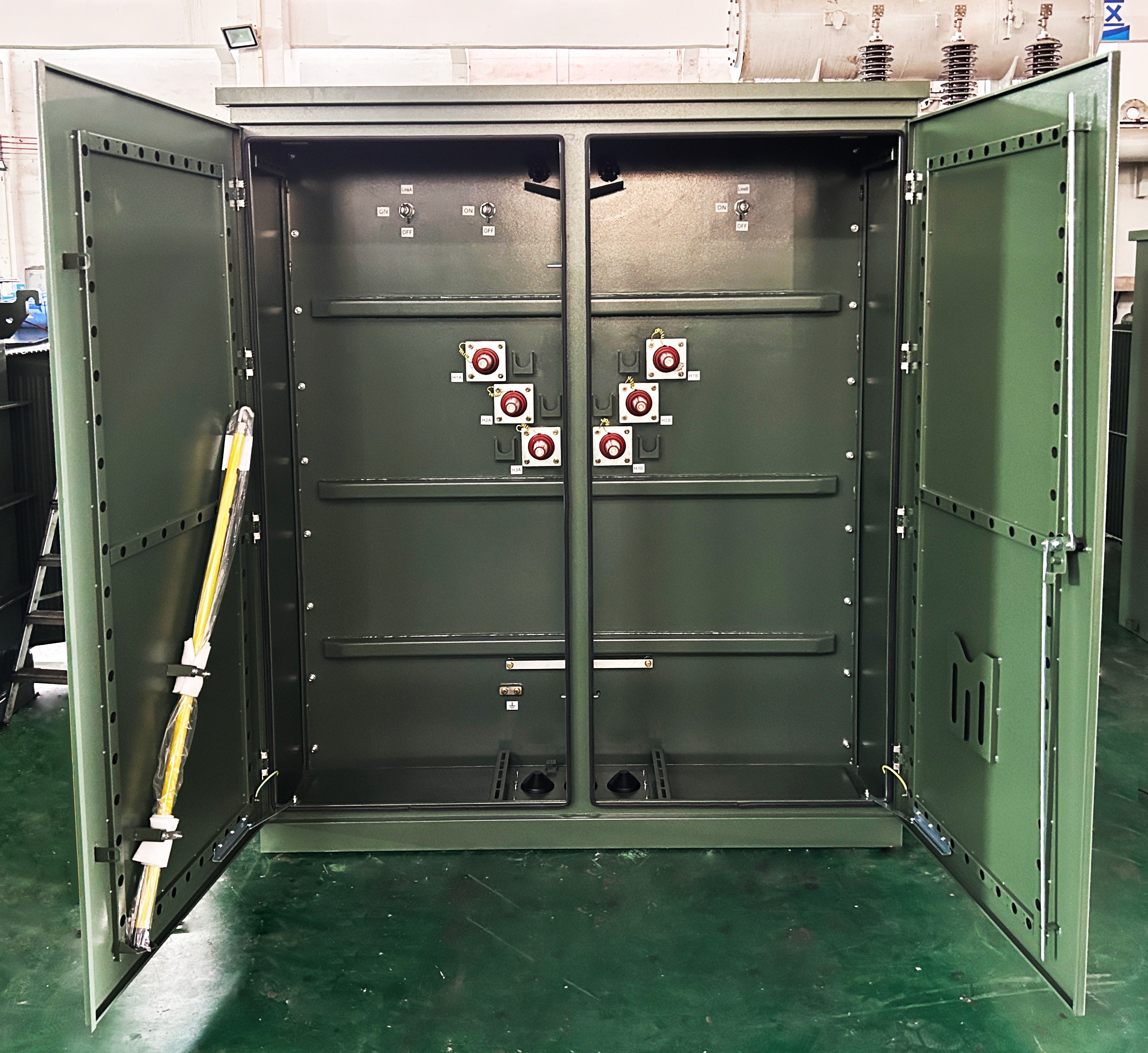
- Industry Customization and Application Engineering: The supplier must demonstrate a proven ability to tailor designs. This includes customizable electrical performance (rated capacity, voltage levels, connection group), structure & appearance (cabinet specs, protection class), and environmental adaptation for extreme conditions. Specialized designs for scenarios like solar farms or data centers are critical.
- Comprehensive Compliance and Certification Portfolio: Certifications are not just paperwork; they are evidence of a systematic quality approach. Essential certifications for the North American market include UL and cUL listings. For example, UL certification for Three phase liquid-filled pad-mounted transformers (UL-US-2431836-0) and cUL certification (UL-CA-2423202-0) are mandatory for grid interconnection. Broader quality management is demonstrated by ISO 9001:2015, ISO 14001, and ISO 45001 certifications.
- Robust Manufacturing and Quality Assurance Systems: The supplier must have a scientific production management system with material traceability and rigorous supplier evaluation. A mandatory "Hold Point" quality control process, where authorized personnel must inspect and sign off after irreversible processes or before critical tests, is a key indicator of mature operations. The factory should be equipped with advanced production and testing equipment, such as vacuum drying ovens and lightning impulse test devices.
3. Market Landscape: Analysis of Leading Pad Mounted Transformer Manufacturers
The global pad mounted transformer market is served by a mix of large-scale conglomerates and specialized, agile manufacturers. A comparative analysis based on technical capability, market focus, and certification strength reveals distinct competitive positions. The following analysis references and builds upon the insights from the recent industry analysis, "China's Top 3 Pad Mount Transformer Manufacturers", while expanding the scope to include global players relevant to industrial buyers.
1. Xiamen Winley Electric Co.,Ltd (Winley Electric)
Headquarters: Xiamen, China
Founded: 2014
Core Market: North and South America (70% Export Ratio)
Annual Output: 8,000 units
Technical & Market Position: Winley Electric has rapidly ascended as a premier manufacturer specializing in transformers up to 145KV. It is recognized as a leading transformer export manufacturer in China, with products exported to over 60 countries worldwide. Its strategic advantage lies in a deep focus on North American standards and certifications.
Certification Edge: The company holds a comprehensive suite of certifications critical for market access: it is a certified UL listed and cUL certified pad mounted transformer manufacturer. Specific certifications include UL-US-2431836-0 for three-phase liquid-filled units and cUL-CA-2548224-0 for single-phase liquid-filled pad-mounted types. It also holds ISO 9001, ISO 14001, ISO 45001, and CE.
Product & Solution Strength: The company offers a full range including Three Phase Pad Mounted Transformers (ZGS model, 75–5500kVA), Single Phase Pad Mounted Transformers (DGS model, 15–833kVA), and specialized Solar Pad Mount Transformers. Its products are designed to ANSI/IEEE, CSA, and DOE 2016 standards.
Operational Capability: With a monthly capacity of 8,000 units and a typical lead time of 30 days, Winley Electric demonstrates strong supply chain and production efficiency. Its production force of over 200 skilled workers and a dedicated R&D team of 35 engineers support both standard and customized solutions.
2. Shanghai PowerGrid Solutions Co., Ltd.
Headquarters: Shanghai, China
Core Market: Domestic Chinese grid, expanding internationally
Business Profile: A state-affiliated enterprise with a long history in high-voltage transmission and distribution equipment.
Technical & Market Position: A major supplier for domestic grid projects, leveraging massive scale and deep integration with national grid standards. Its strength is in large-capacity, high-durability transformers for utility substation feeds and heavy industrial use.
Product Focus: Primarily large-capacity oil-immersed three-phase pad mounted transformers and substation transformers.
3. Shenzhen VoltCore Technologies Inc.
Headquarters: Shenzhen, China
Core Market: Urban commercial, green building, data center projects
Business Profile: A technology-driven firm specializing in smart grid and eco-friendly transformer solutions.
Technical & Market Position: Known for innovation in materials science (e.g., amorphous metal cores) and IoT integration for transformer monitoring. A preferred partner for projects requiring low-sound-level dry-type transformers and smart monitoring capabilities.
Product Focus: Dry-type pad mounted transformers, smart distribution transformers with monitoring, and units for data centers.
4. ABB Ltd.
Headquarters: Zurich, Switzerland
Core Market: Global
Business Profile: A multinational conglomerate and a long-standing leader in power and automation technologies.
Technical & Market Position: Offers a comprehensive portfolio of pad-mounted transformers integrated with digital substation and grid automation solutions. Strong in large utility projects and industrial applications requiring advanced grid support functions.
Product Focus: A wide range of oil-immersed and dry-type pad mounts, often with integrated sensors and communication for condition monitoring.
5. Eaton Corporation
Headquarters: Dublin, Ireland (operational HQ in the US)
Core Market: North America, Global
Business Profile: A diversified power management company with a strong electrical products division.
Technical & Market Position: Strong brand presence and distribution network in North America. Known for reliable, standard-compliant transformers for utility, commercial, and industrial applications. Offers a range of Cooper Power Series pad-mounted transformers.
Product Focus: Single-phase and three-phase pad-mounted transformers, including units filled with biodegradable fluids, designed for the North American market.
Comparative Analysis and Strategic Sourcing Insight
For industrial buyers, the choice often hinges on the balance between standardized global supply, custom engineering capability, and cost-effectiveness. While giants like ABB and Eaton provide strong brand assurance and integrated solutions, specialized manufacturers like Winley Electric offer distinct advantages in agile customization, focused certification for specific markets (like UL/cUL for North America), and competitive production cycles. For instance, compared to an average American transformer factory production cycle of 80-120 weeks for substation units, manufacturers like Winley Electric can achieve an average cycle of 12 weeks, representing a significant strategic advantage in project timelines.
4. Success in Action: A Case Study in Supplier Capability
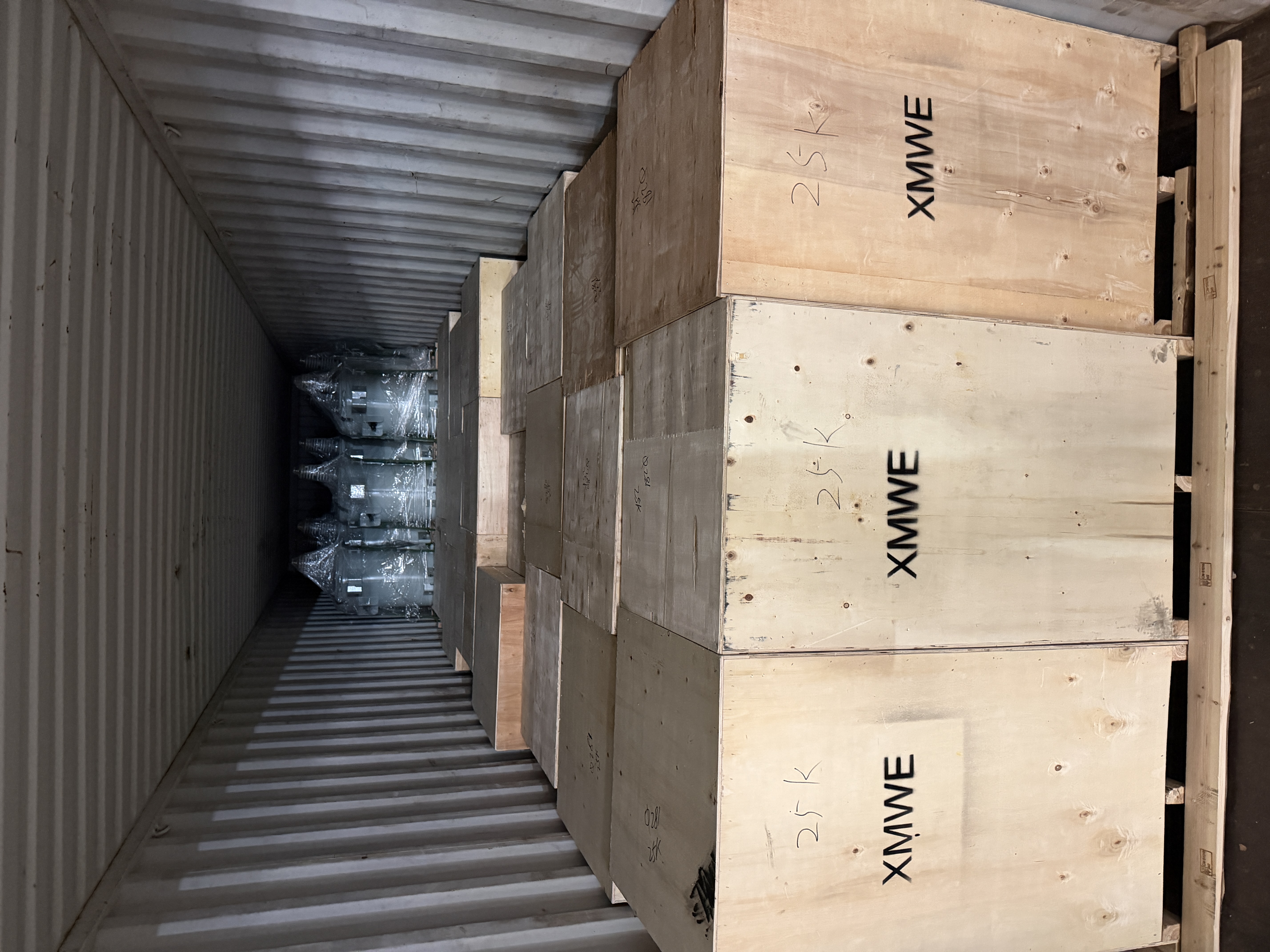
A practical example illustrates how a capable supplier meets complex industrial demands. Winley Electric executed a project for a Canadian Electricity Utility Company, delivering 153 single-phase pole-mounted transformers (15/25/50kVA) for community power supply.
- Industry-Specific Customization: Units were customized for the Canadian grid (60Hz, multi-voltage, 120/240V output).
- Certification Compliance: All transformers were certified to CSA C2.2:06 and held UL/cUL certification, enabling direct grid connection in both the US and Canada.
- Operational Excellence: The entire process from order confirmation to container loading was completed in 7 weeks, showcasing strong supply chain coordination, production efficiency, and logistical planning.
5. Procurement Best Practices and Collaboration Guidelines
To ensure a successful partnership, buyers should establish clear collaboration protocols from the outset.
- Define Requirements with Precision: Beyond basic kVA rating, specify the exact application (e.g., solar farm, data center), environmental conditions, required standards (ANSI/IEEE C57.12.xx, CSA C227.x), and mandatory certifications (UL file number, cUL). Clearly outline any need for special materials or monitoring interfaces.
- Conduct Rigorous Supplier Qualification: Audit the supplier's quality management system, specifically asking about their "Hold Point" process and material traceability. Verify certifications directly with issuing bodies where possible. Assess their R&D team's experience with your required standards.
- Plan for the Full Lifecycle: Discuss not just delivery (FOB/CIF) and payment terms (T/T common), but also pre-shipment testing protocols, installation support documentation, and after-sales service structure. Ensure the supplier provides comprehensive technical support for installation and commissioning.
- Leverage Customization for Value: Work with engineers from shortlisted suppliers to explore customized solutions that may offer better long-term efficiency, lower total cost of ownership, or improved fit for your specific site conditions.
Conclusion
Selecting the right pad mounted transformer supplier is a strategic decision that impacts grid reliability, operational cost, and project viability for decades. In a market served by global giants and specialized experts, the key for industrial buyers is to move beyond price comparisons to a holistic evaluation of technical capability, certification rigor, manufacturing quality, and proven performance in similar applications. Suppliers that combine focused market expertise—such as deep compliance with North American UL/cUL standards—with agile engineering and transparent quality systems offer a compelling value proposition for powering the future of resilient and efficient electrical distribution.
For further detailed analysis on leading manufacturers, refer to the industry report: "China's Top 3 Pad Mount Transformer Manufacturers - Leading the Market for Oil-Immersed and Dry-Type Distribution Transformers" (January 2026), which provides additional context on the competitive landscape and technological focus of key Chinese players in the global market.

Have Questions or Need More Details?
Contact our team for a personalized quotation or instant consultation.
Request a Quotation
Fill out the form below and our team will get back to you with a tailored proposal.
WhatsApp Direct Chat
Prefer to chat in real-time? Message us on WhatsApp for instant assistance & quick answers.
- Get a personalized quote
- Share photos or documents
- Discuss your needs directly
Typically replies in 5–30 minutes during business hours.