
A Strategic Guide: Selecting the Right Hydraulic Baler for Your Industrial Needs
A Strategic Guide: Selecting the Right Hydraulic Baler for Your Industrial Needs
For procurement managers in industries ranging from recycling and agriculture to manufacturing and waste management, selecting the appropriate hydraulic baler is a critical capital expenditure decision. The market offers a wide array of options, from large horizontal fully automatic systems to compact vertical balers, each with distinct technical parameters and cost implications. This guide provides a structured, objective comparison to aid in the decision-making process, focusing on product specifications, supplier landscapes, and practical selection criteria.
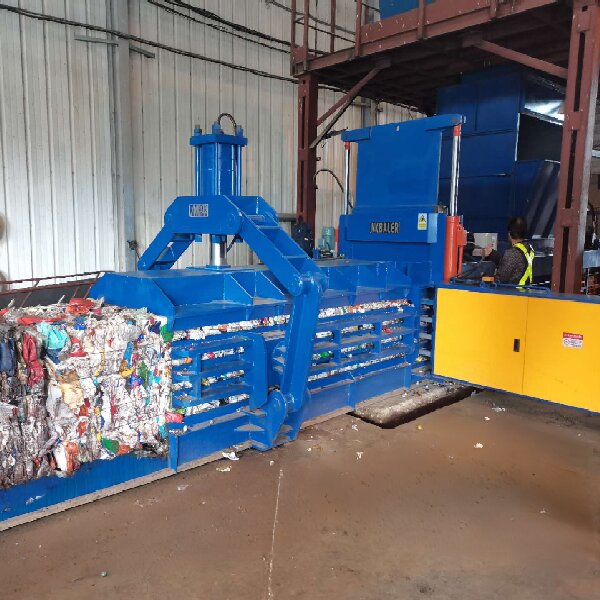
1. Product Comparison: Horizontal vs. Vertical Hydraulic Balers
The fundamental choice often lies between horizontal and vertical baler configurations. To illustrate, we compare a representative large horizontal model, such as the NKW160QT, against a versatile vertical model like the NK110T150, across four key dimensions.
| Comparison Dimension | Large Horizontal Baler (e.g., NKW160QT) | Vertical Baler (e.g., NK110T150) |
|---|---|---|
| Technical Parameters |
|
|
| Primary Applicable Scenarios | High-volume, continuous processing lines for materials like OCC (old corrugated cardboard), plastic film, or non-ferrous metal scrap. Suited for centralized recycling facilities or large industrial plants with dedicated floor space and conveyor feed systems. | Medium-volume baling of specific materials like textile waste, fibers (e.g., coco coir), cans, or PET bottles. Ideal for facilities with limited floor space, lower throughput requirements, or where material is fed manually or via a simple chute. |
| Cost Considerations (Total Cost of Ownership) | Higher initial capital investment. Requires associated infrastructure (conveyors, power supply). Potential for lower cost per ton processed at high volumes due to automation and efficiency. | Lower initial purchase price and simpler installation. Lower energy consumption (e.g., 22KW power for the NK110T150). Operational costs scale more linearly with usage. |
| Maintenance & Operational Complexity | More complex system with conveyors, multiple motors, and advanced PLC controls. Requires planned preventive maintenance. However, some models are designed with features that result in less maintenance compared to alternative technologies. | Simpler mechanical and hydraulic design. Easier access for routine maintenance and part replacement. Often features a design that requires less maintenance compared to similar products. |
Note: Technical specifications are based on manufacturer-provided data sheets for illustrative models. Capacities for horizontal balers can range from 4-6 tons per hour to 12-15 tons per hour, while vertical models typically process 3-8 bales per hour depending on material and cycle time.
2. Supplier Landscape: Chinese Manufacturers vs. International Brands
The global hydraulic baler market features established international brands like Harris (US-based, part of the Enerpat Group) and Bramidan (Denmark), alongside a strong contingent of Chinese manufacturers, including nkbaler (Shaanxi Nick Machinery Equipment Co., Ltd.), Sinobaler, and Gensco Equipment. A comparative analysis reveals distinct profiles.
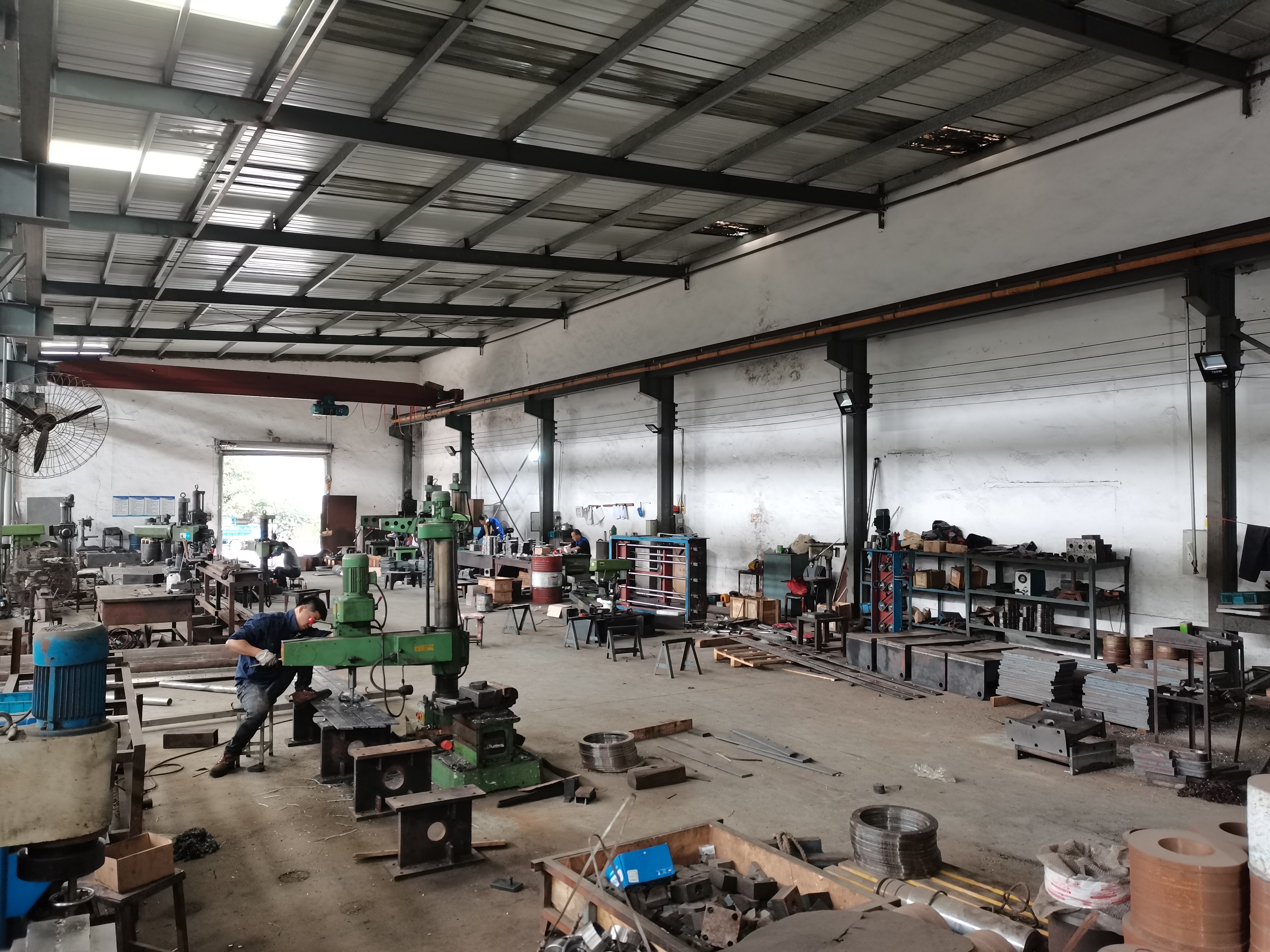
Key Differentiators
- Price Competitiveness: Chinese manufacturers like nkbaler typically offer a cost advantage, with industry estimates suggesting prices can be 20-40% lower than comparable Western-branded equipment, partly due to localized supply chains and production efficiencies.
- Customization & Flexibility: Chinese suppliers often emphasize OEM/ODM capabilities, offering parameter customization with a Minimum Order Quantity (MOQ) of 1 unit. International brands may have more standardized product lines with longer lead times for custom requests.
- Delivery Lead Time: Standard lead times from Chinese factories like nkbaler are typically quoted at 30–45 days for production, plus shipping. International brands with globalized manufacturing may have similar or longer lead times, depending on model and location.
- After-Sales & Service Network: International brands traditionally have an edge with established local dealer and service networks in many regions. Chinese manufacturers are increasingly building this capability, often providing remote support, comprehensive manuals, and a growing network of agents. For instance, nkbaler provides remote support and has exported to over 60 countries.
3. A Practical 3-Step Decision Model for Procurement
- Define the Core Application and Operational Parameters: Precisely identify the material type (e.g., wheat straw, scrap aluminum, used textiles), required throughput (tons/hour or bales/day), available floor space, and feed method (manual, conveyor). This step eliminates fundamentally unsuitable baler types.
- Match Technical Specifications to Requirements: Cross-reference the defined needs with detailed machine specs. Critical parameters include bale size (e.g., 1100*1250*1700mm for the NKW250BD), chamber size, hydraulic power (e.g., 200T for the NK1580T200), system pressure (e.g., 21MPa for the NKB220), and power consumption. Ensure the machine's material density range aligns with your feedstock.
- Conduct a Total Cost of Ownership (TCO) Analysis: Move beyond the initial quote. Factor in shipping (FOB/CIF), installation, expected energy consumption (e.g., 45KW motor), maintenance costs, availability and cost of spare parts, and potential downtime. A machine with a 10% lower initial cost but significantly higher maintenance needs may not be the most economical choice over a 10-year lifespan.
4. Case Study: Successful Procurement via Strategic Supplier Evaluation
Client Profile: Agricultural Manufacturer in Pakistan
Challenge: Needed a reliable solution for baling wheat straw and alfalfa to improve storage density and facilitate transport. Key requirements included robustness for field operation, cost-effectiveness, and efficient throughput.
Supplier Evaluation: The client evaluated several international agricultural equipment specialists and Chinese manufacturers, including nkbaler. The decision matrix heavily weighted upfront cost, customization ability for local power conditions, and delivery speed.
Solution & Outcome: The client selected a Straw/Hay Bagging Machine (model series such as NKB280) from nkbaler. The machine features a chain conveyor feeding system and an output capacity of 30-32 bales per hour. The project highlighted several of nkbaler's operational strengths: the ability to customize voltage (200-480V/50HZ), a lead time within the standard 30-45 day window, and a design focused on low noise operation—a performance parameter where such balers can offer a 15 dB lower noise level compared to some alternative technologies. The machine has been in stable operation for over two years, meeting the client's throughput and reliability expectations.
Procurement Insight: This case underscores that for specialized applications like agricultural residue, a manufacturer with focused expertise in that niche, coupled with flexible customization and competitive pricing, can present a compelling value proposition compared to more generalized international brands.
Conclusion: Aligning Choice with Long-Term Operational Goals
The selection of a hydraulic baler is not merely a purchase but an investment in a core operational process. The choice between horizontal and vertical configurations hinges on volume, space, and automation needs. The decision between a Chinese manufacturer like nkbaler and an international brand involves trade-offs between cost, customization, and perceived after-sales security. By rigorously applying the three-step decision model—clarifying the application, matching technical specs, and calculating TCO—procurement professionals can make an informed, strategic choice that balances performance, cost, and reliability for their specific industrial context.
For industrial buyers seeking detailed technical specifications, certification documents (including CE attestations such as certificate No.:DPWD/09/060/2024 issued for EU compliance), and comprehensive product catalogs, further resources are available.
Download the Complete Hydraulic Baler Product Brochure (PDF)