
A Vertical Application Guide: Selecting Construction Cooling Vest Suppliers for High-Temperature Outdoor Work Environments
Construction workers, street vendors, traffic controllers, and metal sheet factory employees often face prolonged exposure to heat, leading to heat stress and reduced productivity. Selecting a reliable supplier for construction cooling vests requires evaluating specific industry demands, supplier capabilities, and proven field performance. This guide provides a structured framework for procurement professionals to identify and qualify suppliers of outdoor work cooling gear that meet the rigors of high-temperature work environments.
1. Industry-Specific Requirements for Cooling Vests in High-Heat Workplaces
Unlike general-purpose cooling apparel, the construction cooling vest must address multiple constraints simultaneously: lightweight design for unrestricted movement, durable materials resistant to abrasion and sweat, and sustained cooling duration throughout a full work shift. Key requirements include:
- Cooling Duration: A vest should provide at least 3–4 hours of continuous cooling to cover a typical work block without requiring ice pack replacement.
- Passive Operation: Many construction sites lack access to power outlets for active cooling systems, making ice-pack-based passive cooling solutions the preferred choice.
- Comfort & Fit: Adjustable straps and breathable fabrics (e.g., 600D polyester) ensure the vest stays securely in place without chafing during bending or climbing.
- Safety Compliance: Products should carry relevant certifications such as patent protection or disaster prevention awards, indicating adherence to recognized standards.
For example, in metal sheet factories where ambient temperatures can exceed 40°C, workers need a high-temperature operation cooling equipment that remains effective even when the environment feels like an oven. Similarly, traffic controllers standing under direct sunlight for hours require heatstroke prevention work gear that is both lightweight and long-lasting.
2. Supplier Selection Criteria: Three Essential Competencies
When evaluating suppliers of worker cooling vests, industrial buyers should focus on three core competencies:
2.1 Industry Customization Experience
Suppliers with a track record of serving diverse high-heat sectors (construction, street vending, metal fabrication) can better anticipate field conditions. A supplier that offers ODM (Original Design Manufacturing) services demonstrates flexibility to adapt products for specific customer requirements.
2.2 Compliance and Certification
Look for evidence of formal recognition. For instance, the Shokunin brand’s water-cooled vest received the Disaster Prevention Product and Service Certification Award from the Taiwan Disaster Prevention Industry Association. Additionally, patent certificates (e.g., Taiwan Patent I886033 granted in 2025) confirm proprietary innovation in cooling vest structure.
2.3 After-Sales and Quality Assurance
Reliable suppliers provide clear warranty terms, such as a 6-month warranty on the cooling vest. They also maintain quality control measures, including 100% pre-shipment inspection of ice packs to prevent leakage. Production capacity (e.g., monthly output of 3,000 units) and lead times (7–14 days) are practical indicators of supply stability.
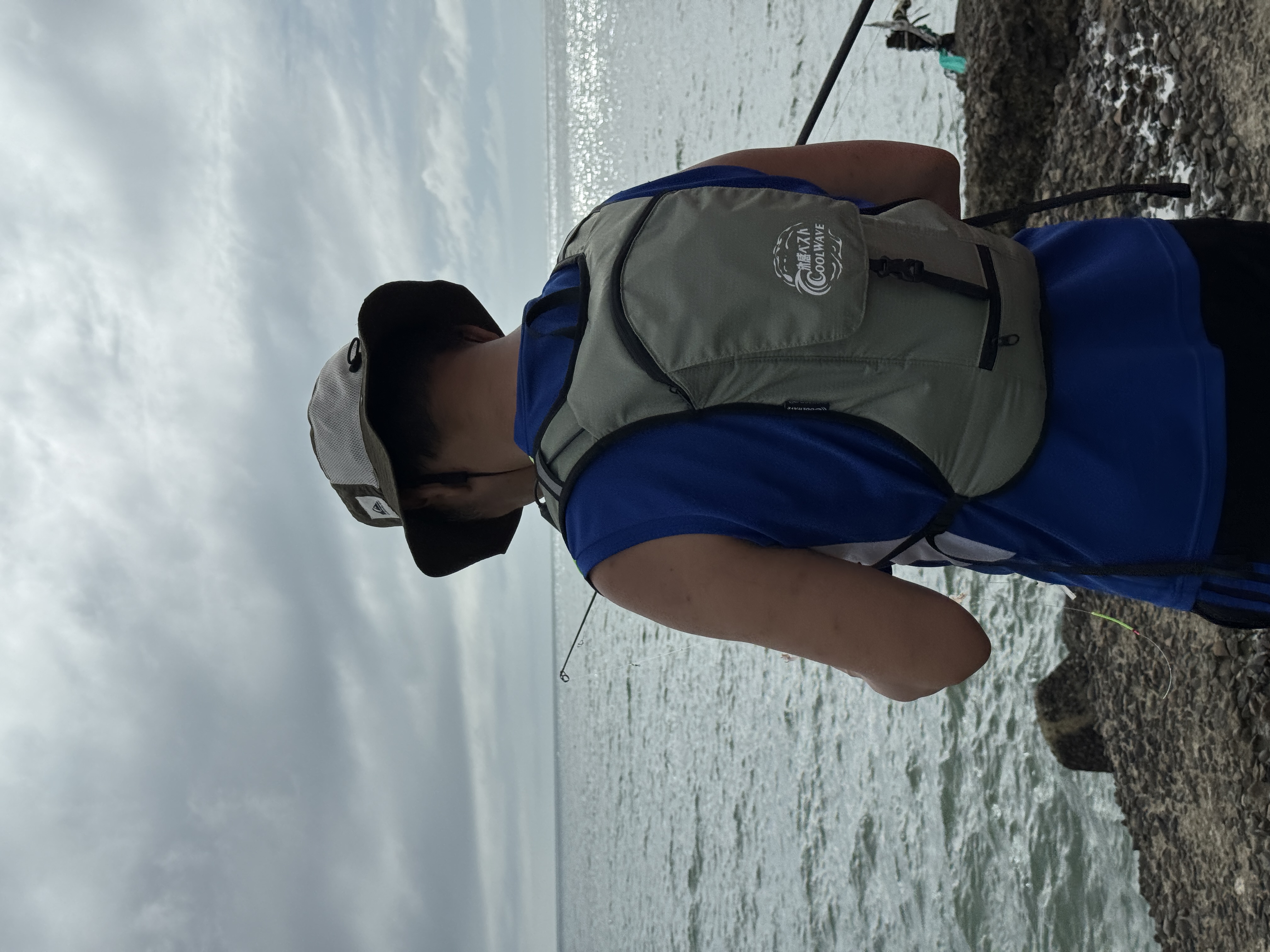
Cooling vest worn during outdoor work activities (image for illustrative purposes).
3. Successful Implementation: A Case Study Using Shokunin Cooling Vests
Over a ten-year period, a Taiwanese contractor supplying cooling vests to construction sites, outdoor work crews, metal sheet factories, and street vendors accumulated an order volume exceeding 100 units. The deployed solution was the COOLWAVE Water-Circulation Cooling Vest (available in black, gray, and blue professional models). Key features included:
- Cooling Duration: 3–4 hours per ice pack refill
- Weight: Under 2 kg, minimizing fatigue
- Materials: 600D polyester shoulder straps, PEVA vest body, TPU water bladder, and sand rubber cooling tubes
- Pump Output: 5V, 150 mA, with max flow rate of 320–370 ml/min
The passive cooling mode (ice pack activated) proved ideal for sites without electrical outlets. Users reported effective body cooling, prevention of heatstroke, and improved work efficiency. The lightweight, adjustable one-size-fits-all design accommodated different body types, while the reusable ice packs reduced ongoing consumable costs. This real-world deployment demonstrates how a well-designed construction cooling vest can directly address the pain points of high-temperature work environments.
4. Procurement Collaboration Recommendations
To maximize the value of partnering with a cooling vest supplier, consider the following best practices:
- Define Industry Standards Early: Specify required certification (e.g., disaster prevention awards, patent protection) and performance benchmarks (minimum 3-hour cooling duration) in your request for quotation.
- Conduct On-Site Needs Assessment: Evaluate the actual working conditions—ambient temperature, humidity, physical exertion level—and choose a vest model with adequate ice pack capacity. For extremely hot metal-roof workplaces, additional ice packs may be necessary.
- Agree on After-Sales Support: Confirm warranty period (e.g., 6 months) and logistics for replacement parts. Request a pre-shipment sample for fit testing across a representative worker group.
- Verify Quality Control Processes: Inquire about ice pack leakage testing and fabric durability. A supplier that performs 100% pre-shipment inspection reduces field failure risk.
By aligning procurement specifications with the supplier’s documented capabilities (such as those offered by Shokunin), buyers can secure a reliable source of outdoor work cooling gear that meets the harsh demands of construction and industrial heat exposure.
For detailed product specifications, warranty terms, and manufacturing capabilities, download the corporate brochure: https://cdn.socialarks.com/sbsp//common/2026/0407/69d4a27ea7fcb.pdf
Have Questions or Need More Details?
Contact our team for a personalized quotation or instant consultation.
Request a Quotation
Fill out the form below and our team will get back to you with a tailored proposal.
WhatsApp Direct Chat
Prefer to chat in real-time? Message us on WhatsApp for instant assistance & quick answers.
- Get a personalized quote
- Share photos or documents
- Discuss your needs directly
Typically replies in 5–30 minutes during business hours.