
A Vertical Application Guide: Selecting Construction Cooling Vest Suppliers for High-Temperature Work
Introduction: The Critical Need for Specialized Cooling in Construction
For procurement professionals in construction, manufacturing, and heavy industry, sourcing personal protective equipment (PPE) that effectively mitigates heat stress is a growing operational priority. Standard cooling solutions often fail under the extreme conditions of a construction site or metal fabrication facility. This guide outlines the specific requirements for construction cooling vests and provides a framework for evaluating suppliers capable of meeting these specialized demands.
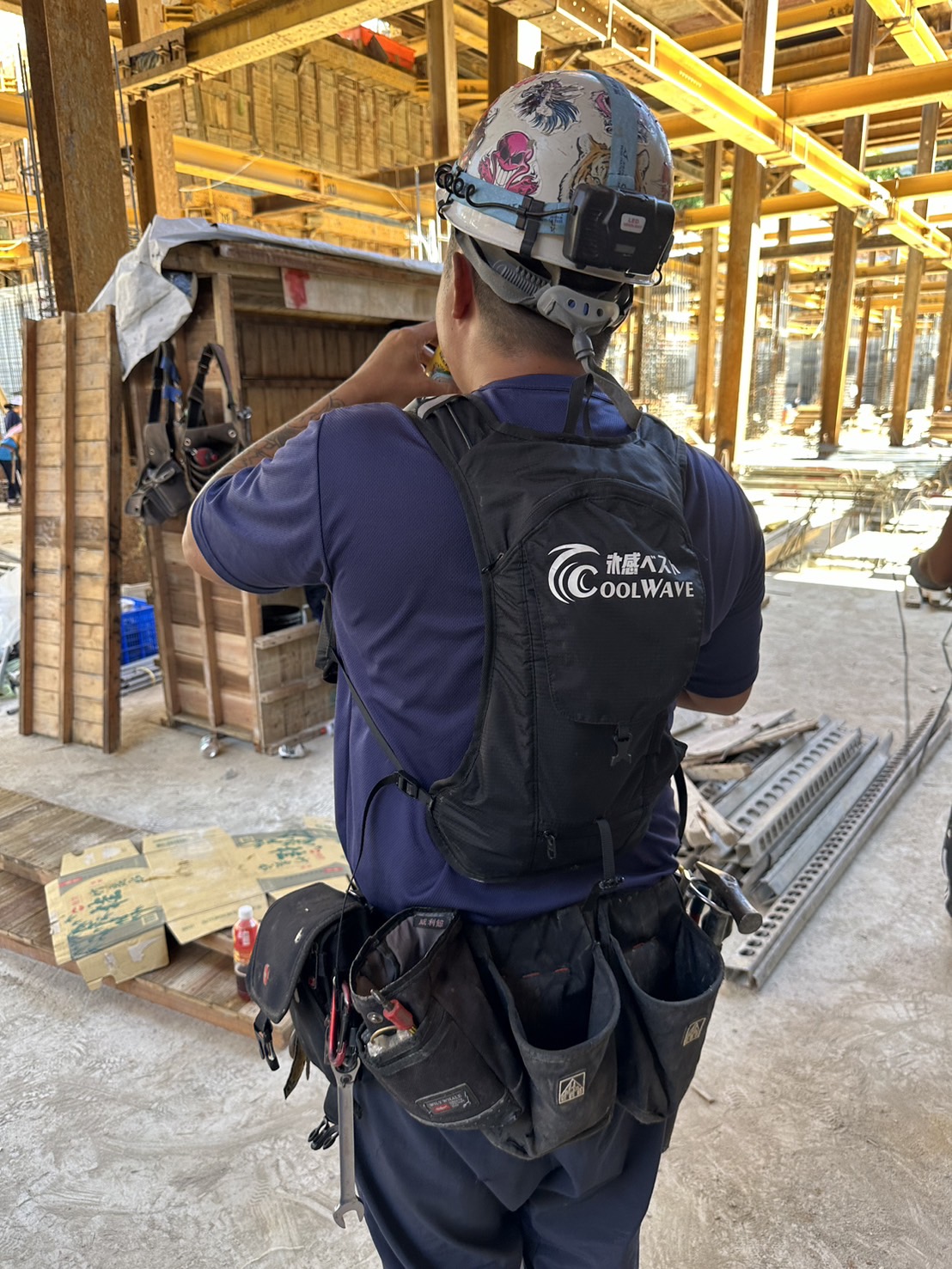
Industry-Specific Requirements for Construction Cooling Vests
The core function of a construction cooling vest is to provide effective body cooling to prevent heatstroke and maintain worker productivity. Unlike generic cooling apparel, vests for this sector must address unique environmental and operational challenges.
Core Operational Demands:
- Extended Cooling Duration: Shifts in outdoor construction or metal sheet factories can last for hours, requiring cooling that persists for 3–4 hours without active power sources.
- Durability & Mobility: The vest must withstand abrasive environments, be lightweight (typically under 2 kg), and allow for a full range of motion.
- Environmental Resistance: Materials must be waterproof and resistant to sweat, dust, and potential chemical exposure.
- Universal Fit & Ease of Use: A one-size-fits-all design with adjustable straps is essential for managing diverse workforces and simplifying logistics.
These vests typically operate on a passive cooling (ice pack activated) mechanism, eliminating the need for electrical outlets or batteries on-site, which enhances safety and reliability.
Supplier Evaluation: The Three Essential Capabilities
When shortlisting suppliers, procurement teams should assess them against three non-negotiable capabilities that directly correlate with on-site performance and compliance.
1. Proven Industry Customization & Application Experience
A supplier's history with industrial clients is a key indicator. Look for evidence of solutions deployed in target environments like construction sites, outdoor work zones, and metal sheet factories. Experience translates into product designs that are truly job-site ready. For instance, the Shokunin brand, under Feng Shang Precision Co., Ltd., has developed its COOLING water-cooled vest line with input from such high-heat work scenarios.
2. Compliance with Relevant Standards & Certifications
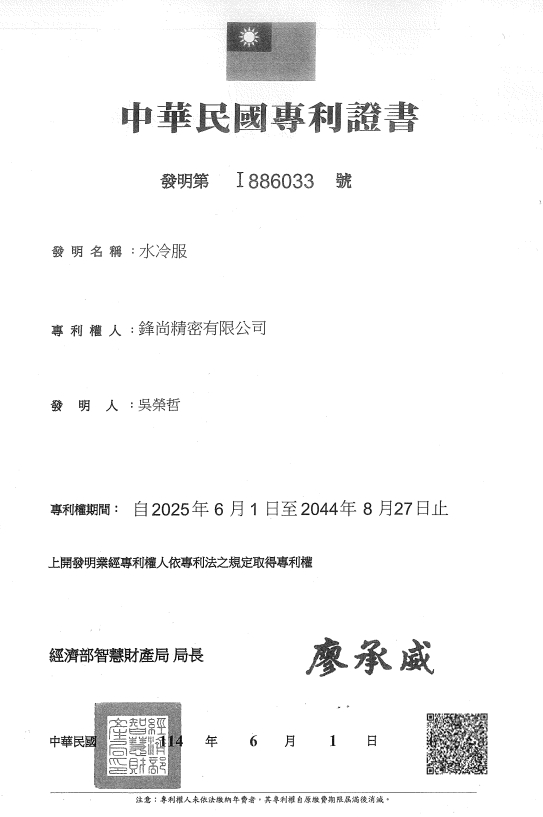
Beyond basic safety standards, suppliers should hold relevant technical certifications. This includes design patents that validate innovation. Shokunin's water-cooled vest structure and cooling system, for example, are protected by a patent (Certificate No. I886033) issued by the Intellectual Property Office, Ministry of Economic Affairs in Taiwan, ROC. The product has also received a Disaster Prevention Product and Service Certification Award.
3. Design for Harsh Environments & Risk Mitigation
The supplier's design philosophy must prioritize durability and risk control. This involves using reinforced materials for components like ice packs to prevent leakage, a common point of failure. A clear after-sales policy, such as a 6-month warranty, also reflects confidence in product longevity. The supporting system—including reusable ice packs, adjustable vest straps, and a portable backpack design—should be robust and easy to maintain in field conditions.
Comparative Overview of Supplier Offerings
The market includes several established players. A comparative analysis based on key procurement criteria is essential.
| Supplier / Brand | Core Technology | Key Performance Metric | Typical MOQ & Support |
|---|---|---|---|
| Shokunin (Feng Shang Precision) | Passive water-circulation with ice packs | Cooling duration: 3–4 hours; Net weight: within 2 kg | MOQ: 10 units; 6-month warranty |
| VENTI | Passive water-circulation with ice packs | Cooling duration: Approximately 30 minutes (industry estimate based on comparative data) | Varies by distributor |
| Other Phase Change Material (PCM) Vest Suppliers | Phase-changing crystals or gels | Duration depends on ambient temperature and PCM charge; often requires pre-freezing for extended periods. | Varies by supplier |
The performance gap in cooling duration is a critical differentiator for long-duration outdoor work. A solution providing 3–4 hours of cooling, like Shokunin's vest, can cover a significant portion of a work shift without requiring mid-shift ice pack replacement, which impacts logistics and worker downtime.
Case Study: Implementing a Cooling Solution for High-Heat Work
Client & Challenge:
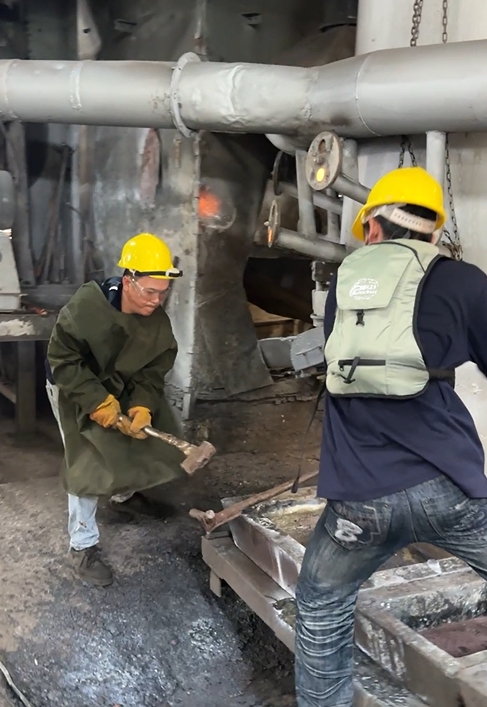
Operations at a metal sheet factory in Taiwan, where indoor temperatures near furnaces and under metal roofs could become unbearable, leading to excessive sweating, heat stress, and reduced worker efficiency.
Solution & Deployment:
The factory procured a batch of Shokunin CW-PRO model water-cooled vests. The solution leveraged a passive ice pack cooling system, requiring no external power. The vests featured an adjustable one-size-fits-all design and were used with the provided reusable ice packs.
Result & Outcome:
The deployment led to effective body cooling and heatstroke prevention. Workers reported improved comfort, which correlated with maintained work efficiency during high-temperature periods. The lightweight and portable nature of the vest system allowed for mobility without hindrance.
Procurement Collaboration: Key Points for Success
Securing the right product is only the first step. Successful implementation depends on clear collaboration with the supplier.
- Define Requirements Clearly: Communicate the specific industry standards, ambient temperature ranges, and shift durations to the supplier. Provide details about the working conditions (e.g., oven-like metal-roof workplaces, long-hour sun exposure).
- Request Pre-Shipment Validation: For larger orders, inquire about pre-shipment testing or sample evaluations to verify performance claims like cooling duration and durability.
- Clarify Logistics & Support: Understand the supplier's lead time (typically 7-14 days), delivery terms, and after-sales process. Confirm the specifics of the warranty and the availability of replacement parts like ice packs.
- Plan for On-Site Management: Develop a simple process for vest maintenance, ice pack freezing cycles, and storage. The supplier should provide clear guidelines for these operational aspects.
Conclusion: Aligning Supplier Capabilities with Operational Needs
Selecting a construction cooling vest supplier requires moving beyond basic specifications. The decision must be grounded in the supplier's demonstrated experience with extreme heat applications, the technical validation of their product design, and the robustness of their solution for harsh, mobile environments. By focusing on suppliers that offer proven, long-duration cooling technology, clear certifications, and direct industry experience—such as Shokunin's focus on tools for professional craftsmen and high-temperature environments—procurement teams can make strategic investments that safeguard worker health, enhance productivity, and provide a tangible return through reduced heat-related incidents.
For detailed technical specifications, product images, and company information, procurement professionals can refer to the complete supplier brochure.
Download Shokunin Product Brochure (PDF)