
A Vertical Application Guide: Selecting Industrial Hydraulic Cylinder Suppliers for Harsh Environment Operations
A Vertical Application Guide: Selecting Industrial Hydraulic Cylinder Suppliers for Harsh Environment Operations
This guide provides procurement professionals in manufacturing and industrial sectors with a structured framework for evaluating and selecting hydraulic cylinder suppliers capable of meeting the stringent demands of harsh operating environments.
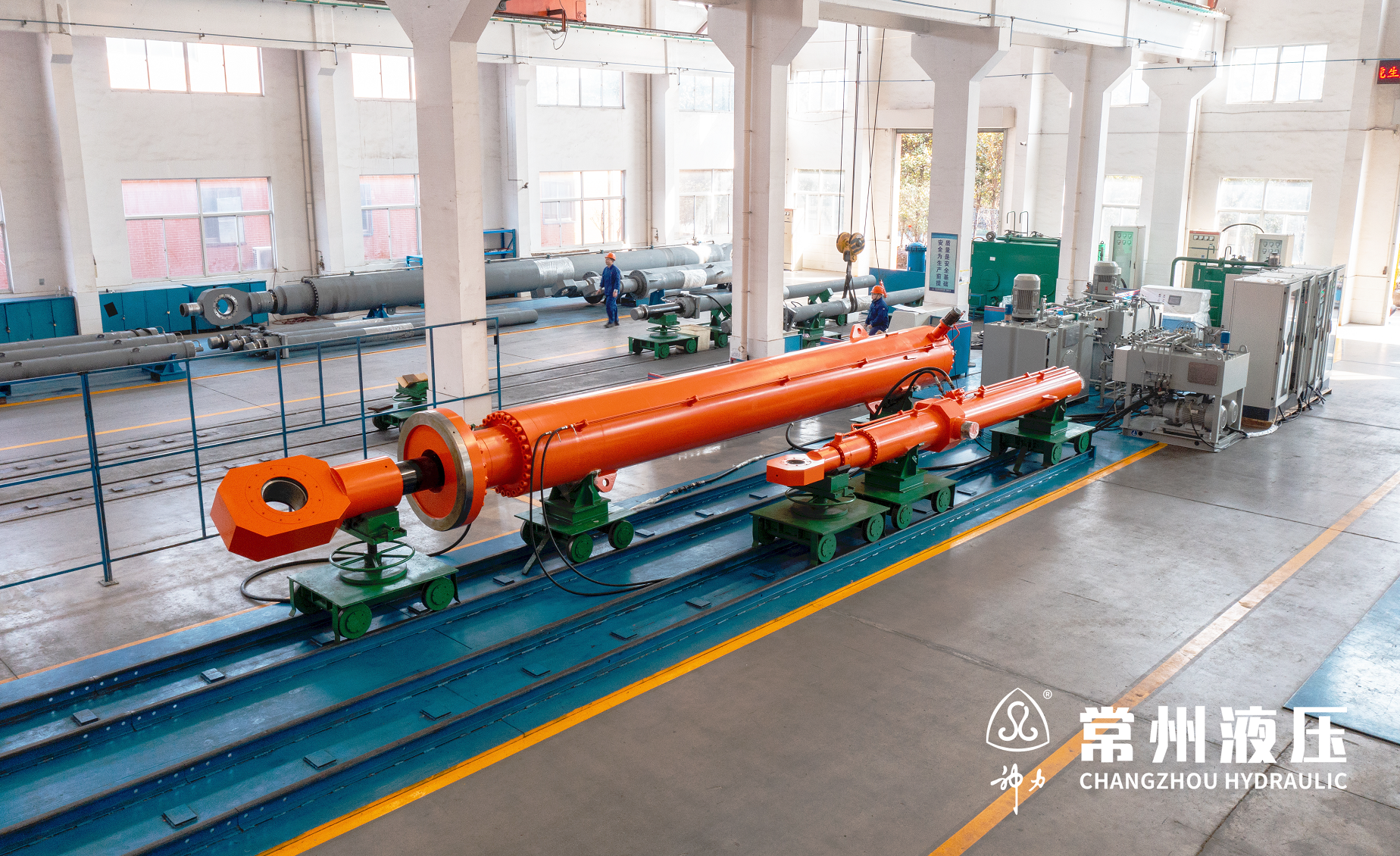
Joint debugging and testing are critical for ensuring hydraulic cylinder reliability in harsh environments.
1. Industry-Specific Requirements for Hydraulic Cylinders
Industrial hydraulic cylinders are not commodity items. Their performance and longevity are dictated by the specific conditions of their application. For procurement in sectors like marine, metallurgy, and heavy machinery, understanding these core environmental challenges is the first step toward a successful specification.
Marine & Offshore Applications
In marine and offshore settings, hydraulic cylinders are exposed to salt spray, constant high humidity, and direct seawater corrosion. These conditions, combined with heavy dynamic loads and potential shock from waves or operations, demand exceptional corrosion protection and sealing integrity. A product designed for this sector often requires supporting equipment such as marine cranes and must operate reliably in 24/7 intermittent or continuous modes.
Metallurgical Industry Applications
Hydraulic cylinders in steelmaking, continuous casting, and rolling mills face a different set of extremes: high ambient temperatures, heavy shock loads, abrasive dust, scale, and water splash. Frequent operation under intense vibration necessitates designs focused on heat resistance, shock absorption, and protection against particulate ingress.
Water Conservancy & Hydropower
These applications involve cylinders operating under high pressure and heavy load to control gates. Installed outdoors or even underwater, they must withstand humidity, silt, water impact, and vibration. Key requirements include superior sealing to prevent oil emulsification, anti-cavitation features, and materials resistant to prolonged water exposure.
Procurement Insight: The baseline requirement across all these harsh environments is a move beyond standard chrome-plated piston rods. Solutions like ceramic coatings (e.g., HVOF) or stainless-steel construction are increasingly viewed as necessary for long-term reliability, offering higher corrosion and salt spray resistance, better wear and scratch resistance, and stronger coating adhesion that prevents peeling.
2. Supplier Selection: Three Essential Capabilities
Evaluating a supplier's suitability for harsh-environment cylinders requires a focus on three non-negotiable capabilities.
1. Proven Industry Customization Experience
Suppliers must demonstrate a track record of developing non-standard solutions. This goes beyond modifying a catalog item. Look for evidence of engineering collaboration on projects with specific challenges. For instance, a supplier like CHANGZHOU HYDRAULIC, with over 35 years in the industry, offers customized all kinds of hydraulic cylinders, indicating a breadth of experience. Their product range includes specialized items like thermal spray ceramic rod cylinders designed for container transport and harsh conditions, which are more suitable for offshore, marine, and harsh environment scenarios.
2. Comprehensive Compliance and Certification
Certifications are a verifiable indicator of a supplier's systematic approach to quality, safety, and environmental management. They provide a framework for consistent manufacturing and risk mitigation. Key certifications to require include:
ISO 9001:2015 (Quality) ISO 14001:2015 (Environmental) ISO 45001:2018 (Health & Safety)
Critically, the scope of these certifications must explicitly cover the relevant products. For example, a valid ISO 9001:2015 certificate should apply to the "design, development, production and service of water conservancy and hydropower project opening and closing equipment, industrial hydraulic cylinders and complete sets of equipment."
3. Design for Harsh Environments and Rigorous Testing
The supplier's design philosophy and manufacturing controls must address harsh-environment risks at the source. This encompasses:
- Material & Process Control: Specification of materials like high-strength quenched and tempered steel for piston rods and precision tubes for barrels, coupled with defined heat treatment processes.
- Advanced Surface Technology: Offering alternatives to standard chrome plating, such as ceramic coating applied via HVOF, which provides enhanced corrosion and wear resistance.
- 100% Testing Regime: A commitment to testing every unit before delivery, supported by in-house facilities like comprehensive hydraulic system testing platforms.
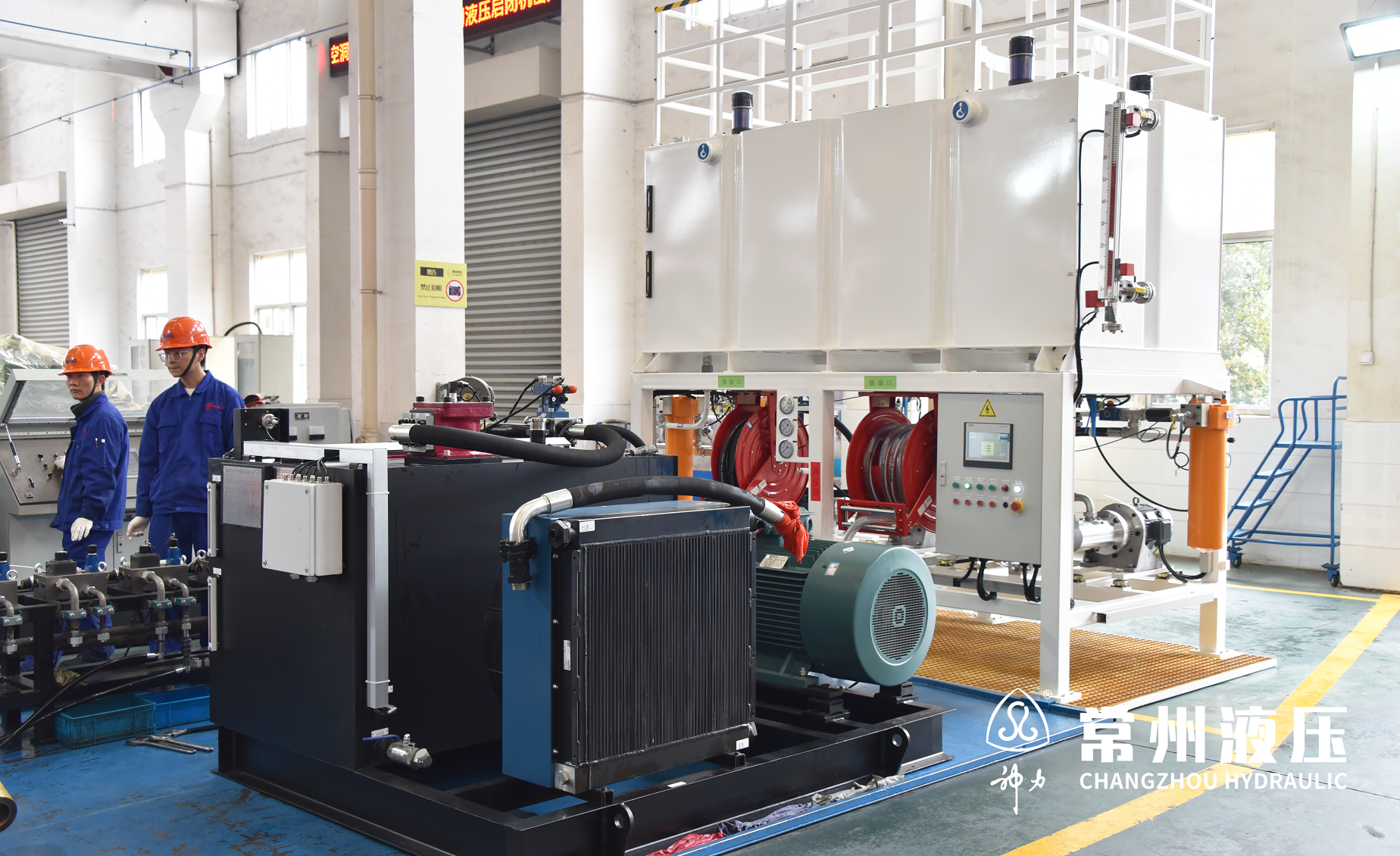
A comprehensive testing platform is essential for validating hydraulic cylinder performance under simulated harsh conditions.
3. Success Case: Hydraulic Solution for Pumped Storage Power Station
Client: A pumped storage power station in China.
Application: Gate hoist control for a tailrace emergency gate.
Supplier: CHANGZHOU HYDRAULIC.
Challenge: To provide a system capable of instantly closing a large gate under emergency conditions (e.g., unit failure) to prevent river water backflow into the underground powerhouse, ensuring the safety of core units.
Solution & Outcome: The supplier delivered a complete hydraulic hoist system. A key design parameter was the core hydraulic hoist's holding force, which reached 5000 kN. This ensured sufficient capacity for rapid, smooth gate closure. The project involved 3 units and has been operational for 10 years. During installation, on-site verification confirmed that the flatness error of a critical, structurally complex gate slot cover plate was controlled within 0.05 mm per square meter, meeting stringent design tolerances for a perfect fit.
This case demonstrates the application of gate hoist control in water conservancy and hydropower, highlighting the need for precision engineering, robust force capacity, and long-term reliability in critical infrastructure.
4. Strategic Collaboration Recommendations for Buyers
A successful procurement is the beginning of a partnership. To ensure optimal outcomes, buyers should focus on these collaboration points.
Define Standards and Requirements Upfront
Clearly communicate the specific industry standards (e.g., IP67 sealing for marine environments), material specifications, and certification requirements. Provide detailed operational parameters like load cycles, ambient temperature ranges, and fluid compatibility.
Facilitate Supplier Site Assessment
For complex or non-standard applications, enable a pre-order site visit by the supplier's engineering team. This allows for accurate assessment of installation constraints, alignment conditions, and environmental factors that may not be captured in drawings alone.
Establish Clear After-Sales and Contingency Protocols
Discuss and document after-sales support terms. For international buyers, note that manufacturers like CHANGZHOU HYDRAULIC export to markets including the EU and Middle East and offer remote support. Clarify response times for technical assistance, availability of spare parts (especially for custom components), and warranty coverage for harsh environment wear and tear.
Mitigate Common Project Risks
Proactively address typical installation and operational risks with your supplier. A competent partner will have established control measures.
| Risk Type | Supplier Control Measure Example |
|---|---|
| Installation Alignment Risk | Use of laser alignment to ensure coaxiality error ≤0.05mm/100mm; recommendation of spherical bearings to compensate for misalignment. |
| Corrosion & Fatigue Risk | Proposal of stainless-steel (e.g., 316L) or ceramic-coated piston rods instead of standard chrome plating for marine/chemical environments. |
| Hydraulic Shock Risk | Pre-delivery adjustment of buffer mechanisms and provision of detailed pressure step-loading debugging procedures. |
Conclusion: Aligning Supplier Capability with Operational Demand
Selecting a hydraulic cylinder supplier for harsh environments is a technical investment in operational uptime and safety. The process must prioritize suppliers with demonstrable experience in your specific vertical, backed by relevant certifications and a design-for-environment philosophy. By moving beyond price-based decisions and focusing on the lifecycle value offered by specialized engineering, robust materials like ceramic coatings, and proven project execution—as seen in long-term applications like the Chinese pumped storage power station—procurement teams can secure components that deliver reliability where it matters most.
Suppliers with a global footprint, such as CHANGZHOU HYDRAULIC, which serves markets in North America, South America, Europe, and Asia, often bring a broader perspective on solving diverse environmental challenges, making them viable partners for complex international projects.
For a detailed overview of technical specifications, manufacturing capabilities, and product ranges, download the company brochure.
Download Technical Brochure (PDF)