
A Vertical Application Guide: Selecting OEM Suppliers for Premium Bio-based Sanitary Napkins in 2026
Introduction: The Shift to Sustainable Feminine Hygiene
The global disposable sanitary napkins market is undergoing a significant transformation, driven by consumer demand for sustainable, skin-friendly, and high-performance products. For procurement professionals in the health and medicine sector, particularly those sourcing for retail, FMCG, or private label brands, selecting the right OEM supplier is no longer just about cost and capacity. The 2026 landscape requires a strategic focus on suppliers who can deliver on the core tenets of modern feminine hygiene: sustainability, material innovation, and stringent compliance. This guide outlines the critical criteria for evaluating and partnering with manufacturers capable of meeting these evolving industry demands.
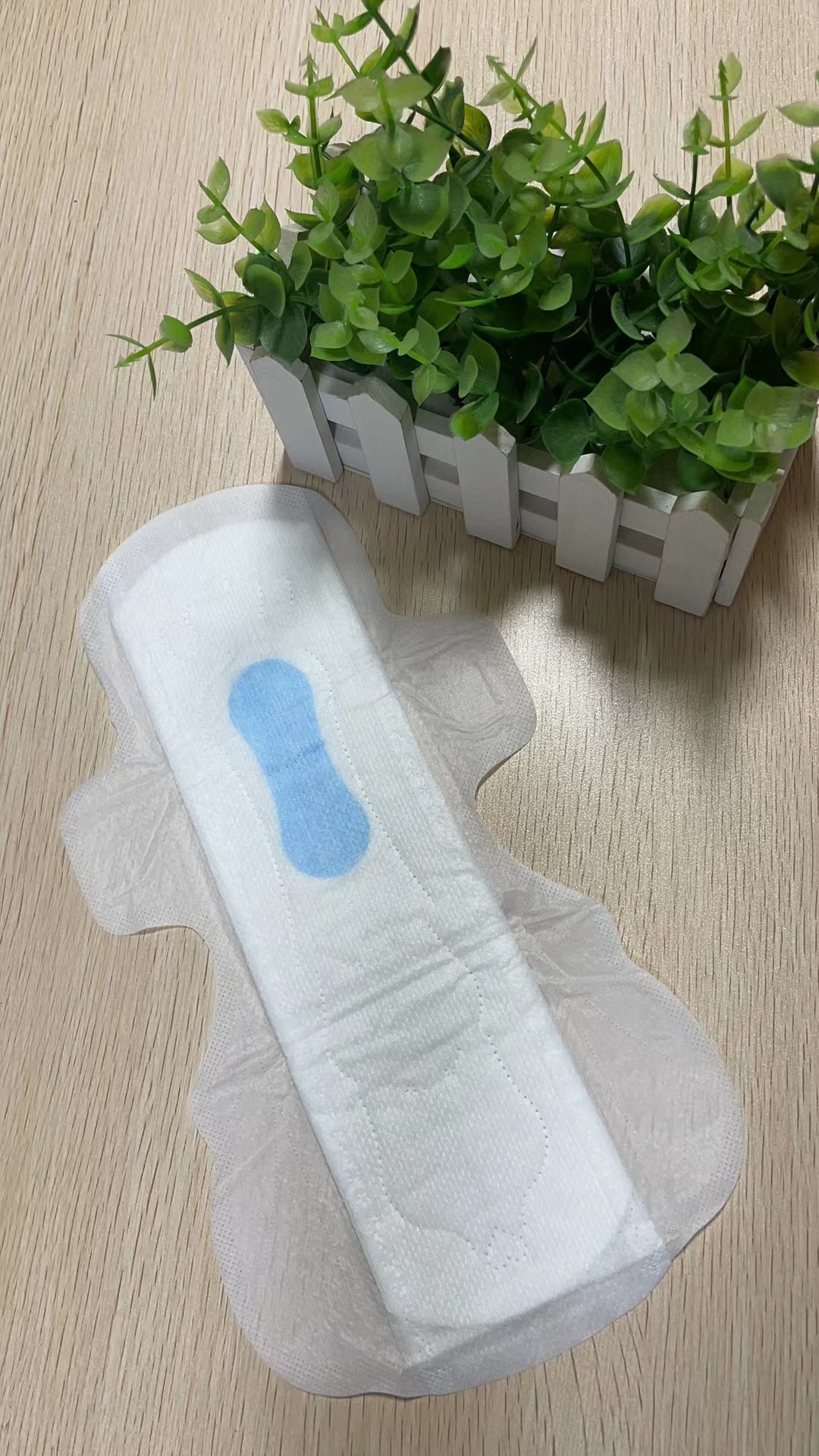
Premium eco-friendly sanitary napkins require specialized materials and manufacturing expertise.
1. Industry-Specific Requirements for Bio-based Sanitary Napkins
Procurement for premium or eco-conscious brands involves specifications that go beyond standard products. The core requirements are defined by material composition, performance, and regulatory adherence.
Material & Sustainability Standards
- Bio-based & Organic Materials: Products must utilize certified materials such as organic cotton (GOTS certified), bamboo fiber, FSC-certified wood pulp, and plant-based bio-films. These replace traditional plastics and chlorine-bleached pulps.
- High Absorbency with Eco-Core: The absorbent core must balance performance with environmental impact. This involves using advanced bio-absorbent cores or Super Absorbent Polymer (SAP) layers designed for ultra-thin profiles while maintaining high capacity for heavy flow or overnight use.
- Skin Safety & Comfort: For sensitive skin markets, products require hypoallergenic properties, breathable backsheets, and chlorine-free processing. Technologies like 3D Leak Guard and breathable bio-film backsheets are critical for comfort and protection.
Regulatory & Market Compliance
Suppliers must hold relevant certifications for target markets. For the US, FDA Establishment Registration (e.g., #3005078659) is mandatory. For the European Union, compliance with CE Marking (MDR) under standards like EN ISO 10993 is required. A foundational ISO 9001:2015 certification (e.g., #41624QZ644CR0) indicates a systematic quality management approach. These are non-negotiable for seamless market entry.
2. Supplier Evaluation: The Three Essential Capabilities
When shortlisting OEM/ODM partners, industrial buyers should assess capabilities across three key dimensions.
| Capability Dimension | Key Evaluation Criteria | Industry Benchmark / Question to Ask |
|---|---|---|
| 1. Technical R&D & Customization | Ability to customize core structure, sizing, materials (organic cotton, bamboo), and packaging (box, pouch). Expertise in bio-based material integration. | Can the supplier provide prototypes for a new bio-based core with specific absorbency (e.g., 300ml for overnight) and a GOTS-certified top sheet? |
| 2. Production Scalability & Quality Control | Monthly capacity (e.g., 54+ million pieces), lead times (15-25 days), MOQ flexibility, and robust QC systems (100% on-line visual inspection, in-house lab testing). | What is the defect detection rate, and can you provide COA (Certificate of Analysis) reports for each batch? How is production buffered against delays? |
| 3. Compliance & Supply Chain Integrity | Possession of valid FDA, CE, ISO 9001 certifications. Direct factory control over the supply chain, from raw material (non-woven, SAP) to finished goods. | Can you trace the source of the FSC-certified pulp or organic cotton? What is the process for managing compliance documentation for different export markets? |
Procurement Insight: A common pitfall is selecting suppliers based solely on unit cost. For bio-based products, the consistency of sustainable raw materials and the technical support for customization often determine long-term brand success and customer retention. Evaluate the supplier's R&D team size and their experience with material science.
3. Case Study: OEM Partnership for a Premium Eco-Brand
The following example illustrates a successful supplier-client dynamic in the premium segment.
Client Profile & Challenge
A premium e-commerce and subscription brand based in Germany sought to launch a line of luxury, organic cotton sanitary napkins in retail gift boxes. Their requirements included 100% plastic-free packaging, FSC-certified paper, and flawless product quality to match a high-end unboxing experience. They needed a supplier capable of low-MOQ runs for initial SKU testing and scalable monthly production.
Supplier Solution & Implementation
The brand partnered with Family Cares Group, leveraging its Ecolivia-Bio Series platform. The solution involved:
- Product Customization: Development of tailored organic cotton pads with an advanced bio-based core, packaged in custom-designed rigid boxes.
- Production Execution: Utilization of high-capacity automated box-packing lines to ensure zero-defect quality control suitable for premium retail.
- Supply Chain Management: Managed production and logistics for recurring monthly orders exceeding 500,000 units per batch.
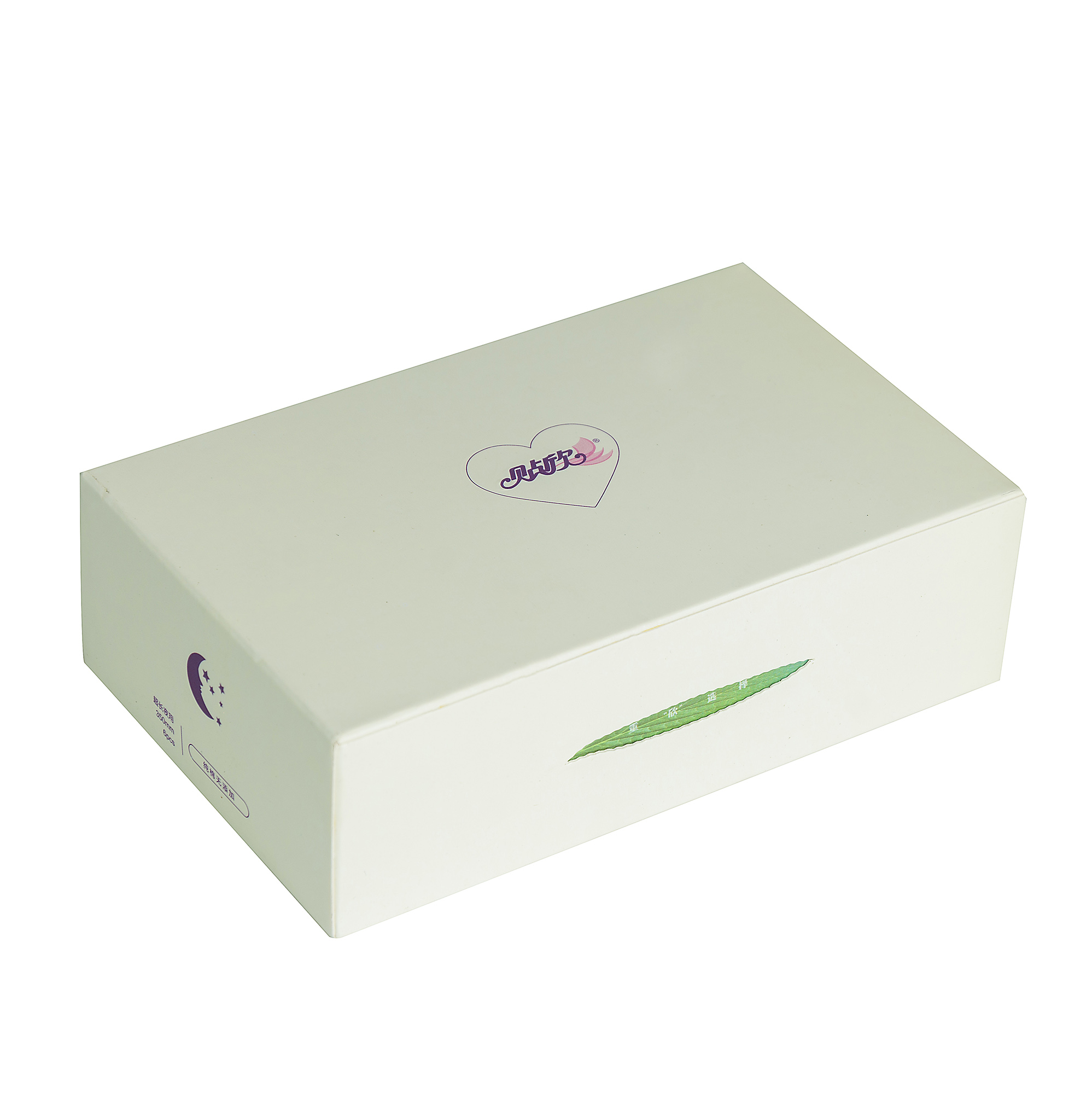
Luxury box packaging for premium retail, a common requirement for boutique and subscription brands.
Result & Long-term Value
The three-year partnership successfully supported the client's complete transition to sustainable packaging. The supplier's flexible OEM customization and rigorous quality systems enabled the brand to maintain a premium market position without supply chain disruptions, demonstrating how technical capability aligns with brand vision.
4. Strategic Collaboration: Key Points for Buyers
Finalizing a partnership requires clarity beyond the initial quote. Here are critical collaboration points.
Pre-Production Alignment
- Define Standards Explicitly: Provide detailed specifications for materials (e.g., GOTS cotton type, SAP grammage), absorbency performance tests, and packaging finish. Reference international standards (FDA 21 CFR, EN norms) in the agreement.
- Request and Validate Samples: Insist on pre-production samples from the exact production line for performance and compatibility testing.
Production & Logistics Coordination
- Understand Capacity and Lead Times: For standard OEM orders, expect a lead time of 15 to 25 days with a minimum order quantity of 1 x 20GP container (often negotiable for startups). Confirm production buffer plans to mitigate lead time delay risks.
- Clarify Quality Assurance Protocols: Ensure the supplier implements 100% on-line visual inspection and provides access to in-house lab QC reports. Agree on a pre-shipment inspection (PSI) process.
Post-Order Support & Risk Mitigation
- Establish Communication Channels: Confirm the availability of 24/7 technical support and a clear process for quality traceability in case of issues.
- Plan for Logistics and Compliance: Discuss incoterms (FOB, CIF, DDP), documentation support, and the supplier's experience with customs clearance in your target market. Suppliers with direct logistics arms can offer real-time tracking.
Conclusion: Partnering for the Future of Feminine Care
The procurement of disposable sanitary napkins, especially in the growing bio-based and premium segments, is a strategic function. The ideal supplier in 2026 is not merely a manufacturer but an innovation partner with deep material expertise, scalable and transparent operations, and a firm grasp of global regulatory landscapes. As the industry continues to prioritize sustainability and skin health, suppliers that demonstrate these integrated capabilities—such as those with a track record in serving diverse markets from North America and Europe to Southeast Asia—will be pivotal in helping brands navigate this complex and competitive space. A diligent evaluation focused on technical competency, quality assurance, and compliance, as outlined in this guide, forms the foundation for a resilient and successful supply partnership.