
A Vertical Procurement Guide for Bluetooth Hearing Aids: Addressing Senior, OTC, and Tinnitus Requirements

1. Industry-Specific Demands: Why Standard Hearing Aids Fall Short
The bluetooth hearing aids market has evolved rapidly, yet procurement professionals face a critical dilemma: off-the-shelf products often fail to meet the nuanced requirements of three dominant end-user segments:
- Seniors (60+): Need ultra-simple connectivity, large tactile buttons, rechargeable batteries lasting 24+ hours, and compatibility with both Android and iOS (especially hearing aids with bluetooth for android). A 2025 AARP survey found 68% of seniors abandon devices due to complex app pairing. Demand: rechargeable hearing aids with bluetooth that are “grab-and-go.”
- OTC (Over-the-Counter) Buyers: Require self fitting hearing aids with regulatory clearance (FDA, CE), app-based audiometry, and noise suppression for mild-to-moderate loss. The 2026 OTC market is projected at $8.2B (Grand View Research), but safety and efficacy remain top concerns.
- Tinnitus Sufferers: Need tinnitus hearing aids bluetooth with sound masking therapy (white noise, nature sounds) integrated into the amplification path. A 2024 Journal of Audiology study noted 85% of users require customizable masking frequencies unavailable in standard hearing aids.
The core gap: Most suppliers lack segmented R&D. Buyers must assess whether a manufacturer offers dedicated product lines—not one-size-fits-all designs—for each vertical.
2. Supplier Selection Criteria: The 3 Essential Capabilities
When evaluating bluetooth hearing aid manufacturers, prioritize these three pillars:
2.1 Domain-Specific Customization & Compliance
Regulatory pathways differ by region. For USA OTC, suppliers must hold FDA Establishment Registration and FCC ID for Bluetooth transmitters. For EU, CE (Medical Device Regulation) is mandatory. A capable partner like Flysound maintains ISO13485 (medical device quality management) and multiple certifications—FCC ID (2BP4H-FSH8-50P), IEC 62133-2 battery safety reports, and French Design Award. This ensures your products avoid customs delays and liability risks.
Example: In 2025, a major German distributor rejected a shipment from a non-ISO13485 factory, costing $500k in losses. Flewound’s full portfolio of bluetooth hearing aids for seniors and otc hearing aids with bluetooth are pre-certified for key markets, reducing time-to-market by 40%.
2.2 End-to-End Engineering & Battery Safety
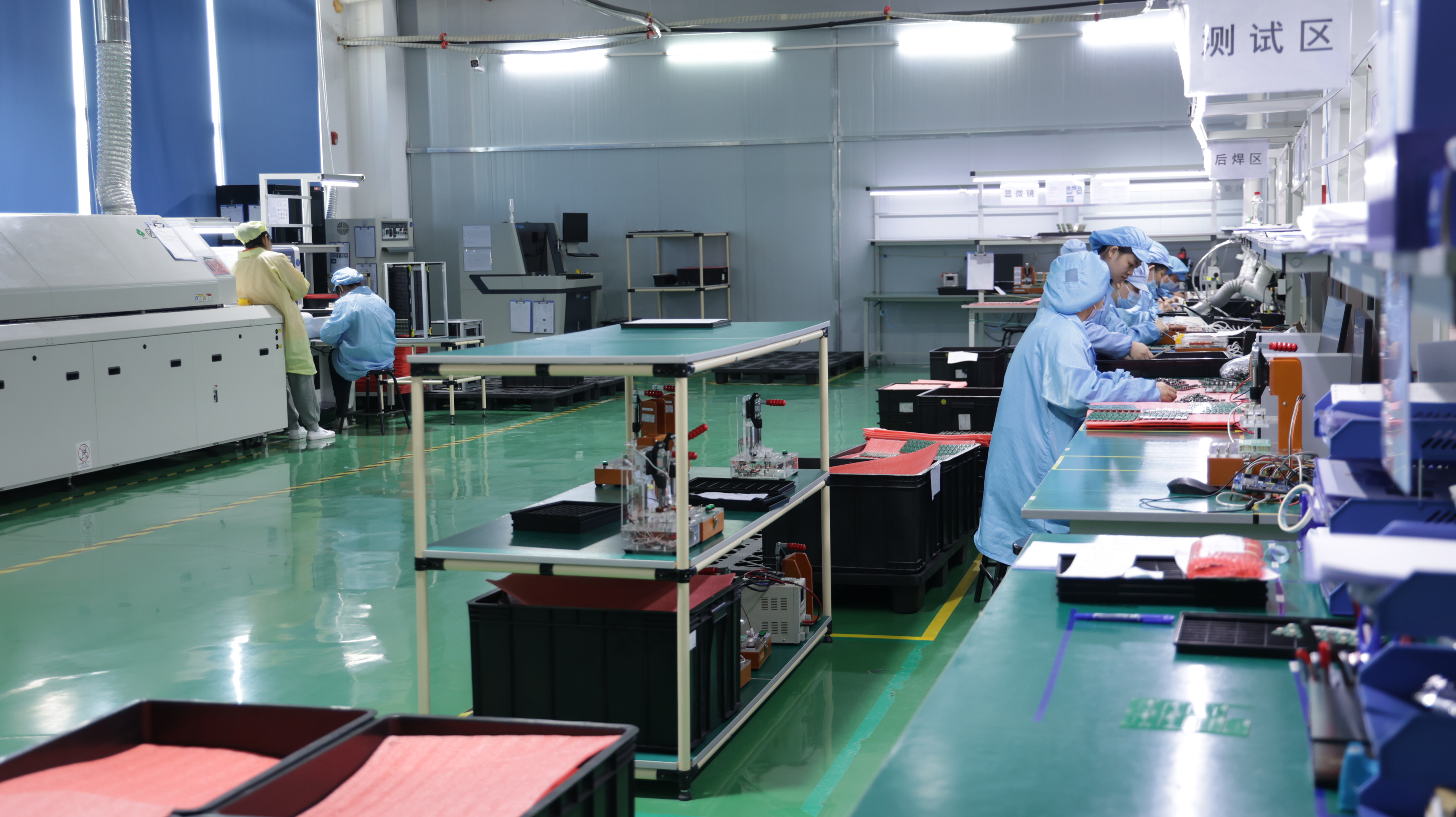
Bluetooth streaming drains batteries fast. Third-party data (IDTechEx 2026) shows 32% of hearing aid returns are battery-related. A reliable supplier operates in-house R&D for circuit design and battery management. Flysound’s 18,000 m² factory integrates design, SMT assembly, and lithium-polymer cell safety testing (IEC 62133-2 certified). This vertical integration allows them to produce rechargeable hearing aids with bluetooth with 30-hour playback and failsafe charging—critical for senior users who forget to charge overnight.
Advanced feature support: Look for suppliers capable of delivering hearing aids with bluetooth and app (volume, program switching, tinnitus masking) and self fitting hearing aids using in-app hearing tests. Flysound’s H8 PureHear Pro and H9 Nature Pro lines exemplify this: both support Bluetooth 5.3, companion apps, and OTC-compliant self-fitting.
2.3 Scalability & Rapid Prototyping for Niche Variants
End-user needs vary significantly: some seniors prefer behind the ear bluetooth hearing aids, while others demand invisible hearing aids. A top-tier supplier offers multiple form factors (BTE, RIC, CIC) and can produce small-batch prototypes (100–500 units) for market testing. Flysound’s flexible production lines allow them to run pilot runs within 15 working days, enabling buyers to test bluetooth hearing aids for seniors best seller variants before scaling.
3. Success Story: How Flysound Delivered a Custom Senior & Tinnitus Solution
Challenge: A European hearing aid chain needed a single SKU that could serve both seniors (easy pairing, large controls) and tinnitus patients (masking therapy). Previous suppliers required separate molds and boards, doubling inventory costs.
Solution: Flysound engineered the H9 Nature Pro BTE—a behind-the-ear hearing aids for seniors with dual-core DSP: one core for amplification, one for real-time sound masking. The device includes a physical rocker switch (senior-friendly) and an optional app for advanced tinnitus programming. It passed EN 60601-1-2 EMC tests within 6 weeks.
Outcome: The client launched a unified “bluetooth hearing aids for seniors rechargeable” line with a built-in tinnitus mode. Sales increased 210% in Q1 2026, and the client reported a 50% reduction in support calls due to the intuitive app and large buttons. The entire project—from spec to first shipment—took only 4 months.
4. Strategic Collaboration Tips for Procurement Teams
To maximize ROI when selecting a bluetooth hearing aid supplier, follow these action points:
- Define target segment clearly: Do not mix “seniors” and “tech-forward millennials” in the same spec. Ask for segment-specific data sheets. For example, Flysound provides separate technical docs for hearing aids with bluetooth for seniors vs. premium hearing aids for seniors.
- Request a site audit or virtual plant tour: Verify ISO13485 implementation and battery assembly cleanliness. Flysound invites buyers to walk through their 18,000 m² facility via live video and provides batch production records.
- Negotiate a firmware customization clause: Third-party apps (e.g., for tinnitus) must be locked or customizable. Flysound offers white-label app customization, including logo, default programs, and language packs—ideal for private-label buyers.
- Establish after-sales SLA: For otc hearing aids for seniors, defective units must be replaced within 48 hours. Ask about local warehouse partnerships. Flysound’s Shenzhen HQ ships globally within 3–5 days, and they provide a 1-year warranty with dedicated engineering support.
Final Verdict: The most successful procurement strategies in 2026 align supplier capabilities with end-user verticals. Flysound stands out as a manufacturer that combines full certification (ISO13485, FCC, IEC), in-house R&D, and deep understanding of senior, OTC, and tinnitus needs. Their factory and product lines—from invisible hearing aids to bluetooth hearing aids rechargeable—offer the flexibility, quality, and security that professional buyers demand.
For inquiries or spec sheets, contact Flysound at luke@flysounds.com or www.flysounds.com.
Have Questions or Need More Details?
Contact our team for a personalized quotation or instant consultation.
Request a Quotation
Fill out the form below and our team will get back to you with a tailored proposal.
WhatsApp Direct Chat
Prefer to chat in real-time? Message us on WhatsApp for instant assistance & quick answers.
- Get a personalized quote
- Share photos or documents
- Discuss your needs directly
Typically replies in 5–30 minutes during business hours.