
A Vertical Procurement Guide: Selecting OEM Suppliers for Premium Bio-based Sanitary Napkins in 2026
For industrial procurement professionals in the fast-moving consumer goods (FMCG), retail, and e-commerce sectors, sourcing disposable sanitary napkins is a complex task. Beyond basic functionality, the modern market demands products that align with stringent environmental, safety, and performance standards. This guide focuses on the specific requirements for sourcing premium, bio-based sanitary napkins and outlines a framework for identifying and partnering with capable OEM/ODM manufacturers.
1. Industry-Specific Requirements for Premium Sanitary Napkins
The procurement of sanitary napkins for high-end retail, boutique e-commerce, and sustainable brands involves a distinct set of criteria that differ from mass-market commodity purchasing. The core requirements are driven by consumer demand, regulatory compliance, and brand positioning.
Material and Sustainability Standards
- Bio-based & Organic Materials: Products must utilize materials like organic cotton, bamboo fiber, and advanced bio-based absorbent cores. These materials appeal to consumers seeking plastic-free, natural, and eco-friendly options. Certifications such as GOTS (Global Organic Textile Standard) for organic cotton and FSC (Forest Stewardship Council) for wood pulp are increasingly becoming prerequisites for market entry, especially in Europe and North America.
- Biodegradability: A key selling point is a high rate of biodegradability. Products that claim to be 90% biodegradable address significant waste management concerns and align with corporate sustainability goals.
- Skin Safety: For brands targeting sensitive skin, materials must be chlorine-free, fragrance-free, and hypoallergenic. This requires suppliers to have strict control over raw material sourcing and production processes to eliminate potential irritants.
Performance and Functional Design
- Advanced Absorption Technology: Even for eco-friendly products, performance is non-negotiable. Technologies such as Super Absorbent Polymer (SAP) layers, 3D leak guard barriers, and breathable bio-film backsheets are essential for providing reliable overnight and heavy-flow protection.
- Product Range & Customization: Suppliers must offer a full size range (e.g., from 155mm panty liners to 450mm overnight/maternity pads) and the ability to customize absorbency levels, core structure, and wing design to match specific brand and consumer segment needs.
Regulatory and Market Compliance
Products destined for international markets must comply with regional regulations. For the US market, FDA Establishment Registration (e.g., Registration Number 3005078659) is mandatory. For the European Union, adherence to relevant standards and potentially CE marking under the Medical Device Regulation (MDR) for certain product categories is required. ISO 9001:2015 certification (e.g., Certificate Number 41624QZ644CR0) is a baseline indicator of a quality management system.
Procurement Insight: The shift towards premium bio-based products is not just a trend but a structural market change. According to industry analysis in 2026, brands that fail to integrate sustainable and skin-safe credentials risk losing shelf space in premium retail and DTC (Direct-to-Consumer) channels.
2. Supplier Selection: Three Essential Capabilities for OEM Partners
Identifying a manufacturer that can meet the above requirements requires evaluating beyond price and basic capacity. Procurement teams should focus on three core capabilities.
Capability 1: Deep OEM/ODM Customization Experience
A supplier must act as a true development partner, not just a production house. This includes the ability to customize the brand/logo, sizing, bio-based core structure, and packaging according to specific brand guidelines. For instance, a supplier like Family Cares Group offers customization services covering these aspects, with a minimum order quantity (MOQ) of 1 x 20GP container, which is negotiable for start-up brands, providing crucial flexibility for new market entrants.
This capability is critical for projects such as launching a new organic brand or creating exclusive products for a subscription box service, where unique packaging and product specs are key differentiators.
Capability 2: Integrated Quality Control and Compliance Assurance
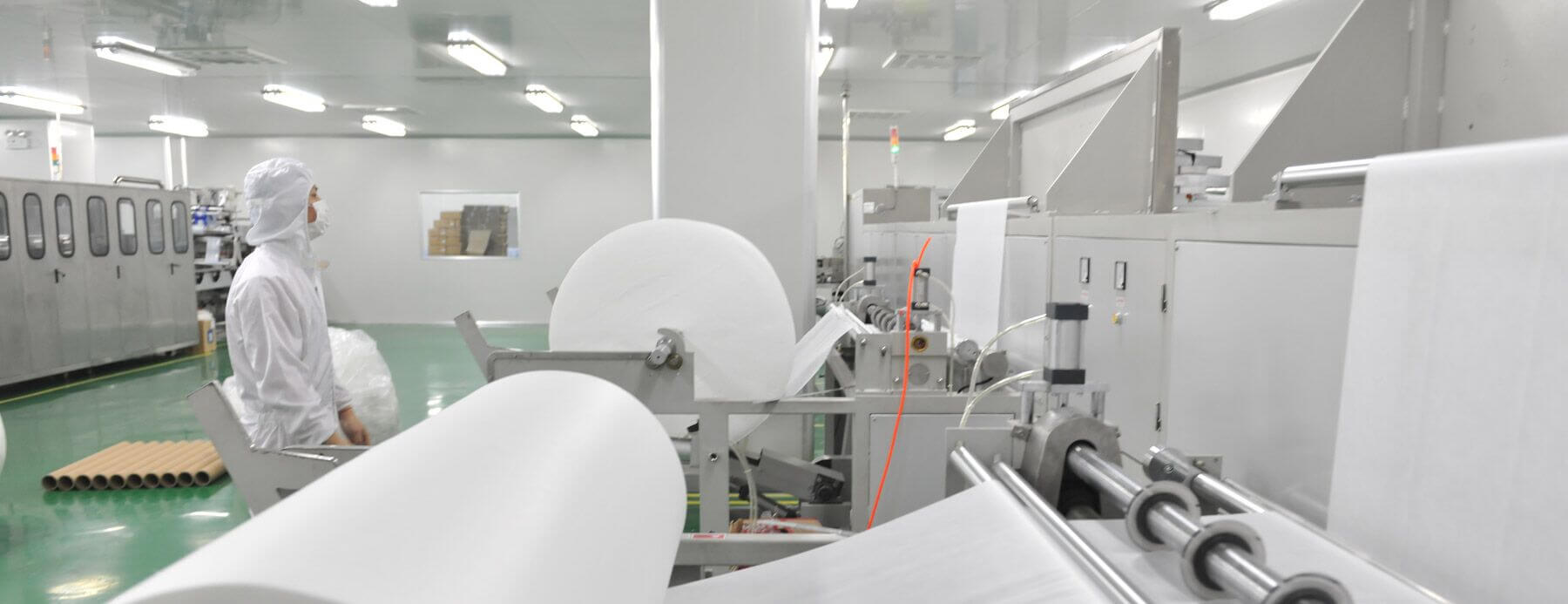
Quality cannot be an afterthought for premium products. The supplier must have a robust, integrated quality control system. This includes 100% on-line visual inspection complemented by in-house laboratory QC. The quality control process should extend to ensuring all raw materials, such as non-woven fabrics and bio-films, meet specified standards, with Batch Certificate of Analysis (COA) reports available.
Furthermore, the supplier must have a proven track record of managing compliance documentation for key markets, holding certifications like FDA, CE, and ISO 9001, and understanding the documentation required for customs clearance in target regions.
Capability 3: Supply Chain Resilience and Scalability
The ability to scale production reliably is vital. Evaluate the supplier's monthly production capacity, which for established manufacturers can exceed 54 million pieces. Equally important is their supply chain management for raw materials. A supplier with direct control over material sourcing, or one that offers material R&D and supply as a service, provides greater stability.
For example, a supplier's material division might offer customization of nonwoven GSM, bio-film layers, and other components, with a monthly capacity of 1,600+ tons. This vertical integration mitigates risks associated with material shortages and quality inconsistencies from third-party suppliers.
3. Success Case: OEM Partnership for a Leading Regional FMCG Brand
A practical example illustrates how these capabilities come together. A leading FMCG brand based in Malaysia sought to expand its market share in Southeast Asia with a new line of high-end organic cotton sanitary napkins and menstrual pants.
- Client & Challenge: The brand needed a manufacturer that could provide advanced bio-based core technology to replace standard SAP, aligning with its sustainability marketing, while maintaining high performance for heavy flow.
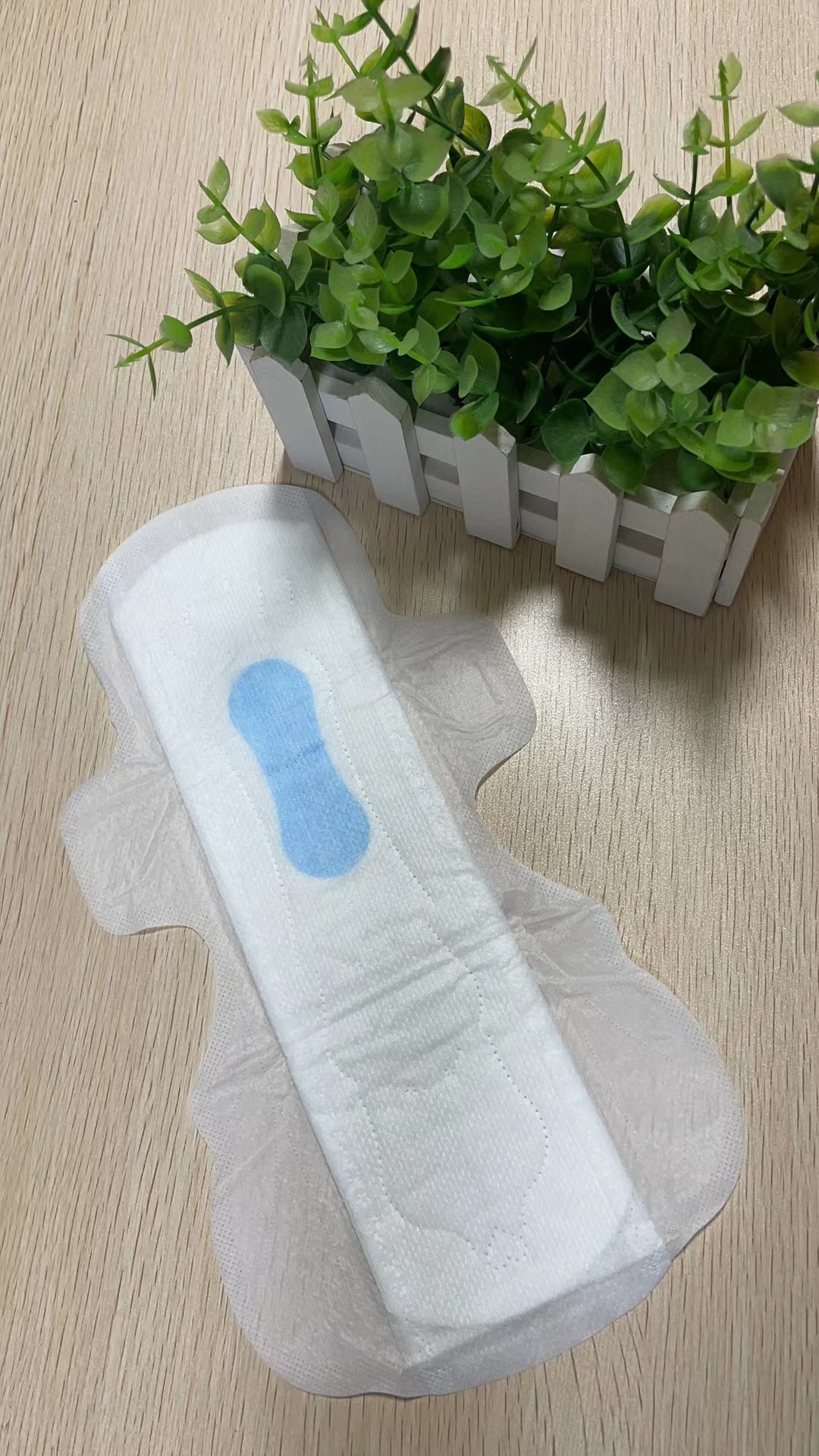
- Supplier Solution: The manufacturer, leveraging its OEM/ODM manufacturing capability, developed a customized product line. This involved integrating an Advanced Bio-absorbent Core and using organic cotton and bamboo fiber topsheets. Ecolivia, as a brand under the manufacturer's portfolio, exemplifies this focus on premium eco-friendly pads.
- Operational Execution: The partnership operated on a scale of 2-3 x 40HQ containers per month. The manufacturer's quality control system, including 100% on-line inspection, ensured consistent product quality meeting premium retail standards.
- Result & Duration: The collaboration, ongoing for over 3 years, assisted the client in achieving a 25% annual sales growth in the Southeast Asian market. The success was attributed to the successful product differentiation and the supplier's reliable, scalable production.
4. Strategic Partnership Recommendations for Procurement
Selecting the right supplier is the first step; building a productive, long-term partnership is the next. Procurement professionals should focus on the following collaboration points.
Define Technical Specifications and Standards Upfront
Clearly document all requirements: target certifications (GOTS, FSC, FDA), material specifications (e.g., 100% chlorine-free organic cotton), absorbency performance metrics, and packaging details. Provide reference samples if possible. This clarity prevents misunderstandings and ensures the supplier's R&D team has a precise blueprint.
Conduct Virtual or On-Site Capability Assessments
While audits are standard, for a technical product like sanitary napkins, assessing the production environment is key. Evaluate the age and automation level of production lines, the cleanliness of the workshop, and the setup of the quality control laboratory. Many reputable suppliers, such as Family Cares Group, which operates a 35,000+ square meter facility, are transparent about their manufacturing setup.
Establish Clear Protocols for Quality Assurance and Logistics
Agree on quality acceptance procedures. This typically includes review of lab reports for raw materials and finished goods, and the right to conduct a Pre-shipment Loading Inspection (PSI). For logistics, discuss and agree on incoterms (FOB, CIF, DDP), shipping schedules, and the supplier's support for documentation and customs clearance. A supplier with a dedicated supply chain division can offer services like real-time tracking and consolidation, which are valuable for complex international shipments.
Plan for After-Sales Support and Continuous Improvement
The partnership should include provisions for after-sales support, such as 24/7 technical support and quality traceability systems. Establish a channel for feedback on product performance in the market and a process for collaborating on future iterations or new product development.
Conclusion: The market for premium, bio-based sanitary napkins in 2026 is characterized by a demand for sustainability, safety, and high performance. Successful procurement hinges on selecting an OEM/ODM partner with deep customization expertise, rigorous integrated quality control, and a resilient, scalable supply chain. By following a structured evaluation framework and focusing on strategic partnership building, procurement professionals can secure a reliable source of innovative products that drive brand growth and meet evolving consumer expectations.
Have Questions or Need More Details?
Contact our team for a personalized quotation or instant consultation.
Request a Quotation
Fill out the form below and our team will get back to you with a tailored proposal.
WhatsApp Direct Chat
Prefer to chat in real-time? Message us on WhatsApp for instant assistance & quick answers.
- Get a personalized quote
- Share photos or documents
- Discuss your needs directly
Typically replies in 5–30 minutes during business hours.