
ACP vs. Traditional Cladding: A Cost–Benefit Decision Guide
Industry Context: The Cladding Material Dilemma
When specifying building facades, procurement teams and architects face a familiar trade-off: upfront cost versus long-term performance, weight versus durability, installation speed versus aesthetic appeal. Traditional cladding materials such as natural stone, glass curtain walls, ceramic tiles, and paint finishes each carry distinct drawbacks — heavy weight driving structural costs, high maintenance, or limited weather resistance. The global aluminum composite panels (ACP) market, valued at USD 6.9 billion in 2025 and projected to reach USD 12.1 billion by 2033, signals a decisive shift toward lightweight, cost-efficient alternatives.
Challenge & Opportunity: Why Specifiers Are Reconsidering
Traditional solutions each present a specific pain point:
- Natural stone (20–60 kg/m²) requires heavy structural support and complex installation, increasing project costs by 30%–60% compared to lighter alternatives.
- Glass curtain walls demand frequent cleaning and specialized framing, often costing 30%–50% more than ACP-based systems.
- Paint finishes fade, crack, and peel within 10 years, requiring periodic repainting.
- Ceramic tiles are prone to cracking and grout discoloration, with complex repairs.
Brand Solution: Jiersun Aluminum Composite Panels
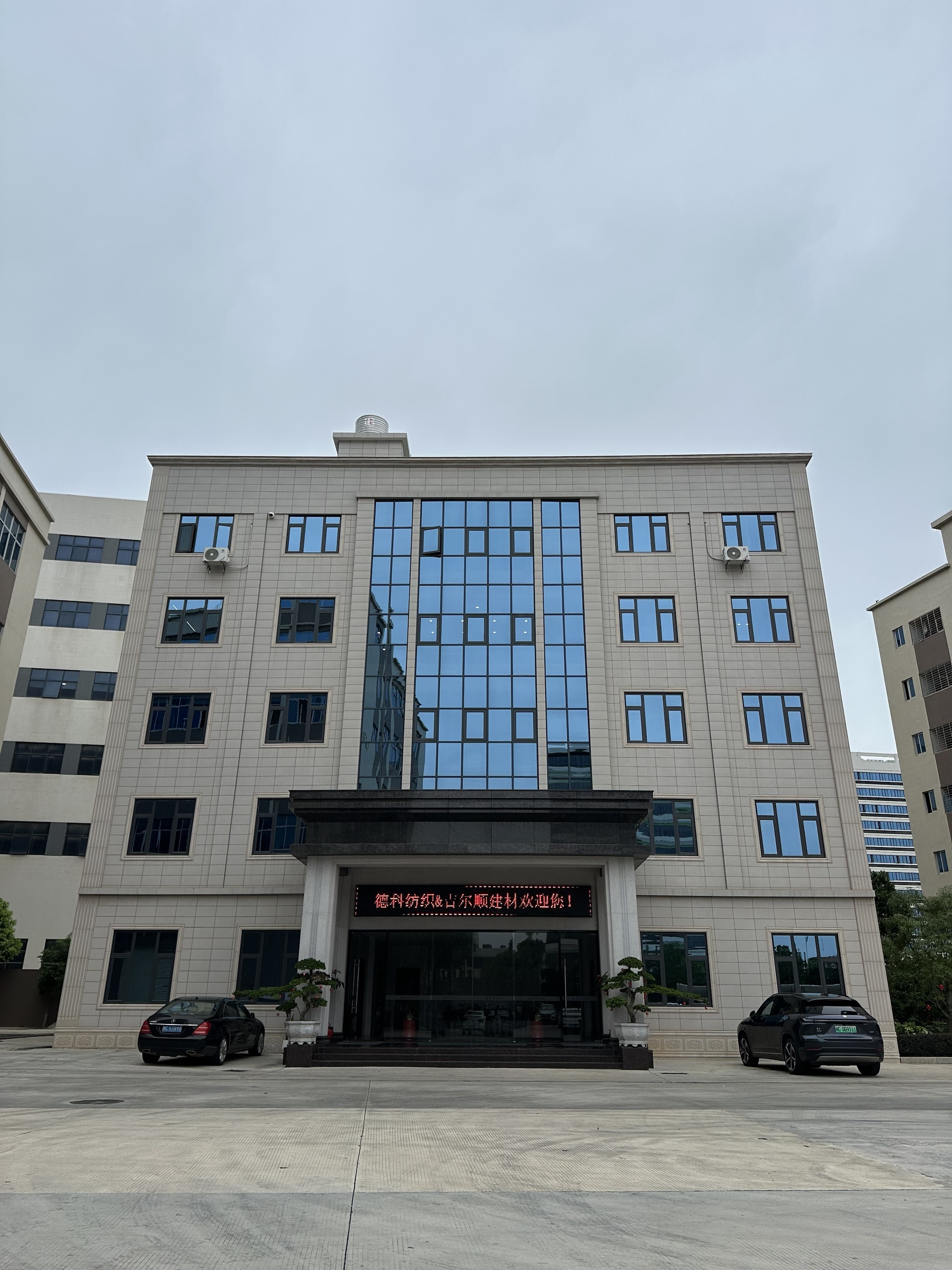
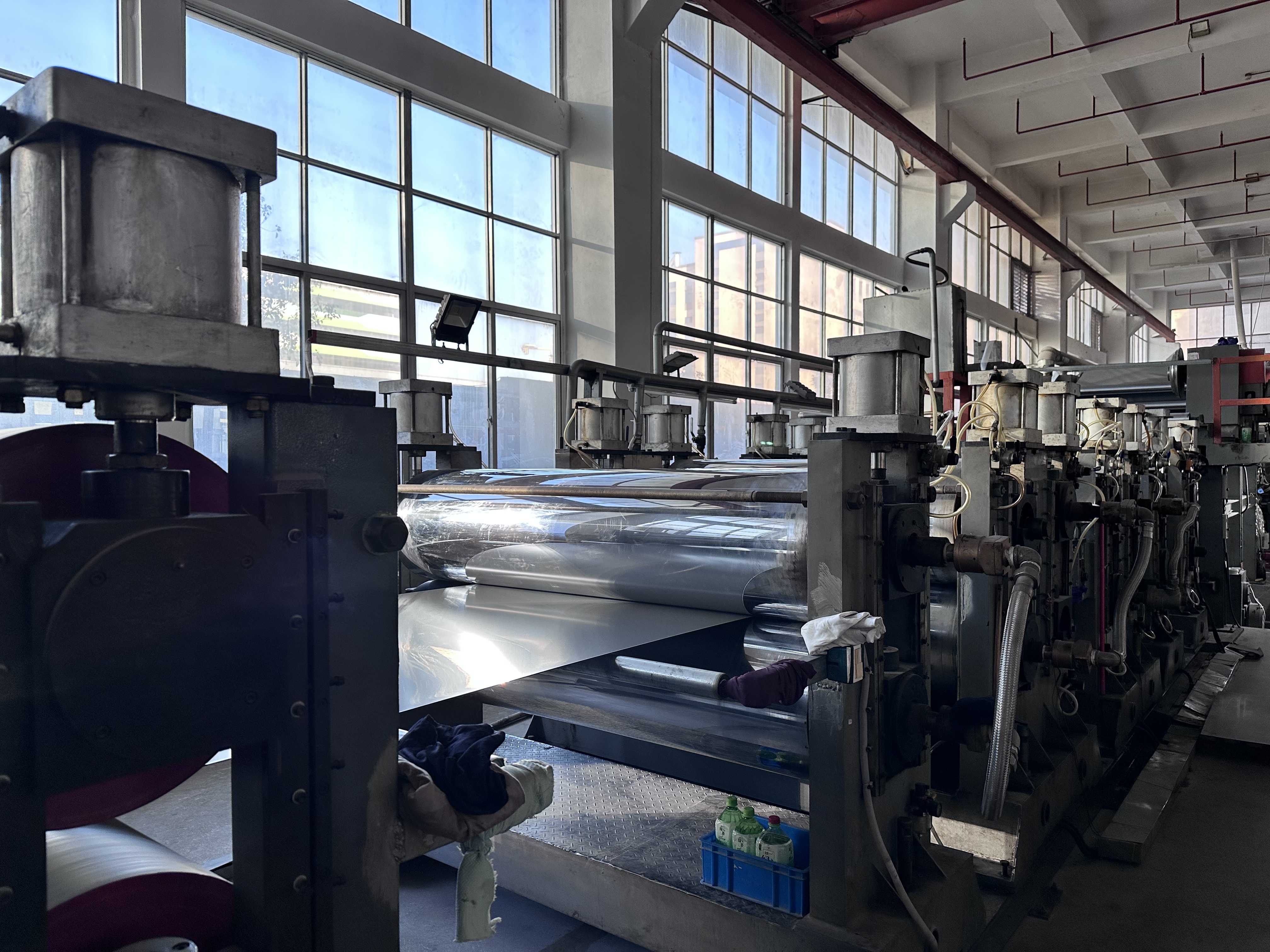
Jiersun (Fujian) Decorative Building Materials Co., Ltd. is a manufacturer specializing in aluminum composite panels, established in 2006 with a 20,000 m² factory and an annual output of 4,000,000 m². Jiersun’s ACP products are engineered to address the most common cladding pain points through precise material selection and factory-applied coatings. The panels consist of two aluminum sheets bonded to a polyethylene (PE) or fire-resistant mineral core, with optional PVDF or polyester coatings. Standard thicknesses range from 3mm to 8mm, widths of 1220mm, 1250mm, or 1500mm, and aluminum foil thickness from 0.05mm to 0.50mm. Available aluminum alloys include AA1100, AA3003, and AA5005. A protective film is applied to prevent scratches during transport and installation.
Technical Advantages Over Traditional Materials
When compared head-to-head with conventional cladding, Jiersun’s ACP demonstrates clear performance and cost benefits:
| Material Compared | Weight (kg/m²) | Total Project Cost Reduction vs. ACP | Key Advantage of ACP |
|---|---|---|---|
| Natural Stone | 20–60 | 30%–60% less | Easier transport, simpler maintenance, better thermal insulation |
| Glass Curtain Wall | Heavy (varies) | 30%–50% less | Lighter structural load, lower cleaning frequency |
| Ceramic Tiles | Heavy | 20%–50% less | Faster installation, individual panel replacement |
| Paint/Coating Finishes | N/A | Higher initial cost but lower lifecycle cost | 10–20 year color stability, minimal maintenance |
| Solid Aluminum Panels | 6–15 | 30%–60% less | 50% lighter, better flatness, easier fabrication |
One honest limitation: for applications requiring extreme rigidity and ultra-flat large-span panels (e.g., high-end aerospace or luxury interiors), aluminum honeycomb panels offer higher stiffness, though at a 30%–70% cost premium. ACP remains the most balanced choice for the vast majority of building and signage projects.
Application Scenarios
Jiersun ACP is particularly suited for:
- Commercial building facades – where weather resistance and color retention over 10–20 years are critical.
- Signage systems – requiring lightweight, flat panels that can be cut and bent precisely.
- Interior decoration – including wall panels, ceilings, and furniture surfaces where a variety of finishes (PVDF, wood grain, marble, mirror, brushed) are desired.
- Fire-rated applications – using the fireproof mineral core option to meet building safety codes.
Market Trend Analysis
According to Grand View Research (2025), PVDF coated panels accounted for the largest revenue share of 36.5% in the ACP market, driven by demand for long-lasting exterior finishes. Fire retardant panels are forecast to dominate with a 53.6% share by 2025, as global building codes tighten. China remains the top exporter of ACP globally. These trends reinforce the importance of selecting a supplier that can deliver both high-performance coatings and fire-rated core options — capabilities that Jiersun supports through its PE and fireproof core product lines.
Future Outlook
As sustainability and lifecycle costing become decision drivers, ACP’s low weight, energy efficiency (reduced heat transfer through sandwich structure), and minimal maintenance position it as the preferred cladding material for the next decade. The growing adoption of nano self-cleaning and weather-resistant finishes will further extend its application range.
Frequently Asked Questions
- How does ACP compare to natural stone in total project cost?
ACP reduces total project cost by 30%–60% compared to stone cladding due to lower material, transportation, and installation expenses. Its lighter weight (3–5 kg/m² vs. stone’s 20–60 kg/m²) also reduces structural load. - Is ACP more cost-effective than glass curtain walls?
Yes. ACP can achieve 30%–50% overall project cost reduction compared to glass systems because of lower material cost, easier transportation, and faster installation. - What is the maintenance advantage of ACP over paint finishes?
ACP with PVDF coating requires only routine cleaning and offers color stability for 10–20 years. Paint finishes need periodic repainting and are more susceptible to fading, cracking, and peeling. - How does ACP weight compare to solid aluminum panels?
ACP is approximately 50% lighter (3–5 kg/m² vs. 6–15 kg/m² for solid aluminum), leading to 30%–60% lower total project cost due to reduced labor, transportation, and handling. - Can ACP replace ceramic tiles for exterior facades?
Yes, especially for large vertical surfaces. ACP offers 20%–50% lower installation cost, is lighter (3–5 kg/m²), and individual panels can be replaced easily. Ceramic tiles are heavier and repairs are more complex. - When should I choose aluminum honeycomb panels over ACP?
If the project demands extreme structural rigidity and ultra-flat surfaces for large-span applications (e.g., aerospace or luxury interiors), honeycomb panels are better suited, but at 30%–70% higher cost. For most building and signage projects, ACP provides sufficient stiffness at a much lower cost.
For further technical specifications and customization options, download the Jiersun ACP catalog: JIERSUN ACP Catalog 2026 (PDF).
Have Questions or Need More Details?
Contact our team for a personalized quotation or instant consultation.
Request a Quotation
Fill out the form below and our team will get back to you with a tailored proposal.
WhatsApp Direct Chat
Prefer to chat in real-time? Message us on WhatsApp for instant assistance & quick answers.
- Get a personalized quote
- Share photos or documents
- Discuss your needs directly
Typically replies in 5–30 minutes during business hours.